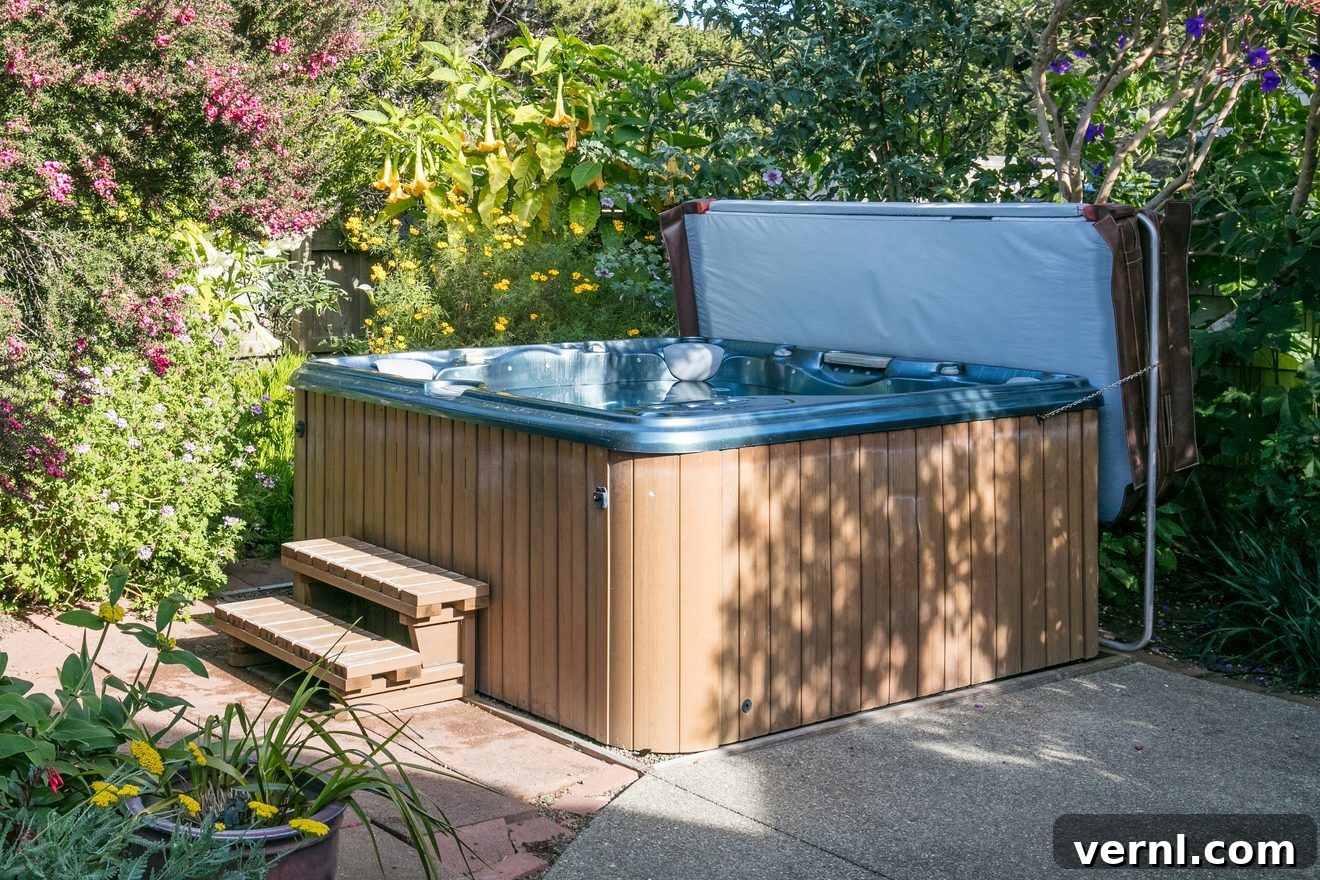
How to Drain a Hot Tub: A Complete Guide for Safe and Effective Water Removal
Maintaining a hot tub involves more than just relaxation; it also requires regular cleaning and water changes. Draining your hot tub is a necessary part of this process, typically recommended every few months to ensure optimal water quality and hygiene. This guide provides comprehensive instructions on how to drain a hot tub safely and effectively, covering everything from preparation to the final steps. Whether you’re a seasoned hot tub owner or new to the experience, understanding the proper draining procedures is essential for maintaining a clean and enjoyable spa experience.
Why Drain Your Hot Tub?
Draining your hot tub is crucial for several reasons:
- Water Quality: Over time, water becomes saturated with dissolved solids, chemicals, and contaminants that can’t be filtered out. Draining and refilling with fresh water restores the water’s clarity and balance.
- Chemical Buildup: Regular use of sanitizers like chlorine or bromine, along with other chemicals, can build up in the water, reducing their effectiveness and potentially causing skin and eye irritation.
- Cleaning: Draining the tub allows for a thorough cleaning of the shell and jets, removing built-up grime, oils, and bacteria that contribute to poor water quality.
- Preventative Maintenance: Draining allows you to inspect the tub for any potential problems, such as leaks or damage, that can be addressed before they escalate.
Planning Your Hot Tub Drain: Important Considerations
Before you begin draining your hot tub, careful planning is crucial for a smooth and compliant process. Consider these essential factors:
- Local Regulations: Check with your local water authority or wastewater management agency to understand any regulations regarding hot tub water disposal. Some areas may prohibit draining into storm drains or require specific procedures.
- Water Testing: Prior to draining, test your hot tub water to ensure chlorine levels are low and pH is near neutral (7.0-8.0 ppm). This ensures the water is safe for disposal on lawns, gardens, or into approved drainage areas.
- Drainage Location: Decide where you will direct the water. Common options include your lawn or garden, a municipal storm drain (with permission), or another designated area. Consider the slope of your property and any potential impact on surrounding areas.
- Weather Conditions: Avoid draining your hot tub during periods of heavy rain or when ground saturation is already high.
Tools and Materials You’ll Need
Gathering the right tools and materials will make the draining process easier and more efficient. Here’s what you’ll need:
- Garden Hose: A standard garden hose is essential for directing the water. Ensure it’s long enough to reach your designated drainage area.
- Submersible Pump (Optional but Recommended): A submersible pump can significantly speed up the draining process, especially if your hot tub is in a location where gravity drainage is difficult. Choose a pump designed for spa use.
- Hose Fittings: Ensure you have the appropriate fittings to connect your garden hose or pump hose to the hot tub’s drain valve.
- Mop, Towels, and Bucket: These are crucial for removing any residual water and cleaning the bottom of the drained tub.
- Hot Tub Cleaner: Select a surface cleaner specifically formulated for hot tubs and spas.
- Gloves and Eye Protection: For safety while handling any cleaning supplies.
Step-by-Step Guide to Draining Your Hot Tub
Follow these steps for a safe and effective hot tub draining process:
Step 1: Preparation is Key
Before you even touch the drain valve, take the following preparatory steps:
- Turn Off and Uncover: For three to four days before draining, turn off the hot tub’s power at the circuit breaker and remove the cover.
- Avoid Adding Chemicals: Refrain from adding any chemicals during this period. This allows the chlorine to dissipate and the pH levels to neutralize naturally.
- Test Water: Use hot tub test strips to confirm chlorine levels are low and the pH is within the safe range.
Step 2: Disconnect Power for Safety
This is a crucial safety step:
- Locate the Circuit Breaker: Turn off the circuit breaker that controls the hot tub’s power supply. This ensures there’s no risk of electrical shock during the draining and cleaning process.
Step 3: Choose Your Drainage Path
Carefully plan where the water will go:
- Lawn or Garden: This is a common and often acceptable method, as long as the water is properly balanced. Move the hose periodically to prevent oversaturation of one area.
- Municipal Storm Drain (with Permission): Check with your local wastewater management agency for permission and any specific requirements.
- Consider the Slope: Choose a drainage area that is at least slightly downhill from the hot tub to aid in the natural flow of water.
Step 4: Connect the Hose or Pump
Attach your chosen drainage method:
- Hose Connection: Connect the garden hose to the hot tub’s drain valve. Extend the hose to your chosen drainage area (storm drain, garden, etc.).
- Submersible Pump Connection: If using a submersible pump, connect the hose to the pump, not the external drain valve. Position the pump inside the hot tub.
Step 5: Open the Drain and Let the Water Flow
The moment of truth:
- Locate the Drain Plug: Your hot tub will have an internal drain plug, typically located at the bottom.
- Open the Plug: Once the hose is securely in place, open the drain plug and let the water begin to flow. If using a submersible pump, turn the pump on.
Step 6: Cleaning and Inspection
While the tub is draining, or after it’s empty, prepare for cleaning:
- Remove Remaining Water: Unless you used a pump, there will be some water left. Use the bucket, mop, and towels to remove the remaining water.
- Clean the Surface: Apply the hot tub surface cleaner and thoroughly scrub the interior of the tub. This will remove any grime or residue. Rinse well.
Step 7: Refill and Enjoy!
The final steps to enjoy your fresh and clean hot tub:
- Close Valves and Plugs: Make sure the drain plug is securely closed and any valves are closed tight.
- Refill: Refill the hot tub with fresh water, ensuring it doesn’t overflow.
- Balance Chemicals: Add the appropriate amount of bromine or chlorine and allow the sanitizer to properly disperse throughout the water.
- Enjoy: Relax and enjoy your revitalized hot tub experience!
Additional Tips for Hot Tub Maintenance
- Regular Water Testing: Test your water regularly (at least weekly) to monitor pH, alkalinity, and sanitizer levels.
- Filter Maintenance: Clean or replace your filter cartridges according to the manufacturer’s recommendations.
- Cover Care: Keep the hot tub cover clean to prevent dirt and debris from entering the water.
- Shock Treatments: Shock your hot tub water periodically to eliminate contaminants and maintain water clarity.
By following these steps and incorporating regular maintenance practices, you can ensure your hot tub remains a source of relaxation and enjoyment for years to come. Proper draining is a fundamental part of responsible hot tub ownership, leading to cleaner water and a more pleasant experience.