
Rainwater Harvesting: A Practical Guide to Saving Water
Imagine the refreshing feeling of a rain shower and the immense volume of water falling from the sky. This powerful image is a great starting point for understanding rainwater harvesting – a resourceful and eco-friendly practice. This guide dives deep into the world of rainwater harvesting, offering insights for homeowners seeking to conserve water and embrace a more sustainable lifestyle.
Did you know that one inch of rainfall on a 1,000-square-foot roof can collect approximately 600 gallons of water? That’s equivalent to filling multiple bathtubs! You can capture this valuable resource for various purposes, from nourishing your garden to flushing toilets, thereby reducing your reliance on municipal water sources.
What is Rainwater Harvesting?
Rainwater harvesting is the process of collecting and storing rainwater for later use. This typically involves collecting water from rooftops using gutters and pipes, directing it into a storage tank or other collection systems.
The practice of rainwater harvesting dates back centuries. Archaeological evidence reveals its use in ancient civilizations like those in the Indus Valley, Rome, and China. Today, this time-tested method is experiencing a resurgence, with many recognizing its benefits, especially in regions facing water scarcity.
Benefits of Rainwater Harvesting
Rainwater harvesting offers numerous advantages, making it appealing to homeowners and environmental enthusiasts alike. Harnessing rainwater provides a wealth of benefits for both your property and the environment:
- Water Conservation: One of the most significant benefits is reducing strain on municipal water supplies. Rainwater harvesting provides a sustainable alternative, particularly in areas facing water shortages.
- Reduced Water Bills: Using harvested rainwater for non-potable uses like watering gardens, flushing toilets, and doing laundry can lead to significant reductions in your water bills.
- Improved Plant Health: Rainwater is naturally free of many chemicals, such as chlorine, commonly found in tap water. These chemicals can be harmful to plants. Using rainwater for irrigation can result in healthier and more vibrant gardens.
- Emergency Water Supply: In emergencies or disruptions to the municipal water supply, a rainwater harvesting system can be a valuable backup source of water.
While the benefits are substantial, it’s important to be aware of potential challenges. The initial setup cost can be a barrier for some, and ongoing maintenance is necessary to maintain clean and safe water. Additionally, harvested rainwater requires proper treatment before it is safe for drinking.
Is Rainwater Harvesting Legal?
The legality of rainwater harvesting varies significantly depending on location. In the United States, regulations differ by state.
Some states, like Texas and Virginia, actively encourage rainwater harvesting through tax incentives and other programs. Conversely, other states might have specific laws that restrict rainwater collection due to water rights issues. Before starting a system, it is crucial to research your local regulations to ensure compliance.
Internationally, rainwater harvesting is widely practiced and legal in many areas, but local regulations can vary. Always consult your local municipality before setting up a rainwater harvesting system.
What to Consider Before Harvesting Rainwater
Embarking on a rainwater harvesting project is an exciting step toward sustainability, but it’s essential to plan. Here’s what to consider before you begin:
- Initial Investment: The cost of a rainwater harvesting system can vary greatly depending on its size and complexity. Be prepared for an upfront investment.
- Maintenance: Regular cleaning of gutters, filters, and storage tanks is crucial to prevent contamination and maintain water quality.
- Space: You will need sufficient space for the storage tank. Consider the size of the tank you need relative to available space.
- Water Treatment: If you intend to use the harvested water for drinking or cooking, you’ll need to factor in the cost and process of water treatment to ensure its safety.
Ways to Harvest Rainwater
There are several methods for collecting and storing rainwater. Here are some of the most popular options:
- Rooftop Rainwater Harvesting: This is the most common method, collecting water from rooftops and directing it into a storage tank via gutters and downspouts.
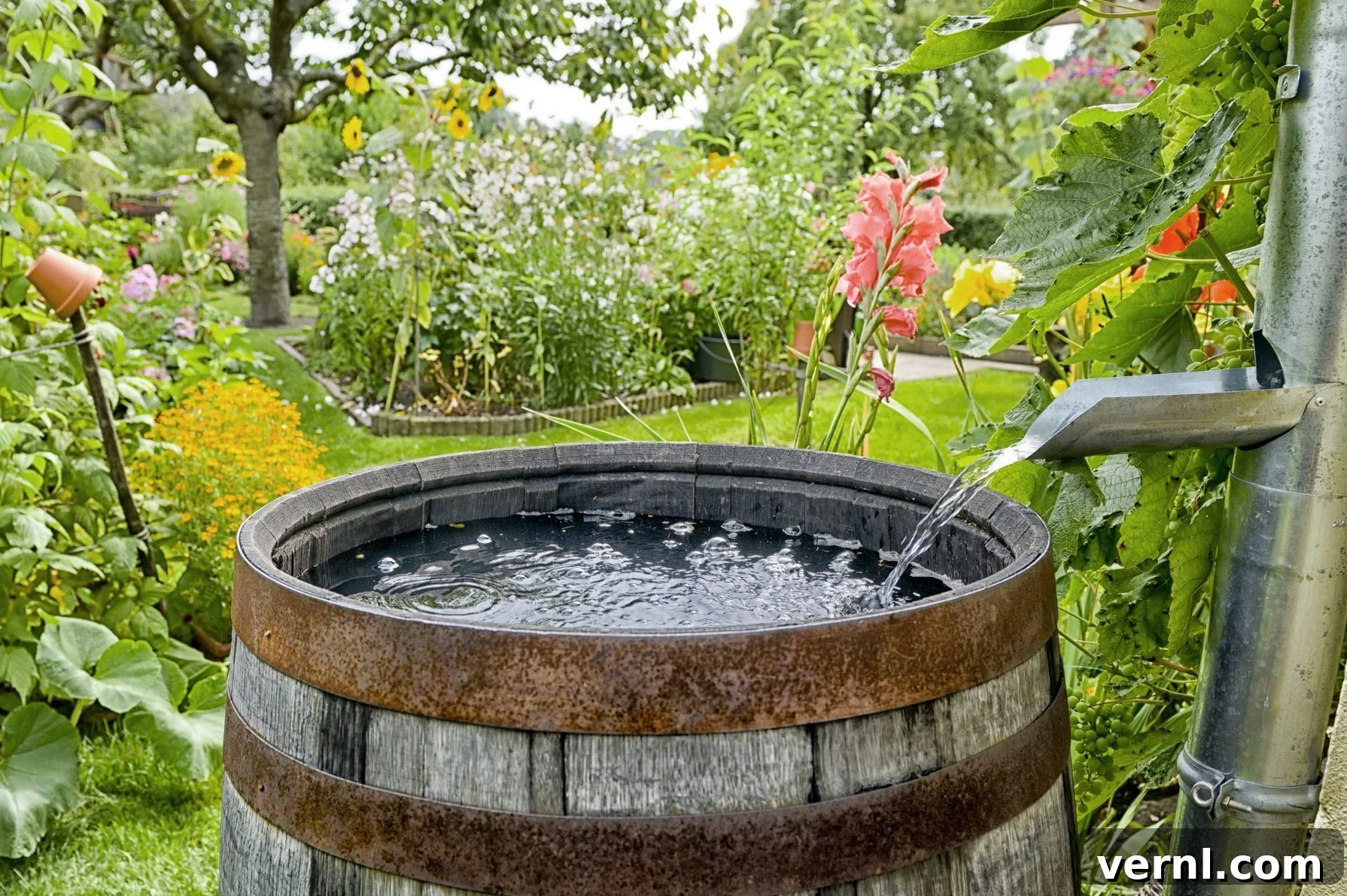
- Rain Barrels: This is the simplest and most cost-effective method. Rain barrels collect water directly from downspouts and are ideal for gardeners.
- Rainwater Tanks/Cisterns: These are larger systems capable of storing significant volumes of rainwater for various household uses. They are generally more expensive than rain barrels but provide a more substantial water supply.
- Rain Gardens: These are specifically designed landscapes utilizing plants and soil to capture, absorb, and naturally clean stormwater runoff.
- Underground Storage Tanks: These large containers are buried underground to collect and store rainwater, often used in commercial settings or areas with high water demands.
- Dry Systems: Gutters and pipes direct rainwater to storage tanks, but the pipes are designed to dry out between rainstorms, limiting potential algae growth.
- Wet Systems: The collection pipes in a wet system are always filled with water, which can lead to higher water purity.
After Harvesting: Water Purification and Use
Once you’ve collected the rainwater, you can put it to use. For gardening, irrigation, or flushing toilets, no purification is generally required. However, it’s vital to remember that untreated rainwater is not safe for drinking or cooking.
Untreated rainwater can contain bacteria, viruses, algae, parasites, and fungi that can pose health risks. It might also contain pollutants or debris from the atmosphere or the surfaces it comes into contact with.
Water Purification
Purifying rainwater is crucial if you plan to use it for drinking or cooking. Several methods can be employed, and the best approach will depend on the collected water’s quality and its intended use. Even for non-potable uses, pre-treatment is advised.
Every system should include gutter guards or downspout screens to prevent debris from entering the collection system. After the collection, you can use the following methods:
- Boiling: This effective method kills many disease-causing organisms. However, it doesn’t remove chemical contaminants.
- Filtration: Water filters vary from simple cloth products that remove small particles to more complex ceramic or carbon filters that eliminate chemical pollutants.
- Chemical Treatment: Substances like chlorine or iodine can be added to the water to kill bacteria and viruses. Be aware that these might not be as effective against certain parasites and could affect the water’s taste.
- UV Treatment: Ultraviolet light can effectively kill bacteria and viruses in water, making it a valuable option for homes using non-public water sources.
- Distillation: This process involves boiling the water and condensing the steam back into liquid. Distillation can remove a wide array of contaminants, including bacteria, viruses, and chemicals.