
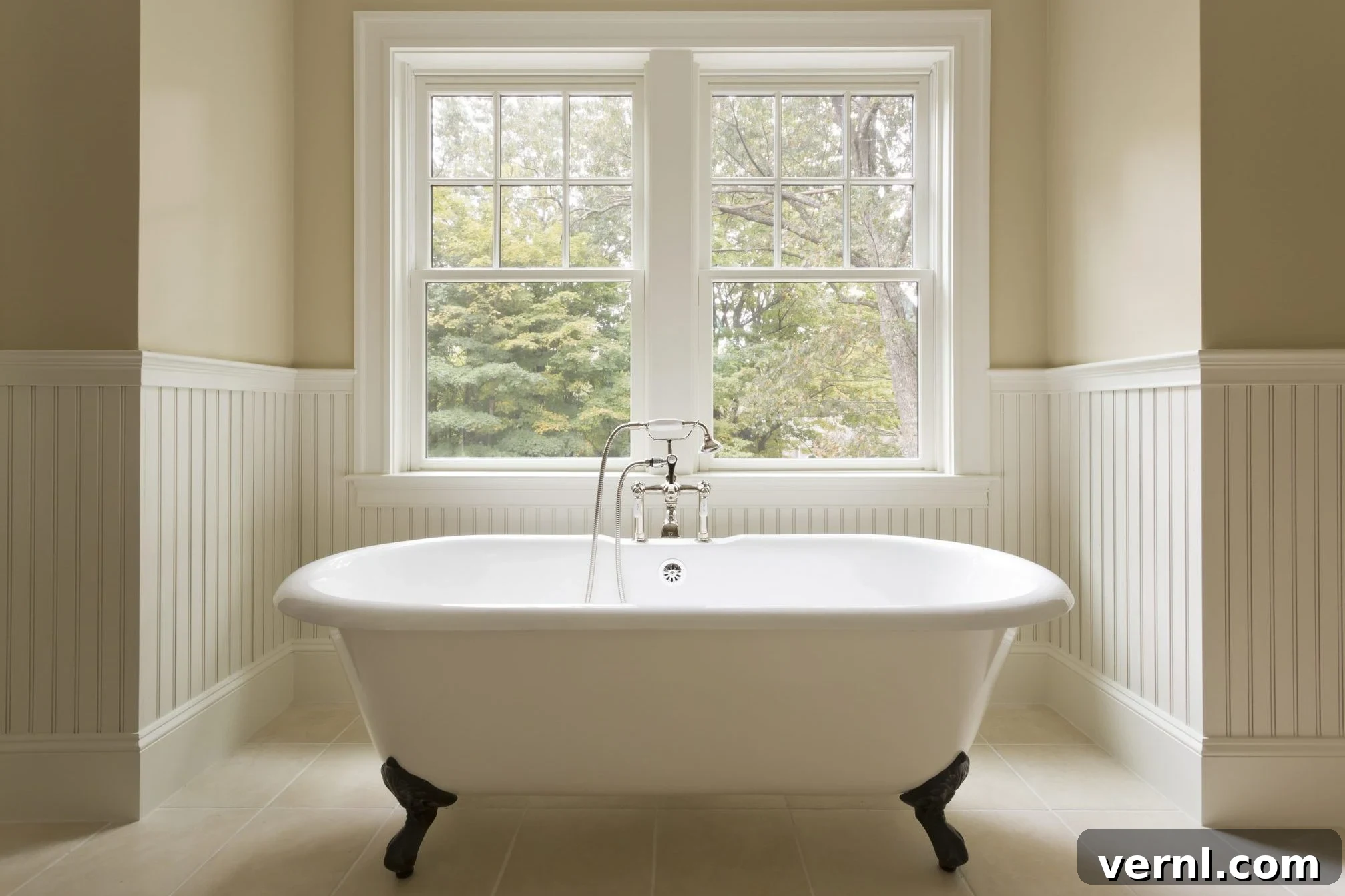
Clawfoot Tubs: A Comprehensive Guide for Your Bathroom
Clawfoot tubs are a timeless bathroom fixture, known for their elegance and classic appeal. This guide provides everything you need to know about these iconic bathtubs, from their history and types to installation and cost, helping you decide if a clawfoot tub is the right choice for your bathroom.
What is a Clawfoot Tub?
A clawfoot tub is a freestanding bathtub distinguished by its four decorative feet, or “claws,” which elevate the tub from the floor. These legs come in various styles, adding to the tub’s unique aesthetic. The term “clawfoot” accurately describes this defining characteristic.
The origins of clawfoot tubs can be traced back centuries, evolving from a symbol of luxury and status in the early 19th century. Wealthy homes featured these tubs in private bathrooms, where servants would fill them with water. The designs were often elaborate, reflecting the design trends of the time.
Types and Materials of Clawfoot Tubs
Clawfoot tubs are primarily made from two main materials: cast iron and acrylic. The choice of material significantly impacts the tub’s weight, durability, and heat retention. Understanding the differences between these materials is crucial for making the right selection.
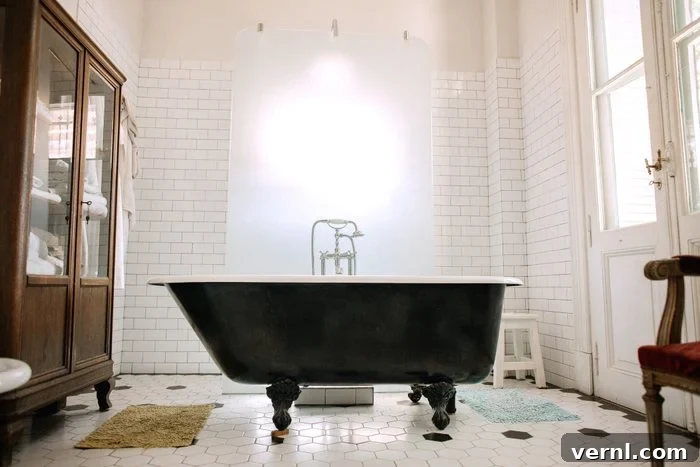
Cast iron tubs, often coated with a porcelain enamel, are known for their durability and excellent heat retention. Acrylic tubs, while lighter and more affordable, may not offer the same level of longevity or heat-holding capabilities.
Identifying the age and type of your existing clawfoot tub can be done by examining the tub itself. Many manufacturers stamped their products with manufacturing dates and other identifying marks. If no stamp is present, you may need to assess the tub’s condition and other characteristics to estimate its age and material.
Clawfoot tubs also come in various styles, each offering a unique look and feel:
- Double Slipper: Combines elements of double-ended and single-slipper designs, with raised ends on both sides.
- Double Ended: Features a level edge and rounded lip, with the faucet usually positioned in the center.
- Classic/Flat Rim: Has a flat rim all around, with the faucet typically at one end.
- Single Slipper: Characterized by one raised end.
Material Comparison: Cast Iron vs. Acrylic
The material of your clawfoot tub influences its performance and overall experience. Here’s a closer look at the key differences:
- Cast Iron:
Known for its exceptional durability and heat retention. Cast iron tubs are ideal for long, relaxing soaks. However, they are typically more expensive and significantly heavier, potentially requiring reinforced flooring.
- Acrylic:
Acrylic tubs are lighter and often more budget-friendly. They’re easier to install and more resistant to chipping. However, they may not retain heat as effectively as cast iron and are generally less durable.
Clawfoot Tub Size and Dimensions
Clawfoot tubs come in a range of sizes, offering flexibility for different bathroom spaces. The dimensions can vary, but here are some general guidelines:
- Length: Typically ranges from 54 inches for smaller tubs to 72 inches or more for oversized models.
- Height: Also varies depending on the specific model.
When considering a clawfoot tub, factor in the amount of water needed to fill it, as larger tubs will require more water.
Space and Placement Considerations
Freestanding clawfoot tubs offer flexibility in placement, making them a stylish addition to any bathroom. However, they require careful planning.
Proper placement requires more space compared to built-in tubs. Ensure sufficient clearance around the tub to allow for comfortable movement and prevent the bathroom from feeling cramped. A minimum of a few feet of clearance on all sides is recommended.
Also, consider accessibility when moving the tub into your bathroom, accounting for any tight entryways or hallways that might limit access.
Accessibility Considerations for Clawfoot Tubs
While aesthetically pleasing, clawfoot tubs can present accessibility challenges. Their higher lip can make it difficult for individuals with mobility limitations, children, and pets to enter and exit safely.
If you’re drawn to the clawfoot tub aesthetic but need improved accessibility, consider adding a step stool or grab bar to assist with getting in and out. Alternatively, explore options like walk-in tubs or tubs with lower profiles to ensure a safe bathing experience.
Faucets and Accessories for Clawfoot Tubs
Clawfoot tubs provide an elegant centerpiece for any bathroom. Enhance this elegance by choosing faucets and accessories that complement the tub’s design.
Many models offer options for freestanding, deck-mounted, or wall-mounted faucets. Consider additional accessories such as shower enclosures, caddies, or towel racks to create a cohesive and functional bathing space. These additions not only enhance the aesthetic but also provide convenient storage and improve the overall bath time experience.
Flooring and Weight Support
The weight of a clawfoot tub, especially a cast iron model, needs careful consideration. Proper weight support is crucial to ensure the safety and longevity of your bathroom floor.
If your tub is particularly heavy, or if your bathroom flooring is old, consider integrating additional support into the floor structure. Before installation, confirm that the flooring is level and capable of supporting the combined weight of the tub, water, and occupants.
If your floor is uneven, adjustable feet can help level the tub. If you are unsure of whether your flooring can support the weight of the tub, it’s best to consult with a professional to assess your flooring and consider reinforcement options.
How Much Does a Clawfoot Tub Cost?
The price of a clawfoot tub varies depending on factors such as size, material, and design. You can expect a price range from $500 to $1,500 or more. Consider the initial cost and the long-term value, as cast iron tubs, while more expensive, typically offer greater durability.
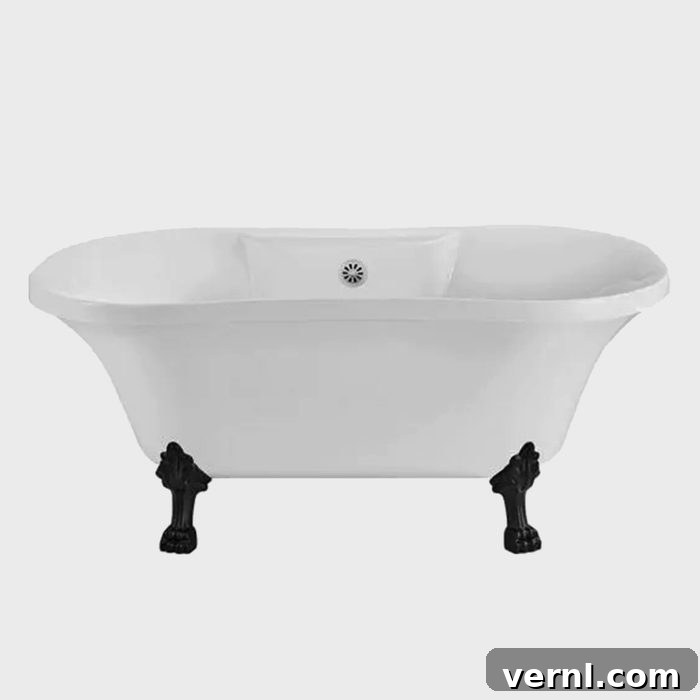
For example, a standard 60-inch acrylic tub is available for around $600, while a vintage 67-inch cast iron tub can cost around $1,400. Prices can vary significantly based on the retailer and specific features.
How to Install a Clawfoot Tub
Installing a clawfoot tub usually requires multiple people due to its weight. The installation process involves careful placement, ensuring the drain aligns with the floor’s drain hole and the faucet is positioned correctly relative to the tub’s edge. The specific faucet placement depends on the tub style.
Before you begin the installation process, meticulously read the manufacturer’s instructions. A thorough understanding of the steps will ensure a proper installation and prevent potential problems.
Why You Should Trust Us
This guide draws upon expertise in bathroom renovation and home improvement. With experience in bathroom projects, the author provides practical advice on selecting and installing clawfoot tubs. The content is further enriched by research and updates from a content editor.
Frequently Asked Questions (FAQ)
Are clawfoot tubs safe?
While visually appealing, clawfoot tubs can pose challenges for some users, especially those with mobility issues. Ensure safety by installing grab bars or providing a stool to help with entry and exit.
How does a clawfoot tub drain?
Clawfoot tubs use an L-shaped drain and overflow assembly that sits outside the tub. This design facilitates efficient water removal without occupying much space.
How are clawfoot tub feet attached?
The feet are typically attached with the tub upside down for optimal accuracy:
- Insert a bolt into a lug facing upwards towards the ceiling.
- Place the foot over the bolt and lower it until the bolt is fully inserted and the foot is flush with the tub’s bottom.
- Screw the nut over the bolt with a wrench until fully tightened. Flip the tub and place where desired.
- If there is uneven flooring in your bathroom, consider flipping the tub again and adjusting the feet (if this feature is included).