The Ultimate Guide to Cleaning, Maintaining, and Renewing Laminate Countertops
Laminate countertops have been a beloved fixture in kitchens and bathrooms for over a century, gracing homes with their versatility, affordability, and wide array of styles. Many of us grew up with these durable surfaces, learning intuitive cleaning methods through observation and habit. However, to truly extend the life and beauty of your laminate countertops, a deeper understanding of proper care is essential. This comprehensive guide will take you through everything you need to know, from routine cleaning to tackling stubborn stains, preventing damage, and even giving your countertops a brand-new lease on life.
Understanding Your Laminate Countertops: What Are They?
Before diving into cleaning techniques, it’s crucial to understand what laminate countertops are made of. At its core, laminate is a highly engineered composite material designed for durability and aesthetics. It typically consists of several layers:
- Decorative Layer: This is the top layer, a high-resolution printed paper or film that provides the visual appeal, mimicking everything from natural stone and wood grains to solid colors and abstract patterns. This layer is what gives laminate its incredible design versatility.
- Wear Layer: Overlaid on the decorative layer is a clear, tough, resin-impregnated sheet. This wear layer is what provides resistance against scratches, impacts, and moisture, giving laminate its characteristic durability.
- Kraft Paper Layers: Beneath the decorative and wear layers are multiple sheets of kraft paper, also saturated with resin. These layers are compressed under intense heat and pressure to form a solid, incredibly hard, and dense core.
- Substrate: To create the countertop, this finished laminate sheet is permanently bonded – typically using strong contact cement or another industrial adhesive – to a stable, thick substrate material. Common substrates include particle board, medium-density fiberboard (MDF), or plywood. This substrate provides the necessary structural integrity and thickness for a functional countertop.
The entire process results in a remarkably hard, durable, and waterproof laminate sheet. Understanding this layered construction is key to knowing how to protect it during cleaning and daily use, ensuring its longevity and maintaining its pristine appearance.
Mastering the Art of Cleaning Laminate Countertops Without Streaks
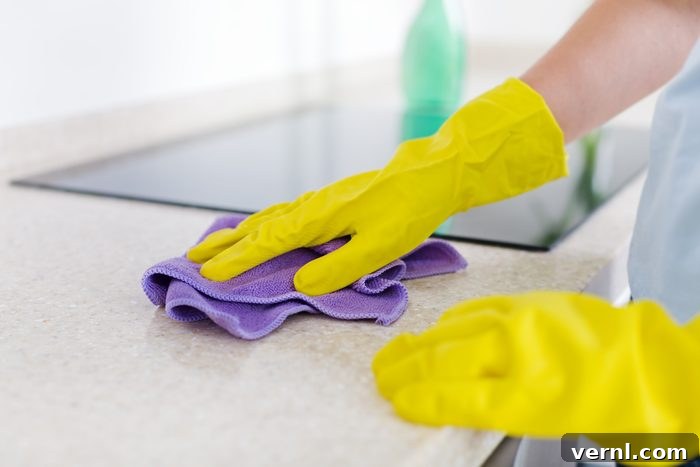
Achieving streak-free, sparkling laminate countertops is simpler than you might think, provided you use the right tools and techniques. The goal is to clean effectively without damaging the surface or leaving behind residues.
Key Considerations Before You Clean
Knowing the composition of laminate helps us understand its vulnerabilities. While the top wear layer is incredibly tough, it’s not indestructible:
- Scratch Potential: Abrasive materials, harsh scrubbing, or sharp objects can scratch the wear layer, dulling the surface and making it more susceptible to further damage and staining. Once scratched, the visual appeal significantly diminishes.
- Moisture Penetration: The laminate surface itself is waterproof. However, the substrate beneath it (particle board, MDF, plywood) is not. If moisture manages to penetrate beneath the laminate – through an unsealed seam, a deep scratch, or a crack – the substrate can swell. This swelling can cause the laminate to lift, bubble, or crack, leading to irreparable damage.
- Heat Sensitivity: Extreme heat can delaminate the layers or cause scorch marks. While not directly related to cleaning, it’s a general care point to always keep in mind.
Therefore, when cleaning laminate, the cardinal rules are to avoid abrasion, minimize excessive water pooling, and choose appropriate cleaning agents.
Choosing the Right Cleaners for Laminate
The good news is that laminate countertops don’t require fancy, expensive cleaners. Simple, everyday products often work best:
- Mild Dish Soap or Household Cleaner: For general daily cleaning, a few drops of a mild dish soap (like Dawn) mixed with warm water is highly effective. Many general-purpose household cleaners like Fantastik All Purpose Cleaner or Formula 409 are also excellent choices, as recommended by leading manufacturers like Formica. Missy Vannest, owner of Home in Hand Cleaning, specifically recommends Dawn Dish Soap for “oily messes,” highlighting its degreasing power.
- White Vinegar (Diluted): For a natural, streak-free shine, a solution of equal parts white vinegar and water can be effective. However, avoid using concentrated vinegar frequently, as its acidity could potentially dull the surface over time, though opinions vary. Always dilute it well.
- Laminate-Specific Cleaners: Various brands offer cleaners specifically formulated for laminate surfaces. These are generally safe and effective, designed to clean without leaving residue or damaging the finish.
Cleaners to AVOID: Stay away from abrasive cleaners (e.g., scouring powders, steel wool), acidic cleaners (undiluted vinegar, harsh toilet bowl cleaners), alkaline cleaners (oven cleaners, drain cleaners), and any products containing wax, oil, or strong solvents (e.g., paint thinners, nail polish remover, bleach in high concentrations, especially on dark laminates). Abrasives can scratch, strong chemicals can degrade the finish, and waxes/oils can leave a sticky film that attracts dirt.
NOTE: Always read the manufacturer’s instructions for both your countertops and any cleaning products you intend to use. When trying a new product, test it first in an inconspicuous area (like inside a cabinet or a hidden corner) to ensure it doesn’t cause discoloration or damage.
The Step-by-Step Cleaning Process
Follow these steps for a perfectly clean, streak-free laminate surface:
- Clear the Countertop: Remove all items from the countertop surface to ensure thorough cleaning.
- Wipe Down Loose Debris: Use a dry, soft cloth or a dustpan and brush to remove crumbs, dust, and any loose debris. This prevents scratching during the wet cleaning phase.
- Prepare Your Solution: Mix your chosen mild cleaner with warm water in a spray bottle or a bucket. For most daily cleaning, a pea-sized amount of dish soap in a bowl of warm water is sufficient.
- Dampen Your Cloth: Use a soft, non-abrasive cotton or microfiber cloth. Dampen it with your cleaning solution. It should be moist, not soaking wet. Wring it out thoroughly to remove excess water.
- Gently Scrub: Gently wipe down the entire surface, working in small sections. Apply light pressure to lift dirt, grime, and spills. For tougher spots, allow the damp cloth to sit on the area for a minute or two before gently scrubbing.
- Rotate/Switch Cloths: As your cloth collects dirt, rotate it to a clean section or switch to a fresh cloth frequently. This prevents you from simply spreading dirt and germs around the countertop.
- Rinse and Wipe (Optional but Recommended): Even though many cleaners claim to be “no-rinse,” a quick rinse can prevent streaks. After cleaning, dampen a separate, clean cloth with plain warm water (no cleaner) and wipe down the entire surface. This removes any residual cleaning film that could lead to streaks or a hazy appearance once dry.
- Dry Thoroughly: Immediately after cleaning, use a dry, clean microfiber cloth to thoroughly dry the countertops. This is crucial for preventing water spots and ensuring a streak-free finish, as well as protecting the substrate from prolonged moisture exposure.
By following these simple steps, your laminate countertops will remain spotless and gleaming, enhancing the overall cleanliness and appeal of your space.
Effective Strategies to Remove Stains From Laminate Countertops
Laminate’s non-porous surface makes it relatively resistant to stains, but accidents happen. As John O’Brien, owner of Green Maids Cleaning, wisely advises, “To keep your laminate countertops clean and shining while using eco-friendly methods, the best tip is not to let spills hang around.” Prompt action is your best defense against stubborn stains.
General Stain Removal Principles
Most common food and beverage stains can be removed with your regular mild dish soap and water solution, especially if caught early. For tougher stains, here’s a general approach:
- Act Immediately: The longer a spill sits, the deeper it can penetrate or dry onto the surface.
- Start Mild: Always begin with the least aggressive cleaning method.
- Test First: Always test any new cleaning agent in an inconspicuous area.
Tackling Specific Stain Types
While laminate is incredibly durable, some stains require a bit more targeted effort. If it’s a stubborn mark that’s been left to sit, or a residue that won’t budge with mild soap and water, here are some expert-backed solutions:
- Food & Beverage Stains (Coffee, Tea, Juice, Wine): Create a paste with baking soda and a few drops of water. Apply it to the stain, let it sit for a few minutes, then gently scrub with a soft cloth. Rinse and dry.
- Grease & Oil Stains: Missy Vannest’s advice rings true here: hot water and Dawn dish soap are your best friends. The powerful degreasing agents in dish soap work wonders on oily residues.
- Ink, Marker, or Dye Stains: For ink, a small amount of rubbing alcohol (isopropyl alcohol) or a non-acetone nail polish remover applied to a cotton ball can often lift the stain. Gently dab, do not rub aggressively, and rinse immediately afterward.
- Rust Stains: A paste of lemon juice and baking soda can work. Apply, let sit for 5-10 minutes, then gently scrub and rinse. Commercial rust removers should be used with extreme caution and only if specifically labeled safe for laminate.
- Adhesive Residue (from tape, labels): Mineral spirits or Goo Gone can be effective. Apply to a cloth, gently wipe the residue, then immediately clean the area with soap and water to remove any chemical traces.
DIY Super Stain Remover
If you’re dealing with a particularly stubborn, unidentified stain that your standard cleaners can’t touch, John O’Brien’s eco-friendly approach can be a lifesaver. This “not-so-secret sauce” is powerful yet gentle:
- 1 cup warm water
- 1/2 cup hydrogen peroxide
- 1/4 cup baking soda
- A few dots of your favorite dish soap
Instructions: Mix these ingredients until a paste forms. Apply the paste generously over the stain, making sure it’s completely covered. Let it sit for a few minutes (5-10 minutes should suffice for most stains, but you can extend to 30 for very tough ones). Then, gently scrub the area with a soft cloth or sponge. Rinse thoroughly with clean water and dry immediately. This powerful combination leverages the oxidizing power of hydrogen peroxide, the gentle abrasive nature of baking soda, and the degreasing action of dish soap to lift a wide range of organic stains.
It’s important to remember that certain types of damage, such as deep scratches or burns, cannot be “cleaned” away. As the article humorously notes with the pancake story, burn marks are typically permanent. In such cases, you might need to consider revival or renewal options.
Preserving Perfection: Preventing Scratches and Damage to Laminate Countertops
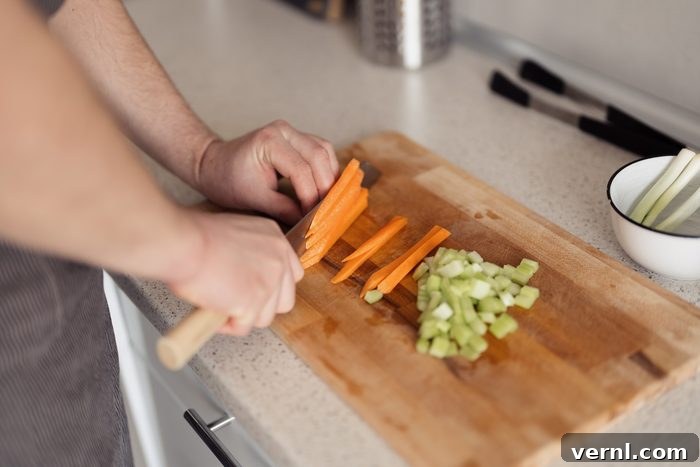
Prevention is always better than cure, especially when it comes to maintaining the pristine condition of your laminate countertops. While laminate is designed for durability, its surface can be dulled, scratched, or even compromised by improper use. Protecting your countertops from everyday wear and tear will significantly extend their lifespan and keep them looking new.
Essential Protective Measures:
- Use Cutting Boards: Never cut or chop directly on your laminate countertops. Knives can easily scratch or gouge the surface, creating irreversible damage and compromising the waterproof seal. Always use a dedicated cutting board for all food preparation.
- Employ Trivets and Hot Pads: Laminate is heat resistant to a degree, but direct contact with hot pots, pans, slow cookers, or electric griddles can cause scorching, bubbling, or delamination. This damage is often irreparable. Always place hot items on trivets, hot pads, or insulated mats.
- Protect Against Heavy Objects: Avoid dragging heavy appliances (like mixers or toasters) across the surface. The friction can cause scratches. Lift and place them carefully. Consider placing felt pads under frequently moved appliances.
- Beware of Abrasives: As mentioned in the cleaning section, harsh scrubbing pads, steel wool, and abrasive cleaners are a definite no-go. They will scratch the surface, making it appear dull and potentially creating microscopic channels for moisture to seep in. Stick to soft, non-abrasive cotton or microfiber cloths for all cleaning tasks.
- Wipe Up Spills Immediately: This not only prevents stains but also minimizes the time moisture spends on seams and edges, reducing the risk of water infiltration into the substrate.
- Use Placemats and Coasters: Especially in high-traffic areas or where food and drinks are frequently consumed, placemats and coasters offer an extra layer of protection against minor spills, heat from warm plates, and incidental scratches from cutlery or glassware.
- Avoid Direct Sun Exposure (if possible): Prolonged exposure to direct sunlight can, over many years, cause fading or discoloration of some laminate patterns. While not always preventable, consider window treatments if your countertops receive intense, direct sun for extended periods.
By integrating these simple habits into your daily routine, you can effectively safeguard your laminate countertops from the most common forms of damage, preserving their beauty and functional integrity for decades.
Restoring Brilliance: How to Revive and Protect Laminate Countertops
Even with the best care, laminate countertops can eventually show signs of wear – minor scuffs, a loss of shine, or a slightly dulled appearance. The good news is that you often don’t need to replace them. There are excellent options for reviving and protecting your laminate, bringing back its lost luster and adding an extra layer of defense.
Polishes and Waxes Specifically for Laminate
Many products are designed to rejuvenate the surface of laminate countertops by filling in tiny scratches, enhancing shine, and providing a protective barrier. These are typically easy to apply and can make a noticeable difference:
- Laminate Polishes: These products are formulated to gently buff out minor imperfections and restore a uniform sheen. They often contain mild abrasives or fillers that create a smoother surface.
- Kitchen Waxes: Products like Jubilee Kitchen Wax are specifically designed for kitchen surfaces, including laminate. They create a protective layer that helps repel water and make future cleaning easier, while also imparting a healthy glow.
Application Tip: Always follow the product’s instructions carefully. Typically, you’ll apply a small amount to a clean, dry cloth, rub it into the surface in small sections, and then buff it off with another clean, dry cloth until you achieve the desired shine.
The Versatility of Food-Safe Furniture Waxes and Oils
Beyond specialized laminate products, there’s a lesser-known secret from the world of woodworking. As an experienced woodworker, I’ve discovered that many high-quality furniture waxes and hard wax oils, particularly those labeled as food-safe, are incredibly versatile and can be used on a variety of surfaces, including laminate. These products are designed to penetrate and protect porous surfaces, but on laminate, they act as a durable, beautiful topcoat.
- Howard Wax-It-All: Products like Howard Wax-It-All are often food-grade and designed for use on wood, metal, and even stone. When applied to laminate, they create a protective, water-resistant barrier that enhances the depth of color and provides a lovely, subtle sheen.
- Odie’s Oil: Odie’s Oil is another excellent example of a universal, food-safe hard wax oil. It’s known for its ability to protect, beautify, and restore surfaces without leaving a thick film. It cures into a hard finish, offering superior durability compared to softer waxes, and is resistant to water and household chemicals once fully cured.
Benefits: These products offer robust protection, making the surface more resistant to future scratches and spills, and they provide a rich, natural-looking finish. Being food-safe is an added bonus for kitchen applications. They are an investment but can dramatically improve the longevity and appearance of your existing countertops.
Regular application of these protective layers can keep your laminate looking its best, making cleaning easier and postponing the need for more significant interventions.
Beyond Restoration: How To Renew Your Laminate Countertops for a Fresh Start
Sometimes, even the most diligent cleaning and protection aren’t enough, or perhaps you simply crave a completely new look without the expense and hassle of a full countertop replacement. The great news is that you have several fantastic options to renew your laminate countertops, offering a fresh start that’s both cost-effective and DIY-friendly.
1. Countertop Coating Kits: The “Paint-On” Renovation
One of the most popular and accessible methods for renewing laminate is using specialized countertop coating kits. These kits are essentially high-performance paints designed to adhere robustly to laminate surfaces, transforming their appearance. They are often multi-step systems that can mimic the look of granite, stone, or a solid color.
- Daich SpreadStone: Products like Daich SpreadStone Mineral Select Countertop Finishing Kit offer a textured, multi-tonal finish that closely resembles natural stone. The application process typically involves a primer, a decorative stone coat (applied with a roller or brush to create texture), and a clear topcoat for durability.
- Rust-Oleum Transformations: Similarly, Rust-Oleum Countertop Transformations Kit provides a similar multi-step system, often yielding a speckled, granite-like finish. These kits are designed for DIY enthusiasts, with clear instructions that make the process “as easy as applying paint.”
Pros: Highly affordable, wide range of aesthetic options, significantly less labor-intensive than full replacement, can drastically change the look of your kitchen or bathroom.
Cons: Requires careful surface preparation, drying times between coats, durability can vary depending on brand and application quality, and they may not withstand extremely harsh treatment as well as factory laminate.
2. Epoxy Coating: The High-Gloss, Durable Transformation
For a truly stunning and incredibly durable finish, an epoxy coating is an excellent choice. Epoxy creates a thick, high-gloss, seamless surface that can mimic expensive materials like marble, granite, or even abstract art. While a bit more involved than painting kits, it’s still a feasible DIY project for those with some patience.
- Many resources, like Family Handyman’s guide on how to pour epoxy countertop, demonstrate the process. It involves mixing two-part epoxy resin, pouring it over the meticulously prepared laminate, and spreading it evenly. Pigments can be added to create intricate designs and colors.
Pros: Extremely durable, highly resistant to scratches, heat (to an extent), and stains once cured. Creates a beautiful, deep, glass-like finish. Customization with colors and effects is virtually limitless.
Cons: More challenging DIY project requiring precision, proper ventilation, and careful attention to mixing ratios. Epoxy can be unforgiving if mistakes are made, and curing times can be long. It’s a “stunning but only slightly less DIY-friendly option.”
3. Applying New Laminate Over Existing Laminate
In certain situations, it’s actually possible to apply a new layer of laminate directly over your existing laminate countertops. This method is particularly viable if your current countertops are structurally sound, well-adhered, and have clean, flat surfaces.
This approach involves preparing the existing laminate surface (light sanding for adhesion) and then bonding a new sheet of laminate directly on top. It essentially gives you a brand-new laminate surface without the need to remove the old one or deal with the substrate beneath.
Pros: Offers the authentic look and feel of new laminate, durable, wide variety of patterns and colors available. Can be less disruptive than a full tear-out and replacement.
Cons: Requires precise cutting and fitting of new laminate sheets, which can be challenging for inexperienced DIYers. Success depends heavily on the condition of the underlying laminate. Best for flat sections without complex edges or integrated sinks unless you are very skilled.
These renewal options provide fantastic alternatives to costly replacements, allowing you to update your kitchen or bathroom’s aesthetic and enjoy fresh, revitalized countertops for years to come.
Laminate Countertop Care: A Comprehensive Do’s and Don’ts Guide
To summarize the essential practices for maintaining pristine laminate countertops, here’s a quick reference:
DO’S:
- Clean Regularly: Wipe down your countertops daily with a soft, non-abrasive cloth (microfiber or cotton) and a mild cleaner like dish soap and warm water.
- Act Swiftly on Spills: Clean up spills immediately to prevent staining and moisture penetration.
- Use Protection: Always use cutting boards for chopping, and trivets or hot pads under hot pots, pans, and heat-generating appliances.
- Test New Cleaners: Always test any new cleaning product in an inconspicuous area first.
- Rinse and Dry: After cleaning, wipe down with a clean, damp cloth and then thoroughly dry the surface to prevent streaks and water damage.
- Consider Reviving/Renewing: If your countertops are showing significant wear or you desire a new look, explore polishes, waxes, or resurfacing kits.
DON’TS:
- Avoid Abrasives: Never use abrasive cleaners, scouring pads, steel wool, or harsh scrubbing brushes, as these will scratch and dull the surface.
- No Harsh Chemicals: Steer clear of highly acidic or alkaline cleaners, strong solvents (like paint thinner or concentrated bleach), and drain cleaners, which can damage the laminate finish.
- Don’t Cut Directly: Never use knives or other sharp objects directly on the countertop.
- No Direct Heat: Do not place hot items directly on the laminate surface without protection.
- Don’t Let Water Sit: Avoid prolonged exposure to standing water, especially near seams or edges, to prevent swelling of the substrate.
- Avoid Waxes/Oils (for general cleaning): While specific waxes are great for protection, avoid using general oily cleaners that can build up residue.
By adhering to these simple guidelines, your laminate countertops will remain beautiful, functional, and durable for many years, proving their value as a smart choice for any home.
About the Experts
- Missy Vannest is the owner of Home in Hand Cleaning. Home in Hand Cleaning is an award-winning cleaning service operating for 9 years out of Concord, NH, known for its meticulous and reliable service.
- John O’Brien is the owner of Green Maids Cleaning, LLC. Green Maids Cleaning has been serving Southern Maine, the Seacoast of New Hampshire, and the North Shore of Massachusetts since 2009, specializing in eco-safe and hypoallergenic cleaning methods.
Sources
- “Formica® Brand Products Care and Maintenance Guide” (2024)