
Safeguarding Your Garden: Essential Tips for Protecting Plants from Frost
For gardeners residing in regions blessed with relatively mild winters, the joy of cultivating an outdoor sanctuary year-round is truly a privilege. This climatic advantage often allows for the flourishing of semi-tropical and even tropical plants, transforming our gardens into vibrant havens. Imagine the lush beauty of Bougainvillea cascading with brilliant blooms, the cheerful presence of Lantana, or the sunny disposition of Yellow Bells, all thriving outdoors even as winter approaches.
However, this horticultural bliss comes with a crucial caveat: these magnificent, frost-tender plants, whose colorful displays we cherish throughout the warmer months, demand special attention and protection when winter’s cold snaps inevitably arrive. Even seasoned cold-climate gardeners often find themselves grappling with the perennial question: “When is the last frost?” The unpredictable nature of winter weather means that vigilance and preparedness are paramount to ensuring your beloved garden survives and thrives.
Understanding Frost and Its Impact on Plants
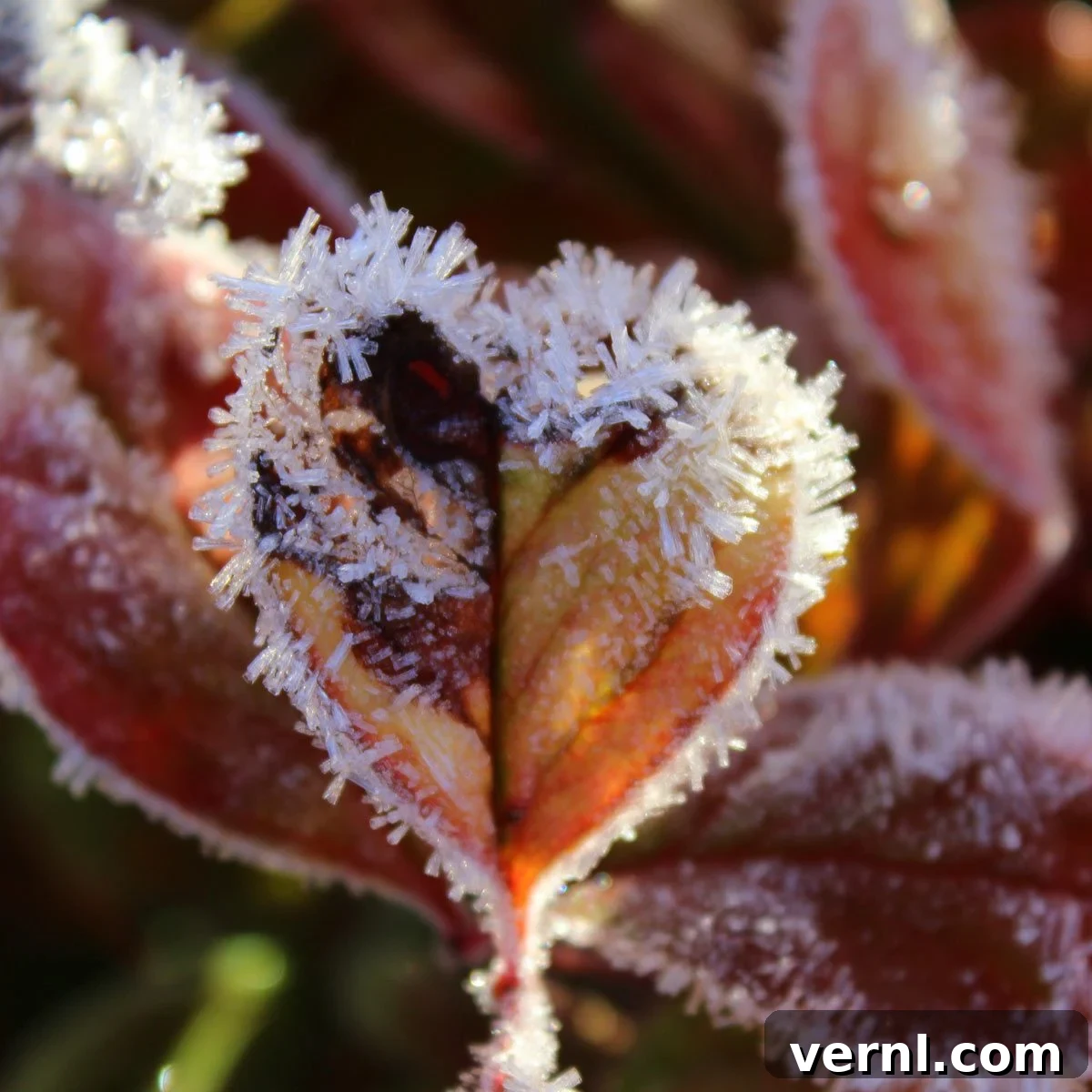
Frost occurs when the temperature of a surface drops below the freezing point of water (32 degrees Fahrenheit or 0 degrees Celsius), causing ice crystals to form. While a light frost might just nip at the edges of delicate leaves, more severe drops in temperature can inflict significant damage. When temperatures dip into the range of 32 to 24 degrees F, sensitive plant cells can rupture as the water within them freezes and expands. This damage often manifests as blackened, water-soaked foliage, but prolonged exposure can even harm the plant’s vascular system and roots, jeopardizing its long-term survival. Understanding the critical temperature thresholds for your specific plants is the first step in effective frost protection.
Why Frost-Tender Plants Are So Vulnerable
Many popular ornamental and edible plants, particularly those native to tropical or subtropical regions, have evolved without the need for cold hardiness. Their cellular structures are not equipped to handle the formation of ice crystals. The succulent leaves of many tropical plants, for example, are rich in water, making them highly susceptible to freezing damage. Once cells are damaged, the plant’s ability to transport water and nutrients is compromised, leading to wilting, discoloration, and ultimately, death if the damage is severe enough.
Effective Strategies for Protecting Plants From Frost
So, when the weather forecast warns of plummeting temperatures, what concrete steps can you take to protect your frost-tender plants? The most direct and effective method is to cover them during the coldest hours of the night. This seemingly simple act harnesses a fundamental principle of thermodynamics. During the day, the sun’s warmth is absorbed by the soil. As evening falls and temperatures drop, the soil gradually re-radiates this stored heat. A well-placed covering acts as a thermal blanket, trapping this precious warmth around the plant and creating a microclimate that can be several degrees warmer than the ambient air, thus safeguarding your plants from freezing temperatures.

Choosing the Right Cover: Materials and Techniques
The type of covering you use is crucial. It needs to be effective at insulating without suffocating the plant or causing more harm than good. Fortunately, you likely have many suitable materials around your home:
- Household Linens: One of the easiest and most accessible options is to repurpose old towels, sheets, and even blankets from your linen closet. These materials are breathable and provide excellent insulation. For larger plants, multiple sheets or blankets can be sewn together or simply draped over the plant and secured.
- Burlap: A classic garden staple, burlap is breathable, durable, and provides good protection. It can be wrapped around the plant or supported by stakes to create a protective tent.
- Specialized Frost Cloth (Row Covers): For more extensive protection or if you prefer a dedicated solution, frost cloth (also known as horticultural fleece or row covers) is an excellent investment. These lightweight, breathable fabrics allow light and water to penetrate while offering several degrees of frost protection. They come in various thicknesses, with thicker options providing greater insulation. You can find high-quality frost protection cloth on Amazon or at your local nursery.
When covering plants, ensure the material extends to the ground, trapping the soil’s warmth. Use stakes, chairs, or other supports to keep the covering from directly touching the foliage, especially for delicate plants, as contact points can still experience cold damage.
The Importance of Timing: When to Cover and Uncover
The timing of your covering efforts is just as important as the material itself. Always cover your plants in the late afternoon or early evening, before temperatures begin their significant descent. This allows the soil to absorb as much solar heat as possible throughout the day. Conversely, it is equally important to remove the coverings in the morning once temperatures rise above 32 degrees F and the threat of frost has passed. Removing the cover allows the soil to re-warm, provides plants with essential sunlight, and ensures adequate air circulation, preventing fungal issues. Consistent monitoring of local weather forecasts is essential for this critical task.
Beyond Covers: Advanced Tips for Winter Plant Care
While covering is a primary defense, several other practices can significantly bolster your plants’ resilience against cold. These methods often work in conjunction with coverings to provide comprehensive protection.
Hydration is Key: Watering Before a Freeze
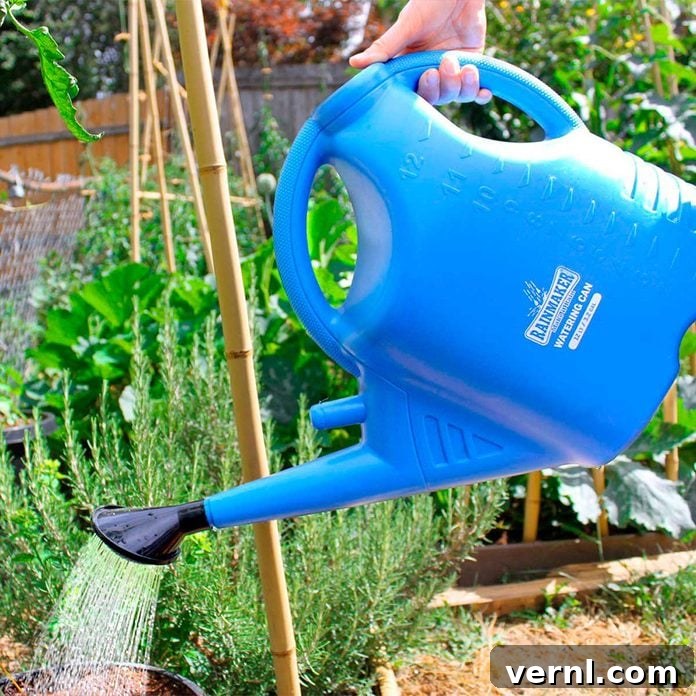
One of the most counterintuitive yet effective tips is to water your plants thoroughly before freezing temperatures are expected. Water has a high specific heat capacity, meaning it retains heat better than dry soil. Moist soil will absorb more solar energy during the day and release that heat slowly throughout the night, acting as a natural insulator for the roots. Furthermore, as water freezes, it releases latent heat, which can slightly warm the immediate environment around the plant. Ensure the soil is damp, not waterlogged, a day or two before the frost hits.
Adding Supplemental Heat: Creative Solutions
- Christmas Lights: Believe it or not, old-fashioned incandescent Christmas lights can provide a surprising amount of warmth. String them through the branches of your plants (avoiding LED lights, which produce very little heat). The subtle warmth generated by these bulbs can be just enough to keep frost at bay, especially when combined with a cover.
- Incandescent Bulbs: For more targeted warmth, a single 100-watt incandescent bulb placed strategically underneath a plant covering can offer significant extra protection. Position the bulb so it doesn’t touch the covering or any plant material to prevent scorching or fire hazards. Use a ceramic or metal lamp holder for safety.
Special Care for Specific Plant Types
- Succulents and Cacti: Many succulents, especially columnar cacti, are particularly susceptible to frost damage at their growing tips. The damage often appears as blackening or shriveling at the apex. A simple and effective solution is to place styrofoam cups over the tips of each column. These cups provide a small, insulated air pocket that protects the delicate growing points from direct frost.
- Fruit Trees: Protecting young fruit trees from late spring frosts is critical for a successful harvest. Beyond general covering, consider specific measures such as maintaining good tree health, appropriate pruning, and ensuring adequate hydration. For established trees, wrapping the trunk with burlap can help prevent sunscald in winter. For comprehensive guidance, explore these tips for protecting fruit trees from frost.
- Container Plants: The easiest solution for frost-tender plants in containers is to simply bring them indoors. Even a garage or a sheltered porch can offer enough protection. Once inside, they’ll need adjusted care, so use these tips for caring for houseplants through winter.
Mulching for Root Protection
While covers protect the foliage, mulching is vital for safeguarding the plant’s roots. A thick layer (2-4 inches) of organic mulch—such as straw, wood chips, or shredded leaves—around the base of plants acts as an insulating blanket for the soil. This helps maintain more consistent soil temperatures, preventing the ground from freezing solid and protecting shallow root systems from damaging temperature fluctuations.
What Not to Use: The Danger of Plastic Coverings
It’s crucial to understand that not all covering materials are created equal. One common material that DOES NOT offer frost protection when in direct contact with plant foliage is plastic. While plastic can trap heat, it also conducts cold very efficiently. Any areas where the plastic touches the plant will become extremely cold, and moisture can condense, leading to severe frost damage. In this scenario, the plastic does more harm than good, potentially causing localized freezing and cell rupture where it touches the leaves. If you must use plastic, always ensure it is supported by stakes or a frame, creating a tent-like structure that prevents any direct contact with the plant material. Even then, breathable fabrics are generally superior.
Preparing Your Garden for Winter: A Proactive Approach
Effective frost protection isn’t just about last-minute scrambling when the forecast turns grim; it’s also about proactive planning throughout the autumn season. By following essential fall garden care practices, you can significantly enhance your plants’ resilience and minimize the stress of winter. This includes clearing debris, ensuring proper drainage, and applying a fresh layer of mulch. A well-prepared garden is a more robust garden. It’s an excellent idea to follow these 20 tips on things to do in fall to prevent future garden catastrophes.
Final Thoughts: Stay Vigilant and Protect Your Investment
By diligently following these tips for protecting your frost-tender plants from cold damage, you are investing in the health and longevity of your garden. With a little effort and foresight, you will soon be enjoying their vibrant, colorful blooms once spring gloriously returns. Always keep a close eye on your local weather forecast, especially during transitional seasons. When temperatures are predicted to dip to 32 degrees F and below, ensure your plant coverings are ready and deployed. The effort you put in now will undoubtedly pay off with a spectacular display of resilient, healthy plants. This reminds us all that cold weather can strike unexpectedly, so be prepared to cover your beloved Lantana, Bougainvillea, or any other cherished frost-sensitive plants.
Furthermore, consider long-term solutions for your home. Learn how to install a frost-proof outdoor faucet to save yourself from bigger headaches and costly repairs caused by frozen pipes.