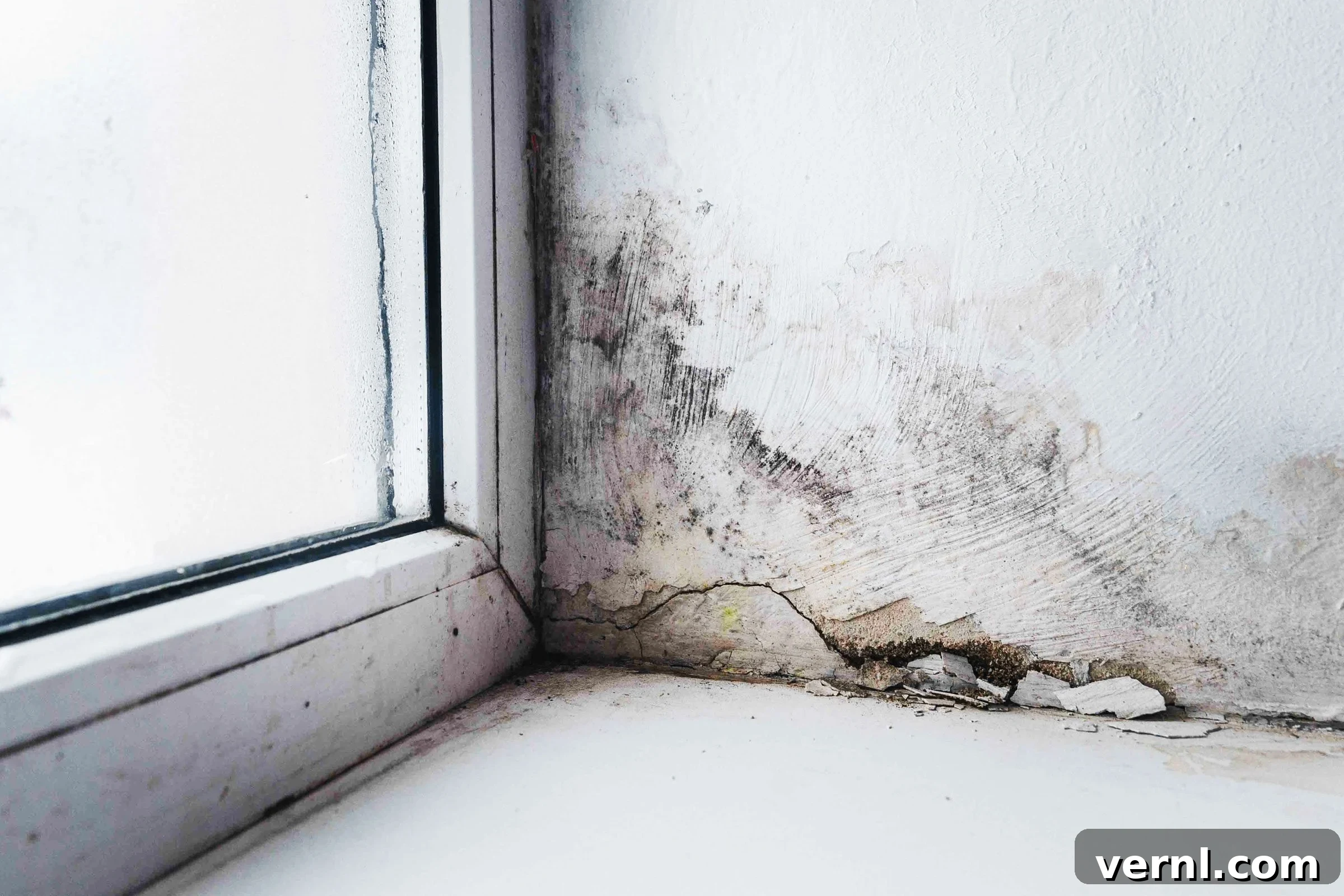
Did you know mold in your basement can extend its reach, subtly affecting the upstairs living areas of your home? It’s a surprising reality for many homeowners. Often lurking unseen, basement mold isn’t just a cosmetic issue; it’s a potential threat to your property and the health of your family.
So, should this be a major concern for you? And more importantly, what actionable steps can you take to effectively address and prevent mold in your basement? To answer these crucial questions, we consulted with Michael Rubino, a recognized authority in the field, author of The Mold Medic: an Expert’s Guide on Mold Removal, and the visionary founder of HomeCleanse. His insights provide a clear path to understanding and combating this pervasive household problem.
Should I Worry About Mold in the Basement? Absolutely.
The presence of molds in your home, particularly in areas like the basement, is unequivocally a cause for concern. These insidious organisms are not merely an aesthetic nuisance; they pose significant risks to both human health and the structural integrity of your property. Addressing mold quickly and comprehensively is paramount to safeguarding your home environment.
Mold colonies propagate by releasing microscopic spores into the air. These tiny particles, invisible to the naked eye, can be effortlessly carried throughout your entire house. They hitch rides on air currents, cling to pets, attach to people’s clothing and shoes, and settle on personal belongings. This widespread distribution mechanism means that a mold problem originating in your basement can very rapidly become a whole-house issue.
“If these spores land on a surface with a food and moisture source, they’ll also begin to grow in the new location,” explains Rubino. This explains why homes experiencing mold contamination often discover more than one affected area. Modern homes, designed for energy efficiency, typically feature tightly sealed envelopes with limited natural airflow between indoor and outdoor environments. While excellent for energy savings, this design unfortunate means that mold spores that find their way into your living areas tend to become trapped there, circulating and settling within your enclosed space.
For individuals sensitive to molds, the health repercussions from exposure can range from common ailments to more severe, chronic conditions. Rubino highlights a spectrum of potential health problems including persistent allergies, cold-like symptoms, debilitating migraines, chronic fatigue, various skin problems, and even the activation or exacerbation of autoimmune disorders. The severity of these reactions can vary greatly depending on the individual’s sensitivity, the type of mold, and the duration and intensity of exposure.
“Tackling mold in the basement quickly and correctly is key to ensuring that the entire home doesn’t become an increasingly toxic environment that can trigger a long list of adverse health reactions,” Rubino stresses. Proactive and proper remediation isn’t just about cleaning; it’s about protecting your home’s ecosystem and your family’s well-being.
Understanding Mold’s Impact on Property and Health
Beyond health concerns, mold causes significant property damage. It can deteriorate building materials like drywall, wood, insulation, and carpeting, leading to costly repairs. A persistent musty odor, often the first sign of hidden mold, can also devalue your property. Structurally, severe mold can compromise the integrity of wooden beams and floor joists, especially in basements where moisture is prevalent.
The health effects are diverse. Mycotoxins, toxic compounds produced by certain molds, can lead to neurological issues, respiratory problems, and immune system suppression. Even non-toxic molds can trigger allergic reactions like sneezing, watery eyes, skin rashes, and asthma attacks. Children, the elderly, and individuals with compromised immune systems are particularly vulnerable to these adverse effects.
Can a Damp Basement Affect Upstairs Living Areas? Yes, Absolutely.
The connection between a damp basement and the air quality in your upstairs living spaces is direct and significant. Even if you don’t immediately see visible mold growth, a basement that is consistently wet or damp creates an ideal breeding ground. As Rubino explains, any stray mold spore present in such an environment can quickly transition from a dormant particle into a thriving, living colony. Once established, these colonies will begin to release more spores, which can rapidly migrate throughout the rest of your home.
“Mold can grow in as little as 24 to 48 hours given a source of moisture,” Rubino emphasizes. This rapid growth rate means that even a minor leak or a temporary spike in humidity can initiate a mold problem. Furthermore, he adds, “Some species of mold can also grow in areas of high humidity,” even without direct standing water. This highlights why it’s critically important to address any moisture problems, whether visible leaks or elevated humidity levels, as soon as they are detected.
The principle behind mold prevention is simple: eliminate what mold needs to grow. “Removing the element needed for growth helps ensure that any spore entering a home will remain a non-living particle until it’s removed by things like air filtration and deep cleaning,” says Rubino. By controlling moisture, you’re not necessarily eliminating all mold spores (they are ubiquitous in the environment), but you are preventing them from activating and colonizing within your home.
Therefore, proactive moisture mitigation strategies are essential for preventing indoor mold growth. This includes promptly resolving any leaks, maintaining consistently low humidity levels (ideally between 35% and 50%), and ensuring adequate ventilation. Ignoring a damp basement is akin to extending an open invitation for mold to set up residence and eventually spread its influence throughout your entire home, compromising air quality and potentially affecting health.
The Stack Effect and Basement Air Quality
The “stack effect” further explains how basement dampness impacts upstairs areas. Warm air rises in a house, creating a slight negative pressure in lower levels, like the basement. This pressure differential draws air (and any airborne contaminants like mold spores) upwards from the basement into the main living spaces and ultimately out through the upper floors. This natural phenomenon acts as a chimney, effectively pulling basement air—and its associated mold spores and musty odors—into your breathable air.
Can Mold Travel From One Apartment to Another? Absolutely.
Living in an apartment presents unique challenges when it comes to mold, primarily because units are not isolated entities like standalone homes. “Since apartments are not standalone entities like single-building homes, there are opportunities for particles like mold spores to travel between the units,” explains Rubino. The microscopic nature of mold spores allows them to become airborne easily, getting “kicked up into the indoor air and ride that current to wherever it may lead — even the next apartment over.” This means a neighbor’s mold problem could potentially become your own, and vice-versa.
While you can’t control the actions or living conditions of your neighbors, you can implement robust preventative measures within your own unit to significantly reduce the chances of mold becoming a problem. Rubino offers several key strategies for apartment dwellers:
- HVAC Filter Maintenance and Upgrade: Regularly check with your building services manager about changing your HVAC filters. More importantly, consider upgrading to the highest Minimum Efficiency Reporting Value (MERV) rated filter that your system can accommodate. Higher MERV ratings (e.g., MERV 11-13) are more effective at capturing smaller particles, including mold spores, pollen, and pet dander, thereby improving your indoor air quality and reducing the spread of contaminants.
- Consistent and Thorough Cleaning: Implement a routine of deep cleaning your apartment often. Utilize a HEPA (High-Efficiency Particulate Air) vacuum cleaner, which is designed to trap microscopic particles that standard vacuums might re-release into the air. Complement this with botanical cleaning products, which are typically safer and effective at breaking down mold, and microfiber towels, which excel at trapping dust and particles. The goal is to remove as many particles as possible from surfaces and the air.
- Vigilant Moisture Reduction: This is perhaps the most critical step. Maintain indoor humidity levels between 35% and 50% using dehumidifiers if necessary. Promptly wipe up any spills or condensation. Ensure good airflow in moisture-prone areas like bathrooms and kitchens by using exhaust fans during and after showering or cooking. Always keep appliances like dishwashers and washing machines dry after use, paying attention to seals and gaskets.
- Invest in an Air Purifier: Consider purchasing a high-quality air purifier for your unit, especially one equipped with both HEPA filtration and an activated carbon filter. HEPA filters capture airborne mold spores, while activated carbon filters help to eliminate musty odors associated with mold.
- Professional Assessment and Testing: If you suspect a mold problem or want peace of mind, consider hiring a professional mold inspector. Alternatively, you can buy an at-home test kit like The Dust Test to get an indication of contaminant levels in your environment. These tests can help determine if there are elevated levels of mold spores or other airborne contaminants.
- Communicate with Building Management: If you discover mold or suspect a widespread issue, immediately check with your building manager. They may have a legal obligation to address mold problems, especially if they affect the habitability of the unit or are a result of building infrastructure issues. Document all communications and keep records.
By diligently following these steps, apartment residents can create a much healthier and safer living environment, significantly mitigating the risks posed by mold, whether it originates in their unit or a neighboring one.
Can Mold Spores Travel on Clothing? Yes, with Ease.
The pervasive nature of mold spores means they can travel in countless ways, and our clothing and footwear are surprisingly efficient carriers. As Rubino explains, mold spores are microscopic and airborne, making them incredibly adept at finding their way into the fibers of our clothes and sticking to our shoes as we move through different environments, especially damp or mold-prone areas like a basement. If we then proceed upstairs, these spores simply “hitch a ride” with us, depositing themselves into other areas of our home.
This portability extends even to our laundry routines. Rubino points out that mold spores can easily get into the washing machine during the laundry cycle. Once inside the moist, warm environment of a washing machine, combined with food sources such as dirt from clothes, residual detergent, and fabric softeners, these spores can rapidly colonize. Front-loading washing machines are particularly vulnerable to mold growth, often due to the rubber gasket around the door that can trap moisture and detergent residue, creating an ideal breeding ground for mold and mildew.
Preventing Mold Travel via Clothing and Laundry
To minimize the risk of mold spreading through your clothing and washing machine, consider these practices:
- Change Clothes After Basement Visits: If you’ve spent time in a damp basement or an area with suspected mold, it’s wise to change your clothes immediately and put them directly into the laundry, or even consider a separate hamper for such items.
- Clean Your Washing Machine Regularly: For mold in your washing machine, establish a routine cleaning schedule. This often involves running a hot water cycle with a cleaning agent like white vinegar or a specialized washing machine cleaner. Pay particular attention to the rubber gasket on front-loaders, wiping it down thoroughly after each use and leaving the door ajar to allow it to air dry.
- Use Proper Detergent and Avoid Overloading: Using the correct amount of high-efficiency detergent and avoiding overloading the machine can prevent residue buildup that feeds mold.
- Dry Clothes Promptly: Never leave wet clothes sitting in the washing machine. Transfer them to the dryer or hang them to dry immediately after the wash cycle completes.
- Air Dry the Machine: After each wash, leave the washing machine door slightly open to allow the interior to dry completely, discouraging mold and mildew growth.
By being mindful of how spores travel and implementing diligent cleaning practices, you can effectively prevent your clothing and laundry appliances from becoming conduits for mold contamination throughout your home.
Steps to Take to Get Rid of Mold in the Basement: A Comprehensive Remediation Guide
Addressing mold in your basement effectively requires a systematic approach, starting with prevention and moving through thorough remediation. Simply cleaning visible mold without addressing its root cause is a futile exercise; it will inevitably return.
1. Identify and Eliminate the Moisture Source
This is the absolute first and most critical step. Mold cannot thrive without moisture. As Michael Rubino emphasizes, if you remove mold yourself but fail to address the underlying moisture problem, mold will almost certainly return, rendering your efforts wasted. Identifying the source of moisture can sometimes be challenging, but common culprits include:
- Leaks: Look for drips from pipes, cracks in the foundation, or leaks around windows and doors. This also includes sealing holes in the attic or roof that might be allowing water into wall cavities.
- High Humidity: Basements are often naturally humid. Condensation on cold pipes or walls is a tell-tale sign. Use a hygrometer to monitor relative humidity, aiming for levels between 35% and 50%.
- Groundwater Intrusion: Poor exterior drainage, clogged gutters, or improper landscape grading can direct water towards your foundation.
- Flooding: Even minor flooding incidents can leave behind enough moisture for mold to flourish.
Once identified, take immediate action to stop the water intrusion. This might involve repairing plumbing, sealing foundation cracks, improving exterior drainage with proper grading and functional gutters, or installing a sump pump or interior drainage system if groundwater is a persistent issue.
2. Assess the Extent of the Mold Problem
Before beginning any removal, understand the scope. Mold colonies can grow into walls, ceilings, and enter voids between floors, allowing spores to reach hidden areas of your home. If the mold covers a large area (more than 10 square feet), if you suspect hidden mold behind walls, or if anyone in your household has significant health sensitivities, it’s highly recommended to consult a professional mold remediation specialist. They have the expertise and specialized equipment to safely and effectively handle large-scale contamination.
3. Prepare for Remediation: Safety and Containment
Even if you don’t see mold, spores may be released when you perform remediation. Therefore, safety and preventing further contamination are paramount:
- Personal Protective Equipment (PPE): Always wear proper PPE. This should include:
- N-95 Respirator or Higher: To prevent inhaling mold spores.
- Gloves: Disposable nitrile or rubber gloves to protect your hands.
- Eye Protection: Goggles or safety glasses to prevent spores from irritating your eyes.
- Disposable Clothing: Or old clothes that can be laundered separately in hot water immediately after remediation.
- Containment: If the mold-affected area is substantial, or if you’re concerned about spores spreading, consider isolating the work area. Use plastic sheeting and duct tape to seal off doorways and vents. If possible, create negative air pressure in the work area using a fan exhausted to the outside, which helps prevent spores from escaping into other parts of the home.
- Ventilation: Open windows and use fans to exhaust air from the work area to the outside, while ensuring these fans are not blowing into other parts of your home.
4. Mold Removal and Cleaning
The approach to removal depends on the surface:
- Non-Porous Surfaces (e.g., tile, metal, glass, hard plastics): These can often be cleaned thoroughly. Scrub the mold away with a stiff brush and a cleaning solution. A mixture of detergent and water is usually sufficient. For tougher stains, consider a mild bleach solution (1 cup bleach to 1 gallon of water), but only if the surface can withstand it and in a well-ventilated area. Always test a small, inconspicuous area first.
- Porous Surfaces (e.g., drywall, insulation, carpeting, wood, fabric): Mold penetrates deeply into these materials. In many cases, it’s impossible to completely remove mold from porous materials, and they should be bagged, sealed, and discarded. For wood surfaces, if the mold is superficial, careful sanding and cleaning might be effective, but deep penetration often necessitates replacement. Never paint over mold without thoroughly cleaning and drying the affected area first.
- Cleaning Solutions: While bleach can kill surface mold, it doesn’t effectively penetrate porous materials and can leave moisture behind, potentially exacerbating the problem. For porous materials, specialized mold removers or botanical cleaning solutions that kill mold and prevent future growth are often more effective.
- HEPA Vacuuming: After cleaning and before drying, use a HEPA vacuum to remove any remaining spores from the area. This is crucial for capturing tiny particles that traditional vacuums would simply recirculate.
5. Drying the Area Thoroughly
After all mold has been physically removed, it is absolutely essential to thoroughly dry the affected area. Use fans, dehumidifiers, and open windows (if outdoor humidity is low) to ensure everything is completely dry. This can take several days. Do not skip this step, as any lingering moisture will invite mold to return.
6. Prevent Recurrence and Ongoing Monitoring
Once the area is dry and cleaned, take steps to prevent future mold growth:
- Long-Term Moisture Management: Re-seal cracks annually, ensure gutters are clean, maintain proper landscape grading, and keep basement windows sealed.
- Humidity Control: Run a dehumidifier in your basement, especially during humid months.
- Ventilation: Ensure good air circulation in the basement.
- Regular Inspections: Periodically inspect your basement for any signs of dampness, leaks, or musty odors. Early detection is key to preventing widespread mold issues.
By following these comprehensive steps, homeowners can significantly improve their chances of successfully getting rid of basement mold and maintaining a healthy, dry environment throughout their entire home.