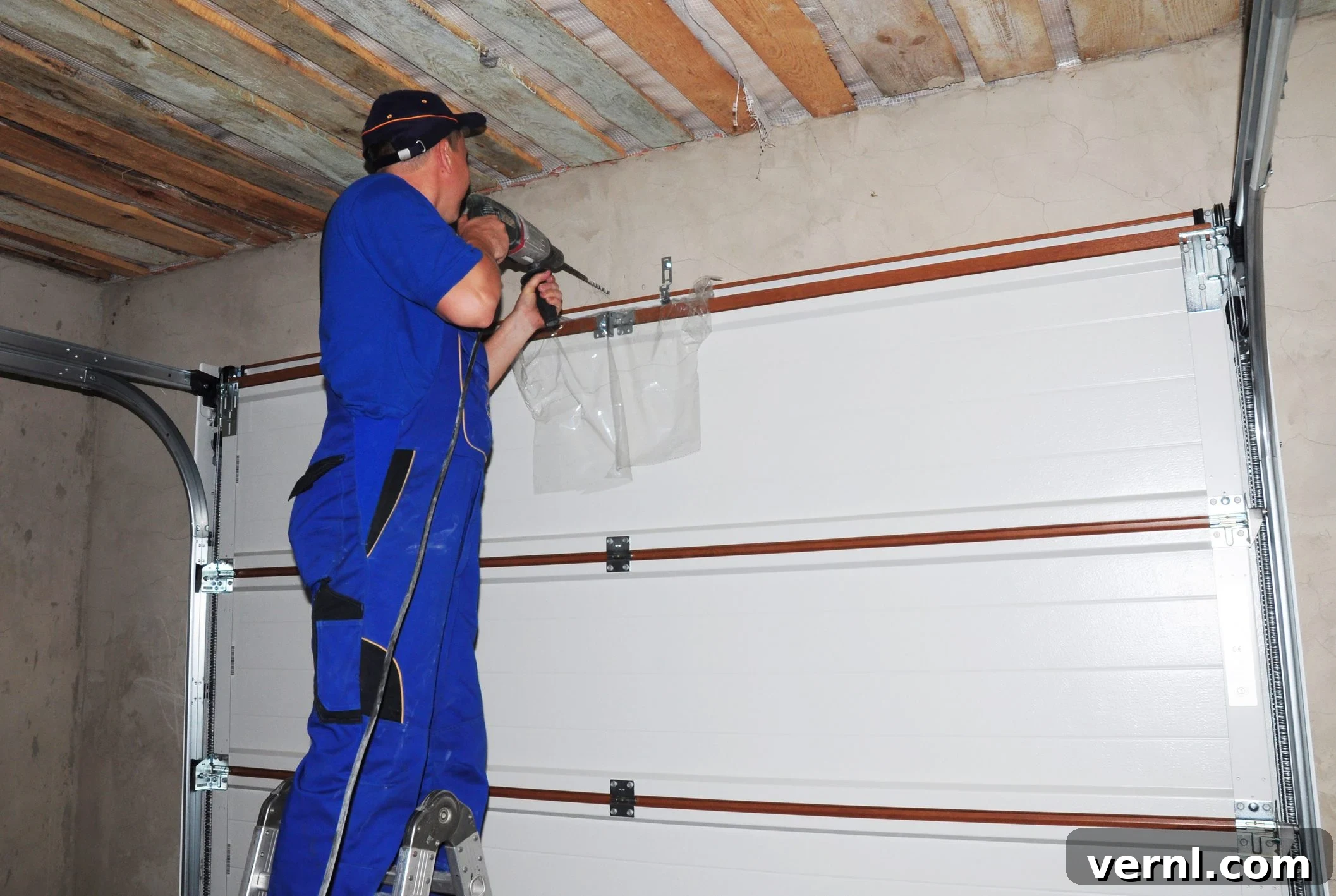
For many homeowners, the garage door is more than just an entry point; it’s a crucial component of their home’s security, curb appeal, and energy efficiency. Often serving as the main access to our living spaces, a well-functioning and visually appealing garage door contributes significantly to our daily convenience and peace of mind. Conversely, a door that constantly sticks, rattles, or looks worn can be a source of daily frustration, impacting everything from our morning commute to our evening return home. Investing in a high-quality, properly installed, and regularly maintained garage door can profoundly enhance your home’s functionality and your overall happiness.
If you’re contemplating a garage door upgrade or need a new installation, understanding the associated costs and key features is essential for making an informed decision. This comprehensive guide will walk you through what to expect in terms of expenses, critical factors influencing your choice, and expert advice to ensure a successful project.
Understanding Garage Door Installation Costs
The cost of installing a new garage door can vary significantly, typically ranging from $1,200 to $3,500. This wide spectrum is primarily influenced by several key factors, including the chosen material, the door’s design complexity, and its insulation properties. Basic, uninsulated doors without an electric opener generally represent the most budget-friendly options.
However, opting for an electric motor to automate your garage door can add approximately $800 to the total cost. Furthermore, integrating advanced technological features, such as smart-home connectivity that allows you to open or monitor your door via a smartphone app, or specialized designs like an inset man-door for pedestrian access, can further elevate the price. These enhancements, while adding convenience and modern functionality, represent additional investments that should be factored into your budget.
Key Factors Influencing Garage Door Installation Costs
Several variables contribute to the final price tag of a new garage door installation. Understanding these factors will empower you to make more informed decisions and budget effectively:
- Material Type: The choice of material profoundly impacts both cost and aesthetics.
- Steel doors are the most popular, offering durability and various insulation options. Thicker gauge steel or multiple layers will increase the cost.
- Wood doors provide a classic, natural aesthetic but require more maintenance and are generally more expensive due to material and craftsmanship.
- Aluminum doors are lightweight, resistant to rust, and offer a sleek, modern look, often at a mid-to-high price point.
- Fiberglass and composite doors mimic the look of wood without the maintenance, offering good durability and insulation properties, typically at a higher cost than steel.
- Insulation Type (R-value): An insulated garage door helps maintain temperature stability, which is especially important if your garage is attached to your home or used as a workspace. Higher R-values indicate better insulation and generally higher costs. Good insulation can lead to significant energy savings over time.
- Windows: Adding windows to your garage door can enhance curb appeal and allow natural light into the garage. The number, style, and type of glass (e.g., tempered, insulated, frosted) will influence the price.
- Design and Style: From traditional raised panel designs to modern full-view glass or carriage house styles, the complexity and customization of the door’s design will affect its cost. Custom designs, unique hardware, or specific finishes can add significantly to the expense.
- Size: Standard single-car (8-9 feet wide) and double-car (16-18 feet wide) doors are typically less expensive than custom-sized doors, which require special fabrication and may incur additional labor costs.
- Site Preparation: If your existing garage opening needs modifications, such as widening, reframing, or structural reinforcement, these preparatory tasks will add to the overall cost, potentially by a thousand dollars or more.
- Labor Costs: The complexity of the installation, the number of technicians required, and local labor rates will all influence the labor component of the total price. Professional installation ensures safety and proper functionality.
- Removal of Old Door: Disposing of your old garage door, especially if it contains hazardous materials like lead paint, will incur additional charges due to specialized handling and disposal protocols.
- Building Permits: Depending on your location and the scope of the project, a building permit may be required. Permit fees and the associated inspection costs must be factored into your budget.
“Technological features like smart-home connectivity and cameras also add to the expense,” says Jon Russell, Director of Systems at Precision Garage Door Service. “Also, the type of drive for the door opener, whether it’s a chain, screw, belt or wall mount, can affect the total price and performance characteristics like noise levels and speed.”
Can You Install a Garage Door Yourself? The DIY Dilemma
While the prospect of saving money might tempt some homeowners to attempt a DIY garage door installation, experts strongly advise against it unless you possess extensive experience and specialized tools. The job’s inherent complexity and the significant safety risks involved make professional installation the recommended course of action.
“There are a lot of factors involved, and if any one of the steps isn’t followed correctly, then the entire system won’t work at all, and worse, it could become a serious safety hazard,” warns Brandon Walker, superintendent at ASAP Restoration. The intricate nature of garage door mechanisms requires precision and expertise, making it ill-suited for the average homeowner.
Some of the particularly challenging and dangerous aspects of the installation process include:
- Leveling the Track System: Ensuring the tracks are perfectly level and aligned is crucial for smooth and safe operation. Even minor misalignments can lead to binding, premature wear, or derailment.
- Determining Proper Track Spacing: Correct spacing between the tracks and the door frame is vital for the door to move freely without friction or gaps.
- Tensioning the Counterbalance System: This is arguably the most dangerous part of the installation. Garage doors use powerful torsion or extension springs to counterbalance their heavy weight. Improperly tensioned springs can cause severe injury or even death if they snap during installation or later use.
- Aligning Panels: Each panel must be perfectly aligned with the others to ensure a seamless fit, proper sealing, and smooth movement as the door opens and closes.
- Attaching and Configuring the Motor System: The opener unit needs to be securely mounted, and its components, including the rail, trolley, and safety sensors, must be precisely installed and calibrated.
- Setting Up Safety Devices: Proper installation and testing of safety features, such as photo-eye sensors that prevent the door from closing on an obstruction, are mandatory to protect people and property.
Russell further emphasizes the risks associated with DIY installation due to the sheer weight and force involved. “Garage doors are incredibly heavy, often weighing more than 400 pounds, and require precise handling to avoid serious accidents,” he states. “It’s also highly dangerous when homeowners try to adjust or remove any parts, especially the tensioned springs, without the proper training and tools.”
Common DIY mistakes that professionals observe often include ordering incorrectly sized springs or components, which can lead to system failure, and using inappropriate tools, such as long screwdrivers or half-inch drive socket extensions, to manipulate highly tensioned springs. Such errors not only compromise safety but can also void warranties and necessitate costly professional repairs down the line.
How Long Does Garage Door Installation Take?
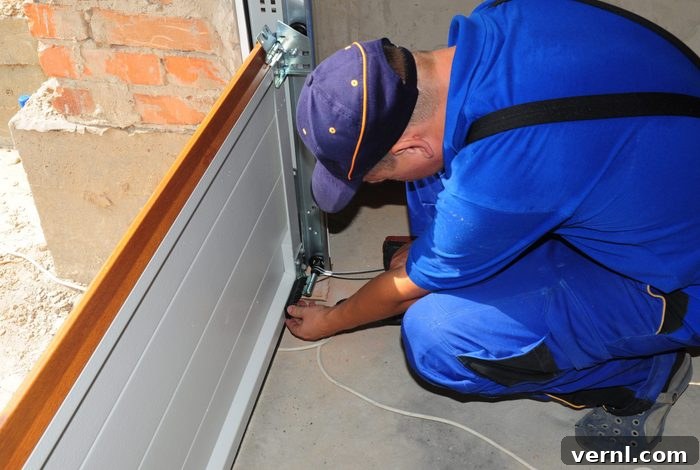
Under ideal conditions, where no unforeseen complications arise and no significant structural adjustments are required, a professional garage door installation can typically be completed in a few hours to a full day. The exact timeframe depends on several factors, including the door’s size, its complexity (e.g., intricate design, advanced features), and the number of amenities being installed (e.g., smart opener, additional lighting). However, if glitches occur, such as unexpected wiring issues, structural deficiencies in the existing frame, or difficulties in removing the old door, the installation time can extend considerably.
How to Choose the Right Garage Door for Your Home
Beyond the initial price, selecting the ideal garage door involves considering a blend of practical functionality, aesthetic appeal, and long-term value. Thoughtful consideration of these factors will ensure your new door perfectly complements your home and lifestyle.
Existing Infrastructure: The Foundation of Your Choice
Your home’s current architectural features and the existing garage opening will be the primary determinants in your garage door selection. “The available space for the door will be dictated by the opening already framed in, and the amount of track and paneling needed will be dictated by the height of the door opening and the available headroom,” explains Walker.
It’s crucial to accurately measure the width and height of your garage door opening, as well as the headroom (distance from the top of the opening to the ceiling) and backroom (distance from the opening to the back wall). These measurements will determine the types of doors and openers that can be installed. If you wish to alter the existing opening, perhaps to accommodate a larger door or to add wood framing, be prepared for a substantial increase in costs due to the necessary structural modifications and labor.
Aesthetics and Amenities: Enhancing Curb Appeal and Convenience
Once the practical constraints are understood, you can focus on the visual impact and functional enhancements that your new garage door can bring:
- Design and Style: Choose a door style that harmonizes with your home’s architecture. Options range from traditional raised panel doors, classic carriage house designs, contemporary full-view glass doors, or even Mediterranean and rustic styles. Consider colors, window inserts, and decorative hardware (hinges, handles) to customize the look.
- Insulation and Energy Efficiency: If your garage is attached to your home, an insulated door can significantly reduce heat transfer, leading to lower energy bills and a more comfortable interior. Look for doors with higher R-values, indicating superior insulating properties.
- Electric Motor and Smart Features: “Pick a garage door with an electric motor if at all possible,” recommends Walker. “This way, you won’t have to exit your vehicle every time you want to get into the garage to open its door, especially convenient during bad weather.” Modern openers offer advanced features like smartphone control, integrated cameras, battery backups for power outages, security rolling codes, and quiet belt-drive systems, all of which enhance convenience and safety.
- Security: A robust garage door with strong materials and a reliable locking mechanism is vital for home security. Smart openers with automatic locking features add an extra layer of protection.
- Durability and Warranty: Invest in a door made from high-quality materials that can withstand local weather conditions. Review the manufacturer’s warranty on both the door panels and hardware, as well as the opener, to understand coverage and expected lifespan.
The Importance of Regular Garage Door Maintenance
Once your beautiful new garage door is professionally installed, the journey doesn’t end there. To ensure its longevity, optimal performance, and continued safety, regular maintenance is absolutely crucial. According to Russell, “It usually costs about $90 annually for a professional inspection and tune-up, and this small investment helps your door stay in top condition over the years, preventing costly repairs and extending its lifespan.”
Routine maintenance typically includes lubricating moving parts, checking the tension of springs and cables, tightening loose hardware, inspecting weather stripping for wear, and testing safety features like the auto-reverse mechanism. Neglecting these simple steps can lead to increased wear and tear, noisy operation, compromised safety, and ultimately, expensive emergency repairs. A well-maintained garage door is not only a functional asset but also a testament to responsible homeownership, safeguarding your investment for years to come.
About the Experts
Brandon Walker is a superintendent at ASAP Restoration in Tempe, Arizona. With over 20 years of experience in the painting and construction industry, Brandon began his career as a teenager and advanced to operating his own successful company. His impressive portfolio includes commercial projects for notable establishments such as Planet Hollywood and Elizabeth Arden’s Red Door Spa.
Jon Russell serves as the Director of Systems at Precision Garage Door Service, a respected Neighborly company. Jon has cultivated extensive knowledge in installation and management within the garage door industry through various key roles at the company. His previous positions include Vice President of Operations and a corporate trainer, where he was responsible for overseeing operations across numerous states, solidifying his expertise and leadership in the field.