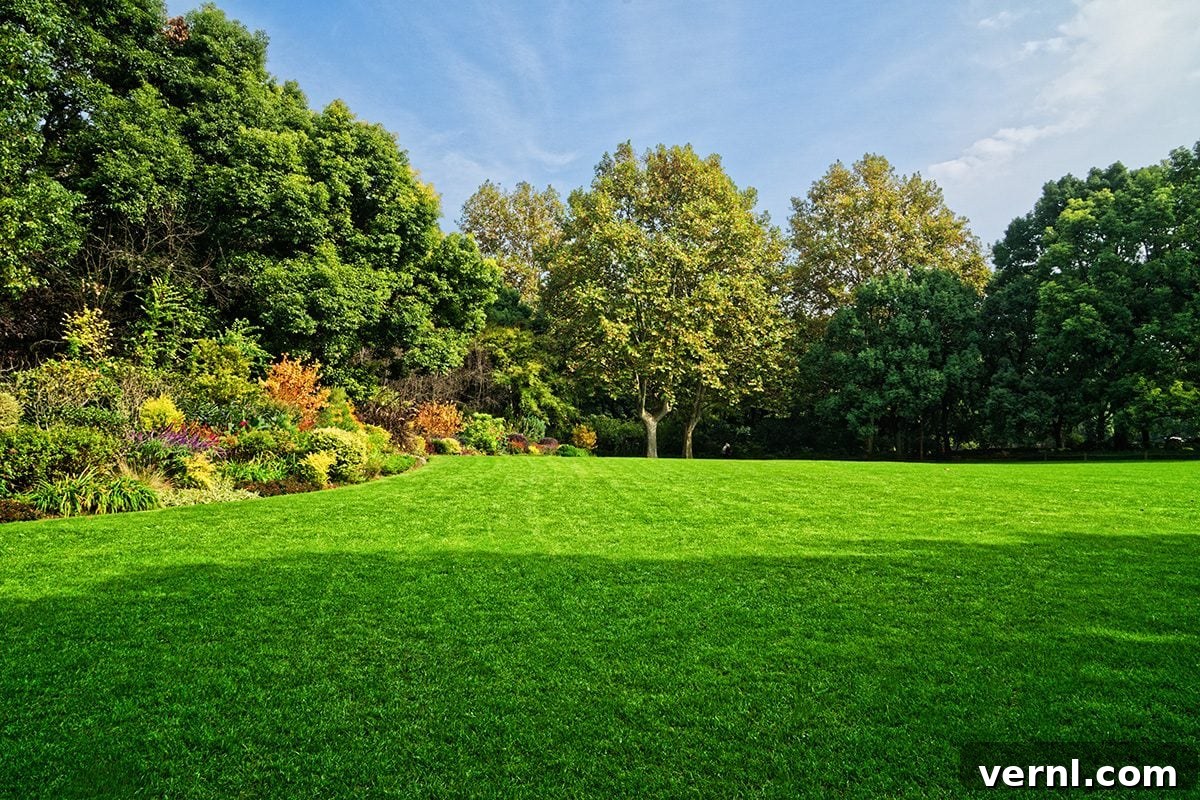
Mastering Your Green Oasis: The Ultimate Beginner’s Guide to Lawn Care
Embarking on the journey of homeownership or taking responsibility for your lawn for the first time is an exciting milestone. That pristine stretch of green grass promises endless outdoor enjoyment and boosts your home’s curb appeal. However, for many, the initial enthusiasm can quickly give way to a sense of overwhelm. The world of lawn care, with its specialized tools, mysterious terminology, and seasonal demands, can feel like a foreign language. This was certainly my experience when I first became a homeowner, staring at a patch of grass with no knowledge and not a single lawn tool to my name. It felt daunting, but with each passing season, I learned, adapted, and gradually built my confidence along with my collection of essential gardening gear.
If you find yourself in a similar position, feeling a bit lost in the vast landscape of lawn maintenance, take heart. It’s perfectly normal to start without all the answers. This comprehensive guide is specifically designed for you—the first-time lawn owner or novice enthusiast. We’ll demystify the process, break down complex tasks into simple steps, and equip you with the knowledge to cultivate a healthy, vibrant lawn. We’ve also gathered invaluable insights and expert advice from leading professionals in the field: Joe Churchill, Senior Turf Specialist at Reinders; Matt Cameron, owner of CMS Landscaping; and Tylor Harrington, owner and operator of Berkshire Turfgrass Specialists. Get ready to transform your lawn into the envy of the neighborhood!
Essential Tools and Materials for Every Lawn Care Beginner
Before you dive into the nitty-gritty of seasonal tasks, assembling a basic arsenal of lawn care tools is crucial. Think of these as your foundational investments for maintaining a beautiful and healthy yard. Choosing the right tools from the start can save you time, effort, and frustration in the long run.
- Lawn Mower: The Heart of Lawn Maintenance
Your lawn mower is arguably the most important tool you’ll own. For smaller urban or suburban lawns, a push mower (manual reel, electric, or battery-powered) offers excellent maneuverability and can be a good eco-friendly choice. For larger properties, a self-propelled walk-behind mower significantly reduces physical effort. If your lawn spans an acre or more, investing in a ride-on tractor or zero-turn mower will save countless hours. Consider the size of your lawn, your budget, and personal preference when making this crucial decision. - String Trimmer (Weed Whacker): For Precision Edging
A string trimmer is indispensable for achieving clean, professional-looking edges around flower beds, walkways, fences, and trees—areas your mower can’t reach. Like mowers, they come in electric (corded), battery-powered, and gas-powered options. Battery-powered models offer cordless convenience, while gas models provide maximum power for larger, tougher jobs. - Rake: Your All-Purpose Cleanup Companion
A sturdy garden rake is essential for clearing leaves, fallen branches, and other debris that can smother your grass and harbor pests or diseases. For heavy leaf fall in autumn, a leaf blower can be a worthwhile splurge, significantly speeding up cleanup and making the task less strenuous. - Lawn Spreader: The Key to Even Application
A lawn spreader is a vital tool for evenly distributing fertilizers, herbicides, and grass seed across your lawn. An even application prevents streaks, burns, and patchy growth. There are broadcast (rotary) spreaders for larger areas and drop spreaders for more precise applications or smaller lawns. This tool will be used frequently throughout the growing season. - High-Quality Hose: The Lifeline of Your Landscape
An often-overlooked but utterly indispensable tool, a durable, high-quality garden hose will serve a myriad of uses, from watering plants and cleaning tools to diluting pet urine spots. While it might seem like a minor expense, investing in a hose that resists kinks and lasts for years is always worth the extra cost. - Sprinkler: Efficient Hydration System
Proper watering is fundamental to a healthy lawn. Invest in one or more sprinklers, depending on the size and shape of your lawn, to ensure uniform coverage. As Joe Churchill, Senior Turf Specialist, advises, “I can’t say one sprinkler type is better than others, but make sure to match the sprinkler to your lawn’s size and shape.” Oscillating, pulsating, and stationary sprinklers all have their benefits; choose one that best fits your specific lawn’s dimensions and water pressure. - Aerator: Promoting Root Health
Aeration is a critical practice for breaking up compacted soil, allowing air, water, and nutrients to penetrate deeper to the grassroots. While you might only use it once or twice a season, it’s highly beneficial. Consider renting a core aerator from your local hardware store or garden center, as purchasing one can be a significant investment for a beginner. - Protective Gear: Safety First
Never underestimate the importance of personal protective equipment. Always wear sturdy gloves to protect your hands from blisters and chemicals. Hearing protection (earmuffs or earplugs) is essential when operating noisy machinery like mowers and trimmers. Protective eyewear or safety glasses are a must to shield your eyes from flying debris and dust.
Understanding Your Lawn: The Foundation of Effective Care
Before you begin any specific lawn care tasks, it’s helpful to understand a few basics about your lawn itself. Knowing your grass type and soil conditions will significantly influence your maintenance schedule and product choices. Most lawns in North America fall into two broad categories: cool-season grasses (like Kentucky bluegrass, fescue, and ryegrass) that thrive in cooler temperatures of spring and fall, and warm-season grasses (such as Bermuda, Zoysia, and St. Augustine) that prefer hot summer climates. Your local climate dictates which type of grass will perform best in your region, influencing when you fertilize, seed, and even how often you mow.
Seasonal Lawn Care Calendar: A Year-Round Guide
Effective lawn care is a seasonal endeavor. Understanding what to do and when to do it is key to maintaining a vibrant, healthy lawn throughout the year. Here’s a breakdown of essential tasks by season:
Spring: Awakening Your Lawn from Winter Slumber
As the temperatures rise and the last vestiges of winter fade, your lawn begins its annual resurgence. Spring is a critical time for preparing your grass for the warmer months ahead and encouraging robust growth.
- Spring Cleanup: Begin by thoroughly raking and removing any lingering leaves, fallen branches, and winter debris that might have accumulated. This prevents smothering your grass, which can lead to disease or patchy growth, and allows for better air circulation and sunlight penetration.
- Pre-Emergent Herbicide Application: This is a crucial step to prevent pesky weeds like crabgrass from germinating. Apply a pre-emergent herbicide when soil temperatures consistently reach 50-55°F, typically in mid-spring, before weed seeds have a chance to sprout.
- Fertilization for Growth: Apply a balanced lawn fertilizer to provide essential nutrients for strong root development and lush green growth. The specific formulation will depend on your grass type and soil needs.
- Addressing Thin or Bare Spots (Spring Seeding): While fall is generally considered the optimal time for seeding, you can overseed thin or bare spots in the spring. However, as Joe Churchill points out, “if you’re seeding in the spring, seed will always emerge slower,” meaning it will require more consistent attention and watering due to fluctuating spring temperatures and potential competition from existing grass and weeds. Be prepared to water diligently.
- First Mow: Once your grass reaches a suitable height (around 3-4 inches), perform your first mow of the season, setting your mower blades higher to avoid stressing the new growth.
Summer: Maintaining the Green in the Heat
Summer brings warmer temperatures and increased stress on your lawn. The focus during these months shifts to maintaining hydration, managing weeds, and protecting your grass from heat and drought stress.
- Consistent Watering: This is paramount during the summer. Aim for deep, infrequent watering to encourage strong root growth. We’ll delve deeper into watering techniques shortly.
- Regular Mowing: Continue mowing regularly, but be mindful of raising your mower’s cutting height to help the grass shade its roots and retain moisture. Never cut more than one-third of the blade at a time.
- Ongoing Weed Management: Continue to monitor for and treat any emerging weeds. Spot-treat broadleaf weeds as they appear.
- Pest Vigilance: Keep an eye out for signs of common summer lawn pests like grubs, chinch bugs, or sod webworms, and address them promptly if detected.
- Fertilization (for Warm-Season Grasses): If you have warm-season grass, late spring or early summer is often an ideal time for another fertilizer application to support its peak growth period.
Fall: Preparing for Winter and Strengthening Roots
Fall is arguably the most important season for lawn care, as the work you do now will greatly influence the health and vigor of your lawn in the following spring. Cooler temperatures and increased moisture provide ideal conditions for recovery and strengthening.
- Leaf Removal: Promptly rake and remove fallen leaves. A thick layer of leaves can smother the grass, block sunlight, and create a moist environment perfect for fungal diseases.
- Aeration: Fall is the optimal time to aerate your entire lawn. As Matt Cameron, owner of CMS Landscaping, emphasizes, aeration is “one of the most important lawn care practices.” It relieves soil compaction, allowing essential nutrients, water, and oxygen to reach the grass roots more effectively. You can rent a core aerator for this task.
- Overseeding: If your lawn is looking thin or you want to improve its density, fall is the best time for overseeding. The cooler temperatures, consistent moisture, and reduced weed competition create perfect conditions for new grass seed germination and establishment.
- Winterizer Fertilizer: Apply a “winterizer” fertilizer, which is typically higher in potassium, to help your grass build reserves and enhance its cold tolerance for the dormant winter months.
- Final Mow: Lower your mower blade slightly for the final mow of the season, ensuring the grass is shorter (but not scalped) before winter. This helps prevent fungal issues like snow mold.
Winter: Rest and Planning
During winter, especially in cooler climates, your lawn will enter a dormant state, requiring minimal active care. This is a good time to perform equipment maintenance and plan for the next growing season.
- Equipment Winterization: Clean and store your lawn mower, string trimmer, and other tools properly. Sharpen blades, drain fuel, and perform any necessary maintenance.
- Planning for Spring: Consider performing a soil test to understand your lawn’s nutrient needs and pH levels, allowing you to tailor your spring fertilization program. Research any new grass varieties or lawn care techniques you might want to try.
Deep Dive into Essential Lawn Care Practices
Seeding: Cultivating New Life for a Thicker Lawn
Whether you’re establishing a new lawn or thickening an existing one, proper seeding techniques are crucial for success. The right timing, seed choice, and aftercare make all the difference.
Spread grass seed either in the spring or, ideally, in the fall, avoiding the harsh summer months when extreme heat and drought stress new seedlings. Always select grass seed appropriate for your specific climate and local conditions. Consider factors like sun exposure (full sun, partial shade), typical rainfall, and desired grass appearance.
- Soil Preparation: Before spreading, rake the area thoroughly to loosen the top inch or two of soil. This provides a good seed-to-soil contact, which is essential for germination. Clear any rocks, debris, or old dead grass.
- Even Distribution: Use a lawn spreader to ensure the seed is distributed evenly. Uneven application can lead to patchy growth. If using a broadcast spreader, make several passes in different directions.
- Gentle Raking: After spreading, gently rake the seeds into the top quarter-inch of soil. Avoid burying them too deeply, as grass seeds need light to germinate. You can also lightly roll the area with a lawn roller to ensure good seed-to-soil contact.
- Consistent Watering: This is the most critical step after seeding. For the first few weeks, the seeded area needs to be kept consistently moist but never soggy. Water lightly multiple times a day (2-4 times) to prevent the delicate seeds from drying out. As the seedlings emerge and grow, gradually reduce the frequency of watering while increasing the duration, encouraging roots to grow deeper.
Mowing: The Art of a Pristine Cut
Mowing isn’t just about making your lawn look neat; it’s a fundamental practice that significantly impacts your grass’s health, density, and resilience against weeds and disease. Proper mowing techniques are paramount.
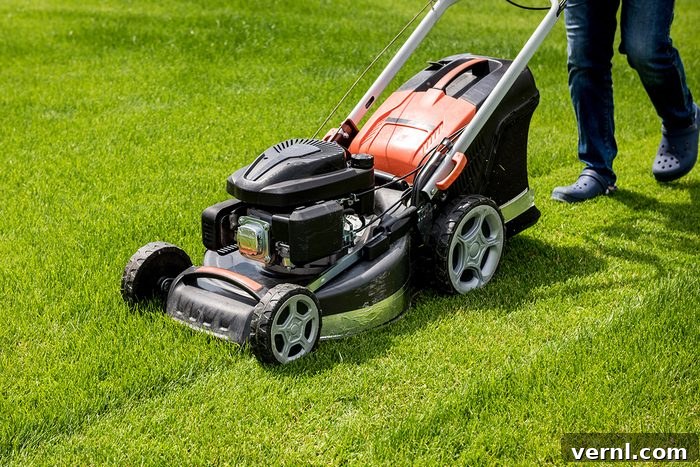
One of the most important mowing tips is to keep your mower blades sharp. Dull blades tear the grass blades rather than cleanly cutting them, leading to frayed tips that turn brown, stress the grass, and make it more susceptible to disease. Aim to sharpen your mower blades once or twice per season, or more frequently if you have a large lawn or encounter debris often.
The cutting height of your mower is equally crucial. For cool-season grasses, maintain a height of 3 to 4 inches. This taller cut allows the grass blades to photosynthesize more effectively, promotes deeper root growth, and helps shade the soil, reducing weed germination and moisture evaporation. For warm-season grasses, a slightly shorter height of 2 to 3 inches is typically appropriate, though this can vary by specific grass type.
Alternatively, Matt Cameron advises following his “1/3 rule,” which means you should only cut off a maximum of one-third of the grass blade’s total height each time you mow. For example, if your grass is 4.5 inches tall, don’t cut it shorter than 3 inches. This practice minimizes stress on the grass, which can suffer from “scalping” if too much is removed at once. He also strongly recommends mulching clippings back into the lawn instead of bagging them. Grass clippings are rich in nitrogen and other micronutrients, returning valuable organic matter to the soil as they decompose. This natural fertilization helps improve soil health and reduces the need for synthetic fertilizers. Only bag clippings if the grass is excessively long or diseased to prevent spreading problems.
Watering: Hydration for a Vibrant, Resilient Lawn
Proper watering is perhaps the most misunderstood aspect of lawn care. It’s not just about how much water you apply, but how and when you apply it. Effective watering encourages deep root growth, making your lawn more drought-resistant and less susceptible to disease.
Aim to water your lawn approximately twice a week, providing a deep soaking rather than frequent, shallow sprinkles. Deep watering encourages roots to grow further down into the soil, seeking moisture, which makes the grass more resilient. Shallow watering, on the other hand, promotes weak, surface-level roots.
The best time to water is in the morning, ideally before 10 AM. As Joe Churchill explains, “Try to stay away from watering during the midday when ambient temps are hot, and it may be windy.” Watering in the morning allows the grass blades to dry completely before evening, significantly reducing the risk of fungal diseases that thrive in prolonged moisture. Midday watering is inefficient due to high evaporation rates, and evening watering keeps the grass wet overnight, creating a breeding ground for pathogens.
A good rule of thumb is to provide your lawn with 1 to 1.5 inches of water per week, either from rainfall or irrigation. However, this amount isn’t fixed and should be adjusted based on several factors. Churchill elaborates, “There are many factors that determine if and when your lawn needs water,” including current daytime temperatures, specific lawngrass types (some are more drought-tolerant), recent rainfall amounts, and soil type (sandy soils drain faster and may need more frequent, lighter watering than clay soils). You can measure the amount of water your sprinkler delivers by placing a rain gauge or a few tuna cans in the watering zone and checking the depth after a set period.
Fertilizer: Nourishing Your Lawn for Peak Performance
Fertilizer provides essential nutrients that grass needs to grow strong, healthy, and green. Understanding your lawn’s specific needs and applying the right type and amount of fertilizer at the correct time is crucial.
First, identify the right fertilizer for your lawn type and soil conditions. Fertilizers are labeled with three numbers (N-P-K), representing the percentage of Nitrogen (for leaf growth), Phosphorus (for root development), and Potassium (for overall plant health and stress resistance). A soil test can help you determine what nutrients your soil lacks. Granular fertilizers are common for slow-release feeding, while liquid options provide quick uptake.
Use a lawn spreader to ensure even distribution across your lawn. Uneven application can lead to “hot spots” of too much fertilizer, resulting in burn marks, or areas with insufficient nutrients, leading to patchy growth. Always calibrate your spreader according to the manufacturer’s instructions and the fertilizer bag’s recommendations.
The timing of fertilization depends on your grass type and climate. In cooler climates with cool-season grasses, the best times to fertilize are in the spring (for recovery and growth) and again in the fall (for root development and winter hardiness). In warmer climates with warm-season grasses, fertilization is typically done in the late spring or summer when the grass is actively growing.
Critical Warning: Always read the directions on the fertilizer packaging and follow them meticulously. Over-fertilizing is a common mistake that can be detrimental to your lawn. Applying too much can “burn” the grass, leading to yellow or brown spots, or even kill your entire lawn. To prevent this, time your fertilizer application right before a light rain, or water your lawn thoroughly immediately after spreading the fertilizer. This helps to wash the granules off the grass blades and into the soil, where they can be absorbed by the roots without causing damage.
Weed and Pest Management: Keeping Unwanted Guests at Bay
A healthy, vibrant lawn is naturally more resistant to weeds and pests. Integrated weed and pest management combines cultural practices with targeted treatments to maintain a beautiful, pest-free yard.
Weed Control:
Regular weed management promotes a healthier lawn and helps keep unwanted vegetation under control. As Tylor Harrington, owner of Berkshire Turfgrass Specialists, wisely notes, “A strong stand of turf will compete with weeds,” effectively preventing weed germination by outcompeting them for resources like sunlight, water, and nutrients.
- Crabgrass: This tenacious annual weed, known for its sprawling growth, typically appears in late spring or early summer when soil temperatures warm up. The most effective method for prevention is applying a pre-emergent herbicide in mid-spring, before crabgrass seeds germinate. Timing is crucial for success.
- Broadleaf Weeds: Common culprits like dandelions, clover, chickweed, and plantain are best treated with a post-emergent herbicide in the spring when they are actively growing and most susceptible. Spot treatments are ideal for isolated weeds, minimizing chemical use. For widespread issues, a broadleaf weed killer applied to the entire lawn may be necessary.
- Grassy Weeds: Beyond crabgrass, other grassy weeds like nutsedge can be particularly challenging. Many require targeted herbicides specific to their type. Manual removal, especially when the soil is moist, can be effective for isolated patches, but ensure you remove the entire root system to prevent regrowth.
Pest Management:
Lawn pests can cause significant damage, leading to brown patches, thinning grass, and even dead areas. Early detection and identification are key to effective treatment.
- Grubs: These C-shaped larvae of beetles (like Japanese beetles and chafers) feed on grass roots, causing widespread damage that often manifests as irregular brown patches, especially in late summer or early fall. You might notice animals like raccoons or birds digging up your lawn to feed on them. Grubs can be treated with granular grub killer products, often applied in late summer or early fall when grubs are small and actively feeding.
- Chinch Bugs: These tiny insects suck juices from grass blades, especially in hot, dry conditions, leading to irregular yellow or brown patches that resemble drought stress. They are often found in sunny areas. Insecticides formulated for chinch bugs can be applied to affected areas.
- Sod Webworms: These are moth larvae that feed on grass blades, often causing ragged brown patches. You might see small, white moths flying low over your lawn at dusk. Specific insecticides can control webworm populations.
Always identify the pest correctly before applying any treatment, and follow product instructions carefully. Consider using integrated pest management (IPM) practices, which prioritize cultural methods (like proper watering and mowing) and biological controls before resorting to chemical solutions.
Addressing Brown Patches: Diagnosing and Curing Lawn Ailments
Brown grass is a common and frustrating problem for many homeowners. While “brown” generally indicates dead or severely stressed grass, identifying the underlying cause is the crucial first step to effectively fixing it and preventing recurrence.
- Pet Urine Spots: Dog urine is high in nitrogen and salts, which can “burn” grass, creating distinct dark green rings with brown, dead centers. To prevent these unsightly patches, dilute urine spots immediately with plenty of hose water. Training pets to use a designated area or providing them with ample water to drink can also help.
- Improper Watering: Both under-watering and over-watering can lead to brown patches. In dry weather, insufficient water will cause grass to turn dormant and brown. The solution is deep, infrequent watering. Conversely, over-watering can lead to shallow roots and create conditions favorable for fungal diseases. Check your soil moisture regularly to ensure it’s not waterlogged or bone dry.
- Fungal Issues: Various lawn diseases, often exacerbated by overwatering, excessive humidity, or improper fertilization, can cause brown patches. Common culprits include Brown Patch (large, circular patches, often with a darker ring on the outer edge) and Dollar Spot (small, silver-dollar-sized brown spots). These issues often require treatment with a fungicide, combined with adjusting cultural practices like watering timing and frequency to improve air circulation.
- Pests (Grubs and Others): As mentioned, grubs feeding on grass roots are a prime suspect for irregular brown patches, especially if the turf lifts easily like a rug. Other pests like chinch bugs or sod webworms can also cause browning. Inspect your lawn closely for signs of insect activity or larvae. Once identified, treat with an appropriate grub killer or insecticide.
- Lawn Clippings and Thatch Buildup: “Excess clippings and debris can create problems like thatch buildup or dead spotting,” warns Matt Cameron. Thatch is a layer of organic material between the soil surface and the grass blades. A thick thatch layer prevents water, air, and nutrients from reaching the roots and can harbor pests and diseases. To prevent this, always mow dry grass and, if clippings are excessively long or wet, consider bagging them instead of mulching. Regular dethatching (often done in conjunction with aeration) can also help manage thatch buildup.
Once the cause of brown patches has been identified and remedied, rake out the dead grass to remove debris and prepare the soil. The optimal time to reseed these areas is typically in the fall, allowing new grass to establish strong roots before the following summer’s stresses.
Meet Our Expert Contributors
Our comprehensive lawn care guide is enriched by the practical experience and deep knowledge of three distinguished turfgrass professionals. Their insights offer invaluable perspectives for new and experienced lawn enthusiasts alike:
- Joe Churchill is a highly respected Senior Turf Specialist for Reinders, a leading distributor of professional lawn care products across the Midwest. With over 25 years of experience in the turfgrass industry and a certification in Turf Management, Joe provides expert guidance on everything from product selection to complex turf issues, ensuring optimal health for residential and commercial landscapes.
- Tylor Harrington is the dedicated owner and operator of Berkshire Turfgrass Specialists. Tylor’s foundation in turf management stems from his degree from the University of Massachusetts Stockbridge School of Agriculture. Prior to establishing his own successful business, he honed his skills maintaining grounds for professional sports venues, particularly baseball fields. His meticulous approach and deep understanding of turf health are now applied to residential and commercial properties in Dalton, Massachusetts, and surrounding areas.
- Matt Cameron leads CMS Landscaping, a comprehensive lawn care and irrigation company based in Holyoke, Massachusetts. With 15 years of extensive landscaping experience, Matt and his team offer a full suite of services, from routine maintenance to intricate irrigation system design and installation. His practical expertise ensures clients receive top-tier care tailored to their unique landscape needs.