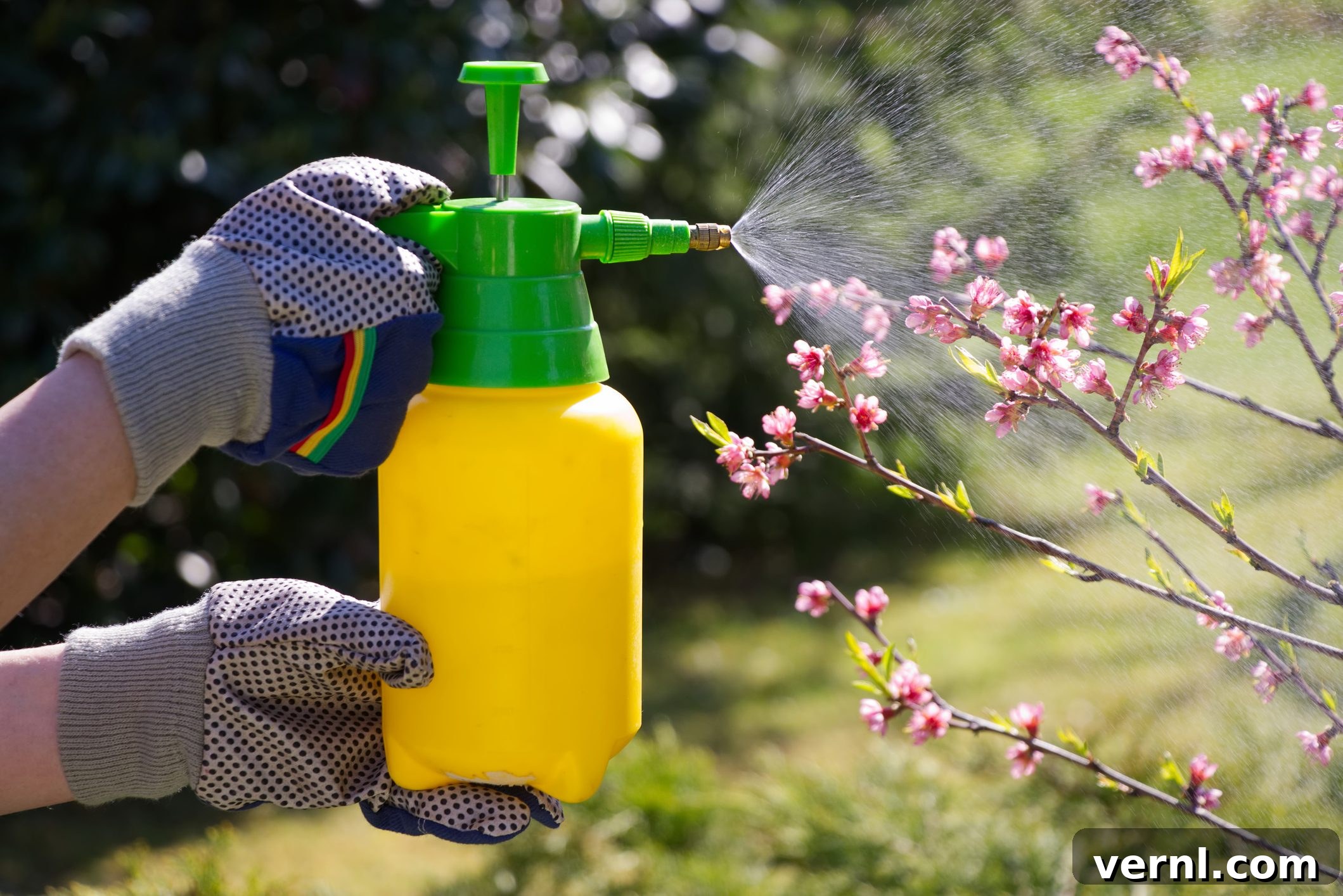
The Ultimate Guide to Homemade Insecticidal Soap: Eco-Friendly Pest Control for Your Garden
Every plant enthusiast and gardener understands the frustration of discovering unwanted pests munching away at their precious foliage. While a myriad of commercial pesticides exist, many come with concerns about their impact on the environment, beneficial insects, pets, and even human health. Fortunately, there’s a simple, cost-effective, and remarkably eco-friendly solution that every gardener should have in their arsenal: homemade insecticidal soap.
This natural pest control method isn’t just effective; it’s also incredibly easy to prepare and use, offering a safer alternative to harsh chemicals. Unlike many synthetic pesticides that can linger in the environment, insecticidal soap is biodegradable and works on contact, breaking down quickly without leaving harmful residues. Whether you’re battling an indoor infestation or protecting your outdoor garden, this guide will walk you through everything you need to know about creating and applying your own powerful, plant-safe insecticidal soap.
What Is Insecticidal Soap and How Does It Work?
At its core, insecticidal soap is a special type of soap made from the fatty acids of plants. While it might sound similar to the dish soap you use in your kitchen, true insecticidal soaps are formulated specifically for pest control and plant safety. However, certain common household dish soaps can also be effectively utilized in DIY recipes, provided they are free from harsh additives. The magic of insecticidal soap lies in its unique mode of action.
When sprayed directly onto soft-bodied insects, the fatty acids in the soap disrupt their delicate cell membranes. This leads to a breakdown of the insect’s protective outer layer, causing dehydration and suffocation. Essentially, it works by physically damaging the pests rather than poisoning them chemically. This physical mode of action is key to its eco-friendly profile, as it minimizes harm to non-target organisms once the spray has dried.
Insecticidal soap is particularly effective against a wide range of common garden pests, including:
- Aphids: Tiny, pear-shaped insects that cluster on new growth and suck plant sap.
- Spider Mites: Nearly microscopic pests that cause stippling on leaves and fine webbing.
- Whiteflies: Small, moth-like insects that fly up in a cloud when disturbed.
- Scale Insects: Armored pests that attach themselves to stems and leaves, often appearing as bumps.
- Mealybugs: Cottony, white insects that feed on plant sap.
- Thrips: Slender insects that cause silvery streaks and distorted growth.
- Leafhoppers: Wedge-shaped insects that jump or fly when disturbed and transmit diseases.
- Young Caterpillars: While more resistant, young, soft-bodied caterpillars can be affected.
It’s important to note that insecticidal soap primarily targets soft-bodied insects. It is less effective against hard-bodied insects like beetles or caterpillars with tough exoskeletons. It also poses minimal risk to beneficial insects like ladybugs, bees, and butterflies once the spray has dried, as they are not directly harmed by the residue.
The DIY Advantage: Saving Money and the Environment
One of the most compelling reasons to make your own insecticidal soap is the significant cost savings. Lindsey Hyland, a respected gardening expert and founder of Urban Organic Yield, estimates that producing a gallon of homemade insecticidal soap can cost as little as $5. When you consider that a gallon of commercial insecticidal soap can range from $20 to $35, the financial benefit is clear, especially for gardeners tending numerous plants.
Beyond the economic perks, the environmental benefits are equally substantial. By opting for a homemade solution, you actively reduce your reliance on synthetic pesticides, many of which can persist in the environment, contaminating soil and water, and harming non-target wildlife. Insecticidal soap, being biodegradable, breaks down into harmless components, making it a cornerstone of sustainable and organic gardening practices. This eco-conscious choice supports a healthier ecosystem in your garden and beyond, aligning with a growing movement towards natural pest control.
Crafting Your Own Insecticidal Soap: A Simple and Effective Recipe
Making a gallon of insecticidal soap is a quick process, typically taking less than 10 minutes. Lindsey Hyland’s trusted recipe, known for its effectiveness in her own garden, is an excellent starting point for any home gardener. The key is using the right ingredients and ensuring they are thoroughly combined for optimal results.
Ingredients
- One gallon of water: Tap water is generally fine, but if you have extremely hard water, distilled or rainwater can prevent mineral residue.
- One cup of liquid dish soap: This is a crucial ingredient. Hyland prefers Dawn Ultra Original due to its mildness and effectiveness. Alternatively, unscented Castile soap is another excellent choice, as it’s made from vegetable oils and is very gentle. The most important factor is to AVOID dish soaps with degreasers, bleach, strong fragrances, dyes, or antibacterial agents, as these can be detrimental to plants. Stick to plain, basic formulas.
- 1/4-cup of vegetable oil: This ingredient is optional but highly recommended. The oil acts as a “sticker” or surfactant, helping the soap adhere better to insects and plant surfaces, enhancing its effectiveness, especially against pests with waxy coatings like scale or mealybugs.
Step-by-Step Mixing Instructions
- **Prepare Your Container:** Gather a clean, medium-sized bucket or container that can hold at least one gallon of liquid.
- **Combine Ingredients:** Pour the one gallon of water into your container. Then, slowly add the one cup of dish soap and the 1/4-cup of vegetable oil.
- **Mix Thoroughly:** Use a paint stir stick, a large mixing spoon, or even a whisk to gently and thoroughly combine all the ingredients. Stir until the soap is fully dissolved and the oil is evenly dispersed throughout the water. You want a consistent, uniform solution. Avoid vigorous stirring that creates excessive foam.
- **Transfer to Spray Bottles:** Once mixed, use a funnel to carefully pour the mixture into clean, empty spray bottles. Label the bottles clearly as “Insecticidal Soap” with the date of preparation to avoid confusion.
- **Storage:** Store any remaining solution in a cool, dry place away from direct sunlight. While insecticidal soap doesn’t typically “go bad,” it’s best to use it within a few months for optimal potency. Give the bottle a gentle shake before each use, as the oil might separate slightly over time.
Mastering Application: How to Effectively Use Insecticidal Soap
The success of insecticidal soap hinges not just on its preparation but also on its proper application. Following these guidelines will maximize its effectiveness while safeguarding your plants.
Pre-Application Checklist
- **Hydrate Your Plants:** Always ensure your plants are well-watered and hydrated before applying insecticidal soap. Wilted or stressed plants are more susceptible to phytotoxicity (plant damage) from any pesticide, including natural ones. Healthy, turgid leaves can better tolerate the treatment.
- **Perform a Patch Test:** This step is crucial, especially when trying a new batch or applying to a sensitive plant species. Spray a small, inconspicuous area of one plant first. Observe this area for 24 to 48 hours. Signs of sensitivity include burned spots, scorched edges, or yellowing on the leaves. If damage occurs, try diluting your solution by adding 50 percent more water (e.g., one part solution to one part water) and re-test. Persistent damage after dilution indicates that the plant variety might be too sensitive for even diluted insecticidal soap.
Optimal Application Timing
“I find it’s best to apply it in the morning or evening, when the sun isn’t too strong,” advises Lindsey Hyland. Applying insecticidal soap during the cooler parts of the day is vital. Strong midday sun combined with the spray can cause leaves to burn or scorch, as the solution can magnify sunlight. Moreover, insecticidal soap tends to work much better when it remains wet on the insect for a longer period. Applying it when conditions are naturally humid, like after a rain, or when morning or evening dew is present, can enhance its efficacy by slowing evaporation.
Effective Spraying Technique
To use, generously spray the solution on any plants exhibiting signs of unwanted bugs. Remember, insecticidal soap works on contact, so thorough coverage is paramount. You need to physically hit the pests with the spray for it to be effective.
- **Comprehensive Coverage:** Pay close attention to the undersides of leaves and leaf axils (where the leaf meets the stem), as many pests like aphids and spider mites tend to hide there. Drench the infested areas thoroughly until the solution drips off.
- **Indoor Plants:** For all indoor plants, special care is needed. “When spraying indoor plants, it’s important to avoid contact with the leaves as it will cause them to yellow and/or fall off,” Hyland says. Instead, carefully spray the stems and any visibly infested areas, focusing on directly hitting the pests. You might want to move indoor plants to a shower or sink for spraying to contain the runoff and avoid making a mess.
- **Outdoor Plants:** For outdoor plants, you can be more liberal, spraying both leaves and stems. However, always try to avoid spraying any budding flowers or open blooms. The soap can damage delicate petals and potentially deter beneficial pollinators.
Repeat Applications
Insecticidal soap doesn’t typically have residual effects, meaning it only works while wet. Therefore, repeat applications are often necessary to break the pest life cycle. Ideally, reapply once a week for at least three to four weeks, or until you no longer see signs of pests. Each plant should only need a few targeted sprays to effectively manage the pest population.
Safety First: Important Precautions
While insecticidal soap is a much safer alternative to chemical pesticides, it’s not entirely without precautions. Responsible use ensures the safety of yourself, your plants, and your surroundings.
- **Personal Protection:** Hyland recommends wearing a mask when spraying to avoid inhaling the product, which can cause nose and throat irritation, especially in sensitive individuals. “It’s also a good idea to avoid contact with your skin, and wash your hands thoroughly after use,” she adds. Wearing gloves and eye protection is also a wise practice to prevent any skin or eye irritation.
- **Pet and Child Safety:** Although generally non-toxic, always keep insecticidal soap solutions out of reach of children and pets. While small ingestions might not be severely harmful, it’s best to prevent any accidental consumption.
- **Beneficial Insects:** While safer than chemical sprays, direct contact with insecticidal soap can still harm beneficial insects like ladybugs, lacewings, and bees. To minimize impact, aim your spray directly at the pest infestations and avoid spraying areas where beneficial insects are actively working or congregating. Applying during morning or evening also helps, as many beneficials are less active during these times.
- **Environmental Runoff:** When spraying outdoors, be mindful of excessive runoff. While biodegradable, a large concentration of soap running into ponds or waterways could potentially affect aquatic life. Spray only what’s needed and ensure proper drainage away from sensitive water bodies.
When to Consider Other Options
While insecticidal soap is highly effective for many common pests, it does have limitations. For severe infestations, particularly of hard-bodied insects or deeply entrenched pests, you may need to integrate other organic pest control strategies. These could include manual removal, introducing natural predators, using sticky traps, or, as a last resort, considering other targeted organic insecticides. Always remember that a holistic approach, often referred to as Integrated Pest Management (IPM), offers the best long-term solution for maintaining a healthy, pest-free garden.
Conclusion
Empowering yourself with the knowledge to make and use homemade insecticidal soap is a significant step towards creating a healthier, more sustainable garden. Its ease of preparation, cost-effectiveness, and eco-friendly nature make it an indispensable tool for any gardener. By following the simple recipe and application guidelines outlined in this guide, you can effectively control a variety of common plant pests, protect your plants, and contribute to a more vibrant and chemical-free environment. Embrace this natural solution and enjoy the peace of mind that comes with knowing your garden thrives in harmony with nature.