The Ultimate Guide to Cleaning Lampshades: Restore Their Brilliance and Extend Their Life
Lampshades are often overlooked components of our home décor, quietly serving their purpose by diffusing light and adding aesthetic appeal. Yet, these humble fixtures are surprisingly susceptible to collecting dust, pet dander, and even stains, which can diminish their beauty, reduce light output, and potentially harbor allergens. Many homeowners only notice their lampshades when they look particularly dingy, realizing it’s time for a thorough cleaning.
The good news is that cleaning lampshades is generally a straightforward task, provided you know the right approach for each material. From delicate silk to sturdy glass, different lampshade types require specific care to avoid damage and ensure a sparkling finish. This comprehensive guide will walk you through the best methods for cleaning lampshades of all materials, helping you restore their original charm and brighten your living space.
Before diving into specific cleaning techniques, it’s crucial to remember a few general safety tips. Always unplug your lamp before attempting any cleaning to prevent electrical hazards. Additionally, when dealing with unknown materials or delicate finishes, it’s always wise to perform a patch test on an inconspicuous area first. With these precautions in mind, let’s explore how to make your lampshades shine once more.
How to Clean Dusty Fabric Lampshades: Quick and Easy Methods
Fabric lampshades, whether made of cotton, linen, silk, or synthetics, are notorious for attracting and holding onto dust, lint, and pet hair. This accumulation not only makes them look dirty but can also significantly reduce the amount of light they emit and contribute to indoor allergens. While you can’t simply toss most fabric lampshades into a washing machine, several effective dry-cleaning methods can quickly restore their freshness.
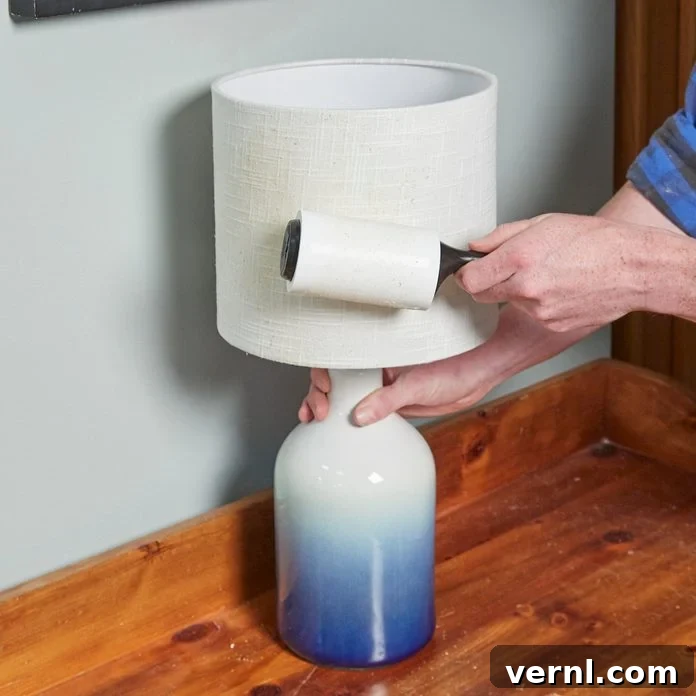
The Lint Roller Method: One of the simplest and most effective tools for surface dust and pet hair removal is a standard lint roller. This sticky roller picks up debris without the need for water or harsh chemicals. Gently run the lint roller over the entire surface of your fabric lampshade, starting from the top and working your way down. As the roller becomes covered with dust and hair, tear off the dirty sheet to reveal a fresh, sticky surface and continue cleaning. This method is particularly excellent for quick touch-ups and maintaining your shades between deeper cleans.
Vacuum Cleaner with Brush Attachment: For a more thorough dusting, especially for deeply embedded dust, a vacuum cleaner with a soft brush attachment can be invaluable. Ensure the suction setting is on low to avoid putting undue stress on the fabric. Carefully move the brush attachment over the lampshade’s exterior and interior, paying attention to pleats, folds, and decorative trims where dust tends to settle. This method is highly efficient for removing a significant amount of dry debris without direct contact that might damage delicate materials.
Microfiber Cloth Wipe-Down: A clean, dry microfiber cloth is another gentle option for dusting. Microfiber is excellent at trapping dust particles rather than just pushing them around. Lightly wipe the lampshade from top to bottom, both inside and out. For stubborn dust that clings to the fabric, you can lightly dampen the microfiber cloth with water (ensure it’s barely damp, not wet) and wipe again, then follow up with a dry cloth immediately.
Important Caution: Always handle lampshades with care. Over time, fabric and their underlying frames can become fragile or brittle. Excessive pressure or aggressive scrubbing can lead to tears or damage to the frame. A torn or damaged lampshade is often more unsightly and difficult to repair than a dirty one. Regular, gentle dusting will prevent heavy buildup and reduce the need for more intensive cleaning.
How to Tackle Yellowed or Stained Fabric Lampshades: The “Lampshade Bath”
If your fabric lampshades have developed unsightly stains, have started to yellow with age, or simply look dull and dingy beyond what dry dusting can fix, a gentle “lampshade bath” might be the perfect solution. This method can restore their vibrancy and brightness, making them look almost new again.
Preparation for the Bath: Begin by removing the lampshade from the lamp base. Fill a deep sink, a clean utility tub, or even a bathtub with warm (not hot) water. Add about 1 teaspoon of a mild dish soap or a delicate laundry detergent. For fabric lampshades that have yellowed or require extra whitening power, opt for a laundry detergent that contains oxygen bleach (make sure it’s color-safe if your shade is not white).
The Soaking Process: Carefully submerge the fabric lampshade into the soapy water. Ensure it is fully immersed. Allow it to soak for a couple of minutes. This helps to loosen dirt and allow the cleaning solution to penetrate the fabric fibers.
Gentle Cleaning: After soaking, retrieve a soft sponge and dip it into the warm, soapy water. Gently wipe the lampshade clean from top to bottom, covering both the exterior and interior surfaces. Use light, circular motions. If you encounter particularly stubborn stains or deeply soiled areas, a soft-bristled toothbrush (a dedicated cleaning brush or an old, clean one) can be used to gently scrub these spots with a little extra soap. Be very gentle to avoid damaging the fabric or the adhesive that holds the fabric to the frame.
Rinsing Thoroughly: Once you are satisfied that the lampshade is clean, drain the soapy water from the sink or tub. Refill it with clean, warm water. Submerge the lampshade into the fresh water and gently agitate it, dipping it in and out a couple of times. This helps to rinse away all traces of soap residue. Repeat this rinsing process with fresh water until no suds are visible, as leftover soap can attract dust and lead to streaking once dry.
Drying for Best Results: Proper drying is crucial to prevent watermarks, mildew, or damage to the lampshade’s shape. First, gently blot the lampshade with a clean, dry towel to remove as much excess water as possible. Avoid twisting or wringing the shade, as this can distort its shape. Then, place the lampshade outside in a shaded, well-ventilated area on a warm, breezy day, or in front of a fan indoors. Ensure it dries completely, which may take several hours. Do not place it in direct sunlight, as this can fade colors or weaken certain fabrics. Once completely dry, it can be reassembled on your lamp.
Spot Cleaning Minor Stains: For very small, isolated stains that don’t warrant a full bath, you can try spot cleaning. Mix a tiny amount of mild dish soap with water to create a sudsy solution. Dip a clean white cloth or cotton swab into the suds (not the liquid) and gently dab the stained area. Blot with a clean, damp cloth to rinse, then immediately blot dry. Always test on an inconspicuous area first.
How to Clean Paper and Parchment Lampshades: Dry Methods Only
Paper and parchment lampshades offer a unique aesthetic, but their delicate nature requires a different cleaning approach compared to fabric shades. Critically, these materials should never be submerged in water. Water can cause paper to tear, warp, or discolor, and it can disintegrate glues used in seams or embellishments, leading to irreversible damage.
Initial Steps and Safety: As always, begin by unplugging the lamp and carefully removing the lampshade. This provides full access for cleaning and minimizes the risk of accidental damage to the lamp or shade. Due to the inherent fragility of paper and parchment, gentleness is key throughout the cleaning process.
Gentle Dusting with a Microfiber Cloth: The primary method for cleaning paper and parchment lampshades is gentle dry dusting. Use a clean, dry microfiber cloth, which is excellent at capturing dust particles without spreading them. Carefully wipe the entire surface of the lampshade, both inside and out, from top to bottom. Pay close attention to pleats, folds, and the reflector bowl (if present) inside the shade, as these areas are common dust traps.
Vacuum Cleaner with Brush Attachment: For a more thorough removal of embedded dust or accumulated grime, a vacuum cleaner with a soft brush attachment can be used. It is vital to set the vacuum to its lowest suction power to prevent tearing or creasing the delicate material. Gently guide the brush attachment over the lampshade’s surface, ensuring not to press too hard or allow the suction to pull the paper. This method is particularly useful for intricate designs or textured surfaces where a cloth might not reach effectively.
Art Gum Eraser for Marks: For smudges, light pencil marks, or surface dirt that a cloth can’t remove, an art gum eraser can be surprisingly effective on paper and parchment. These erasers are designed to lift marks without leaving residue or smudging. Gently rub the eraser over the affected area in one direction. Be extremely cautious not to rub too aggressively, as this could tear or abrade the paper surface. Test on a hidden spot first if you’re unsure.
Why Water is a No-Go: Beyond the risk of tearing and warping, many paper and parchment shades have glued seams, decorative elements, or protective coatings that are not water-resistant. Exposure to moisture can weaken or dissolve these adhesives, causing the shade to fall apart or creating unsightly bubbles and stains. Always err on the side of caution and stick to dry cleaning methods for these materials.
Can You Wash Lampshades in the Dishwasher? Exploring Options for Glass and Other Materials
The idea of tossing a dirty lampshade into the dishwasher for an effortless clean is appealing, but this method is only suitable for a very specific type of lampshade: those made entirely of glass. For all other materials – fabric, paper, plastic, or parchment – the dishwasher is strictly off-limits and will cause irreparable damage.
Glass Lampshades in the Dishwasher: Yes, glass lampshades can often be safely cleaned in the dishwasher, making the task incredibly convenient.
- Placement: Always place glass lampshades on the top rack of the dishwasher. This protects them from the intense heat and water pressure of the lower rack, which could potentially cause cracks or chips, especially if the glass is thin or delicate.
- Detergent Alternative: Instead of regular dishwasher detergent, which can sometimes leave streaks or residue on glass, we recommend using white vinegar. Fill the detergent dispenser with white vinegar (or place a small bowl of vinegar on the top rack). Vinegar acts as a natural degreaser and provides a sparkling, streak-free finish.
- Cycle: Use a gentle or delicate cycle with warm water. Avoid high-heat drying cycles, or allow the shades to air dry to prevent water spots and minimize stress on the glass.
- Pre-Cleaning (Optional): For very dusty or grimy glass shades, a quick rinse under the faucet to remove loose debris before placing them in the dishwasher can be beneficial.
This method is perfect for decorative glass shades, globes, or chandelier covers that can withstand water and heat.
Why Other Materials are Unsuitable for Dishwashers:
- Fabric Lampshades: The high heat and strong detergents in a dishwasher would cause fabric shades to shrink, warp, fray, or lose their adhesive backing, essentially destroying them.
- Paper and Parchment Lampshades: As discussed, water is the enemy of these materials. Dishwasher cycles would instantly disintegrate, warp, or stain them beyond repair.
- Plastic Lampshades: While some plastics are dishwasher-safe, many lampshade plastics are not designed for such high temperatures. They can warp, melt, or become brittle, altering their shape and appearance.
- Lampshades with Embellishments or Metal Frames: Even if the main material is technically washable, many lampshades feature glued embellishments, delicate trims, or metal frames that can rust, tarnish, or detach in a dishwasher.
Cleaning Lampshades of Other Materials: Plastic, Metal, and More
Beyond the common fabric, paper, parchment, and glass, lampshades can be crafted from a variety of other materials, each requiring its own specific care routine.
Plastic and Acrylic Lampshades: These modern materials are generally quite durable and easy to clean.
- Dusting: For regular maintenance, a soft, dry microfiber cloth is usually sufficient to wipe away dust and light grime.
- Washing: For deeper cleaning, you can gently wash plastic or acrylic shades in a sink with warm water and a small amount of mild dish soap. Use a soft sponge or cloth to wipe down the surfaces.
- Rinsing and Drying: Rinse thoroughly with clean water to remove all soap residue, then dry immediately with a clean, lint-free cloth to prevent water spots.
- Caution: Avoid abrasive cleaners, harsh chemicals (like ammonia-based window cleaners), or rough scrubbing pads, as these can scratch or dull the plastic surface.
Metal Lampshades: Metal shades, whether solid or perforated, add an industrial or contemporary touch.
- Dusting: Regular dusting with a dry microfiber cloth or a soft brush attachment on a vacuum cleaner is usually all that’s needed. For intricate perforations, a soft-bristled brush can help dislodge trapped dust.
- Cleaning Marks: For fingerprints or smudges, a slightly damp cloth followed by immediate drying can work.
- Polishing (if applicable): If your metal shade is polished (e.g., brass, copper, chrome), use an appropriate metal cleaner and polish sparingly, following the product instructions carefully. Always test on an inconspicuous area first. Avoid water for unsealed raw metals like iron, as it can cause rust.
Wood or Wicker Lampshades: These natural materials bring warmth and texture but can be challenging to clean due to their porous and often intricate surfaces.
- Dusting: Use a soft-bristled brush, a dry microfiber cloth, or the soft brush attachment of a vacuum cleaner on a low setting to remove dust from all crevices. An old paintbrush can also be effective for getting into small gaps.
- Spot Cleaning: For any sticky spots or marks, lightly dampen a cloth with a very mild wood cleaner or a tiny amount of dish soap and water. Gently wipe the spot, then immediately dry the area with a clean, dry cloth. Avoid saturating the wood, as moisture can cause warping or damage.
Silk Lampshades: Silk is an exceptionally delicate fabric that often requires professional cleaning. If you must attempt it yourself, proceed with extreme caution.
- Dusting: Very gently dust with a soft, dry microfiber cloth. Avoid lint rollers as they might pull threads.
- Spot Cleaning (Extreme Caution): For minor, fresh stains, you might try a very light spot clean using distilled water and a tiny amount of a pH-neutral silk-specific detergent. Apply with a clean white cloth, blotting very gently. Blot dry immediately with another clean, dry white cloth. Do NOT rub, soak, or use hot water.
- Professional Cleaning: For extensive soiling or deep stains, professional dry cleaning is highly recommended to prevent damage to this luxurious fabric.
Essential Lampshade Maintenance Tips for Lasting Beauty
Beyond occasional deep cleaning, regular maintenance is key to keeping your lampshades looking their best and prolonging their lifespan. Incorporating a few simple habits into your cleaning routine can make a significant difference:
- Regular Dusting: The most effective way to prevent heavy dirt buildup is to dust your lampshades frequently. A quick wipe with a microfiber cloth or a pass with a lint roller (for fabric) once a week or every other week can dramatically reduce the need for intensive cleaning. This also helps improve the light output and keeps allergens at bay.
- Address Spills Immediately: Accidents happen. If a liquid spills on a lampshade, address it as quickly as possible. Blot (don’t rub) the area with a clean, dry cloth to absorb as much liquid as you can. For fabric shades, a very mild spot cleaner might be necessary, followed by careful drying. For paper or parchment, immediate gentle blotting is crucial, but some stains may be permanent.
- Use Appropriate Wattage Bulbs: Over time, using light bulbs that are too high in wattage for your lampshade can cause heat damage. This heat can lead to accelerated yellowing, brittleness, or even scorching of the material. Always check the maximum wattage recommended for your lamp and lampshade, and consider using cooler-burning LED bulbs, especially for delicate materials.
- Rotate Lampshades: If your lampshade is exposed to direct sunlight for extended periods, it can cause uneven fading or discoloration. Periodically rotating your lampshade can help ensure any fading is more uniform, or simply move the lamp to a less exposed location if possible.
- Avoid Harsh Chemicals: Unless specifically recommended for a particular material, steer clear of harsh chemical cleaners, abrasive sponges, or strong detergents. These can strip finishes, degrade materials, cause discoloration, or leave residues that attract more dirt.
- Check for Structural Integrity: During your cleaning routine, take a moment to inspect the lampshade for any signs of wear and tear, such as loose seams, frayed edges, or a wobbling frame. Addressing small issues early can prevent them from becoming larger, irreversible problems.
When to Consider Replacing Your Lampshade
While proper cleaning and maintenance can significantly extend the life of your lampshades, there comes a time when replacement is the most practical and aesthetically pleasing option. Here are some indicators that it might be time to invest in a new lampshade:
- Irreversible Damage: If your lampshade has significant tears, holes, deep scratches, or is badly warped, these damages are often difficult or impossible to repair seamlessly.
- Permanent Stains or Discoloration: Some stains, especially old oil-based marks, mildew stains, or severe yellowing that deep cleaning cannot remove, can permanently mar the appearance of a lampshade.
- Material Degradation: Over many years, materials can simply break down. Fabric might become brittle and frayed, plastic might crack, or paper might become too fragile to handle. This compromises both the look and integrity of the shade.
- Outdated Style: Sometimes, a lampshade is perfectly functional but simply no longer fits your evolving home décor style. Replacing it can be a cost-effective way to refresh a room’s aesthetic without buying a whole new lamp.
- Safety Concerns: If the lampshade is scorched, shows signs of melting near the bulb, or has exposed wiring due to damage, it poses a fire hazard and should be replaced immediately.
Conclusion: Brighten Your Home with Clean Lampshades
Lampshades, though often unsung heroes of home lighting, play a vital role in setting the ambiance and style of any room. By understanding the unique cleaning requirements of different materials and committing to a routine of gentle care, you can ensure your lampshades remain beautiful, functional, and dust-free for years to come. From simple dusting to more involved washing techniques, the effort you put into maintaining these fixtures will pay off in brighter rooms and a fresher, more inviting living environment. So, take a moment to look up, assess your lampshades, and give them the attention they deserve – you might be surprised at the transformation!