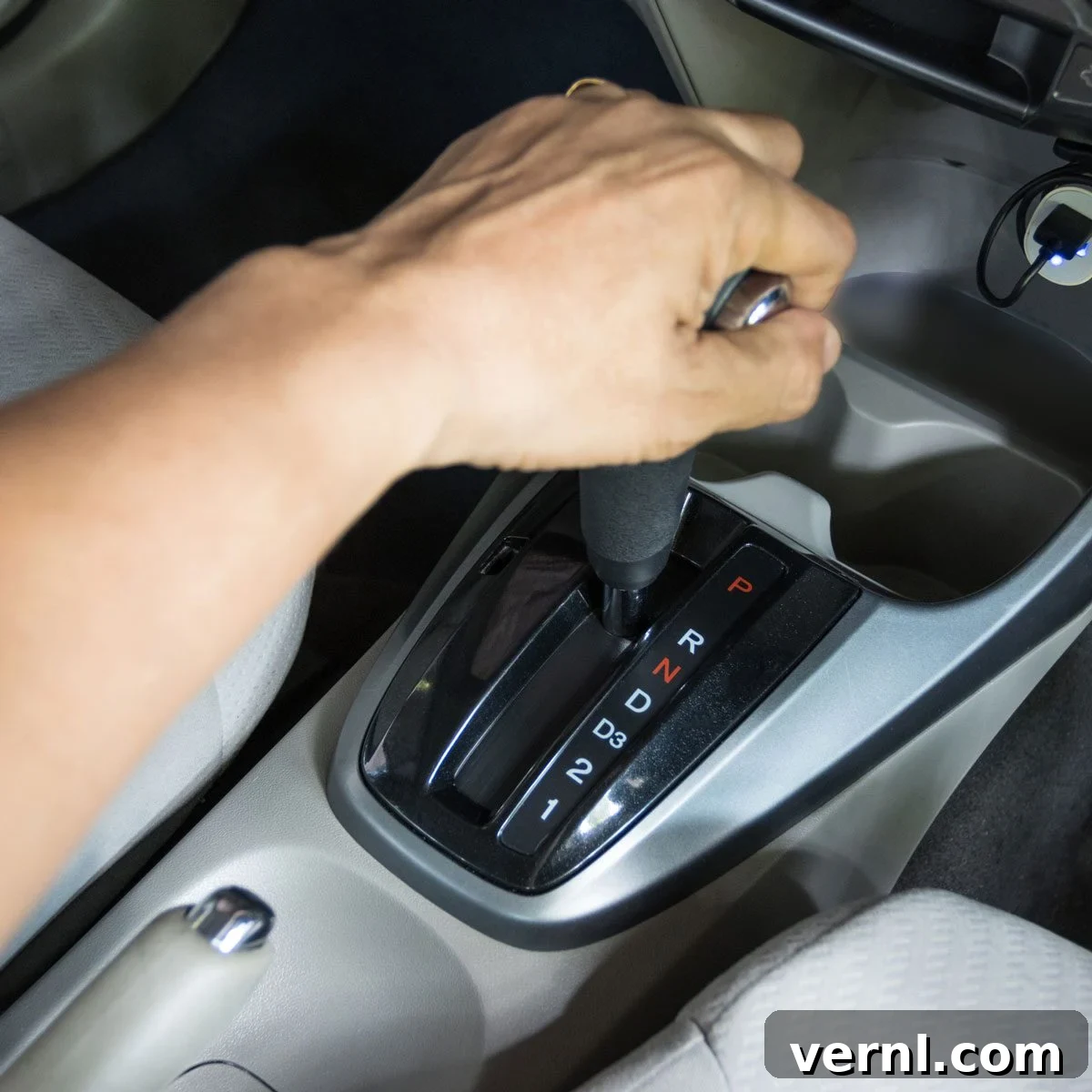
Few automotive frustrations are as immediate and concerning as a vehicle refusing to shift into reverse. Whether you’re trying to back out of a parking space, maneuver in a tight driveway, or simply reposition your car, the sudden inability to engage reverse gear can bring your plans to a screeching halt. Modern transmissions are marvels of engineering, relying on a delicate interplay of electronic, hydraulic, and mechanical systems. When one or more of these crucial components falters, reverse gear is often the first to exhibit problems, sometimes due to the unique demands placed upon it. Before despairing and envisioning costly repairs, let’s explore the common underlying issues that might prevent your car from reversing and understand what steps you can take.
Understanding Transmission Basics: Automatic vs. Manual
At its core, both automatic and manual transmissions serve the same fundamental purpose: to efficiently transfer power and torque generated by the engine to the drive wheels, allowing the vehicle to move and adapt to varying speeds and loads. The mechanism by which they accomplish this, especially when it comes to engaging reverse, differs significantly.
When you select reverse in any vehicle, a specific set of gears within the transmission are brought into alignment. These reverse gears interconnect with each other in a particular sequence, ultimately locking with the transmission’s output shaft. This process reverses the direction of rotation, causing the drive wheels to turn backward.
Automatic Transmissions: A Symphony of Hydraulics and Electronics
In a vehicle equipped with an automatic transmission, the process of shifting into reverse is orchestrated by a sophisticated system involving pressurized hydraulic fluid and electronic controls. When the driver moves the gear selector to ‘R’, an electronic signal is sent to the vehicle’s computer (Engine Control Module or Transmission Control Module). This computer then commands a series of solenoids within the valve body to direct hydraulic fluid to specific clutch packs and bands. The hydraulic pressure activates these internal components, which in turn engage or disengage the necessary reverse gearsets, connecting them to the output shaft. This entire process is designed to be seamless and “automatic,” requiring no manual input beyond selecting the gear. Any disruption in hydraulic pressure, electronic signals, or the integrity of the clutch packs can prevent reverse from engaging.
Manual Transmissions: Mechanical Precision
Manual transmissions offer a more direct, tactile connection between the driver and the gearbox. When a driver shifts into reverse in a manual transmission vehicle, they are physically manipulating a shift lever connected by linkages or cables to selector forks inside the transmission. These selector forks physically move the reverse gearsets, causing them to lock into place with each other and the output shaft. This direct mechanical engagement means that issues with reverse are often related to the physical linkage, the clutch system, or the gears themselves, rather than hydraulic or complex electronic failures.
Common Reasons Why Your Car Won’t Go Into Reverse
The drivetrain, encompassing the transmission and differential, is the intricate system responsible for channeling engine power to the wheels. Within this system, various components, gears, and fluid mechanisms work in concert to multiply engine power and distribute it effectively. This remarkable engineering allows a car to move forward and backward. When reverse gear suddenly becomes unresponsive, it points to a malfunction within this complex setup. Here are the most prevalent causes for your car’s refusal to reverse:
Insufficient Transmission Fluid Levels
One of the most frequent and often easiest-to-diagnose reasons for reverse gear failure, especially in automatic transmissions, is low transmission fluid. A transmission that is severely low on fluid will typically cause the engine to rev freely without engaging any gear, or it might engage some gears but specifically fail to engage reverse. This is because hydraulic fluid (Automatic Transmission Fluid, or ATF) is the lifeblood of an automatic transmission. It lubricates moving parts, cools the transmission, and, crucially, transmits hydraulic pressure to activate clutch packs and bands responsible for engaging gears. Without sufficient fluid, there isn’t enough pressure to properly engage the reverse clutch pack.
To check your transmission fluid level, consult your owner’s manual for the exact procedure, as it varies by vehicle. Most automatic transmissions require checking the fluid with the engine running and warm, while some manuals are checked cold. Locate the transmission dipstick (it may be labeled ‘TRANSMISSION’ or have a distinct color, often red). The fluid level should ideally fall between the “full” and “add” marks on the dipstick. If it’s low, carefully add the specific type of automatic transmission fluid (ATF) or manual transmission fluid recommended for your vehicle’s make, model, and year, using a clean funnel to prevent contamination.
If adding fluid resolves the issue and your car now shifts into reverse, this indicates a leak. Your immediate next step should be to visit a qualified mechanic. A leak, no matter how small, will continue to deplete fluid levels and can lead to more severe damage if not addressed. This might also be an opportune time to consider a complete transmission fluid flush and filter replacement, as old, contaminated fluid can also contribute to performance issues.
For manual transmission vehicles, checking fluid levels is often more involved, typically requiring the vehicle to be jacked up to access the transmission fill plug. Unless you are experienced and comfortable working underneath a vehicle, it’s highly advisable to entrust this task to a professional mechanic to ensure safety and proper procedure.
Issues with Shift Mechanisms
The shift mechanism is the critical link between your gear selector and the transmission itself. Malfunctions in this system can directly prevent the proper engagement of reverse gear.
Automatic Transmission Shift Mechanisms
Many modern automatic transmissions utilize an electronic Transmission Selector Switch. When you move the shifter, this switch sends an electronic signal to the vehicle’s computer (ECM or TCM). The computer then interprets this signal and directs other sensors and actuators to ultimately engage the correct gear. Over time, corrosion can build up on the contacts of this electronic switch, leading to intermittent or complete failure. A temporary fix that sometimes works is to slowly cycle the shifter through all gears, from Park to Low and back again, several times. This action can sometimes abrade away minor corrosion, allowing the switch to make proper contact. However, for persistent issues, especially those involving the internal electronics of the transmission or the replacement of a damaged shift cable, it’s imperative to consult a specialized transmission technician. Attempting DIY repairs on complex electronic systems can often lead to further, more expensive damage.
Manual Transmission Shift Linkage and Cables
In a manual transmission vehicle, the connection between the shifter and the transmission is purely mechanical, usually involving a system of linkages or cables. If these shift linkages become misadjusted, bent, or if the shift cables become stretched or damaged, the shifter’s movement may not be fully translated to the internal transmission components. This can prevent the reverse gearset from fully engaging and locking into place. Similarly, in an automatic transmission, a damaged or misadjusted shift cable can cause the gear indicator to show “Reverse” when the transmission is actually still in Neutral, or another gear. Some vehicles allow for minor adjustment of the shift cables. Checking your owner’s manual for specific instructions on shift cable adjustment can provide a potential one-time fix before needing professional service. However, it’s often a symptom of wear that will eventually require replacement.
IMPORTANT SAFETY CONSIDERATION: Automatic transmission vehicles are equipped with a park-neutral safety switch. This essential safety feature prevents the engine from starting unless the transmission is in Park or Neutral, thereby preventing unexpected lunging forward or backward. If a shift cable is severely out of adjustment, it could potentially allow the car to start while still in gear. This presents an extreme hazard, as the vehicle could lunge forward or backward without warning, potentially causing serious injury or even fatality. Always ensure your vehicle is in Park or Neutral before starting and have any shift mechanism issues checked promptly by a professional.
Compromised Transmission Gaskets, Seals, and O-rings
Transmission gaskets, seals, and O-rings are vital components designed to maintain the integrity of the transmission system. Externally, they prevent transmission fluid from leaking out and contaminants from entering the intricate internal workings. Internally, seals and O-rings are crucial for directing hydraulic pressure to the various clutch packs and bands, ensuring proper gear engagement. The quality and cleanliness of the transmission fluid are directly linked to the health of these seals.
Dirty or contaminated ATF loses its lubricating properties and can lead to excessive friction and overheating. An overheated transmission accelerates the breakdown of fluid, leading to the formation of sludge and varnish. This sludge accumulation not only causes premature wear on gears and bearings but also compromises the integrity of gaskets and seals. Leaks commonly manifest at the transmission pan gasket (in automatic transmissions), side cover gaskets (in manual transmissions), or around the output or drive axle shaft seals.
For automatic transmissions, internal leaks are particularly problematic. If internal gaskets, seals, or O-rings fail, they can no longer maintain the necessary hydraulic pressure to activate specific clutch packs and bands, especially those responsible for engaging reverse gear. This loss of hydraulic pressure to the reverse clutch pack is a very common reason for the inability to select reverse. Diagnosing and repairing these internal leaks typically requires specialized tools and expertise, making it a task best left to a qualified mechanic or transmission specialist.
Malfunctioning Valve Body
Exclusive to automatic transmissions, the valve body is a highly sophisticated and intricate component, often referred to as the “brain” of the automatic transmission. It is a labyrinth of passages, channels, and spring-loaded mechanical and electronic shift valves. Its primary function is to precisely direct hydraulic fluid pressure to the correct clutch packs and bands at the appropriate time, thereby engaging one or more gearsets, including reverse.
Several issues can plague the valve body and prevent reverse engagement:
- Valve Binding: An overheated transmission can cause the fluid to degrade and deposits to form, leading to individual valves within the valve body sticking or “binding” in their bores. If the reverse valve binds, it cannot properly route fluid pressure to engage the reverse clutch pack.
- Failed Valve Body Gasket: The gasket separating parts of the valve body or the valve body from the transmission case can fail, leading to internal pressure leaks. This loss of pressure can directly impact the hydraulic circuit for reverse gear.
- Clogged Hydraulic Passages: Sludge, debris, or metal fragments from other failing transmission components can clog the delicate hydraulic passages within the valve body, obstructing the flow of fluid to the reverse gear mechanism.
- Leaking Shift Solenoids: Solenoids are electronically controlled valves that direct fluid flow. If a solenoid responsible for reverse gear becomes faulty or leaks internally, it won’t be able to properly regulate hydraulic pressure, thus preventing reverse from engaging.
Diagnosing and repairing valve body problems demands an exceptionally high level of expertise, specialized diagnostic equipment, and often involves extensive disassembly of the transmission. This is unequivocally a job for an automotive transmission specialist.
Broken or Damaged Gears
While less common than fluid or electrical issues, internal gear damage is a severe problem that can directly prevent reverse engagement. Damaged gearsets are almost always accompanied by distinct mechanical noises. You might hear a loud grinding, gnashing, or clunking sound, especially when attempting to shift into reverse or when the car is in gear.
In an automatic transmission, a stripped-out or severely worn reverse clutch pack or reverse gearset can lead to complete failure to engage reverse, while forward gears may still function normally. Similarly, in a manual transmission, a broken reverse idler gear—a crucial component that reverses the direction of rotation—will physically prevent the vehicle from moving backward, even if all forward gears remain operational.
Beyond the immediate inability to reverse, the presence of metal-to-metal grinding indicates that components are literally tearing themselves apart. This process generates microscopic metal dust and larger chips that circulate throughout the transmission fluid, acting as an abrasive and causing catastrophic damage to bearings, seals, other gears, and the valve body. If you suspect broken gears, it’s critical to stop driving the vehicle immediately to prevent further damage. Transmission repairs involving broken internal hard parts are complex and costly, requiring complete disassembly. To prevent future transmission problems, it is crucial to insist that your mechanic thoroughly flushes the entire transmission case, valve body, and the external radiator cooler with a solvent as part of any major transmission repair to remove all metal contaminants.
Other Possible Causes
Sometimes, the issue isn’t as severe as a broken gear or a faulty valve body. A few simpler, yet often overlooked, factors can also prevent your car from going into reverse:
- Is the Parking Brake Fully Released? This might seem obvious, but it’s worth a quick double-check. A partially engaged parking brake can create enough resistance to feel like the car won’t reverse, or it might prevent the transmission from fully engaging the gear due to the strain.
- Parking on a Steep Incline: Parking a car on a steep hill without properly engaging the parking brake first can cause the transmission’s internal parking pawl to become jammed against the gears. This pawl is a metal pin that locks the transmission output shaft to prevent the car from rolling when in Park. When the pawl is under immense strain from the vehicle’s weight, it can make it extremely difficult to move the shifter out of Park, or into any other gear, including reverse. A common trick to release this pressure is to gently rock the car slightly by pushing against the steering wheel and then releasing, or having a passenger gently push the car forward or backward (if safe) while you attempt to shift.
- Cold Temperatures: In very cold weather, transmission fluid can become thicker and less viscous. This increased viscosity can prevent the fluid from flowing properly or building sufficient hydraulic pressure, especially in older transmissions or those with degraded fluid. Allowing the car to warm up for several minutes before attempting to shift into reverse can sometimes help the fluid thin out and flow as intended. Cold temperatures can also stiffen rubber seals and O-rings, which may temporarily prevent proper pressure sealing until they warm up. For manual transmissions in cold weather, a “stuck” clutch plate due to condensation or cold grease can also cause difficulty shifting. Try pumping the clutch pedal several times and shifting into first and second gear repeatedly before attempting to engage reverse; this can help to free up a stiff or sticking clutch plate.
CRITICAL SAFETY WARNING: Always be in the driver’s seat with the gear shifter in “Park” or “Neutral,” your foot firmly on the brake pedal, and the parking brake engaged before attempting to start your car or move the shifter. Never reach into your car through an open door or window from outside the vehicle to start the engine or move the shifter into gear. Even with the engine off, accidentally or purposefully placing a car in gear without being in control can cause it to lurch suddenly forward or backward. This uncontrolled movement can result in severe injury or even death to yourself or others in the vicinity.
The Final Word on a Car That Won’t Go In Reverse
Encountering a situation where your car refuses to go into reverse can be alarming, but understanding the potential causes is the first step toward a solution. Many of these issues, from low fluid levels to complex internal failures, underscore the importance of proper vehicle care. Being kind to your transmission means adopting good driving habits: always come to a complete stop before shifting between drive, reverse, or park. Avoid the destructive habit of “neutral dropping”—revving the engine in neutral and then slamming it into drive or reverse—as this subjects the transmission to immense shock and can cause significant damage. Performing regularly scheduled transmission maintenance, including checking fluid levels and replacing the filter, and considering a full ATF flush every 30,000 to 60,000 miles (depending on your vehicle’s specifications and driving conditions), will significantly extend the life of your transmission and help ensure many years of reliable, trouble-free service, including flawless reverse gear engagement.