Understanding and Eradicating Fusarium Mold: A Comprehensive Guide to Home Protection
Discovering mold growth in your home is always a cause for concern, but it’s crucial to remember that effective solutions are available. A key first step in addressing this issue is understanding the specific type of mold you’re dealing with. Among the vast array of fungal species, Fusarium stands out as a prevalent and potentially problematic family. With over 300 known species, while many prefer outdoor environments, some Fusarium varieties are unfortunately adept at thriving indoors. We consulted with Michael Rubino, a distinguished mold and air quality expert, to provide an in-depth look into Fusarium mold: what it is, its dangers, and, most importantly, how to effectively identify, remove, and prevent it from compromising your home’s air quality and your family’s health.
What Exactly Is Fusarium Mold?
Michael Rubino, an authority in mold and air quality, explains, “Fusarium is a robust mold capable of flourishing across a diverse range of temperatures, including colder conditions. This makes it a particularly resilient adversary in indoor environments. It possesses both allergenic and toxigenic properties, meaning it can trigger allergic reactions and produce harmful toxins. A tell-tale sign of its presence in homes is often linked to areas affected by water damage, highlighting the critical role moisture plays in its proliferation.”
First documented in 1809, the Fusarium family of molds has a long history of impacting both natural and human-made environments. Its primary method of propagation involves releasing microscopic spores into the air. These spores are incredibly lightweight and can travel vast distances, contributing to significant agricultural losses globally each year. Farmers are well-acquainted with conditions like “Fusarium wilt,” a devastating disease responsible for the demise of numerous vegetable seedlings, particularly tomatoes, as well as critical crop diseases affecting grains, corn, and various horticultural plants. This widespread impact underscores its pervasive nature in the natural world.
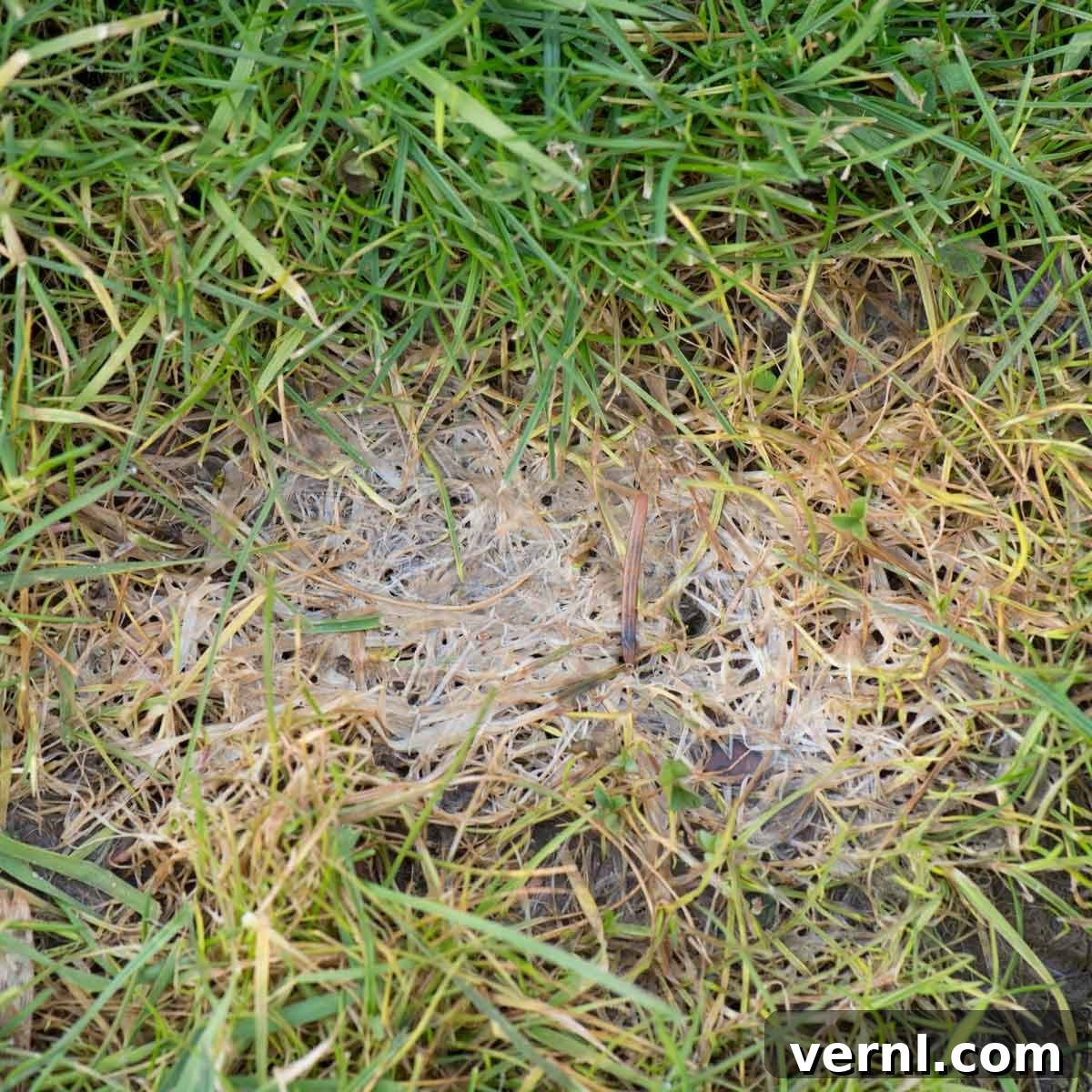
Interestingly, not all Fusarium species are detrimental. One notable exception is Fusarium venentum, which plays a beneficial role as the scientific name for quorn. Quorn is a popular meat substitute, especially common in Europe and the United Kingdom, offering a sustainable protein alternative. However, for homeowners, the more familiar manifestation of Fusarium might be the fuzzy snow mold that sometimes emerges on lawns as the winter snows recede, serving as another reminder of this mold’s widespread presence and adaptability.
How Do I Identify Fusarium Mold in My Home?
Identifying Fusarium mold, or any mold for that matter, often begins with a visual inspection, but this method has its limitations. Rubino elaborates on the visual characteristics of Fusarium: “Fusarium can present itself in a range of colors, including pink, white, or reddish hues. A critical characteristic to be aware of is its rapid growth rate, which means any visible growth in a home should be addressed as quickly as possible to prevent further spread and potential health risks.”
While a visual assessment can give you an initial indication, Rubino strongly advises professional testing to definitively confirm the presence of mold and, more importantly, to identify the specific species. “With over 100,000 species of mold identified globally, relying solely on a simple visual inspection makes it impossible to be 100% confident about which species are present,” he explains. Different mold species can have varying levels of toxicity and require specific remediation approaches, making accurate identification crucial for effective and safe removal. Professional mold testing typically involves air samples, surface samples, or bulk samples analyzed in a laboratory, providing precise data that guides proper remediation strategies and ensures your family’s safety.
Where Is Fusarium Mold Commonly Found?
Fusarium mold, in its many forms, is truly ubiquitous, found in almost every environment across the globe. The vast majority of Fusarium growth occurs outdoors, where it plays a significant, often detrimental, role in agricultural ecosystems. However, its outdoor prevalence makes it a constant threat to indoor environments, as spores can easily enter homes through open windows, ventilation systems, or even on clothing and pets. Like most molds, moisture is the single most essential factor for Fusarium growth, making damp areas prime targets for its development.
When it comes to your home, Rubino points out that Fusarium mold can be lurking in a variety of places, often where moisture is present or organic materials are abundant. Common indoor locations include:
- Carpeting: Especially in areas prone to spills, leaks, or high humidity, carpeting can absorb and retain moisture, creating an ideal breeding ground for mold.
- Wallpaper: Water damage behind wallpaper, or even high humidity causing condensation, can lead to mold growth that often goes unnoticed until it’s significant.
- Fabrics: Upholstery, curtains, and other fabric items can harbor mold spores if they become damp and aren’t dried thoroughly.
- Natural compost: Indoor compost bins or even potted plants with organic matter can attract and support mold growth.
- Basements and crawl spaces: These areas are notoriously damp, often with poor ventilation, making them high-risk zones for Fusarium and other molds.
- Bathrooms: High humidity, condensation, and constant moisture from showers and baths make bathrooms a prime location for mold to thrive, particularly around tubs, showers, and sinks.
- Windowsills: Condensation on windows, especially during colder months, can create persistent moisture on sills, inviting mold growth.
- Houseplants: Overwatering or inadequate drainage can lead to mold growth in the soil or on the surface of potted plants.
- HVAC systems: Damp coils, dusty ducts, and condensate pans in heating, ventilation, and air conditioning systems can become sites for mold growth. Once established, the HVAC system can then distribute mold spores throughout the entire home, contaminating previously unaffected areas.
Understanding these common hiding spots is crucial for proactive inspection and prevention, as early detection is key to managing Fusarium mold effectively.
What Are the Health Effects of Fusarium Mold?
While mold exposure generally poses health risks, Fusarium mold presents unique concerns, particularly due to its toxigenic nature. Although human infections directly caused by Fusarium are relatively rare, when they do occur, they can be exceptionally serious. Individuals with compromised immune systems, such as those undergoing chemotherapy, transplant patients, or individuals with chronic illnesses, are especially vulnerable to Fusarium infections. Post-surgical patients are also at heightened risk, as their weakened state makes them more susceptible to opportunistic pathogens like Fusarium.
A sobering 2003 study highlighted the severe consequences of such infections, revealing that the 90-day mortality rate for cancer patients suffering from Fusarium infections was a staggering 80 percent. This demonstrates the aggressive and often life-threatening nature of systemic Fusarium infections in vulnerable populations. Beyond these critical infections, Fusarium can also manifest in various other health conditions, including pneumonia, which affects the lungs; sinusitis, causing inflammation of the nasal passages; osteomyelitis, a painful infection of the bone; and other localized or systemic issues.
Furthermore, like many other types of molds, Fusarium produces secondary metabolites known as mycotoxins. These microscopic, biochemical compounds are volatile organic compounds (VOCs) that can be inhaled or absorbed through the skin, leading to a range of adverse health effects. Prolonged exposure to mycotoxins can contribute to various diseases, including neurological problems, respiratory issues, fatigue, and in severe cases, even certain types of cancer. The presence of mycotoxins adds another layer of danger to Fusarium mold, making its removal and prevention paramount for maintaining a healthy indoor environment.
Is Fusarium Mold Truly Dangerous?
The unequivocal answer is yes. Any mold, regardless of its specific species, should be considered dangerous to have in your home due to its potential to adversely affect indoor air quality. Michael Rubino issues a strong warning regarding Fusarium: “Exposure to Fusarium may result in a range of uncomfortable and potentially harmful symptoms. These can include skin infections, a persistent sore throat, a runny nose, frequent sneezing, itchy eyes, and dermatitis, which is a common skin irritation.” These symptoms often mimic those of seasonal allergies, making it difficult for individuals to initially pinpoint mold as the underlying cause. However, the persistent nature of these symptoms, especially when they worsen indoors, should raise a red flag.
The danger significantly escalates with prolonged or extensive exposure. Rubino further cautions that “prolonged exposure to Fusarium can lead to severe and debilitating conditions, such as deep-seated bone infections or even life-threatening brain abscesses.” These serious systemic infections typically occur when mold spores enter the bloodstream or are inhaled deep into the respiratory system, particularly in individuals with compromised immune systems. The ability of Fusarium to produce mycotoxins further compounds its danger, as these toxic compounds can suppress the immune system, damage organs, and potentially contribute to chronic health problems over time. Therefore, recognizing the danger of Fusarium and taking prompt action is not just about home maintenance, but about safeguarding your long-term health and well-being.
How to Effectively Remove and Prevent Fusarium Mold
Successfully eliminating Fusarium mold and preventing its return involves a multi-faceted approach that goes beyond superficial cleaning. Reducing household moisture levels is an absolutely essential first step for any permanent eradication of Fusarium. Without addressing the underlying moisture source, mold will almost certainly return. However, simply creating drier conditions is not enough. You must also actively kill the actively growing Fusarium, meticulously remove its microscopic spores, and dismantle its deep-seated root structures, known as hyphae. It’s crucial to understand that common household bleach is generally not considered an effective option for killing mold, especially Fusarium, on porous surfaces. Bleach primarily disinfects the surface but often fails to penetrate deep enough to kill the hyphae, allowing the mold to regrow. For thorough eradication, you need to use a registered fungicide that has been specifically tested and verified as effective against mold on the specific type of material.
Professional Mold Remediation
“All mold, regardless of species, should be remediated in the same way—quickly and correctly,” Michael Rubino asserts, emphasizing the universal importance of proper mold removal protocols. He further stresses the critical need to know precisely what kind of mold you are dealing with. This knowledge allows you to adequately budget for the remediation process, prioritize which areas need immediate attention, and employ the most effective strategies. “Fast-spreading species or those known to release mycotoxins should always be at the top of the remediation list,” he advises, highlighting the increased urgency associated with more dangerous molds like certain Fusarium varieties.
Rubino outlines three fundamental pillars to consider when selecting a professional mold remediation company, ensuring a comprehensive and lasting solution:
- Remediate the Sources Properly: A reputable company will identify and thoroughly address the direct sources of the mold growth, not just the visible surface mold. This involves meticulously removing all mold colonies, spores, and contaminated materials.
- Identify and Address the Root Problems: Beyond the immediate mold, the company must also pinpoint and rectify the underlying issues that led to those sources in the first place. This could include repairing leaky pipes, improving ventilation, or sealing foundation cracks, ensuring the environmental conditions conducive to mold growth are eliminated.
- Eliminate All Contamination: The remediation process must aim to eliminate every trace of contamination present, not just the easily visible parts. This includes microscopic spores and mycotoxins that might have spread beyond the primary growth area.
He emphatically stresses the importance of removing all of the mold, including not just the live portions of the colony but also any dead remnants. “Even remnants of dead mold can continue to cause ongoing exposure and potential health risks due to residual mycotoxins and allergenic particles,” Rubino warns. Just like weeds that can quickly return if you don’t pull them out by their roots, mold also “develops tenacious, root-like structures called hyphae.” If these hyphae are not completely removed from porous materials, the mold is highly likely to regrow.
Rubino also strongly advises subsequent testing once the remediation team has completed its work. This post-remediation verification ensures that all mold has been successfully removed, and equally important, that “other contaminants, such as mycotoxins and bacteria” have also been eliminated, providing a crucial layer of assurance for your own safety and peace of mind.
Considering DIY Mold Remediation
For those considering tackling mold removal themselves, Rubino offers crucial advice and strict guidelines. First and foremost, he states, “only work on areas under 10 square feet.” Any mold growth larger than this threshold warrants professional intervention due to the potential for widespread contamination and health risks. He also highly recommends contacting an expert before you begin, as they can offer invaluable guidance tailored to your specific situation, helping you understand the scope of the problem and the necessary precautions.
For successful DIY mold remediation, Rubino mentions several key things to keep in mind:
- Implement Correct Engineering Controls and PPE: This involves setting up containment barriers (e.g., plastic sheeting) to prevent spore spread to other areas of the house and donning appropriate personal protection equipment (PPE), including an N95 respirator, gloves, and eye protection, to safeguard your health during the cleaning process.
- Resolve the Source of Growth: Merely cleaning the mold won’t suffice if the moisture source remains. You must identify and permanently resolve the issue that led to the growth, whether it’s a leaky pipe, excessive humidity, or poor ventilation.
- Remove and Replace Porous Materials: For materials like drywall, insulation, carpeting, and upholstered furniture that are heavily contaminated or deeply penetrated by mold, removal and replacement are often the only effective solutions. Mold’s hyphae can embed deep into these materials, making surface cleaning ineffective.
- Decontaminate All Surfaces: All affected surfaces must be thoroughly decontaminated using proper remediation protocols based on the specific surface type. This might involve scrubbing with mold-killing solutions for non-porous surfaces and specific cleaning agents for semi-porous materials.
- Deep Clean the Surrounding Space: The area immediately surrounding the active mold growth, as well as adjacent rooms, should be deeply cleaned. This helps to remove any airborne particles or spores that may have been released during the growth or removal process. Utilizing a HEPA-filtered vacuum is essential for this step.
Rubino emphasizes that if any of these steps feel too daunting or beyond your capabilities, do not hesitate to leave it to the experts. “If you aren’t confident that you can tick off each box thoroughly and correctly, the professional route is absolutely the way to ensure all the contamination is removed safely and completely,” he advises. Professional remediators have the specialized equipment, training, and experience to handle even complex mold situations effectively.
Prevention: Your Best Defense Against Fusarium
As the timeless adage reminds us, an ounce of prevention is worth a pound of cure, and nowhere is this truer than with mold. Rubino explains that the most effective strategy for preventing Fusarium, and indeed any mold, “is to diligently mitigate moisture within your home and commit to regular, thorough cleaning practices to eliminate particles like dust, spores, and organic matter that serve as food sources for mold.” Proactive measures are far less costly and stressful than dealing with a full-blown mold infestation.
He suggests several actionable steps to create an environment hostile to mold growth:
- Control Indoor Humidity: Maintain indoor humidity levels consistently between 35-50%. This can be achieved with dehumidifiers in damp areas and proper ventilation throughout the home.
- Address Leaks Immediately: Promptly fix any leaks from plumbing, roofs, or windows, and repair any structural issues that allow for moisture intrusion. Even small, slow leaks can create ideal conditions for mold.
- Routinely Clean Appliances: Regularly clean and maintain appliances that use water, such as refrigerators (especially drip pans), washing machines, and dishwashers, to prevent mold and mildew buildup.
- Ensure Appliances Are Dry: After use, make sure appliances like dishwashers and laundry machines are dried thoroughly, leaving doors ajar if possible to allow air circulation.
- Choose Effective Cleaning Products: Use botanical cleaning products that contain surfactants, which help break down organic matter. Combine this with a HEPA vacuum cleaner to capture microscopic spores and fine microfiber towels for effective surface cleaning.
- Treat Machine-Washable Items: Clean all machine-washable items, particularly those exposed to moisture, with a laundry additive like EC3. This helps remove microscopic mold particles that regular detergents might miss.
- Separate and Dry Shower Curtains: After each shower, separate the shower curtain and its liner to allow them to air dry completely, preventing mold growth in the folds.
- Squeegee Shower Surfaces: Use a squeegee to remove excess water from shower walls and doors after each use. This significantly reduces moisture accumulation.
- Regular Home Cleaning: Maintain a consistent schedule of home cleaning, including dusting, vacuuming, and wiping surfaces, to remove mold spores and organic debris before they can establish growth.
- Proper Drying of Wet Items: Always hang up bath mats, towels, wash rags, loofahs, and any other wet items to dry completely after each use, rather than leaving them in damp piles.
- Utilize Air Purifiers: Employ high-quality air purifiers equipped with HEPA filters to capture airborne mold spores and other contaminants, especially in common areas or bedrooms.
- Upgrade HVAC Filters: Upgrade to the highest-rated MERV filter your HVAC unit can handle (typically MERV 8-13 for residential use) and change them regularly according to manufacturer recommendations. This improves air filtration significantly.
- Minimize Porous Materials: Try to avoid or minimize the use of porous materials like carpeting in high-moisture areas of the home, such as basements and bathrooms, where they can easily harbor mold.
- Declutter Often: Regularly decluttering your home reduces the number of surfaces where dust and organic debris can accumulate, making cleaning easier and more effective.
By implementing these preventive measures, you can significantly reduce the risk of Fusarium mold and other types of mold from taking root in your home, ensuring a healthier and safer living environment.
Source
Michael Rubino is a distinguished mold and air quality expert, an ardent environmental wellness advocate, and the visionary founder of HomeCleanse. This revolutionary company is dedicated to a mission of ending the worldwide health epidemic caused by poor air quality and toxic indoor environments. He also proudly serves as the Chair of the Change the Air Foundation and is the insightful Host of the acclaimed podcast Never Been Sicker.