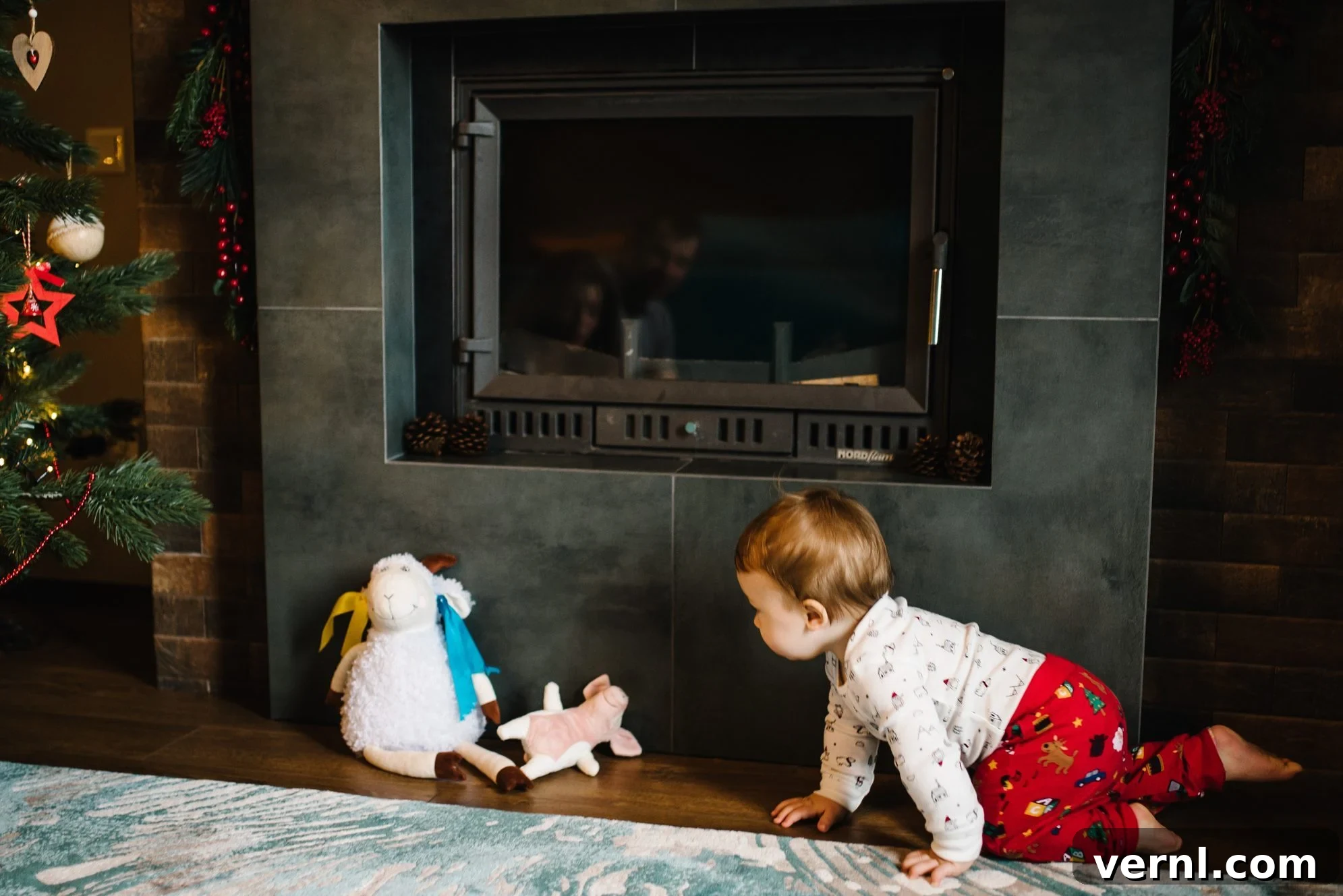
Comprehensive Guide to Babyproofing Your Fireplace: Ensuring Child Safety at Home
Ensuring the safety of our children is a paramount concern for every parent. While homes are often seen as safe havens, statistics from KidsHealth.org reveal a sobering truth: over one-third of accidental injuries to children occur right at home. Among these, burns account for some of the most traumatic and permanently damaging injuries, often sustained from heat sources like fireplaces. Beyond burns, the hard, unforgiving surfaces of a brick hearth can lead to severe lacerations or head injuries, requiring stitches or staples after a child’s accidental fall.
To navigate the complexities of home safety, particularly around the inviting yet hazardous fireplace, we turn to a leading authority in childproofing: Peter Kerin. As the esteemed owner of Foresight Childproofing, Kerin brings two decades of invaluable experience to the table, having personally assisted countless parents in securing their homes. His expertise is further underscored by his advanced certification as a professional childproofer through the International Association for Child Safety. Moreover, as a father of three who dedicated time to stay home with his children, his advice is rooted in both professional knowledge and personal understanding of the challenges parents face.
Kerin emphasizes the critical nature of fireplace safety, stating, “The dangers involving a fireplace are potentially very challenging, life-altering events.” However, he also offers a comforting perspective: “The good news is that they are reasonably preventable, and it doesn’t have to be expensive.” This comprehensive guide will draw upon Kerin’s expert insights, providing practical and actionable strategies to effectively babyproof your fireplace, transforming a potential hazard into a safe feature of your home, regardless of whether it’s a traditional wood-burning, a modern gas, or a convenient electric model.
Understanding the Unique Risks Fireplaces Pose to Children
Fireplaces, regardless of their type, introduce a distinct set of hazards into a home where young children are present. The allure of flickering flames, glowing embers, or even just the warmth emanating from a unit can draw curious toddlers closer, often with dangerous consequences. The hard, sharp edges of a hearth are an undeniable fall risk, potentially leading to bumps, bruises, or more severe impact injuries. High temperatures, whether from an open flame, hot glass panels, or the exterior of a heating unit, present a direct burn threat to sensitive young skin. Furthermore, accessible electrical components, controls, or even loose fireplace tools can add to the list of potential dangers. Recognizing these specific risks is the foundational first step towards implementing effective child safety measures around your fireplace.
Babyproofing Gas and Wood-Burning Fireplaces: Essential Safeguards for Traditional Warmth
For homes featuring traditional gas or wood-burning fireplaces, Peter Kerin advises that the core safety principles remain consistent across both fuel types. The overarching goal is to establish a robust protective barrier between your child and the fireplace while actively managing the immediate environment to mitigate all possible risks. Here are the fundamental steps to ensure your little ones can safely coexist with these powerful heat sources.
Limit Fireplace Use and Diligently Monitor Residual Heat
Kerin strongly advocates for a cautious approach to fireplace use, particularly when children are present in the home. This recommendation is rooted in a crucial, yet frequently underestimated, aspect of fireplace operation: materials like glass panels, brick, and surrounding metal can retain significant, burn-hazard temperatures for extended periods after the flames have been extinguished. To accurately assess this lingering danger, Kerin suggests a practical and informative test:
- **Conduct a Controlled Burn:** When children are safely out of the immediate area, ignite a fire in your fireplace and allow it to burn for its typical duration. This helps simulate real-world conditions.
- **Monitor Cooling Time:** Once the fire is completely out, carefully observe and record how long it takes for all accessible surfaces – including the glass door, hearth, and any metal grates or surrounds – to cool down to a temperature that is safe to touch. You may be surprised by how long these components retain heat.
This observation provides you with a realistic, measurable timeframe during which the fireplace area must remain strictly off-limits, even if there’s no visible fire. Never underestimate the potential for residual heat to cause serious burns to a child’s delicate skin.
Secure the Hearth: Preventing Falls and Impact Injuries
The hearth, typically a raised or extended non-combustible area encircling the fireplace opening, is a primary hazard for young children. Its hard, often sharp edges are a frequent cause of falls, leading to everything from minor bumps and bruises to severe lacerations and head injuries. Effective babyproofing of the hearth requires a strategic, two-pronged approach that combines cushioning and physical barriers.
- **Add Protective Padding:** Cushioning the edges of your hearth is an essential first step. This seemingly simple measure can significantly absorb impact, preventing serious injuries if a child trips or falls near the fireplace. For homes with raised hearths, Kerin highly recommends specialized products such as those offered by Cardinal Gates. He specifically praises their “easy peel-and-stick option to cover the edges that’s wonderful and stays on.” This type of adhesive padding provides a convenient, secure, and durable way to soften potentially dangerous sharp corners and edges. Cardinal Gates also provides alternative options that clamp onto the edges, offering a robust non-adhesive solution for those who prefer it or require extra security. When selecting hearth padding, prioritize dense, impact-absorbing materials that are both robust and difficult for a child to remove.
- **Maintain a Safe Space with Configurable Safety Gates:** Beyond padding, the most reliable and comprehensive solution for hearth safety is to establish a physical barrier that completely denies children access to both the hearth and the firebox. Kerin is a strong advocate for securely mounted, configurable safety gates, citing products like this one from KidCo as excellent examples. It’s crucial to differentiate these robust safety gates from decorative accordion or mesh screens. The latter are primarily designed to catch embers and sparks, not to prevent child access; they often become extremely hot and can be easily pushed or pulled over by a curious toddler, making them a hazard rather than a safety device. A properly installed, configurable gate completely encloses the entire fireplace area, creating an impenetrable safe zone. These gates ensure children cannot reach hot surfaces, open flames, or the unforgiving edges of the hearth. Always opt for wall-mounted gates for maximum stability and ensure they comply with current safety standards.
Emphasizing this distinction is vital: decorative fireplace screens are not child safety devices. They offer no heat protection and are unstable, making them dangerous when children are around. True child safety gates are designed for secure, permanent installation and provide a physical barrier against all fireplace-related hazards.
Additional Safety Measures for Gas and Wood-Burning Fireplaces
While padding and gates form the cornerstone of fireplace babyproofing, consider these supplementary steps for an even more secure environment:
- **Keep Fireplace Tools Out of Reach:** Fireplace toolsets (pokers, tongs, brushes, shovels) are often heavy, have sharp edges, and can become hot. Always store them in a secure, inaccessible location, such as a sturdy box with a latch, a high shelf, or behind a locked cabinet, far from curious little hands.
- **Install Carbon Monoxide Detectors:** For any home with a combustion appliance, carbon monoxide (CO) detectors are non-negotiable. Carbon monoxide is an odorless, colorless, and deadly gas. Install detectors near sleeping areas and on every level of your home to provide a vital early warning system.
- **Regular Professional Maintenance and Inspections:** For wood-burning fireplaces, annual chimney cleaning is essential to prevent the buildup of creosote, a highly flammable substance that can lead to devastating chimney fires. For gas fireplaces, arrange for a professional to inspect the gas lines, pilot light, and ventilation system periodically to ensure there are no leaks, blockages, or malfunctions that could pose a danger.
- **Secure Gas Fireplace Glass Panels (if applicable):** While many modern gas fireplaces feature sealed glass panels for efficiency, these panels can still reach extremely high temperatures. If available for your specific model, consider installing additional glass panel covers or barriers designed to reduce the surface temperature. Otherwise, ensure your primary safety gate maintains sufficient distance to prevent direct contact.
- **Proper Wood Storage:** If you have a wood-burning fireplace, store firewood neatly and securely away from the fireplace itself and out of children’s reach to prevent pinching hazards or climbing temptations.
Babyproofing Electric Fireplaces: Fewer Dangers, Yet Crucial Precautions
Electric fireplaces generally present a lower risk profile compared to their gas or wood-burning counterparts. Peter Kerin highlights this distinction, noting, “Most of the electric fireplace is visual. The heater is inside and fan-driven, so they typically don’t pose as much of a threat.” The absence of open flames, combustible materials, and the inherent risk of carbon monoxide makes them a considerably safer choice in many respects. However, it’s a common misconception to assume they are entirely risk-free. Thoughtful babyproofing is still imperative to address potential hazards related to residual heat, electrical components, and the unit’s overall stability.
Assessing Heat Output and Establishing a Defined Safety Zone
Although electric fireplaces are typically cooler than traditional units, they do generate heat, and their surfaces can become significantly warm or even hot to the touch. Understanding the specific heat retention characteristics of your unit is paramount:
- **Verify Surface Temperature:** When children are not in the vicinity, operate your electric fireplace at its maximum heat setting for an extended period. Carefully check the temperature of the glass panel, the surrounding frame, the wall behind it, and any other accessible surfaces. An infrared thermometer offers the most accurate reading, but a cautious hand test can also provide a good indication of hot spots.
- **Monitor Cooling Time:** Similar to traditional fireplaces, observe and note how long it takes for these surfaces to cool down to a safe, ambient temperature after the unit is switched off. You might discover that some materials retain warmth longer than you initially expect.
- **Maintain a Safe Distance:** Kerin frequently references the European Union’s safety standards, which he considers “meaningful” and reliable guidelines. For electric fireplaces, a minimum safe distance of 30 inches (approximately 76 cm) from the heat source is recommended for children. For models that mimic an “open fire” effect, have exposed heating elements, or generate higher heat output, extending this distance to 35.5 inches (roughly three feet or 90 cm) provides an even greater margin of safety. While a physical gate might not always be strictly necessary for all electric fireplaces, clearly defining and consistently enforcing this no-go zone is critical.
Securing Electrical Components and Controls
The primary hazards associated with electric fireplaces often stem from their electrical nature and the accessibility of their controls:
- **Deny Access to Plugs and Cords:** Electric fireplaces, by definition, require an electrical power source, meaning power cords and plugs are present. Carefully assess your specific model’s setup and your room’s layout. For freestanding units, unplugging the fireplace after each use and covering the outlet with a plastic socket cover can be the simplest and most effective solution. For units that remain plugged in, utilize cord covers, cable management solutions, or strategically placed furniture to block access to cables, preventing tangles, chewing hazards, or accidental unplugging by curious toddlers. Always secure loose cords to eliminate tripping hazards.
- **Childproof Switches and Dials:** Many electric fireplaces feature an array of switches, dials, or touch-sensitive controls for adjusting heat and flame settings. Evaluate whether these controls are easily accessible or visually tempting to a child. Products like rocker switch covers are highly effective at preventing accidental activation. These clear, plastic guards enclose the switch, making it difficult for small fingers to operate while still allowing adults to use the controls with a deliberate action. This also has the added benefit of preventing guests from inadvertently turning on the fireplace if they mistake a switch for a light.
- **Remote Control Safety:** Most electric fireplaces come equipped with remote controls. These pose two distinct risks: the possibility of accidental activation of the fireplace and, more critically, the choking hazard presented by small parts or button-cell batteries commonly found inside remotes. Always store remote controls well out of a child’s reach, ideally in a locked drawer or a high, inaccessible cabinet.
Ensuring Stability for Electric Fireplaces and Freestanding Units
Many electric fireplaces are designed as freestanding units or inserts that can be placed against a wall or into an existing opening. It is absolutely critical to ensure that these units are stable and cannot be pulled over by a climbing or curious child. If your electric fireplace is not securely built into a wall or is easily movable, consider anchoring it to the wall using anti-tip straps. This is similar to how bookshelves, dressers, or televisions are secured to prevent them from toppling over. An unsecured, heavy unit can cause significant injury, entrapment, or even fatality if it falls on a child.
A Holistic Approach to Childproofing: Beyond Just the Fireplace
While this guide offers detailed strategies for babyproofing your fireplace, it’s essential to remember that childproofing is a comprehensive and ongoing process. Peter Kerin’s insights extend to a broader philosophy of child safety, highlighting the significant progress made: “It’s the safest time to be a child in the history of this country. Those stats bear out. We have a better understanding of our children and their development. We have information about how they get injured. We also have better products.” This positive trend is a direct result of increased knowledge and its consistent application.
To truly safeguard your home, adopt a proactive and holistic perspective:
- **Get Down to a Child’s Level:** One of the most effective strategies is to physically crawl around your home. This allows you to identify potential hazards from a child’s unique viewpoint. What appears innocuous to an adult can look very different—and dangerous—to a crawling baby or a curious toddler.
- **Stay Vigilant as Children Grow:** Childproofing is not a one-time chore; it’s an evolving process. As your child develops new motor skills—crawling, walking, climbing, reaching, and opening—new hazards will inevitably emerge. Regularly reassess your home’s safety measures and adapt them to your child’s developmental stage.
- **Educate Older Children about Safety:** For children old enough to understand, begin teaching them about fire safety rules, the dangers of hot surfaces, and why certain areas or objects are off-limits. Age-appropriate education can empower them to make safer choices.
- **Leverage Available Resources:** Continuously utilize expert advice, invest in high-quality child safety products, and consult information from reputable organizations (like KidsHealth.org or the International Association for Child Safety) to consistently enhance your home environment.
- **Prioritize Smoke Detectors:** Ensure you have working smoke detectors on every level of your home and inside and outside sleeping areas. Test them monthly and replace batteries annually.
Final Thoughts on Fireplace Child Safety: A Proactive Investment
Creating a child-safe home, especially around significant features like fireplaces, is more than just a task—it’s a vital investment in your child’s well-being and, by extension, your own peace of mind. As Peter Kerin thoughtfully concludes, “Newer gas fireplaces are much safer than older ones. Things are going in the right direction, but that’s because we have knowledge, and we’re using that knowledge.” This underscores the power of informed action.
By diligently applying expert advice, strategically utilizing appropriate safety products, and maintaining ongoing vigilance, you can drastically reduce the risk of accidents. Prioritizing comprehensive fireplace safety ensures that your home remains a warm, inviting, and, most importantly, a safe sanctuary for your children to explore, play, and grow without unnecessary dangers. Embrace these measures to protect your most precious assets.
Everything You Need to Know About Indoor Fireplaces
Beyond child safety, understanding the broader aspects of indoor fireplaces—from selecting the right style to ensuring proper maintenance and operational safety—will help you maximize their enjoyment and longevity. Dive deeper into fireplace care and considerations with these valuable resources:
- Indoor Fireplace Safety for Beginners
- Is My Wood-Burning Fireplace Illegal?
- Best Indoor and Outdoor Ethanol Fireplaces
- How to Clean a Brick Fireplace
- What You Need to Know About Bathroom Fireplaces
- Tips for Choosing Fireplace Andirons and Grates
- A Step-by-Step Guide to Fireplace Refacing
- Everything You Need to Know About a Fireplace Damper