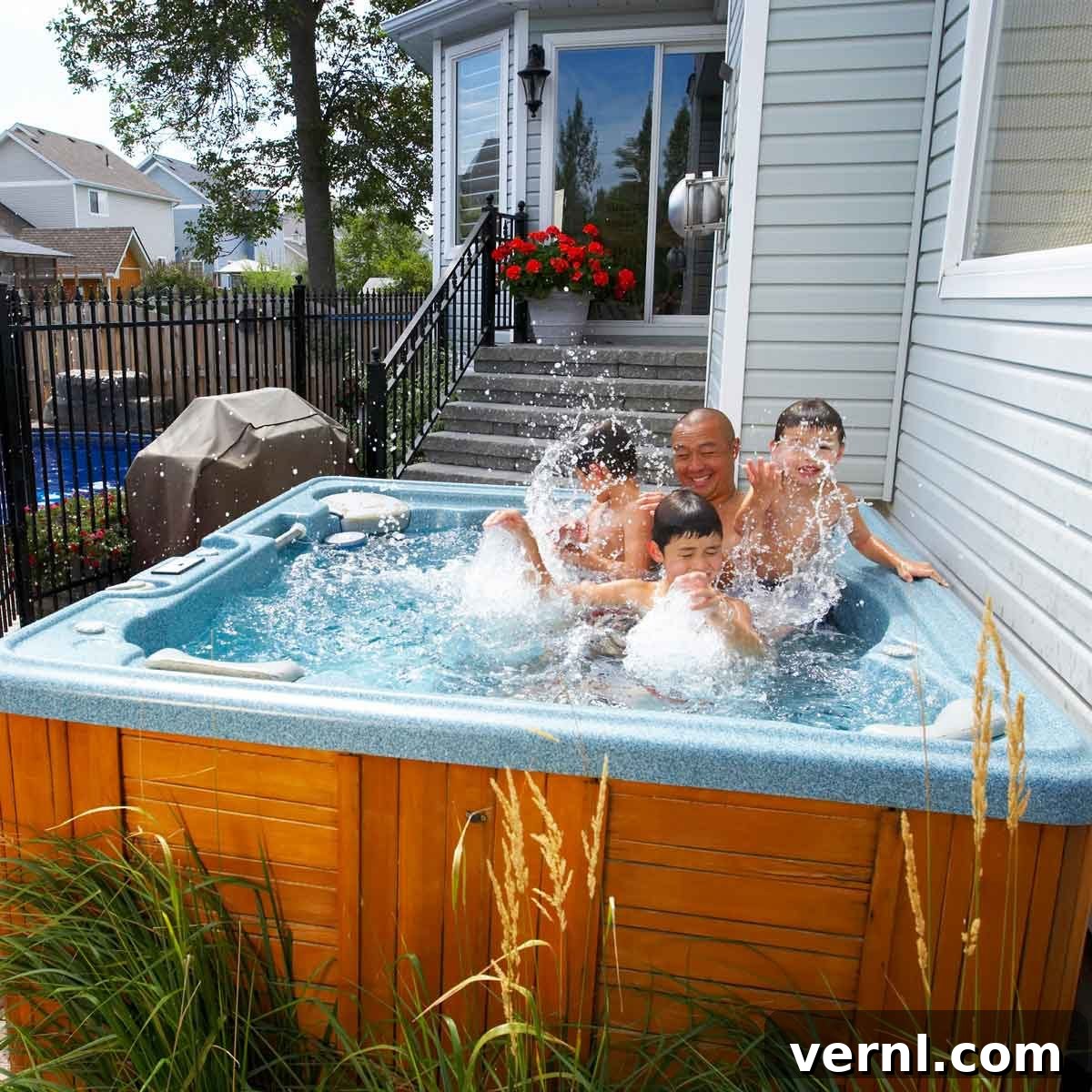
Indulging in a luxurious hot tub experience offers more than just momentary relaxation; it comes with a wealth of health and wellness benefits that can significantly enhance your daily life. From providing profound relief for tight muscles and soothing aching joints to effectively reducing swelling and lowering your overall stress levels, a hot tub can transform your home into a personal sanctuary of hydrotherapy. The therapeutic warmth and pulsating jets work synergistically to improve circulation, alleviate tension, and promote a sense of calm and well-being, making it an invaluable addition to any home.
If you’re contemplating harnessing these remarkable benefits and integrating a hot tub into your lifestyle, embarking on this journey requires careful consideration and thorough preparation. The market offers a diverse array of models, features, and configurations, making the decision-making process complex without the right information. To ensure you make an informed choice that perfectly aligns with your needs, budget, and space, there are several crucial questions you need to address before committing to a purchase. Drawing upon the collective wisdom of seasoned hot tub owners and industry experts, we’ve compiled a comprehensive guide featuring eight essential questions designed to steer you toward your ideal hot tub.
1. Is the Hot Tub a Good Fit for Your Intended Space?
Before you even begin to browse models, the very first step in your hot tub purchasing journey must be a meticulous assessment of the space where you envision your new aquatic retreat. It is absolutely critical to accurately measure the dimensions of your chosen area, taking into account not just the footprint of the hot tub itself, but also ample surrounding space. This extra clearance is essential for comfortable access, safe entry and exit, proper maintenance, and sufficient room for a cover lifter or other accessories. Opting for a model that exceeds these calculated dimensions can lead to costly logistical nightmares or, worse, an ill-fitting installation that compromises safety and usability.
Cristina Miguelez, a renowned home maintenance and remodeling specialist at Fixr.com, provides an invaluable piece of advice, especially for those considering an indoor hot tub installation. She strongly emphasizes the paramount importance of adequate ventilation. “It’s really important to have a well-ventilated space for humidity and condensation control,” Miguelez states. Without proper ventilation, the high humidity generated by a hot tub can lead to a host of problems, including mold growth, mildew, peeling paint, and even structural damage over time. To mitigate these risks, ensure the space has robust exhaust fans or consider installing a dedicated dehumidifier. If existing ventilation is insufficient and relocating the tub isn’t an option, a powerful, moisture-resistant fan is a necessary investment to safeguard your home’s integrity and your family’s health.
Furthermore, consider the foundation of your chosen space. Hot tubs, especially when filled with hundreds of gallons of water and multiple occupants, are incredibly heavy. An outdoor installation typically requires a solid, level concrete pad or a reinforced deck capable of supporting significant weight. For indoor setups, consulting a structural engineer might be prudent to ensure your floor can handle the load. Remember also to consider privacy, views, and proximity to electrical and water sources for convenience and safety.
Should a full-sized hot tub prove too large for your available space or your specific needs, don’t despair! You can still enjoy many of the hydrotherapeutic benefits with a more compact solution. Consider exploring options like a high-quality bathroom jacuzzi tub. These can provide a similar soothing at-home spa experience, often requiring less space and simpler installation, making them an excellent alternative for smaller homes or specific room constraints.
2. What Kind of Cleaning and Maintenance is Required?
The allure of a bubbling hot tub can often overshadow the practical realities of ownership, particularly regarding ongoing maintenance. Jesse Silkoff, a dedicated home improvement enthusiast and former hot tub owner, offers a critical piece of advice for prospective buyers: diligently inquire about the specific cleaning and maintenance routines essential for keeping the hot tub in optimal working condition. Understanding these requirements upfront is key to a satisfying ownership experience.
“Depending on the hot tub, upkeep may be simple or involved,” Silkoff explains. “Make sure you are getting a hot tub you can realistically keep in good condition.” The level of maintenance can vary significantly based on the hot tub’s design, features, and water treatment system. For instance, hot tubs equipped with a multitude of intricate jets, complex plumbing, or specialized features tend to be more challenging and time-consuming to clean compared to simpler models with fewer jets. The more nooks and crannies there are, the more potential hiding spots for bacteria and debris.
General hot tub maintenance typically includes several key tasks: regular water testing and chemical balancing (e.g., pH, alkalinity, sanitizer levels), cleaning or replacing filters, sanitizing the cover, and periodically draining and refilling the tub. Water treatment systems, such as traditional chlorine or bromine, mineral purifiers, ozone generators, or even saltwater systems, each have their own specific maintenance protocols and associated costs for chemicals and supplies. Neglecting these tasks not only compromises water quality and hygiene but can also lead to costly damage to pumps, heaters, and other components, shortening the hot tub’s lifespan.
It’s important to be honest with yourself about the time and effort you’re willing to dedicate to these chores. If the required upkeep seems more involved than you’re prepared to handle personally, factor in the potential cost of professional hot tub cleaning and maintenance services into your budget. Knowing this ahead of time will help you avoid unpleasant surprises and ensure your hot tub remains a source of joy, not stress. Ask dealers about maintenance packages and how easy their specific models are to maintain.
3. Who Will Teach Me the Ins-and-Outs of Hot Tub Ownership?
While the convenience of online shopping has made countless products readily available at your fingertips, the purchase of a hot tub is one area where the personalized guidance from a local retailer can be absolutely invaluable. Many hot tubs are indeed available for sale online, but before clicking that “add to cart” button, it’s crucial to understand the distinct advantages of purchasing from a reputable local dealer, particularly a specialized pool and spa store.
One of the most significant benefits is the hands-on, expert advice and support that local staff can provide. They are typically well-versed in every aspect of hot tub ownership, from the initial setup and optimal usage to ongoing maintenance and troubleshooting. This personalized instruction can be a game-changer for new owners, helping them navigate the complexities of water chemistry, filter cleaning, and system operations with confidence. Local retailers also often provide installation services, ensuring your hot tub is properly connected and functioning from day one, which can be critical for warranty validity.
Mary Beth Simon, who purchased a salt-water hot tub six years ago, openly wished she had prioritized this aspect before her purchase. She advises, “You preferably want advice from an employee who owns a similar system.” This personal experience can provide practical insights and tips that a sales pitch simply cannot. Furthermore, Simon suggests asking a crucial question regarding the installation process: “Also ask if the delivery crew will walk you through set-up and what their qualifications are.” A knowledgeable delivery team can offer immediate assistance with initial setup, demonstrate basic functions, and answer any urgent questions you might have on the spot, ensuring a smooth transition into hot tub ownership. This level of comprehensive support is often a defining characteristic that sets local dealers apart from purely online vendors, offering peace of mind and ongoing assistance long after the sale.
4. How Are the Jets Positioned? Are They Air Jets or Water Jets?
The heart of any truly therapeutic hot tub experience lies within its jets. Jeneva Aaron, an experienced hot tub owner, emphatically recommends delving deep into the specifics of a hot tub’s jet system before making a purchase. The quality and configuration of the jets dramatically influence the hydrotherapy benefits you’ll receive.
“The best hot tubs have strategically placed jets designed to hit your back and shoulders in the most therapeutic spots,” Aaron explains. It’s not just about the sheer number of jets, but their thoughtful placement and design to target specific muscle groups and pressure points. Different types of jets offer varying sensations, from deep tissue massage to gentle soothing streams. You’ll want to investigate if the jets are adjustable, allowing you to customize the intensity and direction to suit your personal preferences and address specific areas of tension or soreness. Some advanced systems even offer interchangeable jet nozzles, providing even greater versatility for your hydrotherapy sessions.
Beyond placement and adjustability, a critical distinction lies in whether the hot tub utilizes water jets or air jets. Understanding this difference is paramount to selecting the right hot tub for your therapeutic needs. Water jets typically deliver a more focused, intense pressure through a mixture of water and air (or sometimes just water). These are ideal for deep muscle massage, targeting knots, and providing vigorous relief to sore areas. The sensation is often described as powerful and penetrating, perfect for athletes or those with chronic muscle discomfort.
Air jets, on the other hand, produce a gentler, effervescent bubbling effect by forcing air through small nozzles. They do not provide the same focused, intense pressure as water jets. Instead, air jets are designed to create a softer, all-encompassing bubbling sensation that can be incredibly relaxing and invigorating for overall circulation and a lighter, more diffused massage. While less intense, they can contribute significantly to a calming and soothing experience. Many high-end hot tubs incorporate a combination of both water and air jets, offering a versatile range of hydrotherapy options. When testing a hot tub, pay close attention to the feel of each jet type and configuration to determine what best meets your therapeutic expectations.
5. How Much Water Does the Hot Tub Hold?
Beyond the number of seats, understanding a hot tub’s water capacity is a crucial factor that impacts several aspects of ownership, from operational costs to convenience. Jeneva Aaron also advises prospective buyers to inquire about how much water a hot tub holds, in addition to its bather capacity. This seemingly simple specification has far-reaching implications for your overall hot tub experience.
“Most hot tubs hold around 400 gallons of water, which was enough for me,” Aaron shares. However, capacity can range significantly, from smaller 200-gallon models to larger spas holding 600 gallons or more. The volume of water directly correlates with the physical dimensions of the hot tub and, consequently, how many people it can comfortably accommodate. If you plan on frequently entertaining larger groups, a higher capacity tub might be more suitable, but it comes with its own set of considerations.
The more gallons a hot tub holds, the longer it will naturally take to fill initially and to drain and refill during routine maintenance. This process can be time-consuming, especially for larger units, and requires access to a reliable water source and appropriate drainage. Furthermore, a greater water volume directly translates to higher operational expenses. “The more gallons it holds, the longer it takes to fill, drain and refill. And more gallons also equals higher water and heat bills,” Aaron warns. Heating a larger volume of water requires more energy, leading to increased electricity consumption and consequently, higher utility bills. Similarly, maintaining the chemical balance in a larger volume of water can require more chemicals, adding to ongoing maintenance costs. Therefore, striking a balance between desired bather capacity and practical operating expenses is key to choosing a hot tub that suits both your lifestyle and your budget.
6. How Long Will it Last?
Investing in a hot tub is a significant financial decision, and like any major purchase, you’ll want to ensure it offers lasting value and enjoyment. Jeneva Aaron’s final, yet equally important, recommendation is to inquire about the expected lifespan of any hot tub model you are considering. This question delves into the durability and long-term reliability of the product, protecting your investment.
“Hot tubs are luxury items, but there are definitely chintzy ones out there that need frequent repairs,” Aaron points out. The market features a wide spectrum of hot tub quality, from budget-friendly options to premium, high-end models. While lower upfront costs might seem appealing, frequently needing repairs can quickly erode any initial savings and lead to frustration. High-quality hot tubs, constructed with superior materials and craftsmanship, are designed to withstand years of use and exposure to the elements. “Higher quality hot tubs can last a decade or longer,” she adds, emphasizing the return on investment that durable construction offers.
The longevity of a hot tub is largely determined by the quality of its components and the materials used in its construction. Hot tubs made from robust materials like fiberglass, acrylic, or rotomolded polyethylene tend to offer the longest lifespans due to their inherent durability, resistance to cracking, and ability to withstand temperature fluctuations. However, even the best-built hot tub requires diligent care. As Aaron notes, they will only last the longest “so long as they are properly cleaned and maintained.” Regular maintenance, proper water chemistry, and timely servicing of pumps, heaters, and controls are paramount to extending the life of your hot tub and preventing premature wear and tear.
Furthermore, a crucial indicator of a manufacturer’s confidence in their product is the warranty they offer. Hot tub warranties can vary dramatically, typically ranging from one to an impressive twenty years, depending on the manufacturer and specific components. It is absolutely essential to ask detailed questions about the warranty coverage for the model you’re interested in. Inquire about:
- Overall Warranty Duration: How long is the tub covered?
- Specific Component Coverage: Which parts are under warranty (e.g., shell structure, surface finish, heater, pumps, controls, plumbing)? Often, different components have different warranty periods.
- Labor Coverage: Does the warranty include the cost of labor for repairs, or just replacement parts?
- Exclusions and Limitations: What voids the warranty (e.g., improper installation, lack of maintenance, use of unapproved chemicals)?
- Transferability: Is the warranty transferable if you sell your home and hot tub?
Understanding the warranty details thoroughly will provide invaluable peace of mind and protect your investment against unforeseen issues, making it a critical factor in your purchasing decision.
7. Does the Hot Tub Need to Be Hard-Wired or Can It Be Plugged Into an Ordinary Outlet?
Understanding the electrical requirements of a hot tub is a foundational piece of information that can significantly impact installation costs, location choices, and even the performance of your unit. Hot tubs generally fall into one of two electrical categories: those that are hard-wired directly into your home’s central circuit breaker box, and those designed to be plugged into a standard electrical outlet. The latter are commonly referred to as “plug-and-play hot tubs.”
Peter Smith, the owner of Inflatable Hot Tub Center, emphasizes the importance of clarity on this point before making any purchase. He advises potential buyers to always inquire about the specific electrical source a hot tub requires. The distinction is not merely technical; it has practical implications for installation complexity, cost, and safety.
- Plug-and-Play Hot Tubs (120V): These models are typically smaller and designed for convenience. They come with a power cord that can be plugged into a standard 120-volt, 15- or 20-amp grounded outdoor electrical outlet. “All inflatable models are plug-and-play,” Smith notes, highlighting their ease of setup. While convenient, plug-and-play models generally have lower heating capacity and less powerful jets, as they draw less electricity. They may take longer to heat up and might experience a slight drop in temperature when the jets are running. They are perfect for smaller spaces or renters who desire portability and simpler installation without the need for an electrician.
- Hard-Wired Hot Tubs (240V): These are typically larger, more powerful, and feature-rich hot tubs. They require a dedicated 240-volt circuit, which must be hard-wired into your home’s main electrical panel by a licensed electrician. “Most bigger and built-in hot tubs need to be hard-wired in by an electrician, due to their higher power needs,” Smith confirms. While this involves a more complex and often more expensive initial installation (including the cost of the electrician and potentially new wiring), 240V hot tubs offer significant advantages. They heat up much faster, maintain temperature more efficiently, and deliver far more powerful jet performance, providing a superior hydrotherapy experience. For permanent installations and those seeking maximum performance, a hard-wired unit is the preferred choice, ensuring safety and optimal operation according to local electrical codes.
Regardless of the type, always ensure that any outdoor electrical connections are GFI (Ground Fault Interrupter) protected to prevent electrical shock, adhering strictly to safety regulations.
8. Is the Hot Tub Cover Included?
Often overlooked during the excitement of selecting a hot tub model, the inclusion of a hot tub cover is a critically important detail that should never be assumed. Peter Smith strongly emphasizes that a hot tub cover is not merely an accessory; it is an absolute necessity for every hot tub owner.
“It greatly reduces heat loss and your electricity bill,” Smith asserts, highlighting one of its primary functions. A high-quality, well-insulated hot tub cover acts as a thermal barrier, trapping the heat within the spa and preventing it from escaping into the colder ambient air. This significantly reduces the amount of energy your hot tub’s heater needs to consume to maintain its desired temperature, leading to substantial savings on your monthly electricity bills over the long term. Without a cover, heat loss would be excessive, rendering the hot tub incredibly inefficient and expensive to operate.
Beyond energy efficiency, a hot tub cover serves several other vital purposes:
- Cleanliness: A cover acts as a protective shield, keeping leaves, dirt, dust, insects, and other environmental debris out of your hot tub water. This reduces the frequency of cleaning, prolongs the life of your filters, and ensures your water remains sparkling clean and inviting for use.
- Water Conservation: Covers dramatically reduce water evaporation. Without a cover, hundreds of gallons of water can evaporate over time, requiring frequent refilling and adding to your water bill.
- Safety: Perhaps most importantly, a properly fitting and locking hot tub cover is an indispensable safety feature. It significantly reduces the risk of accidental drowning, particularly for curious children, pets, or even small animals that might wander into an uncovered tub. Many covers come with locking straps that meet ASTM safety standards (F1346), providing peace of mind for families.
Given its multifaceted importance, the cost of a good hot tub cover can range from several hundred to over a thousand dollars, depending on its size, insulation quality, and features. Therefore, it is absolutely worthwhile to confirm whether your desired hot tub model includes a cover in the purchase price. If it’s not included, be sure to factor the additional cost of a quality cover into your overall budget, as it’s an investment that pays for itself many times over in energy savings, maintenance reduction, and, most importantly, safety.