
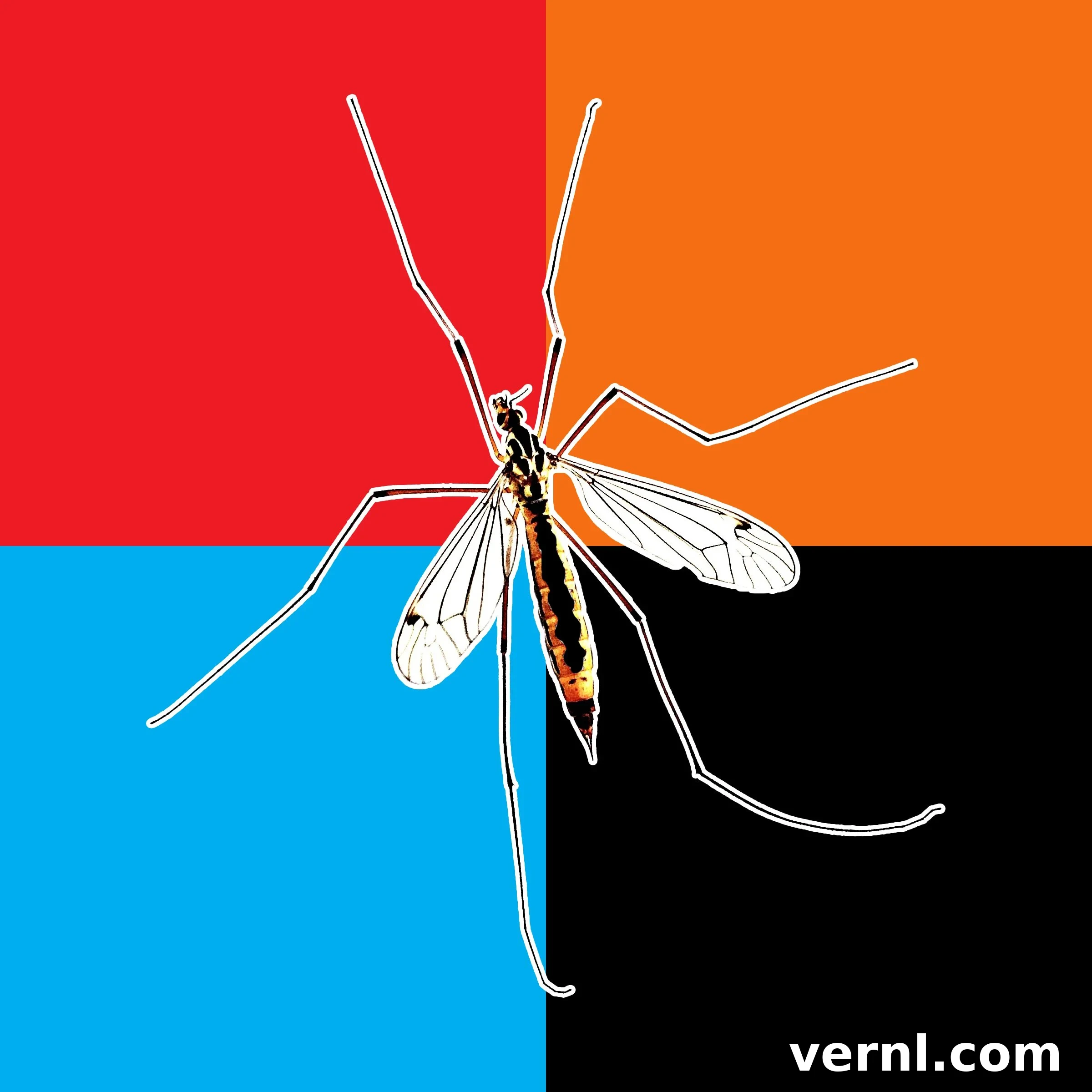
Few things disrupt the tranquility of a warm evening or a backyard barbecue quite like the incessant buzz and subsequent itchy bite of a mosquito. These tiny insects are more than just an annoyance; they are formidable disease vectors, making them a year-round menace in many climates, especially in regions like Texas where temperatures frequently stay above 50 degrees Fahrenheit. For generations, the battle against mosquitoes has involved an array of defenses—from screens and sprays to various gadgets—yet many of these solutions often feel like half-measures, offering temporary relief rather than definitive protection.
The constant struggle against mosquitoes has spurred innovative research into more effective and perhaps simpler methods of deterrence. What if our everyday choices, specifically the colors we wear, could play a significant role in making us less appealing targets? This intriguing question was at the heart of a groundbreaking study that investigated how the yellow fever mosquito (Aedes aegypti), a notorious carrier of diseases like Zika, dengue, and yellow fever, responds to different colors. The findings were quite remarkable: mosquitoes exhibit distinct preferences, being drawn to certain hues while actively avoiding others. However, this color preference isn’t a standalone phenomenon; it’s intricately linked to the presence of carbon dioxide (CO2), the very gas we exhale with every breath.
Jeff Riffell, the lead author of this pivotal study, articulates a common frustration, stating, “One of the most common questions I’m asked is ‘What can I do to stop mosquitoes from biting me?'” The research offers a compelling answer that extends beyond traditional repellents. According to the study findings, understanding mosquito color perception holds immense potential. This knowledge could revolutionize how we approach personal protection, influencing our clothing choices, and even paving the way for the development of advanced mosquito-fighting technologies, from smarter traps to more effective repellents.
The Science of Attraction: How Mosquitoes See the World
To truly understand how color influences mosquito behavior, we must delve into their sensory world. Mosquitoes don’t simply stumble upon their hosts; they actively hunt for them using a sophisticated array of senses. Carbon dioxide (CO2) is their primary long-range beacon. When we exhale, we release plumes of CO2 that dissipate into the air. Mosquitoes, particularly females seeking a blood meal, possess highly sensitive receptors that can detect these subtle changes in CO2 concentration from impressive distances, sometimes up to 30 feet away. This CO2 signal acts as a chemical “breadcrumb trail,” guiding them towards a potential host.
Once a mosquito detects a CO2 plume and begins to fly upwind towards its source, other sensory cues come into play. Body heat, moisture, and specific human odors all become increasingly important as the mosquito gets closer. Crucially, at these closer ranges, visual cues become paramount. This is where color enters the equation. The Washington University study, published in Nature Communications, meticulously explored this interaction between CO2 and visual stimuli. Researchers created a controlled, sophisticated test chamber, initially filled with filtered air and a population of Aedes aegypti mosquitoes. They then introduced precisely measured amounts of CO2, mimicking human breath, and observed the mosquitoes’ reactions to various colored objects placed within the chamber. This innovative methodology allowed them to isolate and quantify the effect of color in a scenario closely resembling a mosquito’s natural host-seeking flight path. Find out if mosquitoes can bite through clothes.
Colors That Attract Mosquitoes: A Hunter’s Palette
The study clearly identified a set of colors that act as powerful attractants for mosquitoes, particularly when combined with the presence of CO2. These colors represent wavelengths of light that seem to stimulate the mosquito’s visual system in a way that suggests a host is nearby. Understanding these preferences can help us make more informed choices when planning outdoor activities.
Red: The Universal Target
Among the most significant findings was the strong attraction to red. Mosquitoes in the study consistently gravitated towards red objects. This isn’t surprising when we consider that human skin, regardless of its specific tone or shade, emits a distinct red-orange hue in the mosquito’s visible light spectrum. To a mosquito, every person looks like a warm, inviting, and ultimately, a tasty red treat. This long-wavelength color is perceived as a strong indicator of a blood meal source, making red clothing a potentially counterproductive choice if you’re trying to avoid bites. This revelation underscores why simply having a tan or darker skin tone doesn’t make one immune to mosquito attention; the underlying red spectrum of human skin is a constant attractant.
Orange: A Close Second to Red
Similar to red, orange also falls into the long-wavelength end of the visible light spectrum, and mosquitoes exhibited a notable preference for it. When researchers utilized specific filters to remove these long-wavelength colors from the test chamber, the mosquitoes’ interest significantly waned. This effect was so pronounced that even when human hands were introduced into the chamber, the mosquitoes showed less interest if the attractive long wavelengths were filtered out. This reinforces the idea that mosquitoes rely heavily on these specific color signals to locate hosts.
Black: A Classic Mosquito Magnet
The attraction of mosquitoes to black is a long-established phenomenon, and this study further confirmed it. Black is often described as a “mosquito magnet” for several reasons. Firstly, mosquitoes are drawn to dark colors and high contrast. As early as 1940, researchers demonstrated that mosquitoes can effectively follow a black line on a white background, even if the background was in motion, highlighting their ability to perceive and track dark visual cues. Secondly, black isn’t technically a color in the traditional sense of having a specific wavelength; instead, it absorbs nearly all visible light. This absorption translates directly into heat retention. Mosquitoes, being acutely sensitive to temperature changes, are naturally drawn to warmer objects, making black clothing or surfaces particularly appealing.
Cyan: An Unexpected Attraction
Perhaps the most intriguing finding among the attractant colors was cyan. Despite being positioned between blue and green on the visible light spectrum—colors that mosquitoes generally showed no preference for—mosquitoes in the study flew directly towards the cyan object. This suggests a more complex visual processing system in mosquitoes than previously understood, hinting at specific spectral sensitivities that warrant further investigation. While the exact reasons for cyan’s appeal are still being explored, its inclusion in the list of attractive colors adds another layer to our understanding of mosquito vision.
Colors That Repel Mosquitoes: Your Defensive Wardrobe
Fortunately, the study also identified colors that mosquitoes tend to avoid, offering a potential passive defense mechanism against their bites. While wearing these colors alone is unlikely to provide complete protection, especially during peak mosquito activity, they can certainly contribute to a multi-layered prevention strategy. David Price ACE, Director of Technical Services at Mosquito Joe, a Neighborly Company, aptly notes that while promising, these colors shouldn’t be your sole defense. He advises combining them with insect repellent to mask the CO2 and other olfactory cues our bodies release, helping you deter mosquitoes effectively.
Blue: Lighter Shades for Better Protection
Overall, blue was unpopular with mosquitoes in the study. However, the nuance of shade plays a crucial role. Darker blues, such as navy, can absorb heat much like black, potentially negating some of their repellent qualities. Price recommends opting for lighter shades of blue, which reflect more light and, consequently, absorb less heat. This combination of visual avoidance and reduced thermal signature can make lighter blues a more effective choice for outdoor wear.
Green: A Natural Deterrent
The repellent effect of green was strikingly demonstrated in experiments where researchers offered mosquitoes human hands. While mosquitoes showed clear interest in bare hands, when the researchers donned green gloves, the mosquitoes largely ignored them and flew right by. This simple yet powerful demonstration suggests that incorporating green into your outdoor wardrobe could make you significantly less visible and less appealing to these pests. Given its prevalence in natural environments, it’s plausible that mosquitoes have evolved to associate green with non-host elements, or perhaps it simply doesn’t trigger their host-seeking visual receptors.
Violet: The Shortest Wavelength, The Least Interest
Violet, located at the shortest wavelength end of the visible light spectrum, proved to be another color that mosquitoes largely ignored. Given their strong attraction to the longer wavelengths of red and orange, it’s logical that violet, with its distinctly different spectral properties, would hold little appeal. This further supports the hypothesis that mosquitoes’ visual systems are tuned to specific wavelength ranges that correspond to host characteristics.
White: The Control and the Protector
White served as the control object in the study, meaning it was consistently paired with every other color for comparison. Even in the presence of CO2, a powerful attractant, mosquitoes consistently avoided the white object when presented with colors they preferred. This suggests that white, by reflecting most light and absorbing minimal heat, presents a “non-host” signal to mosquitoes. Wearing white, therefore, can be a simple yet effective way to make yourself less noticeable to these biting insects.
Beyond Color: A Comprehensive Approach to Mosquito Prevention
While strategically choosing your wardrobe colors offers a novel layer of defense, it’s important to remember that it’s just one tool in a comprehensive mosquito prevention strategy. For truly effective control and to significantly reduce mosquito populations around your home, a multi-pronged approach is essential. David Price offers several invaluable tips to combat mosquitoes in your yard that go beyond personal attire:
- Eliminate Standing Water: This is arguably the most critical step. Mosquitoes lay their eggs in stagnant water, and they don’t need much—even a bottle cap full can be a breeding ground. Regularly check and empty water from flower pots, birdbaths, pet bowls, old tires, buckets, and any other containers that collect rainwater. Aim to do this at least once a week to disrupt their life cycle.
- Ensure Proper Drainage: Inspect and clean your gutters regularly to prevent clogs that can create standing water. For items like tire swings, trash cans, and recycling bins that are prone to collecting water, consider drilling drainage holes in the bottom to allow water to escape. Check for clogs and debris after heavy rains.
- Repair Leaks Promptly: Leaky outdoor faucets, irrigation systems, or hoses can create small, persistent puddles that are ideal breeding sites for mosquitoes. Addressing these leaks not only conserves water but also eliminates potential mosquito nurseries, denying disease vectors a place to thrive.
- Maintain Your Landscaping: Mosquitoes prefer to rest in cool, shady, and humid environments during the hottest parts of the day. Keeping your grass cut short, trimming dense shrubs, and removing weeds will reduce these resting spots on your property. A well-maintained yard is less inviting for mosquitoes seeking refuge.
- Utilize Fans Outdoors: When gathering on your patio or deck, set up oscillating fans. Mosquitoes are relatively weak flyers and struggle against even a gentle breeze. The air movement created by a fan not only makes it harder for them to fly but also helps disperse the CO2 plumes and body odors that attract them, making you harder to detect.
- Manage Lawn Watering: Avoid overwatering your lawn, which can lead to soggy areas and puddles. Additionally, fill in any low-lying areas or depressions in your yard where water tends to collect after rain or irrigation. A dry yard is a less hospitable environment for mosquitoes.
- Consider Insect Repellents: For direct personal protection, especially during peak mosquito activity (dusk and dawn), apply an EPA-approved insect repellent containing ingredients like DEET, picaridin, oil of lemon eucalyptus, or IR3535. Remember that screens, sprays and gadgets offer varying degrees of effectiveness, so choose wisely.
- Secure Your Home: Ensure all window and door screens are in good repair, free of holes or tears, to prevent mosquitoes from entering your living spaces. Use mosquito netting around beds or strollers if needed, particularly in areas with high mosquito populations.
Conclusion: Empowering Your Defense Against Mosquitoes
The latest scientific insights into mosquito behavior, particularly their response to color, offer a fascinating and practical new dimension to our long-standing battle against these ubiquitous pests. While wearing specific colors like blue, green, violet, and white can make you less of a target, it’s crucial to integrate this knowledge into a broader, holistic strategy. By combining informed clothing choices with diligent yard maintenance, effective use of repellents, and smart outdoor habits, you can significantly reduce your risk of mosquito bites and reclaim your outdoor spaces. If, despite your best efforts, mosquitoes remain a persistent nuisance, don’t hesitate to contact a professional pest control service, like those at Mosquito Joe. Experts can assess your property for hidden breeding grounds and implement targeted solutions to get these buzzing beasts under control, ensuring a more comfortable and bite-free season for you and your family.