The Critical Importance of Energy Star: Why We Must Defend This Vital Program
Since its inception in 1992, the Energy Star program has stood as a beacon of efficiency, delivering substantial financial relief to American households and businesses while championing environmental stewardship. This collaborative initiative, a joint venture between the Environmental Protection Agency (EPA) and the U.S. Department of Energy, has an unparalleled track record of success. According to its comprehensive 2024 report, Energy Star has facilitated an estimated cumulative savings of over $500 billion for homeowners and businesses, preventing the consumption of more than 5 trillion kilowatt-hours of electricity since its launch. On an annual basis, the program continues to generate approximately $40 billion in savings for American households alone—a monumental figure that underscores its profound economic impact and its role in easing the financial burden of energy costs.
Given such demonstrably positive outcomes and its broad public acceptance, the recent discussions surrounding the potential dissolution of this highly effective program by the Trump Administration have sparked widespread concern. The prospect of dismantling a program that consistently delivers tangible benefits to millions of Americans raises critical questions about the rationale behind such a decision, particularly one that has proven so beneficial to consumer welfare and economic stability.
The prevailing sentiment among many observers is that there is no sound, logical justification for discontinuing Energy Star. Instead, the move appears to align with a broader political agenda that has, on previous occasions, expressed skepticism towards energy-efficient appliances and environmental regulations. This parallels other controversial proposals that challenge established, beneficial federal initiatives, leaving many to wonder about the long-term implications of such policy shifts on public welfare, economic stability, and the nation’s progress towards a more sustainable future.
Why is the Energy Star Program Facing Closure?
Reports emerged following a May 5 staff meeting at the Environmental Protection Agency (EPA) that the agency was planning to discontinue the widely popular Energy Star program, with news breaking publicly the following day. This development is perceived by many as a direct consequence of the Trump administration’s broader strategy to scale back federal agencies and roll back environmental regulations. However, for a program like Energy Star, which is renowned for its widespread popularity and substantial benefits to everyday Americans, such a move is seen as counterproductive. Critics argue that dismantling Energy Star would inflict unnecessary economic harm on average consumers, drawing parallels to the negative impacts of other policies, such as certain tariffs, that disproportionately affect household budgets and overall economic health.
The proposed cuts appear to stem from an executive order signed by President Trump shortly after his inauguration this year, which called for a comprehensive review and scaling back of energy-saving programs. The intention to eliminate Energy Star seems to be a direct implementation of this directive, despite the program’s proven efficacy, broad bipartisan support historically, and clear public endorsement across various demographics.
From an economic and consumer perspective, terminating the Energy Star program would represent an ill-advised decision with far-reaching negative consequences. Regardless of one’s political stance on environmental regulations, the fundamental truth remains: Energy Star demonstrably reduces power bills for American households and businesses. In an era where financial prudence and cost-saving measures are paramount for families and small businesses alike, programs that deliver genuine, measurable cost savings are invaluable. Energy Star embodies a highly successful public-private partnership, a testament to effective governance that directly and positively impacts the daily lives of millions, providing a straightforward, trusted mechanism for families and businesses to save money and reduce their environmental footprint without imposing burdensome requirements or complex mandates.
Exploring the Unrivaled Benefits of Energy Star
The efficacy of the Energy Star program is perhaps best illustrated through its compelling financial metrics and unparalleled return on investment. Consider the sheer efficiency of its operation: the program functions on an annual budget of approximately $32 million, which accounts for less than one percent of the EPA’s total budget. This comparatively modest federal investment generates an extraordinary annual savings of roughly $40 billion for consumers. Such an equation highlights an undeniable truth: a small, strategic federal outlay yields monumental financial benefits for the public, making it one of the most cost-effective federal programs ever devised.
This principle can be likened to the strategic upgrade of household appliances. Replacing outdated, inefficient models from previous decades with modern, Energy Star certified alternatives represents an initial investment. However, over time, the sustained reduction in utility bills consistently demonstrates the significant impact such a change has on a homeowner’s bottom line. The program effectively acts as a catalyst for these beneficial upgrades across millions of homes and businesses, translating into substantial cumulative savings and freeing up disposable income for other expenditures, thereby stimulating local economies.
Beyond the direct reduction in utility costs, Energy Star offers additional layers of financial benefit through various incentives. Households undertaking energy-efficient upgrades to their homes can qualify for substantial federal tax credits, potentially reaching up to $3,200 annually. These valuable incentives cover a wide array of home improvements, from simply replacing older, energy-guzzling appliances with Energy Star certified models to installing advanced, high-efficiency systems like heat pumps or highly efficient hot water heaters. These tax credits significantly defray the upfront costs of upgrades, making energy-efficient choices more accessible and financially appealing for a broader segment of the population, including low- and middle-income families.
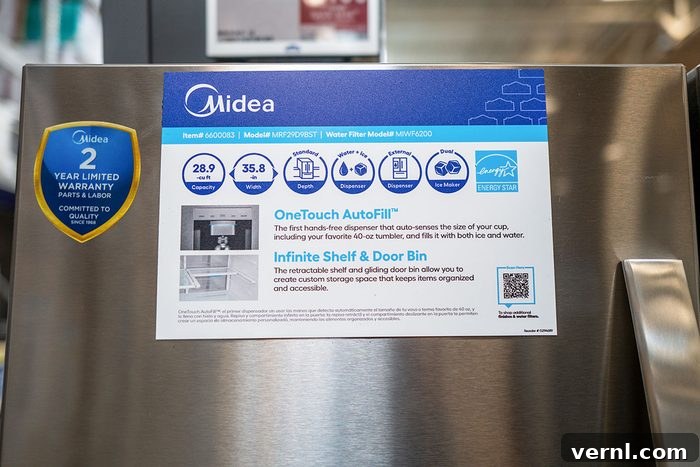
The benefits of Energy Star extend far beyond individual pocketbooks; they also play a pivotal role in driving market transformation and fostering innovation within industries. By setting clear standards for energy efficiency, the program encourages manufacturers to innovate and produce more energy-efficient products. This fosters a competitive market where consumers have a wider selection of high-performing, cost-saving options across numerous product categories. From lighting solutions and consumer electronics to heating, ventilation, and air conditioning (HVAC) systems, and even entire homes, the Energy Star label has become a trusted symbol. It simplifies complex purchasing decisions for millions, guiding them towards products that save money, enhance comfort, and reduce environmental impact. It’s a classic win-win scenario, fostering both economic prudence and corporate responsibility.
Moreover, the program’s environmental dividends are immense and critical for a sustainable future. By encouraging reduced energy consumption across homes and businesses, Energy Star directly contributes to a significant decrease in greenhouse gas emissions. This translates into cleaner air, healthier communities, and a substantial step towards mitigating climate change, fulfilling a core mission of the EPA. The reduced overall demand on power grids also lessens the need for new, often carbon-intensive, energy infrastructure, further benefiting both the national economy and the environment. The Energy Star program is not merely about saving money; it’s about building a more resilient and sustainable future, one efficient appliance and one smart home upgrade at a time. The cumulative effect of millions of individuals and businesses making energy-conscious choices, guided by the reliable Energy Star certification, represents a powerful collective action towards a greener, healthier planet for generations to come.
Can We Still Act to Preserve Energy Star?
Crucially, the Energy Star program has not yet been officially terminated. While the current administration has signaled its intent to curtail or eliminate various federal programs, particularly those related to environmental regulations, the fight to preserve Energy Star is ongoing. The strong support it garners from diverse sectors, including industry, environmental groups, and municipal governments, suggests that its future, though uncertain, is not predetermined and remains a point of active advocacy.
Indeed, a formidable coalition is actively campaigning to keep the program intact. In April, a collective of more than 1,000 entities—encompassing a broad spectrum of organizations from construction companies and environmental nonprofits to municipal governments and county administrations—submitted a compelling letter to EPA Administrator Lee Zeldin. This collective plea passionately urged the agency to safeguard Energy Star, emphasizing its indispensable value not only for environmental protection but also for economic growth and consumer savings across the nation.
The letter underscored not only the statistics regarding the program’s relatively minuscule operational cost compared to its monumental benefits but also highlighted a staggering efficiency ratio: for every single dollar invested by the federal government in the Energy Star program, American consumers realize an astonishing $350 in savings. This unparalleled return on investment firmly establishes Energy Star as one of the most cost-effective and undeniably beneficial federal initiatives in existence, making its potential elimination difficult to justify by any fiscal metric.
The overarching message is clear: Energy Star represents an extraordinary bargain for the American public—an investment that pays dividends many times over, year after year, for decades. The hope is that such a powerful and unified message from a wide array of businesses, organizations, and governmental bodies will resonate deeply with policymakers and ultimately influence the decision-makers to preserve this vital program.
However, relying solely on advocacy letters and collective appeals may not be sufficient. Proactive engagement from individual citizens is often the most potent force for change in a democratic society. It is strongly advised that concerned individuals take direct action by contacting their local member of Congress and their respective state Senators. Urge them unequivocally to support and defend the Energy Star program, emphasizing its direct financial benefits to their constituents. Experience has shown that administrations, when faced with widespread public opposition and a deluge of constituent demands, often reconsider or modify potentially detrimental policy proposals. If elected representatives receive a flood of calls and messages demanding the preservation of a program that directly saves their constituents money, it significantly increases the likelihood that they will champion the program and advocate for the fiscally responsible and publicly beneficial course of action.
Your voice has power. By making it heard through direct communication with your elected officials, you contribute significantly to safeguarding a program that not only protects household budgets but also fosters a more energy-efficient, economically robust, and environmentally sustainable future for all Americans. The continued success and invaluable impact of Energy Star ultimately depend on collective action and a clear demonstration of public will and advocacy.