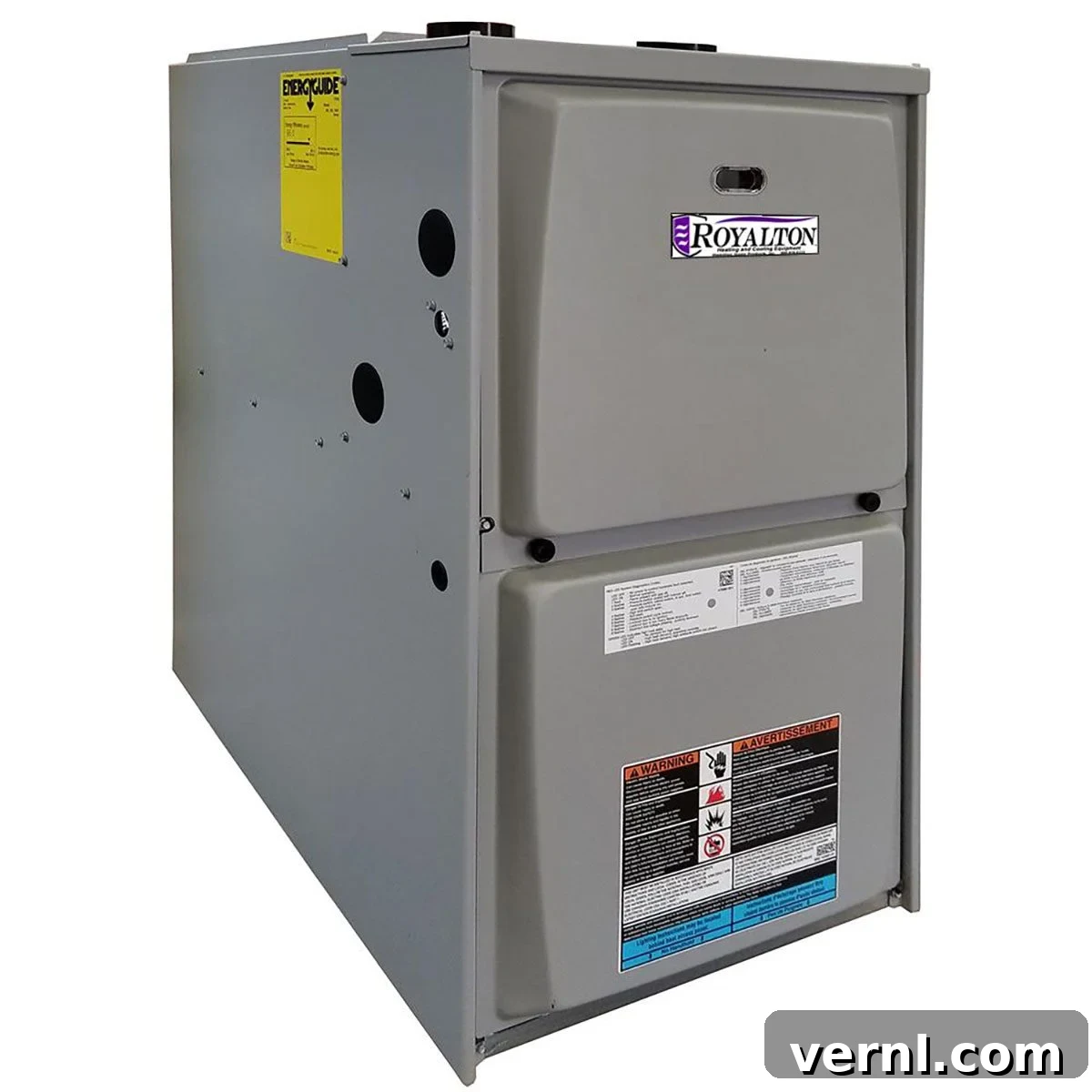
The journey towards more energy-efficient home heating systems began to capture public attention significantly in the 1980s. This era marked a pivotal moment, as the National Appliance Energy Conservation Act of 1987 mandated a minimum efficiency standard of 78 percent for all new furnaces. This meant that at least 78% of the heat generated by a furnace had to be delivered into the home, a vast improvement from earlier models that could lose up to 40% of their heat through exhaust vents.
Fast forward to today, and the landscape of home heating has evolved considerably. Standard new furnaces now boast an efficiency rating of 80 percent AFUE (Annual Fuel Utilization Efficiency). Furnaces that achieve a rating of 90 percent or higher are proudly designated as high-efficiency models. This advancement isn’t just about meeting regulatory requirements; it’s about providing homeowners with substantial savings on their energy bills, enhancing comfort, and contributing to a more sustainable environment. Understanding these efficiency ratings is crucial for anyone looking to optimize their home’s heating performance, whether you’re considering a new installation or simply curious about your existing system.
Deciphering Furnace Energy Efficiency Ratings (AFUE)
At the heart of furnace efficiency is the Annual Fuel Utilization Efficiency (AFUE) rating. This metric provides a clear picture of how effectively a furnace converts fuel into usable heat over a typical heating season. Essentially, AFUE is the ratio of a furnace’s annual heat output to its annual energy consumption. Since furnaces that rely on combustion (like gas or oil furnaces) produce carbon monoxide, they require a venting system to safely expel these gases. Unfortunately, these vented gases carry away some of the heat produced, leading to an inherent loss of efficiency.
The Department of Energy (DOE) plays a crucial role in setting and reviewing these standards. In 2007, the minimum AFUE requirement was raised from 78 percent to 80 percent, a move that subtly but significantly impacted the market. Since then, there have been ongoing discussions and proposals to further increase this minimum, particularly for homes in colder climates where heating demands are higher and potential energy savings are more substantial. While legislative efforts have faced various challenges, the DOE continues to regularly review these policies and actively solicits public feedback, underscoring the dynamic nature of energy conservation efforts. For homeowners, higher AFUE ratings directly translate to less wasted fuel and lower monthly utility bills, making them an important consideration for long-term savings and environmental impact.
Navigating the Nuances of AFUE and Heating Systems
While the AFUE rating appears straightforward, it’s essential to understand its specific application and limitations. The AFUE rating primarily applies to combustion-based heating systems, such as gas furnaces and boilers. Other heating methods have different ways of measuring efficiency.
Electric Furnaces: A Different Kind of Efficiency
It’s worth noting that fully electric furnaces operate on a different principle. Since they do not burn fuel, they don’t produce combustion byproducts or require venting. This means they don’t lose heat through exhaust gases, leading to an effective efficiency close to 100%. However, this high “efficiency” doesn’t always equate to lower operating costs, as electricity can be significantly more expensive per BTU than natural gas or oil, depending on local utility rates. Homeowners considering electric furnaces should weigh the absence of venting losses against the cost of electricity in their region.
Heat Pumps: Beyond AFUE
Another common heating technology, the heat pump, is also distinct from a furnace. Heat pumps have exterior units and operate by transferring heat rather than generating it through combustion. Consequently, they use separate efficiency metrics like SEER (Seasonal Energy Efficiency Ratio) for cooling and HSPF (Heating Seasonal Performance Factor) for heating, and thus do not have an AFUE rating. Many heat pump systems, especially in colder climates, are designed as “dual-fuel” systems, meaning they have a backup heat source, typically a gas or electric furnace. It is this backup furnace that *will* have an AFUE rating, and its efficiency becomes relevant when the heat pump alone cannot meet the heating demand.
Beyond the Furnace: The Whole-Home Efficiency Equation
Crucially, AFUE primarily measures the efficiency of the furnace itself in converting fuel to heat, focusing on heat lost through intentional venting. It does not account for heat loss that occurs elsewhere in your home’s heating system or building envelope. For example, a furnace’s efficiency rating won’t tell you about heat loss due to leaks in your duct system or inadequate insulation in your walls and attic. A hyper-efficient furnace connected to leaky ductwork or installed in a poorly insulated home will still result in sky-high heating bills. Therefore, a holistic approach to home energy efficiency is vital, considering factors like:
- Ductwork Integrity: Leaks in ducts can dramatically reduce the amount of conditioned air reaching living spaces.
- Insulation Levels: Proper wall, attic, and floor insulation prevents heat from escaping your home.
- Window and Door Sealing: Drafts from old windows or poorly sealed doors are major sources of heat loss.
- Air Sealing: Cracks and gaps in the building envelope allow conditioned air to escape and unconditioned air to enter.
- Thermostat Management: Smart thermostats and proper programming can optimize heating schedules.
- Regular Maintenance: Annual furnace tune-ups ensure the system operates at peak efficiency.
While you *could* attempt to determine AFUE on your own using complex calculations, it is far more practical and reliable to refer to the manufacturer’s calculation. (For those interested in the technical details, the official procedures from the Office of Energy Efficiency and Renewable Energy provide comprehensive guidance.) It is also important to remember that efficiency is just one component of overall operating cost. A low-efficiency furnace equipped with advanced features like a variable-speed blower or two-stage heating might consume less energy over time than a basic high-efficiency unit running continuously at full power.
Identifying a High-Efficiency Heating System in Your Home
Determining whether your current furnace or boiler is a high-efficiency model is straightforward, thanks to regulations requiring manufacturers to display the AFUE rating. Here’s how you can find out:
The Yellow EnergyGuide Label
The easiest way to check is to look for the bright yellow EnergyGuide label, usually located on the outside of your furnace or boiler. This label is a standard feature on all new appliances and clearly displays the AFUE rating, often indicating whether the unit is considered high-efficiency. This label also provides other useful information, such as estimated annual energy consumption and operating costs, helping you compare different models.
Model Number Lookup
If the label is missing, damaged, or unreadable, don’t worry. You can typically find the model and serial number on a metal plate or sticker inside the furnace cabinet. With this information, a quick online search on the manufacturer’s website or an energy efficiency database will allow you to determine the exact AFUE rating of your unit. This method is particularly useful for older furnaces where the EnergyGuide label might have deteriorated over time.
Visual Inspection: A Quick Glance
Beyond labels and model numbers, you can also often determine your furnace’s efficiency level with a simple visual inspection of its venting system. This method relies on understanding the fundamental difference in how standard and high-efficiency furnaces exhaust combustion gases:
- Standard-Efficiency Furnaces (80% AFUE or less): These furnaces typically vent to the chimney or roof via a metal flue pipe. This type of venting system, often made of galvanized steel or B-vent, relies on the natural buoyancy of hot exhaust gases to carry them outside. Because the exhaust temperatures are high, a significant amount of heat is lost in this process.
- High-Efficiency Furnaces (90% AFUE or more): A clear indicator of a high-efficiency furnace is the presence of a pair of PVC or CPVC pipes acting as both intake and exhaust. These plastic pipes signify a “sealed combustion” system. High-efficiency furnaces extract more heat from the combustion gases, resulting in much cooler exhaust that can be safely vented through plastic. One pipe typically draws fresh combustion air from outside, while the other expels the cooled exhaust gases. This sealed system prevents the furnace from drawing heated air from inside your home for combustion, further enhancing efficiency.
Understanding these visual cues can give you a quick assessment of your heating system’s efficiency level. If you’re looking for recommendations, many reputable brands offer a range of high-efficiency models. Some of the best furnace brands focus heavily on innovation and energy savings.
The Financial Equation: Energy Efficiency vs. Cost
The upfront cost of a high-efficiency furnace is invariably higher than that of a standard-efficiency model. However, these systems are designed to deliver significant savings on energy consumption over their lifespan. The critical question for homeowners is whether these energy savings are substantial enough to justify the increased initial investment. The answer is nuanced and depends on several key factors:
Initial Purchase Price
High-efficiency furnaces incorporate more sophisticated technology, such as secondary heat exchangers, induced draft fans, and sealed combustion systems, all of which contribute to a higher manufacturing cost. Generally, you can expect to pay anywhere from one-and-a-half to two times the price of a standard-efficiency model for a high-efficiency unit. This typically translates to an initial furnace cost ranging from $2,000 to $6,000, depending on the brand, model, features, and BTU output required for your home.
Installation Costs and Considerations
Beyond the unit itself, installation costs can also be higher for a high-efficiency system, especially if you’re upgrading from an older, standard-efficiency furnace. The primary reason for this is the required change in the venting system. High-efficiency furnaces and boilers necessitate the installation of a new, sealed-combustion system using PVC or CPVC pipes. This can be a relatively minor expense or a major undertaking depending on your home’s layout and the complexity of routing new vent pipes. In some cases, it may also require adjustments to the ventilation of other gas appliances, such as your gas water heater, to ensure proper and safe operation. Budgeting a few hundred to over a thousand dollars for these venting modifications is a reasonable expectation.
Long-Term Energy Savings
The true value of a high-efficiency furnace lies in its ability to significantly reduce your monthly heating bills. By converting a larger percentage of fuel into usable heat, these systems can lower your energy consumption by 15-30% or even more compared to older, less efficient models. The actual savings will vary based on:
- Climate: Homes in colder regions with longer heating seasons will see greater savings.
- Fuel Prices: Areas with high natural gas or oil prices will experience a quicker return on investment.
- Home Usage: How often and at what temperature you heat your home plays a crucial role.
- Home Envelope: As discussed, a well-insulated and air-sealed home maximizes the benefits of an efficient furnace.
Payback Period
The “payback period” is the amount of time it takes for the energy savings to offset the higher initial cost of the high-efficiency furnace. This period can range from a few years to a decade or more. Homeowners who plan to stay in their homes for an extended period are more likely to fully realize the financial benefits of their investment. To estimate your payback, you can divide the difference in upfront cost between a standard and high-efficiency unit by the estimated annual energy savings.
Tax Credits and Rebates
To encourage the adoption of energy-efficient technologies, governments and utility companies often offer various incentives. These can include federal tax credits, state-level rebates, and local utility programs that can significantly reduce the net cost of purchasing and installing a high-efficiency furnace. These programs are subject to change, so it’s crucial to consult official sources, such as the DOE’s Energy Star site, for the most current information and eligibility requirements before making a purchase.
Environmental Impact and Resale Value
Beyond the direct financial benefits, choosing a high-efficiency furnace contributes to a reduced carbon footprint, supporting broader environmental goals. Additionally, an energy-efficient home can be a more attractive selling point in the real estate market, potentially increasing your home’s resale value. In an era where energy costs and environmental concerns are increasingly important, an efficient heating system adds tangible value.
Ultimately, while determining a furnace’s efficiency is an essential first step, it’s just one part of evaluating your home’s overall energy consumption and making an informed decision that balances initial cost, long-term savings, comfort, and environmental responsibility.
Furnace FAQs: Common Questions and Parts Explained
Whether you’re trying to understand how your furnace works or troubleshooting issues, here are the answers to some of the most common furnace questions, along with valuable resources for deeper insights into your heating system:
- What Is a Furnace? Explore the fundamental definition and purpose of this essential home appliance.
- How Does a Gas Furnace Work? Delve into the intricate process of how a gas furnace heats your home, from ignition to heat distribution.
- Understanding the Different Parts of a Furnace Get familiar with the various components that make up your furnace and their individual functions.
- What That Furnace Switch Is For Learn about the mysterious furnace switch and its vital role in your system’s operation.
- What Is a Furnace Heat Exchanger? Understand the critical component responsible for transferring heat from combustion gases to the air circulating in your home.
- What Is a Furnace Inducer Motor? Discover the function of the inducer motor, particularly important in modern high-efficiency furnaces.
- What Does a Furnace Pressure Switch Do? Learn about this safety device that monitors airflow and ensures safe operation.
- How Much Will It Cost to Replace a Furnace Blower Motor? Get insights into the potential costs associated with replacing a key component that circulates heated air.
- Boilers vs. Furnaces: What’s the Difference? Compare these two common heating systems to understand their distinct operating principles.
- How to Choose Between a Heat Pump vs. a Furnace Weigh the pros and cons of heat pumps versus traditional furnaces to determine the best heating solution for your home.