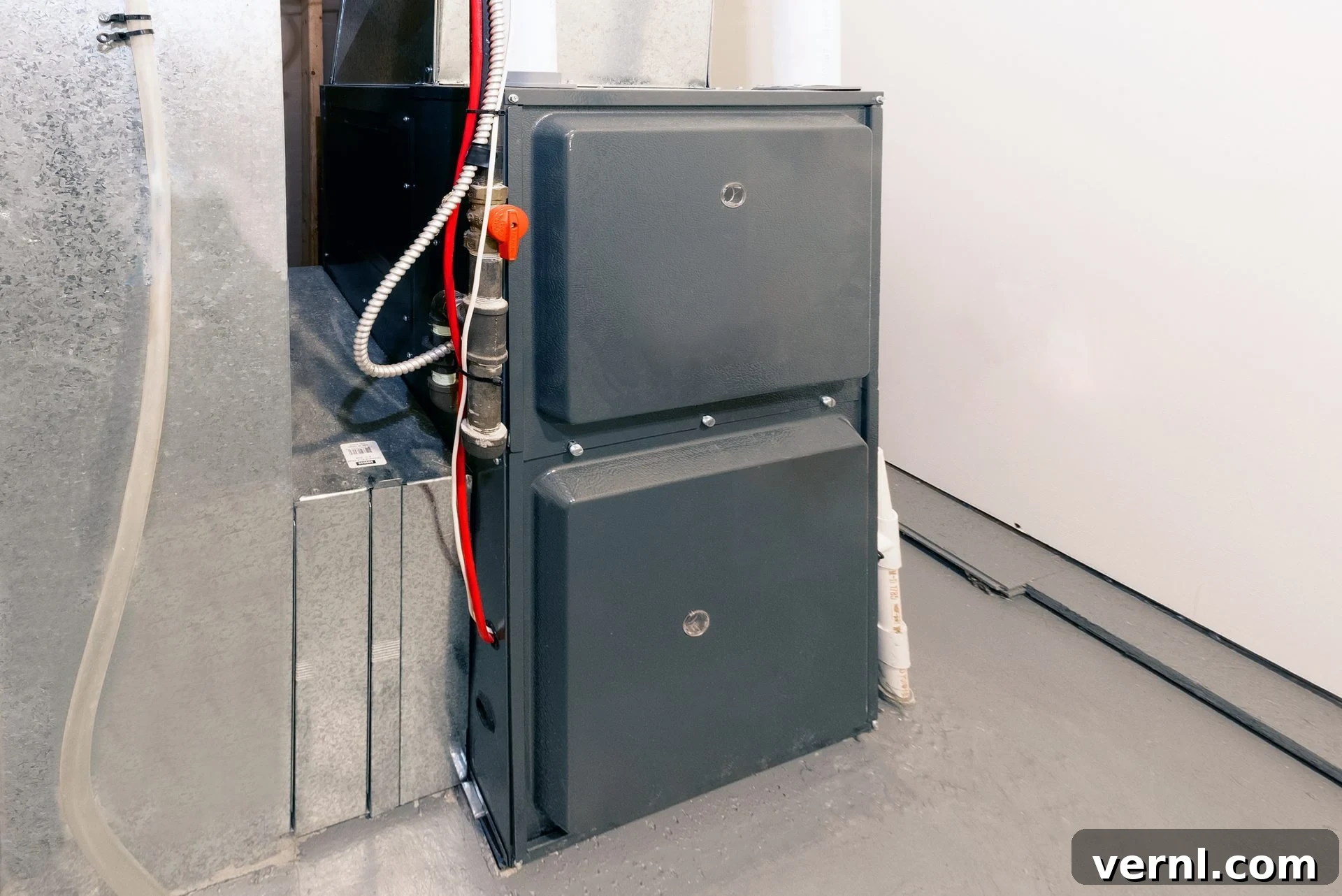
Navigating the vast landscape of home heating systems can be a daunting task for any homeowner. From an overwhelming number of brands to countless models, selecting the right furnace often feels like sifting through a complex maze. Many brands, despite their distinct names, are often manufactured by a relatively small group of core companies, further blurring the lines between options. This article aims to simplify your decision-making process by focusing on key features and highlighting the industry’s most reliable and efficient furnace brands.
As heating and cooling expert Dan Stout, a former residential remodeler, commercial site supervisor, and maintenance manager, advises, “One effective way to narrow down your choices is to concentrate on a single critical feature, such as energy efficiency. This allows you to identify brands and models that align with your priorities before delving into other specifics.”
Understanding Furnace Energy Efficiency: AFUE and Energy Star
Before we dive into the best furnace brands, it’s crucial to grasp the significance of energy efficiency ratings. The definitive standard for furnace efficiency is the Annual Fuel Utilization Efficiency (AFUE) rating, a metric endorsed by Energy Star. As Stout explains, “The AFUE rating indicates the percentage of fuel a furnace converts into usable heat for your home. For example, a furnace with a 97 AFUE rating is 97% efficient, meaning only 3% of the fuel’s energy is lost during the heating process, typically through exhaust.”
Higher AFUE ratings directly translate to lower energy bills and reduced environmental impact. Energy Star, a U.S. government-backed program, helps consumers identify products that meet strict energy efficiency guidelines. When a furnace is labeled “Energy Star Most Efficient,” it signifies that it offers superior energy performance, often exceeding federal minimum standards. These highly efficient models not only keep your home warm but also help you save significant money on fuel costs over their lifespan.
We’ve meticulously reviewed the Energy Star Most Efficient Furnaces list, consolidating the numerous models under their respective, most well-known brand names. Our goal is to present a clear picture of what each leading brand offers, emphasizing their various product lines and their connection to these familiar names in the HVAC industry.
The Best Furnace Brands for Optimal Home Heating
Choosing a furnace is a long-term investment in your home’s comfort and efficiency. Our selection of top brands considers factors such as reliability, technological innovation, energy performance, customer satisfaction, and overall value. Here are the leading furnace brands that consistently deliver exceptional heating solutions:
- Carrier
- Goodman
- MRCOOL
- Lennox
- Rheem
Carrier: A Legacy of Premium Comfort and Innovation
Carrier stands as a cornerstone in the heating, ventilation, and air conditioning (HVAC) industry, renowned globally for its premium heating and air conditioning solutions. As a brand under the umbrella of United Technologies Corporation (UTC), Carrier has built a formidable reputation for manufacturing high-end furnaces that blend cutting-edge technology with user-friendly controls. While these advanced features and superior build quality often come with a higher price tag compared to some competitors, the investment typically translates into unparalleled comfort, reliability, and long-term energy savings.
Carrier offers an impressive array of furnace options across various product lines, catering to diverse homeowner needs. The brand is celebrated for its commitment to energy efficiency, consistently partnering with Energy Star to deliver models that push the boundaries of performance. A prime example is the Carrier 59MN7 Infinity 98 Series, which boasts an astonishing 98.5 AFUE rating – one of the highest in the residential market. Beyond raw efficiency, Carrier’s premium furnace lines often feature sophisticated control systems, such as the Infinity Touch control. This intuitive interface empowers homeowners to precisely manage not just temperature, but also humidity, ventilation, airflow, and indoor air quality across up to eight distinct zones within their home, offering truly customized comfort.
Pros
- Achieves exceptional energy efficiency through strong partnership with Energy Star.
- Delivers superior performance and consistent heating comfort.
- Furnaces are equipped with advanced features and smart technology for enhanced control.
- Many models include integrated humidity control, improving overall indoor air quality.
- Recognized for its quiet operation and durable construction.
Cons
- Typically more expensive than competitor brands, representing a significant upfront investment.
- Accurate cost estimations often require an in-person visit from a certified dealer, limiting instant online pricing.
Goodman: Reliability and Value for the Everyday Homeowner
Goodman, a proudly U.S.-based company with a history spanning over three decades, became part of the Japanese conglomerate Daikin in 2012. Daikin, a global leader in HVAC technology, began manufacturing furnaces in the 1950s, bringing decades of engineering expertise to the Goodman brand. This acquisition means that Goodman furnaces often share similar components and manufacturing standards with the primary Daikin brand, ensuring a foundation of quality and reliability.
For homeowners seeking a dependable, relatively affordable furnace unit with a straightforward design and robust performance, Goodman is an excellent choice. The brand excels in offering solid, no-frills heating solutions that prioritize core functionality over complex smart features. Goodman furnaces are also lauded for their long-term ease of maintenance, a crucial factor for those who prefer a low-hassle heating system that minimizes ongoing service needs. This focus on durability and simplicity makes them a practical option for many households.
Goodman’s commitment to efficiency is evident in models like the GCVM97 and GMVM97 series, which feature units with an impressive AFUE rating of up to 98%. These models offer significant energy savings without the premium price tag often associated with high-efficiency units from other brands. The brand’s strong warranties, including a 10-year limited parts warranty and often a unit replacement warranty, further underscore their confidence in product longevity and performance.
Pros
- Offers exceptional value, providing high quality at a very affordable price point.
- Known for being well-made and remarkably reliable, ensuring consistent home comfort.
- Easy to maintain, contributing to lower long-term ownership costs and less hassle.
- Backed by a robust 10-year limited parts warranty, and often a two- or 10-year unit replacement warranty, providing peace of mind.
Cons
- Generally does not feature the most advanced smart technology or a wide array of high-end energy-efficient features found in premium brands.
- Design aesthetic is typically functional rather than focused on sleek, modern integration.
MRCOOL: Innovative DIY Solutions and Smart Home Integration
MRCOOL is an innovative American company, proudly headquartered in Kentucky, where all its furnaces, heat pumps, and other heating and cooling products are meticulously designed and shipped. The brand has carved a unique niche in the HVAC market by focusing on user-friendly and cost-effective solutions, particularly appealing to the growing segment of DIY enthusiasts. While widely recognized for its ductless mini-splits, MRCOOL also offers a range of furnaces that embody the same commitment to accessibility and affordability.
For homeowners with a knack for DIY projects, MRCOOL truly shines. They pioneered the concept of true DIY heating and cooling systems with their ductless mini-splits, which are uniquely designed for homeowner installation, eliminating the need for specialized tools or technicians in many cases. This DIY philosophy extends to their broader product range, making their systems more accessible. Furthermore, MRCOOL has embraced smart home technology, offering compatibility with popular voice assistants like Amazon Alexa and Google Assistant. This integration allows users to control their MRCOOL mini-split or compatible heating systems directly from their smartphones or through voice commands, seamlessly blending with the rest of a modern smart home ecosystem.
Pros
- Furnace units are exceptionally easy to access and purchase online, often directly from major retailers.
- Relatively affordable, making quality heating solutions more accessible to a wider budget range.
- Leverages newer smart technology for unparalleled user convenience and control.
- Typically offers a competitive 10-year registered parts warranty and an impressive 20-year heat exchanger warranty, highlighting product durability.
- A strong choice for DIY-minded homeowners due to ease of installation for many products.
Cons
- Given its more specialized niche, replacement parts for MRCOOL systems may be more challenging to source quickly in some geographical areas compared to more widely distributed brands.
- While excellent for DIY, advanced troubleshooting might still require professional assistance.
Lennox: The Epitome of High Efficiency and Quiet Performance
Lennox stands as a flagship brand in the HVAC industry, synonymous with cutting-edge technology and uncompromising quality, much like its premium counterpart, Carrier. With a long-standing reputation for manufacturing top-tier furnaces, Lennox has consistently set benchmarks for efficiency, innovation, and quiet operation. Homeowners who prioritize superior comfort, advanced features, and long-term energy savings often turn to Lennox for their heating needs.
Beyond crafting exceptionally reliable and high-quality furnace units, Lennox boasts an extensive product portfolio and a robust network of authorized retailers and installers. This widespread presence ensures that purchasing, installing, and maintaining a Lennox furnace unit is relatively straightforward, regardless of your location. A hallmark of Lennox furnaces is their industry-leading AFUE ratings and unparalleled energy-efficiency scores. Many Lennox models consistently make the Energy Star Most Efficient list, signifying their commitment to reducing both carbon footprints and heating costs.
The Lennox SL297NV Ultra Series, SLP98V Series, and the groundbreaking SLP99V Series are prime examples of the brand’s dedication to efficiency, all earning a spot on the coveted Energy Star Most Efficient list. These units often feature variable-speed blowers and two-stage heating, providing precise temperature control and optimal energy usage. Furthermore, Lennox is particularly recognized for its remarkably quiet oil and gas furnaces, an invaluable benefit for homeowners seeking peaceful living spaces.
Pros
- Boasts some of the highest AFUE ratings in the industry, leading to significant energy savings.
- Offers a comprehensive selection with more than 15 diverse furnace models to suit various needs and budgets.
- Renowned for its quiet operation, providing discreet and efficient heating.
- Widely available through numerous accessible retailers, including major chains like The Home Depot, simplifying the purchasing process.
- Known for incorporating smart home compatibility and advanced diagnostic capabilities.
Cons
- Positioned as a premium brand, Lennox furnaces are generally more expensive than competitor brands, requiring a larger initial investment.
- Installation and specialized servicing often require certified Lennox technicians.
Rheem: Durable, Quiet, and Budget-Friendly Heating Solutions
Rheem, a company with a rich history dating back to the 1920s and founded by Edwin Ruud, has evolved into a well-established and highly regarded brand in the heating and cooling sector. It has earned its reputation by consistently delivering dependable, high-quality HVAC equipment, including a strong lineup of furnaces. Rheem stands out as an excellent choice for budget-conscious homeowners who do not want to compromise on performance or longevity.
With proper installation and consistent maintenance, a Rheem furnace is designed to provide reliable heating for at least 20 years, making it a sound long-term investment. This durability, coupled with competitive pricing, makes Rheem a favored option for many households. Furthermore, Rheem has put considerable effort into engineering some of the quietest furnace units available on the market. This commitment to reduced noise levels is a highly appreciated feature, especially for homes where the furnace is located near living spaces or bedrooms.
Rheem’s dedication to energy efficiency is showcased by its inclusion on the Energy Star Most Efficient list with two prominent furnace series: the Prestige R97V and the Prestige R98V. These models boast AFUE ratings of 97% and 98% respectively, indicating excellent fuel utilization and substantial energy savings for homeowners. These high-efficiency options demonstrate that Rheem can deliver top-tier performance without necessarily carrying a top-tier price tag, offering a compelling blend of value, performance, and comfort.
Pros
- Offers a range of budget-friendly options, making quality heating accessible to more homeowners.
- Known for being dependable and exceptionally quiet during operation, enhancing home comfort.
- Engineered for long-lasting performance, with units often exceeding 20 years with proper installation and maintenance.
- Includes a robust limited 10-year parts warranty, providing confidence in your investment.
- Wide availability through local dealers ensures easier access to sales and service.
Cons
- While generally reliable, some users note that Rheem products might show signs of wear or require more frequent attention when consistently pushed to their extreme operational limits in very harsh conditions.
- May not offer the same breadth of cutting-edge smart features as some premium brands.
What to Look for When Buying a Furnace: A Comprehensive Guide
Investing in a new furnace is a significant decision that impacts your home’s comfort, energy bills, and indoor air quality for years to come. Beyond brand names, several critical factors warrant careful consideration to ensure you select the perfect heating system for your specific needs. Taking the time to evaluate these elements will lead to a more informed and satisfying purchase.
- Customer Service and Support: The quality of customer service can dramatically influence your experience, from initial installation to potential repairs down the line. Top furnace brands like Carrier and Lennox are renowned for their superior customer support networks and comprehensive extended warranty options, ensuring expert assistance when needed. Brands like Rheem often have extensive local dealer networks that can provide personalized, in-person assistance and expedited service. Before committing, research the availability and reputation of brand support in your specific area. Understanding the level of local support is crucial for long-term peace of mind.
- Technological Features and Smart Home Integration: Modern furnaces come equipped with a wide array of technological advancements. This can include multi-stage or variable-speed heating for precise temperature control, advanced air filtration systems for improved indoor air quality, and sophisticated diagnostic capabilities. Many newer models also integrate seamlessly with smart home systems, offering features like remote control via smartphone apps, programmable scheduling, and compatibility with voice assistants (e.g., Amazon Alexa, Google Assistant). While these smart features enhance convenience and efficiency, they typically come at a higher price point. If you’re seeking a budget-friendly option, prioritize reliability and core heating performance over all the “bells and whistles” of advanced smart technology.
- Noise Levels: For many homeowners, especially those with young children, pets, or home offices, minimizing operational noise is a significant priority. A loud furnace can disrupt sleep, interfere with conversations, and create an irritating background hum. Modern furnaces have made considerable strides in quiet operation, with many high-efficiency models featuring insulated cabinets and variable-speed blowers that run at lower, quieter settings for extended periods. Always check the decibel rating or user reviews regarding noise levels before making a purchase and having it installed. Brands like Rheem and Lennox are particularly noted for their quiet performance.
- Furnace Type (Fuel Source): The choice of furnace type is primarily dictated by your available fuel sources and local energy costs. There are four main furnace options, each with distinct advantages and considerations:
- Electric Furnaces: A popular and often simpler choice, electric furnaces are typically very quiet, require no gas lines or venting, and are generally less expensive to install upfront. However, they can be more costly to operate in regions with high electricity prices.
- Gas Furnaces: The most common type in many areas, gas furnaces use natural gas to heat your home. They are highly efficient, durable, and provide rapid, powerful heating. Natural gas is often a more affordable fuel source than electricity or oil, leading to lower operating costs.
- Oil Furnaces: A common choice in homes without access to natural gas pipelines, oil furnaces burn heating oil. While effective, they are generally less efficient than modern gas furnaces and require a storage tank for the fuel, which needs regular refills.
- Propane Furnaces: Another excellent alternative for homes without natural gas access, propane furnaces heat spaces using liquid propane fuel. Similar to oil, propane requires on-site storage, but it can be a highly efficient heating option, especially with modern high-AFUE models.
- Warranty Coverage: A comprehensive warranty is a crucial safeguard for your investment. Warranty options vary significantly depending on the brand and even the specific furnace model. It is imperative to thoroughly review each individual warranty policy as you narrow down your choices. Pay close attention to what specific components are covered (e.g., heat exchanger, parts, compressor), the duration of the coverage, and whether labor costs are included. Some warranties cover only certain parts, while others offer extensive coverage for entire units or even offer unit replacement guarantees. A strong warranty indicates a manufacturer’s confidence in their product’s durability and can save you substantial money on potential repairs down the line.
- Proper Sizing: An often-overlooked but critical factor is ensuring your furnace is correctly sized for your home. An undersized furnace will struggle to heat your home adequately, running constantly and inefficiently. Conversely, an oversized furnace will “short-cycle” – turning on and off too frequently – leading to uneven heating, increased wear and tear, and reduced efficiency. A qualified HVAC technician will perform a Manual J load calculation to determine the precise heating requirements of your home, considering factors like square footage, insulation, window quality, and local climate.
- Professional Installation: Even the most advanced and efficient furnace can underperform if not installed correctly. Professional installation by a certified and experienced HVAC technician is paramount. Proper installation ensures optimal efficiency, safe operation, adherence to local building codes, and validates your warranty. A reputable installer will also help you choose the right size and type of furnace and ensure all components are integrated seamlessly with your existing ductwork and thermostat.
How We Found the Most Reliable Furnace Brands
To compile our comprehensive guide on the most reliable furnace brands, we committed extensive hours to rigorous research and analysis. Our methodology involved a multi-faceted approach, scrutinizing thousands of customer reviews, meticulously examining product specifications, and identifying common issues reported for various units across the market. We focused on brands widely offered at major retailers, ensuring convenience and accessibility for homeowners seeking to purchase or service their heating systems.
In narrowing our selection to the top five furnace brands, our primary objective was to present a diverse range of options that cater to different budgets, lifestyle requirements, and priorities – from homeowners seeking premium efficiency and smart features to those prioritizing affordability and robust reliability. This inclusive approach ensures that every reader can find a brand that aligns with their unique needs.
Furthermore, we leveraged the invaluable insights of our in-house expert, Dan Stout. With years of hands-on experience in residential remodeling, commercial site supervision, and maintenance management, Stout provided critical insights into which furnace brands are most commonly installed, their long-term performance in various settings, and the practical considerations that matter most to homeowners. His expertise helped us validate our findings and ensure our recommendations are grounded in real-world application and professional understanding.
Frequently Asked Questions About Furnaces
To further assist you in making an informed decision, here are answers to some of the most common questions homeowners have when considering a new furnace:
What is the best type of furnace for a home?
The “best” type of furnace largely depends on your geographical location, access to various fuel sources, and specific lifestyle needs. However, natural gas furnaces are frequently considered a top choice in many regions. They are highly efficient, boast relatively low operating costs due to typically stable natural gas prices, significantly reduce electricity demands for heating, and provide rapid, powerful heat delivery. For homes without natural gas lines, high-efficiency propane or electric furnaces are excellent alternatives, with heat pumps also gaining popularity for their dual heating and cooling capabilities and energy savings.
How long should a furnace last?
With proper installation by a certified professional and consistent, routine maintenance, a high-quality furnace should reliably serve your home for at least 15 to 20 years. Some well-maintained units can even exceed 25 years. Factors influencing lifespan include the quality of the unit, frequency of use, climate conditions, and how diligently it’s serviced annually. Always keep this expected lifespan in mind when reviewing warranty policies and calculating the long-term value of your furnace investment.
How much does a new furnace cost?
The cost of a new furnace can vary widely, influenced by several factors including the manufacturer, type (electric, gas, oil, propane), size (BTU output), and fuel efficiency (AFUE rating). On the lower end, you can expect to find a basic electric furnace or a standard-efficiency (80% AFUE) gas furnace ranging from $500 to $1,500 for the unit itself. Installation costs will be additional, typically lower for electric models as they don’t require venting. For a high-efficiency gas furnace (with an AFUE of 90% or better) or a premium electric model, expect to pay anywhere from $3,000 to $6,000 for the unit. When factoring in professional installation, which is crucial for optimal performance and safety, the total cost for a high-efficiency furnace can range from $6,000 to $14,000 or even more, depending on system complexity, regional labor rates, and any necessary ductwork modifications.
What does AFUE stand for and why is it important?
AFUE stands for Annual Fuel Utilization Efficiency. It is a measurement that indicates how efficiently a furnace converts the energy in its fuel into usable heat over an entire heating season. A higher AFUE percentage means the furnace is more efficient, converting more of the fuel into heat and losing less up the chimney. For example, a 95% AFUE furnace converts 95% of its fuel into heat, while only 5% is wasted. This rating is crucial because it directly impacts your energy bills; a higher AFUE means lower operating costs and a reduced environmental footprint.
When is the best time to buy a new furnace?
The best time to buy a new furnace is typically during the off-season for HVAC contractors – late spring, summer, or early fall. During these periods, demand for heating installations is lower, which means contractors may offer more competitive pricing, have greater availability for appointments, and potentially provide discounts or incentives. Waiting until winter, when your old furnace might break down during peak demand, often results in higher prices and longer wait times for installation. Planning ahead can save you both money and stress.
How do I choose the right size furnace for my home?
Choosing the right size furnace is critical for both efficiency and comfort. An HVAC professional will perform a “Manual J load calculation” to determine the precise heating needs of your home. This calculation takes into account various factors such as your home’s square footage, ceiling height, insulation levels (walls, attic, crawl space), number and type of windows, local climate, and even the number of occupants. Never rely on simply matching the size of your old furnace or using rule-of-thumb calculations, as this often leads to an improperly sized unit that is inefficient and prone to premature wear.
Conclusion: Making the Right Furnace Choice for Lasting Comfort
Selecting a new furnace is a significant decision that impacts your home’s comfort, energy efficiency, and overall budget for many years. Our exploration of the leading brands reveals that while all offer reliable heating solutions, they cater to diverse needs and preferences. Carrier remains an excellent all-around choice for those prioritizing top-tier quality, advanced features, and exceptional performance. Similarly, Lennox stands out as another premier option, particularly for homeowners seeking the highest levels of energy efficiency and remarkably quiet operation.
For those focused on value and robust reliability, Goodman presents an attractive selection of furnace units that are well-made and easy to maintain without a hefty price tag. Rheem also offers dependable, quiet, and budget-friendly furnace options, making quality heating accessible to a wider audience. Each of these five brands has earned its stellar reputation by consistently producing efficient, durable units that can seamlessly integrate into various lifestyles and home requirements. By considering your specific needs for efficiency, features, budget, and local support, you can confidently choose a furnace that will provide lasting warmth and comfort.
Helpful Tips For Buying the Best Furnace for Your Home
To further guide your purchasing decision and ensure you select the ideal furnace for your home, here are some essential buyer’s guidelines and resources to consider before making your final choice:
- Types of Furnaces
- Gas Furnace Buying Guide
- Complete Wall Furnace Guide
- Oil Furnace Buying Guide
- Electric Furnace Buying Guide
- Hydronic Baseboard Heater Buying Guide
- Choosing a Home Heating System
About the Expert
- Dan Stout is a highly experienced professional with a background as a former residential remodeler, commercial site supervisor, and maintenance manager. His extensive expertise in home maintenance, construction, and building systems makes him a valuable contributor to Family Handyman, offering practical and authoritative insights on various home-related topics, including furnace selection and maintenance.