It’s a familiar and frustrating scenario: A biting cold wind howls outside, snow blankets the landscape, and suddenly, your home’s heating system decides to call it quits. A malfunctioning furnace during a frigid holiday weekend or any cold snap isn’t just an inconvenience; it can be a serious comfort and safety issue. Before panicking and calling an expensive emergency HVAC repair technician, there’s a crucial, often overlooked component you should check first: the mysterious, yet incredibly useful, furnace switch.
Understanding this simple device can save you significant time, money, and hassle, potentially even preventing an unnecessary service call. Instead of being left in the cold when your furnace won’t ignite, empower yourself with the knowledge of how to locate and utilize this vital control.
Understanding the Furnace Switch: Your First Line of Defense Against a Cold Home
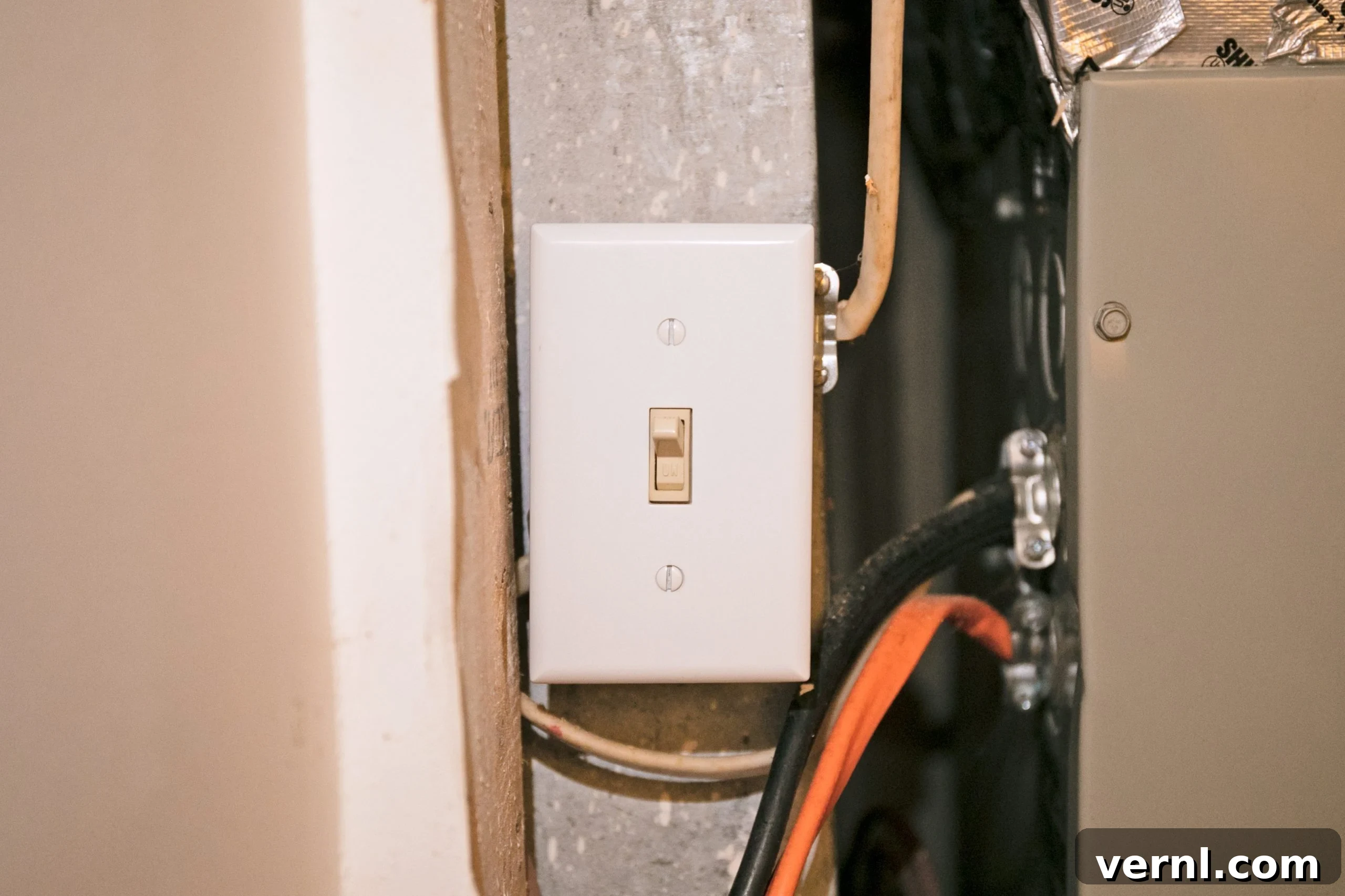
Often referred to as the furnace power disconnect switch, this unassuming component plays a critical role in the safe operation and maintenance of your heating system. Michael Clark, founder of Pulled.com, a home management platform, emphasizes its importance. “It often looks just like a regular light switch,” Clark explains, making it easy to overlook or even mistake for something else. But this isn’t just any light switch; it’s the dedicated power control for your furnace, designed for safety and quick power cuts.
Its primary purpose is to allow for the complete and safe disconnection of electrical power to the furnace unit. This is paramount for HVAC technicians performing maintenance or repairs, ensuring they can work on the system without the risk of electrical shock. For homeowners, it serves as a convenient reset button for minor glitches and an essential safety measure during emergencies or DIY tasks. Knowing where it is and how it functions transforms you from a helpless homeowner into a proactive problem-solver.
Locating Your Furnace Switch: A Crucial Step for Home Heating Readiness
Finding your furnace switch is usually straightforward, as its placement is often dictated by safety regulations and convenience. Clark, an experienced contractor, notes, “You’ll typically find it on the unit itself or on a nearby wall.” The rationale behind this proximity is simple: building codes in most states mandate that the disconnect switch must be located within sight of the furnace. This “line-of-sight” rule ensures that any individual working on the furnace can immediately see and access the power cut-off, preventing accidental power restoration while the unit is being serviced.
Electricians frequently install the wiring for this switch before the furnace is installed by an HVAC technician, which is why it might be on an adjacent wall rather than directly on the appliance. Ideally, this switch should remain in the ON position at all times, ensuring continuous power to your heating system. However, its resemblance to a standard light switch can lead to accidental toggling. “Because the switch can sometimes be mistaken for a light switch, it can sometimes be turned off accidentally,” Clark points out.
This accidental shut-off is a surprisingly common cause of furnace outages. To prevent such mishaps, especially in homes with curious children or in high-traffic areas, you might consider protective measures. A quick online search for “child safety light switch protective covers” will reveal various options, including switch covers and toggle guards. These simple accessories can help keep your furnace switch securely in the ON position, offering peace of mind and preventing unexpected heating interruptions.
Important Note on Building Codes: In the majority of states, building codes for new construction require that either this dedicated furnace switch or a specific circuit breaker serve as the primary disconnecting method for the furnace. As mentioned, it must be within sight of the furnace to ensure safety during maintenance or repairs. This ensures that an electrician or HVAC technician can physically see that the power is off while working on the unit, significantly reducing the risk of electrical accidents. Familiarizing yourself with your local building codes can provide further insight into the specific requirements for your heating system.
Key Situations to Utilize Your Furnace Switch
While ideally left in the ON position, there are several critical scenarios where intentionally operating your furnace switch is necessary and beneficial. Understanding these situations can help you maintain your heating system safely and effectively, or even resolve minor issues yourself:
- To Power On or Reactivate the System: After a complete power outage, or if you’ve intentionally turned off your furnace for an extended period (e.g., during summer or vacation), you’ll use this switch to restore power. It’s the first step to bringing your heating system back to life, much like powering on any other appliance.
- For Safe Maintenance and Repairs: This is arguably its most critical function. Before performing any do-it-yourself maintenance tasks, such as changing the air filter, cleaning the exterior of the unit, or even just investigating a strange noise, you absolutely must turn off the power at the furnace switch. This completely de-energizes the unit, preventing electrical shock and ensuring your safety. Never attempt to service a furnace with the power on.
- During Severe Weather Events: In the event of hurricanes, tornadoes, major thunderstorms, earthquakes, or other severe weather that could lead to power surges or utility disruptions, it’s wise to power down your furnace. Disconnecting the power via the furnace switch can help protect your system’s delicate electronic components from potential damage caused by electrical spikes when power is restored. It’s a proactive measure to safeguard your investment.
- When Troubleshooting Minor Issues: Many modern furnaces have complex control boards that can sometimes benefit from a hard reset. If your furnace is acting erratically, failing to ignite, or displaying unusual behavior without an obvious mechanical fault, cycling the power off and then back on (similar to restarting a computer) can sometimes clear minor errors and restore normal operation.
- Extended Absences from Home: While not as common for furnaces as for water heaters, some homeowners choose to turn off their furnace switch if they will be away for a very long period, especially in moderate climates where freezing pipes are not a concern. This is primarily to save a minimal amount of standby power and potentially mitigate risks from minor electrical issues while the home is unoccupied. However, in cold climates, it’s essential to keep the furnace running (at a lower temperature) to prevent pipes from freezing.
Step-by-Step Furnace Troubleshooting Using the Switch
If your furnace isn’t blowing heat or appears to be malfunctioning, don’t immediately reach for the phone to call an HVAC professional. By following these simple troubleshooting steps, you can often identify and resolve common issues yourself, potentially saving a costly service call. These steps leverage the furnace switch as a key diagnostic tool.
Step 1: Verify Your Home’s Main Power Supply
Before focusing on the furnace itself, ensure your home has a stable power supply. A tripped main circuit breaker or a blown fuse can cut power to various appliances, including your furnace. Head to your home’s main electrical panel. Look for any circuit breakers that are in the “tripped” position (usually halfway between ON and OFF, or fully OFF if it’s an older type). If you find one, especially one labeled for the furnace or general heating, firmly push it to the OFF position, then back to the ON position to reset it. If power is flowing to the rest of your home, and the furnace breaker is ON, proceed to Step 2. If the breaker immediately trips again, do not continue trying to reset it; this indicates a more serious electrical problem requiring professional attention.
Step 2: Inspect and Reset the Furnace Switch
Now, locate the dedicated furnace switch (as detailed earlier). This is a critical point of inspection. Confirm that it is securely in the ON position. It’s surprisingly common for this switch to be accidentally flipped, leading to a “dead” furnace. If you discover the switch is in the OFF position, flip it back to ON. If your furnace still doesn’t kick on after a moment, or if you found it already in the ON position, proceed with a system reset:
- First, turn the furnace switch to the OFF position.
- Wait for approximately 30-60 seconds. This allows the internal control board of the furnace to completely de-energize and clear any temporary fault codes.
- Then, firmly flip the switch back to the ON position.
After performing this reset, give your furnace some time to respond. Modern heating systems often have a built-in delay (sometimes up to five minutes) before the igniter and blower fan engage. Listen for familiar sounds of operation, such as the igniter clicking or the blower starting. If, after waiting the recommended time, the furnace is still not operational, it’s time to delve deeper into other potential causes. Proceed to Step 3.
Step 3: Conduct Deeper Diagnostic Checks
If the furnace switch reset didn’t solve the problem, systematically check these common culprits:
- Pilot Light (Older Furnaces): For older propane or natural gas furnaces, a standing pilot light is essential for ignition. Carefully check if the pilot light is lit. If it’s out, consult your furnace’s owner’s manual for instructions on how to safely relight it. This often involves specific steps for gas safety. If you smell gas, do not attempt to relight it and immediately call your gas company and an HVAC professional.
- Fuel Supply: Is your furnace getting fuel? For natural gas systems, ensure the gas valve leading to the furnace is open. For propane furnaces, check the tank level to ensure you haven’t run out. A simple lack of fuel will prevent any heating.
- Error Codes or Flashing Lights: Many contemporary furnaces feature diagnostic indicator lights or digital displays that show error codes. These codes are invaluable for identifying specific malfunctions, such as a motor problem, flame sensor issue, or pressure switch fault. Consult your furnace’s owner’s manual to decipher any flashing lights or error messages you observe. This can pinpoint the exact component that needs attention.
- Thermostat Batteries: A surprising number of “furnace problems” are actually just dead thermostat batteries. If your thermostat relies on batteries, ensure they are fresh and correctly installed. A dead battery can prevent the thermostat from communicating with the furnace, effectively shutting down your heating control.
- Air Filter Condition: A severely clogged or dirty air filter restricts airflow, forcing your furnace to work harder and potentially leading to overheating and automatic shutdown. Check your filter; if it’s visibly dirty or hasn’t been replaced recently, change it. A clean filter ensures proper airflow, improves efficiency, and prevents unnecessary strain on the system.
- Condensate Drain Line (High-Efficiency Furnaces): High-efficiency furnaces produce condensation, which drains away through a PVC pipe. If this line becomes clogged, a safety switch will often shut down the furnace to prevent water overflow. Check the drain pan for water and the line for blockages.
- Furnace Blower Door Switch: Ensure the blower compartment door is securely closed. Many furnaces have a safety switch that prevents operation if the door is open. Make sure it’s latched properly.
If, after meticulously going through all the above checks and troubleshooting steps, your furnace still refuses to provide heat or operate correctly, it’s a clear indication that the issue is beyond simple homeowner fixes. At this point, for your safety and to prevent further damage to the system, it’s definitely time to call a qualified and reputable HVAC repair person. They have the specialized tools, expertise, and diagnostic equipment to safely identify and rectify more complex problems.
Preventative Maintenance: Avoiding Future Breakdowns
While the furnace switch is a great tool for initial troubleshooting, the best way to avoid unexpected breakdowns is through regular preventative maintenance. Scheduling an annual tune-up with a professional HVAC technician ensures that your furnace is running efficiently and safely. During these visits, technicians can catch potential issues before they escalate, clean critical components, lubricate moving parts, and verify all safety controls are functioning correctly. This proactive approach significantly extends the lifespan of your heating system and minimizes the chances of facing a cold home on a stormy night.
Furnace FAQs: Common Questions and Parts Explained
Understanding the basics of your heating system can make a big difference in how you maintain it and troubleshoot minor issues. Here are answers to some of the most common furnace questions, along with links to delve deeper into specific topics:
- What Is a Furnace?
- How Does a Gas Furnace Work?
- What Are Furnace Energy Efficiency Ratings?
- Understanding the Different Parts of a Furnace
- What Is a Furnace Heat Exchanger?
- What Is a Furnace Inducer Motor?
- What Does a Furnace Pressure Switch Do?
- How Much Will It Cost to Replace a Furnace Blower Motor?
- Boilers vs. Furnaces: What’s the Difference?
- How to Choose Between a Heat Pump vs. a Furnace
Conclusion: Empowering You to Tackle Furnace Troubles
Navigating a furnace breakdown can be daunting, but with a bit of knowledge and the right approach, you can often resolve common issues yourself. The humble furnace switch, often overlooked, is your initial point of contact for troubleshooting and a vital safety component. By understanding its function, knowing its location, and following a logical series of diagnostic steps, you can significantly reduce stress and potentially save hundreds of dollars on service calls. Remember to always prioritize safety, and if at any point you feel uncomfortable or suspect a more serious issue, don’t hesitate to contact a professional HVAC technician. Staying informed and prepared is the best defense against a cold home.