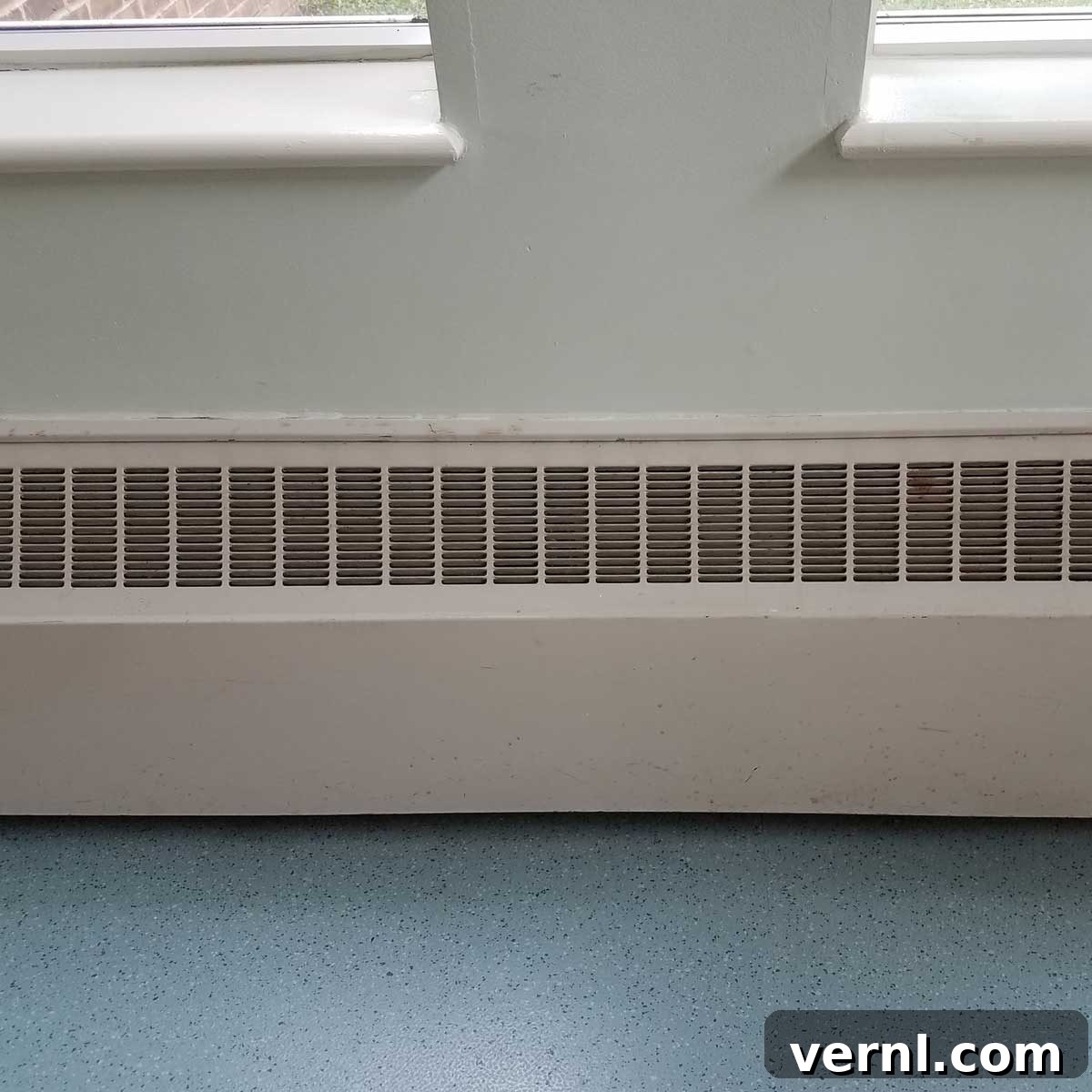
In the quest for efficient and comfortable home heating, homeowners often seek solutions that offer both performance and economy. Traditional electric baseboard heaters, while providing powerful and quiet zone heating, are often criticized for their energy inefficiency. Their straightforward design, lacking moving parts, promises longevity and low maintenance, yet the rapid cooling after power-off leads to wasted energy and higher utility bills.
This is where hydronic baseboard heaters emerge as a superior alternative, blending the best aspects of conventional baseboard heating with significantly enhanced energy efficiency. By utilizing heated liquid, these systems deliver a gentle, consistent warmth that conventional electric models struggle to match. This comprehensive guide will delve into the world of hydronic baseboard heaters, exploring their mechanisms, numerous benefits, selection criteria, installation considerations, maintenance routines, and crucial safety tips, ensuring you can make an informed decision for your home heating needs.
What Exactly is a Hydronic Baseboard Heater?
At its core, a hydronic baseboard heater operates on the principle of radiant heat transfer, using a heated liquid—typically water, though sometimes oil—to distribute warmth throughout a room. Unlike traditional electric heaters that directly heat metal fins, hydronic systems leverage the thermal mass of the liquid to store and release heat more gradually and efficiently. This distinction is paramount to their energy-saving capabilities.
There are two primary configurations for hydronic baseboard heaters, each suited for different applications:
- Self-Contained Electric Hydronic Baseboard Heaters: These units are autonomous, meaning they contain an internal reservoir of liquid and an electric heating element. When activated, the element heats the fluid, which then circulates within the sealed system, transferring heat to the surrounding metal fins. This type is ideal for supplemental heating in specific rooms, additions, or areas where extending a central heating system is impractical or costly. They offer localized control and do not require connection to a central boiler system.
- Hydronic Baseboard Radiators (Boiler-Integrated): These heaters are an integral part of a home’s central hydronic heating system, connected to a boiler that heats water or a specialized fluid. The hot liquid is then pumped through a network of pipes to the baseboard units located in various rooms. Within the baseboard enclosure, the heated fluid flows through a finned tube, radiating heat into the living space. This setup provides whole-home heating and is renowned for its consistent, comfortable warmth and excellent energy efficiency when paired with an efficient boiler system.
Both types feature metal heating fins, typically made of aluminum or copper, surrounding the fluid pipe or reservoir. These fins are designed to maximize the surface area for heat exchange, efficiently transferring warmth from the hot liquid into the room. The key to their superior efficiency lies in the liquid’s ability to retain heat for an extended period after the heating element or boiler cycles off. This thermal inertia means the heater continues to emit warmth, reducing the frequency of on/off cycles and ensuring a more stable, comfortable room temperature compared to most electric space heaters whose metal fins cool rapidly.
Unlocking the Benefits of Hydronic Baseboard Heaters
Choosing a hydronic baseboard heater offers a multitude of advantages that contribute to a more comfortable, healthier, and energy-efficient living environment. These benefits extend beyond simple warmth, impacting air quality, noise levels, and overall operational costs.
- Superior Energy Efficiency: The most compelling benefit is their enhanced energy efficiency compared to conventional electric baseboard heaters. As plumbing and HVAC expert Justin Cornforth points out, “Hydronic baseboard heaters are more efficient because the hot water continues to emit heat long after the heater is turned off.” This thermal retention means less energy is expended to maintain desired temperatures, leading to significant savings on your energy bills.
- Consistent, Gentle Radiant Heat: Hydronic systems produce radiant heat, which warms objects and surfaces in a room directly, rather than just the air. This results in a more even and comfortable warmth that permeates the space, similar to natural sunlight. Unlike forced-air systems, there are no drafts or cold spots, just a soothing, consistent temperature from floor to ceiling.
- Improved Indoor Air Quality: “Traditional electric heaters circulate warm air throughout the room by convection, and with the warm air, all dust and allergens circulate too,” says Justin Cornforth. “This doesn’t happen with hydronic baseboard heaters because they don’t blow air around.” By eliminating forced air circulation, hydronic heaters prevent the stirring and distribution of dust, pollen, pet dander, and other allergens, making them an excellent choice for individuals with allergies or respiratory sensitivities.
- Enhanced Air Comfort (No Dry Air): Another significant advantage highlighted by Cornforth is that “Hydronic baseboard heaters also don’t dry out the air like electric heaters do, which is a huge benefit in homes where the air gets dry in winter.” Maintaining optimal humidity levels can prevent dry skin, irritated sinuses, and static electricity, contributing to overall comfort during the colder months.
- Whisper-Quiet Operation: Since hydronic baseboard heaters contain no fans or moving parts (except for the circulation pump in boiler-integrated systems, which is usually located remotely), they operate virtually silently. This quiet performance contributes to a more peaceful and relaxing home environment, free from the hums and whirs often associated with other heating systems.
- Flexible Zoned Heating: Both electric and boiler-integrated hydronic baseboard heaters excel at zoned heating. This allows you to heat individual rooms or specific areas independently, rather than warming the entire house. You can set different temperatures for bedrooms, living areas, or seldom-used spaces, optimizing comfort where it’s needed most and further reducing energy waste.
- Low Maintenance & Durability: With no complex mechanical components, motors, or filters, hydronic baseboard heaters are remarkably durable and require minimal maintenance. Their robust construction often ensures decades of reliable service, with routine cleaning being the primary requirement for optimal performance.
- Space-Saving and Discreet Design: Designed to run along the base of walls, these heaters offer a discreet heating solution that doesn’t consume valuable floor space or require extensive ductwork. Their low profile blends seamlessly with most interior designs, providing warmth without being obtrusive.
Choosing the Right Hydronic Baseboard Heater for Your Home
Selecting the best hydronic baseboard heater involves more than just picking a model; it requires careful consideration of your heating needs, room size, and existing infrastructure. The primary factor in this decision is determining the appropriate power output to effectively heat your intended space.
Understanding Power Ratings: Watts and BTUs
The output rating for an electric hydronic baseboard heater is measured in watts, representing its electrical power consumption that is converted into heat energy. For hydronic baseboard radiators, which connect to a central boiler, the rating is expressed in British Thermal Units (BTUs), a standard measurement of heat energy.
Calculating Your Heating Needs
A general guideline for sizing heaters is:
- Electric Hydronic Heaters: Aim for approximately 10 watts of power for every square foot of living space.
- Hydronic Baseboard Radiators: Target an output of around 20 BTUs per square foot.
Let’s illustrate with an example: For a room measuring 100 square feet, you would require at least a 1,000-watt (100 sq ft x 10 watts/sq ft) electric hydronic baseboard heater, or a 2,000 BTU baseboard radiator (100 sq ft x 20 BTUs/sq ft).
Factors Influencing Heater Sizing
While these rules of thumb provide a good starting point, several other factors can influence the precise heating requirements of a room:
- Insulation Quality: Well-insulated rooms will retain heat more effectively, potentially allowing for a slightly smaller heater. Conversely, poorly insulated spaces may require more power.
- Window and Door Count: Rooms with many windows or exterior doors experience greater heat loss, necessitating higher BTU or wattage output.
- Ceiling Height: Taller ceilings mean a larger volume of air to heat, which can increase the required heater size.
- Climate: Homes in colder climates with longer heating seasons will naturally have higher heating demands than those in milder regions.
- Existing Heating Systems: If the hydronic heater is for supplemental use, your existing primary system’s capacity and effectiveness should be considered.
Boiler Compatibility for Hydronic Radiators
If you’re opting for boiler-integrated hydronic baseboard radiators, it’s critically important to ensure your existing or new boiler has a large enough BTU output capacity to accommodate the combined rating of all connected baseboard radiators. An undersized boiler will struggle to heat your home effectively, leading to discomfort and inefficiency. Always consult with a qualified HVAC professional to assess your boiler’s capacity and ensure proper system integration before installation.
Aesthetics and Placement
Consider the length and design of the baseboard units. Longer units typically have a higher heat output and can distribute warmth more evenly. Ensure there’s adequate wall space for proper placement, keeping in mind the safety clearances from furniture and drapes.
Hydronic Baseboard Heater Costs and Installation Insights
Understanding the financial aspects of hydronic baseboard heaters, including both the unit cost and installation expenses, is crucial for budgeting and planning. The overall investment can vary significantly based on the type of heater and whether you’re undertaking a replacement or a brand-new installation.
Unit Costs
- Electric Hydronic Baseboard Heaters: These self-contained units typically range from $200 to $250 per unit. Their higher price point compared to simple electric baseboard heaters reflects the added complexity of the internal fluid system.
- Hydronic Baseboard Radiators: When connected to a central boiler, individual baseboard radiators are generally more affordable, costing between $65 and $200 per unit. However, this cost doesn’t include the boiler itself, which represents a significant investment in a whole-home hydronic system.
Installation Complexity and Costs
The difficulty and associated expense of installation depend heavily on whether you are simply replacing an old baseboard heater or installing a new one where no heating unit previously existed.
DIY Replacement Projects
If you possess a reasonable level of DIY skill, replacing an existing baseboard heater can often be a manageable project. This usually involves:
- For Electric Hydronic Heaters: Safely removing baseboard trim, disconnecting and splicing electrical wires, and mounting the new unit. Basic electrical knowledge and adherence to safety protocols are essential.
- For Hydronic Radiator Heaters: Shutting off the boiler, draining the system (if necessary), disconnecting and connecting water lines, and securing the new radiator. Comfort with basic plumbing tasks is required.
Always ensure the power is off for electrical work and the boiler is off and cooled for plumbing work. If you’re unsure, it’s always safer to consult a professional.
Professional Installation for New Setups
Installing a hydronic baseboard heater where none previously existed, or upgrading an entire heating system, will almost certainly require professional expertise:
- New Electric Hydronic Heater Installation: Running new electrical wiring to a desired location and potentially installing a new breaker on your electrical panel are complex tasks best handled by a licensed electrician. Incorrect wiring can be a significant fire hazard and may not comply with local building codes. The average cost for an electrician to install an electric heater can be around $764, depending on the complexity of the wiring run.
- New Hydronic Baseboard Radiator Installation: For boiler-integrated systems, installing new baseboard radiators often involves running new plumbing lines through your home’s walls, floors, or basements to connect to the central boiler system. This is a specialized task that requires the expertise of a professional plumber or HVAC technician. The cost for installing a baseboard radiator can range significantly, typically between $400 and $1,070 per unit, due to the labor-intensive nature of extending the plumbing system. This figure can escalate if a new boiler installation is also required.
While the initial installation cost for a new system might seem substantial, the long-term energy savings and enhanced comfort provided by hydronic heating often justify the investment. Always obtain multiple quotes from qualified professionals and verify their licenses and insurance.
Maintaining Your Hydronic Baseboard Heater for Peak Performance
One of the most appealing aspects of hydronic baseboard heaters is their reputation for ease of maintenance. With a few simple annual tasks, you can ensure your system operates efficiently, quietly, and effectively for many years to come.
Annual Cleaning for Optimal Airflow
The primary maintenance requirement for all hydronic baseboard heaters is a thorough annual cleaning of dust and debris from the metal heating fins. This ensures proper airflow, which is critical for efficient heat transfer. Over time, dust accumulation can act as an insulating layer, reducing the heater’s output and forcing it to work harder.
The cleaning process is straightforward:
- Turn Off Power: Always ensure the power supply to the heater is turned off at the breaker (for electric units) or the boiler is off and cooled (for radiator units) before beginning any maintenance.
- Remove Front Cover: Carefully remove the front cover of the baseboard heater. Most covers are designed for easy removal, often by lifting or unclipping them.
- Vacuum the Fins: Use a vacuum cleaner with a brush attachment to gently remove accumulated dust, lint, and pet hair from the heating fins. Work slowly and carefully to avoid bending or damaging the delicate fins.
- Detail Cleaning: For a more thorough clean, especially if there’s stubborn grime, use a small brush or a damp rag to wipe down the fins. Ensure the rag is only damp, not dripping wet, to prevent water from entering electrical components.
- Clean End Caps and Dampers: As Justin Cornforth advises, “One thing you can easily forget, but is important to do, is to clean the end caps and dampers on hydronic baseboard heaters. Just a quick wipe with a damp cloth during your yearly cleaning is what they need for proper airflow and even heat.” These components are crucial for controlling heat distribution and airflow.
- Replace Cover: Once clean and dry, carefully reattach the front cover.
It is best practice to perform this cleaning at the start of the heating season to prepare your system for optimal performance.
Bleeding Air from Hydronic Radiator Lines
For hydronic baseboard radiators connected to a central boiler system, an additional annual maintenance task is bleeding air from the plumbing lines. Air pockets trapped within the system can cause noisy operation (gurgling sounds) and significantly reduce heat production by impeding the flow of hot water.
Here’s how to bleed the air:
- Cool Down the System: Ensure the boiler has been turned off and the baseboard radiators have completely cooled down. This prevents scalding and allows air to collect at the highest points for easier removal.
- Locate Bleed Valve: Each radiator or section of baseboard heating will have a small bleed valve, typically located at one end.
- Prepare for Water: Place a small container or rag underneath the bleed valve to catch any water that may escape.
- Open Valve: Using a screwdriver or a radiator key, slowly turn the bleed valve counter-clockwise until you hear air hissing out.
- Release Air, Then Water: Allow the air to escape. Once a steady stream of water starts to come out (without any sputtering or air bubbles), close the valve.
- Repeat for All Radiators: Systematically bleed all radiators in your home, starting with the ones furthest from the boiler and working your way back, or following a top-to-bottom sequence if you have multiple floors.
Checking Boiler Pressure
After bleeding the air, it’s vital to check your boiler’s pressure gauge. “After you bleed the air,” advises Cornforth, “make sure to check the boiler’s pressure gauge—it should usually be between 12 and 15 psi. Too low or too high boiler’s pressure often results in uneven heating, leaks, or even damage to the system.” Consult your boiler’s manual for its specific recommended pressure range and instructions on how to adjust it if necessary, or contact a professional if you’re unsure.
By dedicating a small amount of time to these simple annual maintenance tasks, you can significantly extend the lifespan of your hydronic baseboard heaters, ensure consistent comfort, and maintain their renowned energy efficiency.
Crucial Safety Considerations for Hydronic Baseboard Heaters
While hydronic baseboard heaters are generally considered very safe and present fewer risks than some other heating methods, understanding and adhering to certain safety guidelines is paramount for ensuring a secure home environment. Their design inherently offers some advantages, but vigilance is still necessary.
Lower Contact Burn Risk
One significant safety advantage of hydronic heaters is their lower surface temperature compared to many other types of electric heaters or traditional radiators. Because the heat is transferred through liquid, the exterior casing and fins do not typically reach temperatures high enough to cause severe contact burns. This makes them a safer option, particularly in homes with small children or pets, reducing the risk of accidental injury.
Maintaining Clearances from Flammable Materials
Despite their lower surface temperatures, it is absolutely essential to maintain adequate clearance around all baseboard heaters to prevent fire hazards and ensure optimal performance:
- Front Clearance: Keep window coverings (curtains, drapes), furniture, bedding, clothing, and any other potentially flammable materials at least 12 inches (approximately 30 centimeters) from the front of the heater. This allows for proper heat dissipation and prevents materials from igniting.
- Side Clearance: Maintain at least six inches (approximately 15 centimeters) of clearance from either side of the heater to any flammable items.
- Door Obstruction: Ensure that no fully opened door or other movable object can block the heater’s airflow. Blocked heaters can overheat and pose a fire risk, while also severely reducing heating efficiency.
These clearances are not just for fire safety; they also ensure that the heater can circulate air freely, allowing for efficient heat distribution throughout the room. Restricted airflow can lead to decreased performance and unnecessary energy consumption.
Electrical and Plumbing Safety
For electric hydronic baseboard heaters, always ensure they are connected to a dedicated circuit of the correct voltage and amperage as specified by the manufacturer. Never overload circuits. If you are unsure about your home’s electrical capacity or the wiring process, always hire a licensed electrician for installation or troubleshooting.
For boiler-integrated hydronic radiators, proper plumbing installation is critical to prevent leaks and ensure safe operation. Any work involving the boiler or its associated piping should be performed by a qualified plumber or HVAC technician to ensure adherence to local codes and safety standards.
Third-Party Certification
When purchasing any baseboard heater, it is highly advisable to choose a product that has been tested and certified for safe use by a reputable third-party certification agency. Organizations like Underwriter Laboratories (UL) rigorously test products for electrical, fire, and other safety hazards. A UL listing or similar certification mark provides assurance that the product meets stringent safety standards and has undergone thorough scrutiny.
By following these safety considerations, you can enjoy the comfortable and efficient warmth of your hydronic baseboard heater with complete peace of mind, knowing your home and family are protected.
About the Expert
Justin Cornforth is the CEO at Ace Home Co., a leading authority in plumbing and HVAC solutions, providing invaluable insights into home heating systems.