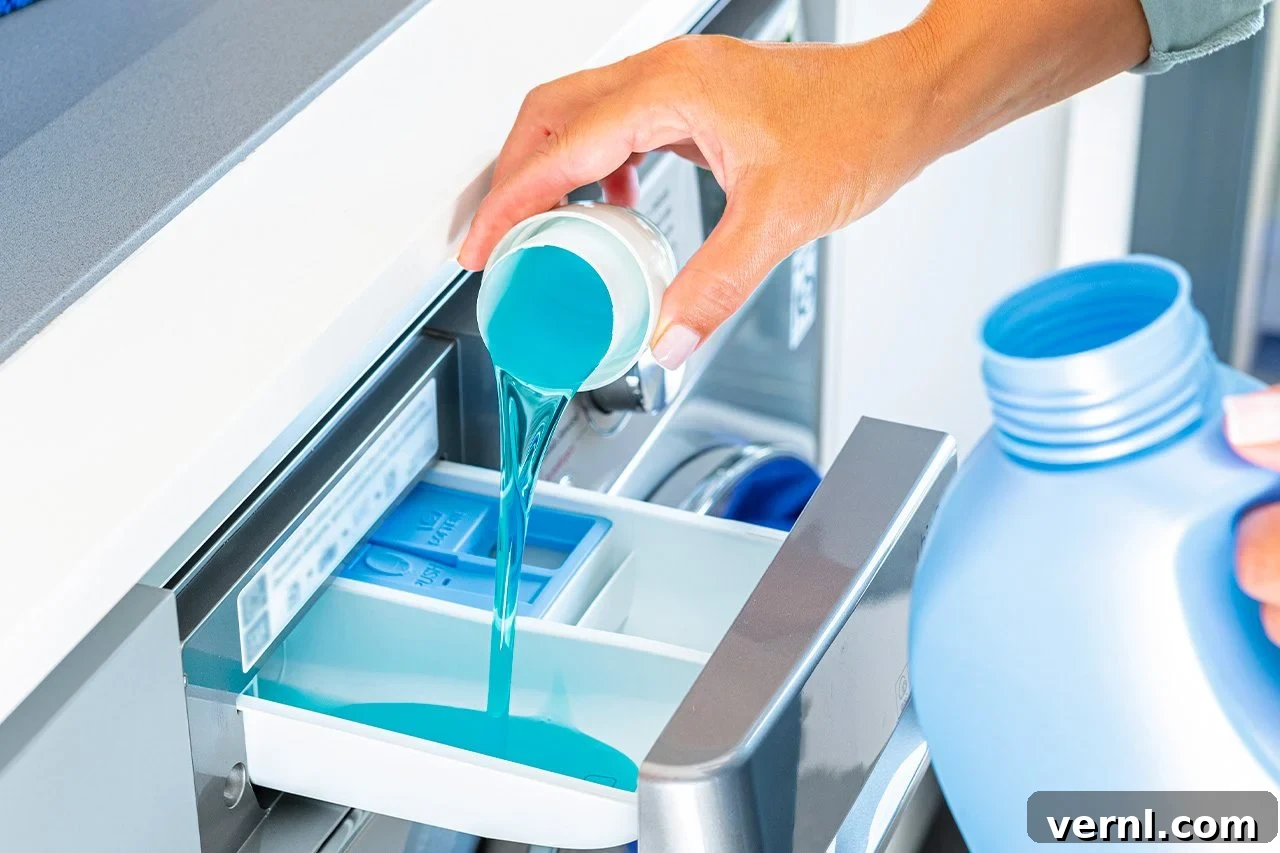
For months I couldn’t figure out why my washing machine smelled so bad. I cleaned the drum, emptied and scrubbed the dispenser drawer, and removed the slime from the door seal, but a stale odor lingered and many loads came out soaking wet. I assumed a mechanical fault and called an appliance repair technician. He quickly identified two common laundry habits of mine that were making matters worse.
I had been generous with detergent and habitually overfilled the drum. I thought both practices would improve cleanliness, but instead they interfered with effective rinsing and left residue behind. Below I explain how I discovered that too much detergent and overloading were the real problems, how I fixed them, and what laundry experts recommend to avoid the same mistakes.
Why Too Much Detergent and Overloading Cause Problems
The technician asked a few simple questions about my laundry routine, peered inside the machine, and immediately explained that my habits — not an expensive mechanical failure — were causing the smells and poor spinning performance.

I’d been filling the detergent cap nearly to the top with concentrated detergent. That overdosing contributed to residue buildup throughout the washer, creating damp pockets where mold and bacteria thrive. In my machine that sludge collected in the door seal and in hidden pipes, producing the stale odor.
Excess detergent also leaves deposits on fabrics, which can make clothes feel stiff or less fresh. Too many suds reduce friction between garments so dirt is less likely to loosen during the wash. These issues are especially pronounced with high-efficiency (HE) washers, which use less water and therefore need accurate dosing.
Overfilling the drum compounds the problem. Stuffing too many garments into the washer prevents clothes from tumbling properly through the wash solution. Mary Gagliardi, known as “Dr. Laundry” and Clorox’s in-house cleaning scientist, explains that an overloaded washer can’t balance loads effectively. If the drum can’t reach sufficient spin speeds because the load is off-balance — for example, if a single heavy towel shifts to one side — the machine may automatically reduce spin speed.
Reduced spin speed means less water extraction, leading to clothes leaving the washer wetter than they should and increasing the chance that odors persist. Overdosing detergent and overloading the drum also have financial and environmental costs: wasted detergent, more frequent re-washes or extended rinse cycles that use extra electricity, and unnecessary chemicals entering wastewater systems.
How Much Laundry Detergent Should You Actually Use?
There isn’t a single detergent dose that fits every load. The correct approach is to use the right amount for your washer, detergent, and water conditions. Start with the lowest amount the detergent manufacturer recommends — often the first line on the measuring cap, one scoop, or a single detergent pack — and consult your washer’s use and care guide.
Adjust the base amount based on load size, how soiled the clothes are, and water hardness. If you suspect you have hard water, check with your water supplier or test the water to determine mineral concentration. With hard water, a liquid detergent often performs better, but you may need to add more detergent above the baseline depending on how hard your water is.
Conversely, underdosing can reduce cleaning effectiveness. Jennifer Ahoni, a principal scientist in fabric care, notes that a large portion of soils on clothing — body oils, sweat residue, and odor-causing substances — are invisible. If there isn’t enough detergent to solubilize and suspend these soils, they can remain on fabrics or redeposit during the wash. The goal is balanced dosing: not too much, and not too little.
What To Do If You’ve Been Overdosing and Overloading
Reducing my detergent dose was only part of the solution. The technician suggested rinsing out the detergent dispenser and running a high-temperature empty cycle with a manufacturer-approved washer cleaner to remove buildup. He also recommended replacing my old, stained door seal, which had become a focal point for residue and mold growth.
I rewashed items that still smelled to ensure lingering detergent and soils were removed, and I stopped cramming the drum full. If you face similar problems, check your washer manual for the recommended cleaning procedure. Run the washer’s cleaning cycle if it has one, and clean accessible areas where residue accumulates, such as the dispenser drawer, door seal, and any removable filters or hoses.
Washer cleaners formulated to remove odor-causing residue can help when used as directed. Some modern washers include auto-dosing features that dispense the proper detergent amount for each load, eliminating guesswork.
The biggest lesson for me was to stop guessing. I now measure detergent according to the manufacturer’s guidance, adjust for load size and soil level, and avoid stuffing the drum. Since making these changes, the persistent smell has gone and laundry no longer comes out sopping wet. Most importantly, I no longer assume that more detergent and fuller loads mean cleaner clothes.
About the Experts
- Mary Gagliardi (aka “Dr. Laundry”) — Clorox’s in-house scientist and cleaning expert.
- Jennifer Ahoni — P&G Fabric Care principal scientist.