Can You Clean Siding With Kirkland Laundry Detergent? A Comprehensive Guide
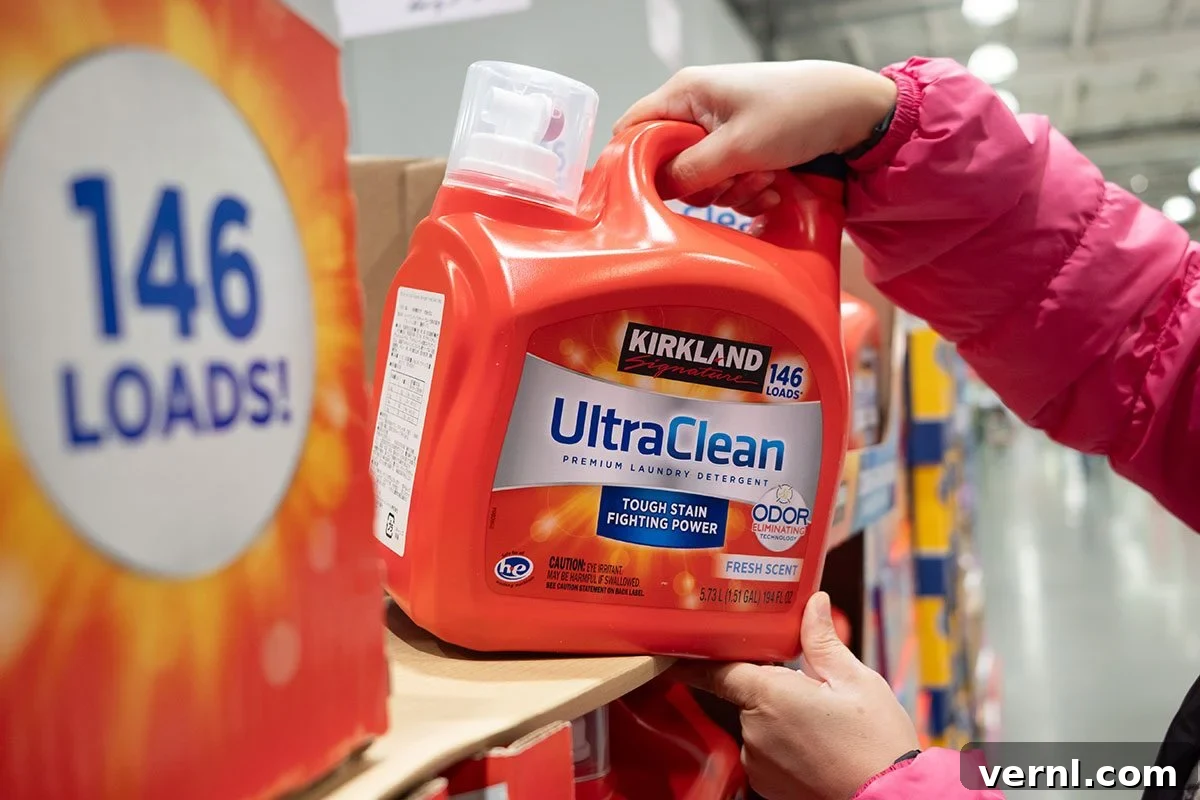
Costco’s Kirkland Signature laundry detergent is a favorite for many, including those at Consumer Reports, which has recognized it as a top value. As the company that produces it undergoes a restructuring, you might be wondering if this popular detergent has uses beyond the laundry room. Specifically, can you use Kirkland laundry detergent to clean your home’s siding?
The answer, according to cleaning experts, is generally yes. But, like any cleaning method, there are important factors to consider. This guide explores the effectiveness of Kirkland laundry detergent for siding, providing you with everything you need to know before you start.
What’s in Kirkland Laundry Detergent? Understanding the Ingredients
Understanding the ingredients in Kirkland Signature Heavy Duty Laundry Detergent is key to determining its suitability for siding. The good news is, according to the Material Safety Data Sheet (MSDS), the unscented version of this detergent typically doesn’t contain phosphates. This is beneficial because phosphates can potentially harm plants and contaminate the surrounding environment.
Kirkland detergent’s primary ingredients in the unscented liquid form include salts, alcohols, fatty acids (which act as surfactants), a brightening agent, and limonene as a freshening agent. Scented varieties, on the other hand, contain a more extensive list of chemicals. Cleaning experts recommend using the unscented version to minimize the risk of damaging your siding or surrounding vegetation.
Is Kirkland Laundry Detergent Safe for Siding?
Absolutely! The fact that the detergent is safe for clothes, which are made of similar materials to your siding, means it is safe to use. According to cleaning experts, “It is safe to use and has no chemicals which will damage the siding.”
Cleaning Siding with Kirkland Laundry Detergent: Does It Work?
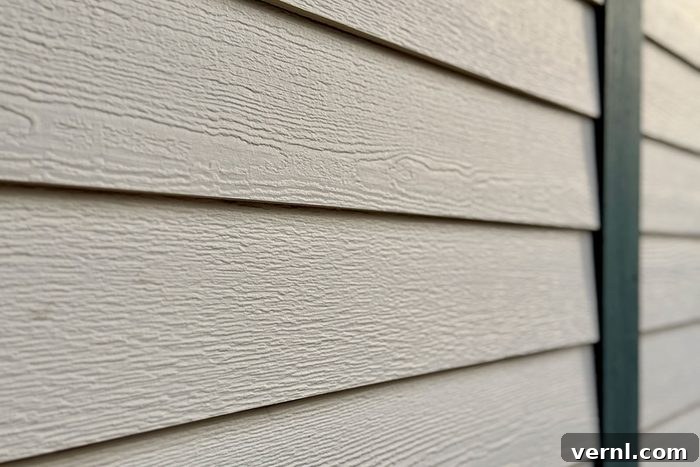
Kirkland laundry detergent can be effective for cleaning siding. “Laundry detergent has also been used for decades to clean heavily soiled places,” says one expert. Laundry detergent is designed to cut through grease and grime, making it effective for removing dirt, dust, and other common contaminants that accumulate on siding.
Due to its formulation, laundry detergent is well-suited to tackle common grime found on siding. However, it’s essential to understand its limitations.
Why Kirkland Laundry Detergent Works for Siding Cleaning
The success of using laundry detergent on siding is rooted in its design. “Many clothes are made out of plastic fibers, much like what your siding is made from,” explains one expert. Laundry detergent is formulated to effectively remove stains and grime commonly found on clothing. This includes oils, dirt, and other environmental pollutants that also accumulate on siding.
When Kirkland Laundry Detergent Might Not Be Enough
While Kirkland laundry detergent can be useful for general cleaning, it has limitations. The primary caveat is that it might not be effective against mold and algae. These organic materials require specific chemicals to kill and remove them.
For mold and algae removal, you will need a more powerful solution. These include hydrogen peroxide or bleach.
Potential Drawbacks: Considerations Before You Start
Using laundry detergent on siding isn’t without its potential drawbacks. One key factor is the possibility of residue. If the detergent isn’t rinsed off thoroughly, it can leave behind a film that might discolor the siding or attract more dirt over time.
Also, using too much detergent or not diluting it properly can also lead to issues. It’s crucial to follow the recommended dilution guidelines to avoid damaging your siding.
Should You Clean Your Siding with Kirkland Laundry Detergent?
If you’re looking for a cost-effective solution, using Kirkland laundry detergent can be an option. However, there are some considerations to take into account.
If you have a high-pressure washer, cleaning with Kirkland detergent is not recommended. It may damage your siding. That means you’re going to need to scrub by hand.
For a basic mix, add a cup of detergent per gallon of warm water. For mold and algae, add a half-cup of bleach, isopropyl alcohol, or hydrogen peroxide. Scrub gently with a soft cloth or brush, and thoroughly rinse with a garden hose to prevent residue buildup.
Tips for Cleaning Siding with Kirkland Laundry Detergent
- Test a Small Area: Before cleaning the entire siding, test the detergent solution on a small, inconspicuous area to ensure it doesn’t cause discoloration or damage.
- Protect Yourself: Wear gloves and eye protection to protect your skin and eyes from the detergent solution.
- Work in Sections: Clean the siding in manageable sections to ensure thorough rinsing and prevent the detergent from drying on the surface.
- Rinse Thoroughly: Rinse the siding thoroughly with clean water after cleaning to remove all traces of the detergent.
- Avoid Cleaning in Direct Sunlight: Direct sunlight can cause the detergent to dry too quickly, making it harder to rinse off and potentially leading to streaking.
Expert Insights
To provide a well-rounded perspective, we consulted two cleaning experts:
- Scott Schrader: The Chief Marketing Officer at CottageCare, a leading home cleaning company.
- Derek Christian: The Co-Owner of All Star Cleaning, a major home cleaning company, and author of the book used to certify home cleaners by the trade association, ISSA.
Conclusion: Is Kirkland Laundry Detergent Right for Your Siding?
In conclusion, Kirkland laundry detergent can be a viable option for cleaning siding, particularly if you’re looking for a budget-friendly solution and have common dirt and grime. However, it’s crucial to be aware of the limitations, especially regarding mold and algae, and to take precautions to prevent residue buildup. By following the tips and advice in this guide, you can effectively clean your siding with Kirkland laundry detergent and maintain your home’s curb appeal.