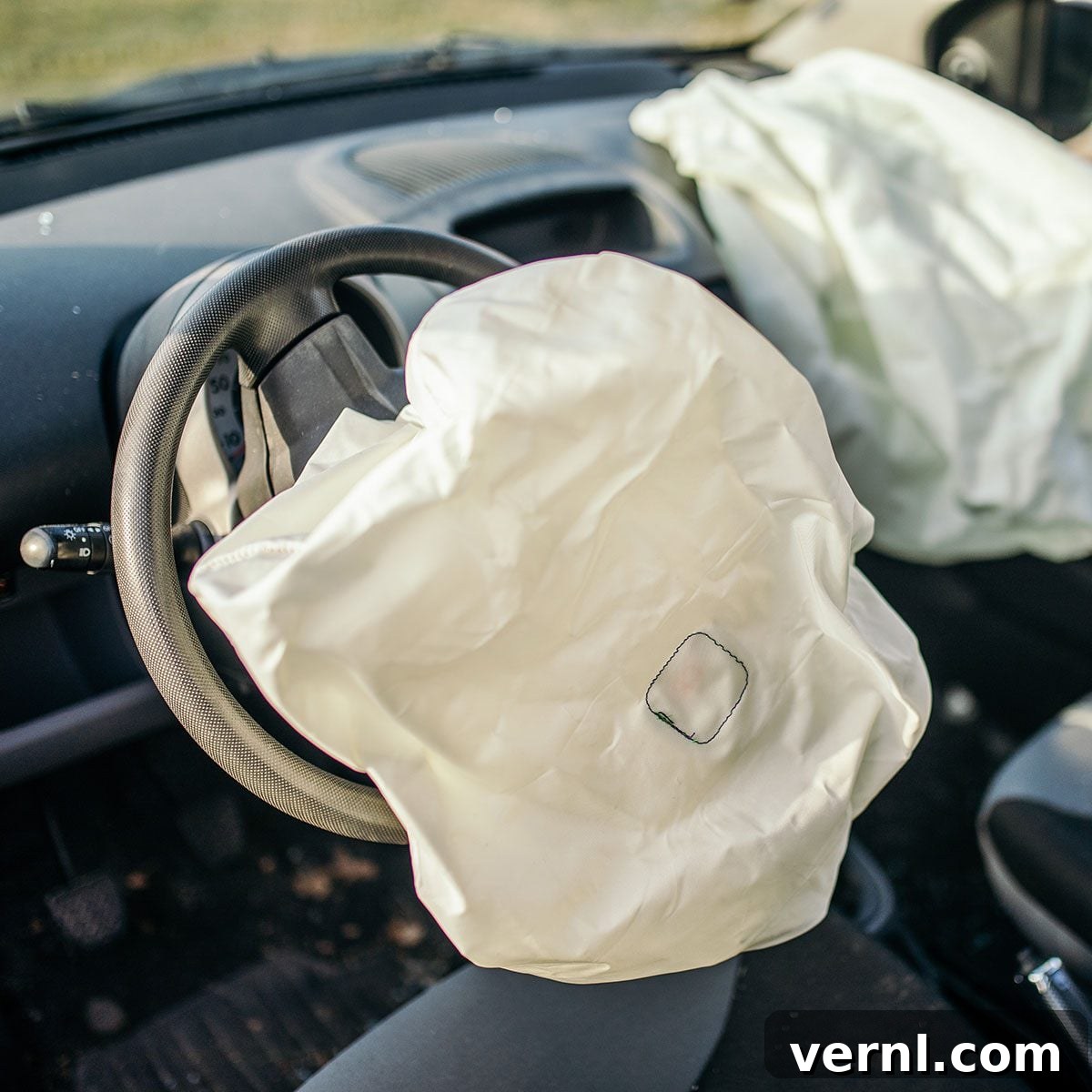
Urgent Safety Alert: The Dangers of Malfunctioning Airbags and What Drivers Need to Know
Airbags are one of the most critical safety features in modern vehicles, designed to deploy in a fraction of a second during a collision, providing a vital cushion that can mean the difference between life and death. For decades, they have been credited with saving countless lives and preventing severe injuries in serious accidents. However, this life-saving potential relies entirely on their proper functioning. A deeply concerning and potentially deadly issue has recently come to light, involving a specific type of malfunctioning airbag inflator that poses an immediate threat to driver safety. The National Highway Traffic Safety Administration (NHTSA) has issued a urgent warning to drivers across the United States, highlighting a series of fatal crashes linked to these faulty components. The agency is not only investigating the scope of this problem but is also actively considering a permanent ban on these dangerous airbags to protect the public from further harm. This widespread alert underscores the importance of understanding the risks and taking proactive steps to ensure your vehicle’s safety.
Why the NHTSA is Calling for a Ban on These Airbags: A Closer Look at the Deadly Flaw
The NHTSA’s call for a potential ban stems from an alarming pattern of failures directly attributable to “substandard Chinese airbag inflators.” According to recent briefs released by the agency, at least 12 crashes have been identified where these defective components played a direct and devastating role. These aren’t just minor malfunctions; the consequences have been catastrophic. The report explicitly details that “all 12 crashes involved Chinese frontal driver air bag inflators manufactured by Jilin Province Detiannuo Safety Technology Co., Ltd. (DTN) that ruptured during a crash.” The outcome of these incidents speaks volumes about the severity of the flaw: ten fatalities and two severe injuries, turning what should have been a life-saving mechanism into a lethal weapon.
Under normal circumstances, when a vehicle is involved in an accident severe enough to trigger the airbag system, the inflator rapidly fills the airbag with gas, deploying it in milliseconds to cushion the occupant from impact. It’s a precisely engineered process designed to absorb kinetic energy and protect vulnerable areas of the body. However, in the documented cases involving DTN inflators, this critical safety sequence failed spectacularly. Instead of a controlled inflation, the inflators “exploded, sending large metal fragments into drivers’ chests, necks, eyes, and faces.” This catastrophic rupture transforms the protective airbag system into a shrapnel bomb, causing injuries that are often more severe than those from the crash itself, and in many tragic instances, proving fatal. This profound and unacceptable defect highlights a grave concern within the automotive safety landscape, demanding immediate and decisive action from regulatory bodies like the NHTSA to prevent further tragedies.
The Critical Distinction: Proper Airbag Function vs. Catastrophic Failure
To fully grasp the gravity of the situation, it’s essential to understand the fundamental difference between a properly functioning airbag and the catastrophic failure seen with these defective DTN units. A normal airbag deployment is a controlled event, initiated by sensors that detect impact forces. An inflator, containing a precise chemical propellant, ignites and rapidly generates inert gas (typically nitrogen) to inflate the airbag cushion. This process is designed to be swift yet contained, deploying the soft fabric bag to absorb impact and then deflating quickly to allow driver movement. The entire system is engineered to protect, not harm.
In stark contrast, the DTN inflators found in these incidents are not merely slow or ineffective; they are violently destructive. The term “ruptured” signifies a uncontrolled, explosive breach of the inflator casing itself. This isn’t the bag failing to inflate; it’s the core component exploding, shattering into jagged metal pieces. The force of this internal explosion propels these fragments with dangerous velocity directly into the vehicle cabin, turning a crucial safety device into a direct threat to the occupants. This terrifying failure mode bypasses all intended safety mechanisms, creating a direct and unavoidable risk of grievous injury or death. The NHTSA’s immediate and strong reaction is a testament to the unprecedented danger posed by these specific components, making their removal from circulation an absolute priority.
How to Identify if Your Vehicle is at Risk: Essential Steps for Driver Safety
Given the severe risks associated with these defective airbag inflators, drivers understandably want to know if their vehicle could be affected. The NHTSA has provided initial guidance, stating that thus far, “all known crashes have occurred in Chevrolet Malibu and Hyundai Sonata vehicles.” While this provides some initial focus, the agency has also issued a crucial caveat: they “does not have information to confirm the risk is limited to these makes and models.” This means that while Malibu and Sonata owners should be particularly vigilant, owners of other vehicle types should not assume they are entirely safe, especially given the complexities of the used car market and potential for illicit parts.
To proactively protect yourself and your passengers, the NHTSA “urges used vehicle owners and buyers to learn their vehicle’s history and ensure the vehicle has genuine air bag inflators.” Acquiring a comprehensive vehicle history report is a critical first step. Services like CarFax or AutoCheck can reveal important details about a vehicle’s past, including previous accidents, repairs, and ownership changes. A vehicle with a documented history of airbag deployment, especially if it was not repaired by an authorized dealership, warrants immediate and thorough scrutiny. The concern here is that after an accident, unauthorized repair shops might inadvertently or knowingly install cheaper, substandard, or counterfeit parts, including these dangerous DTN inflators, in an attempt to cut costs.
Inspecting Your Vehicle After an Airbag Deployment
The NHTSA specifically advises that your vehicle “should be inspected if it was in a previous crash with an air bag deployment since 2020 and was not repaired by one of the manufacturer’s dealerships.” This timeline is significant as it aligns with the period when these defective inflators may have entered the replacement parts market. If your car falls into this category, or if you have any doubt about the authenticity of your vehicle’s airbag components, it is imperative to “take your vehicle to a reputable mechanic immediately to ensure the air bag is a legitimate replacement equivalent to the original.”
When seeking an inspection, choose a certified and trusted mechanic or, even better, an authorized dealership for your vehicle make. These professionals have access to manufacturer-specific diagnostic tools, genuine parts, and up-to-date information on recalls and safety bulletins. They are best equipped to verify the authenticity and proper function of your vehicle’s safety systems. Do not delay in seeking this inspection if your vehicle meets the criteria outlined by the NHTSA, as the risk posed by these malfunctioning inflators is immediate and severe.
What to Do if Your Vehicle is Affected: Immediate Steps and Reporting Protocols
The urgency of this safety issue cannot be overstated. Per the NHTSA, “if a vehicle is found to have one of these DTN inflators, it should not be driven until the inflator is replaced with genuine parts.” This is a critical directive: continuing to operate a vehicle with a known defective inflator puts lives at immediate risk. Arranging for your vehicle to be towed to a service center is the safest course of action, rather than driving it, even for a short distance.
Beyond immediate repair, the NHTSA emphasizes the importance of reporting suspected instances of these dangerous inflators. Owners who have “a vehicle with one of these suspect inflators…should contact their local Homeland Security Investigations office or FBI field office to report it or submit an online complaint to the National Intellectual Property Rights Coordination Center.” This reporting is vital for several reasons. Firstly, it helps federal authorities track the prevalence and distribution of these illegal and dangerous parts within the United States. Secondly, it contributes to the ongoing investigation into how these substandard components entered the supply chain, which is crucial for preventing future occurrences. Thirdly, it supports efforts to hold responsible parties accountable and to ensure that all affected vehicles are identified and remedied.
The Broader Picture: Combating Counterfeit Auto Parts and Ensuring Supply Chain Integrity
The issue of malfunctioning DTN airbag inflators is not merely a product defect; it points to a more significant challenge: the illicit trade of counterfeit and substandard automotive parts. When it comes to the big picture, the “NHTSA is still investigating how many of these inflators have illegally entered the United States.” This investigation is complex, involving tracking supply chains, identifying importers, and understanding the distribution networks that allow such dangerous components to infiltrate the market. The ultimate goal of this extensive inquiry is to determine the full scope of the problem and to implement comprehensive measures to safeguard consumers.
Based on the findings of this investigation, the organization “will determine whether a permanent ban on U.S. sales of the inflator is required.” A permanent ban would not only prevent new sales but would also trigger broader recalls and enforcement actions to remove existing faulty components from vehicles on the road. This action is critical for establishing a robust defense against counterfeit parts that not only compromise vehicle performance but, as demonstrated by these airbags, directly endanger human life. This ongoing effort highlights the government’s commitment to vehicle safety and its proactive stance against any threats to that safety, whether from design flaws or illicit trade practices.
Staying Informed and Prioritizing Vehicle Safety
The discovery of defective DTN airbag inflators serves as a sobering reminder that vehicle safety is an ongoing responsibility for both manufacturers and drivers. While government agencies like the NHTSA work tirelessly to identify and mitigate risks, individual vigilance plays a crucial role. Regularly checking for recall notices from your vehicle manufacturer or through the NHTSA’s recall website (nhtsa.gov/recalls) is a simple yet effective way to stay informed about potential issues affecting your car. If you own a Chevrolet Malibu or Hyundai Sonata, or if your vehicle has had an airbag deployment and repair since 2020 by a non-dealership facility, take immediate action to have your airbags inspected by a qualified professional. Your proactive steps can not only protect you and your loved ones but also contribute to the broader effort of removing these dangerous components from our roads.
Safety features are only effective when they function as intended. The tragic incidents linked to these malfunctioning airbag inflators underscore the critical importance of genuine, quality parts and expert repairs. By staying informed, being vigilant about your vehicle’s history, and promptly addressing any concerns, you play an essential role in ensuring that your vehicle remains a safe mode of transport. The potential for a catastrophic airbag failure is a risk no driver should have to face, and through collective awareness and action, we can work towards a safer automotive future for everyone.
Source
Trump’s Transportation Department Weighs Permanent Ban on U.S. Sale of Chinese Air Bag Inflators Involved in Fatal Crashes, National Highway Traffic Safety Administration, 2026.