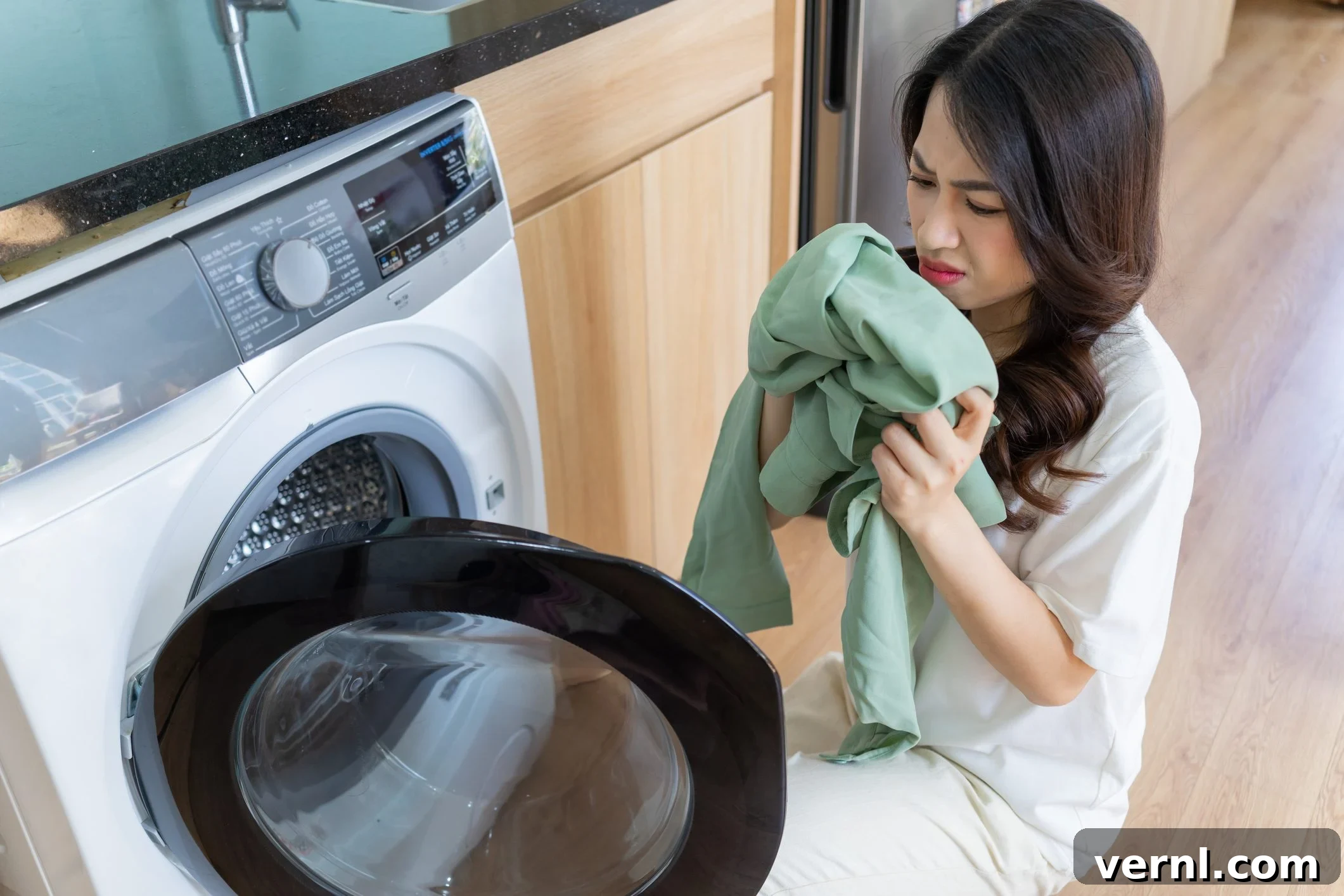
Have you ever opened your washing machine only to be greeted by an unsettling, foul odor? It’s a common and frustrating experience. The appliance designed to keep your clothes fresh and clean can, ironically, become a source of unpleasant smells. Whether it’s the stench of rotten eggs, a damp, musty aroma, or something akin to a wet dog, a smelly washing machine is more than just an inconvenience; it can transfer these odors directly onto your freshly laundered items.
Years ago, many homeowners faced this with older models, where design flaws could lead to persistent standing water and a pervasive stench that ultimately necessitated replacing the appliance. Fortunately, with modern washers, both top-loading and front-loading, understanding the root cause of these odors makes them largely preventable and treatable. Once you pinpoint why your washing machine smells bad, the solution is usually straightforward. Here’s a comprehensive guide to the most common culprits behind a smelly washing machine and how to restore its fresh, clean scent.
Mold and Mildew Growth: The Primary Culprit Behind Musty Washing Machine Odors
Mold and mildew are arguably the number one cause of a pungent, musty washing machine smell. These fungi thrive in damp, dark environments, making the interior of your washing machine an ideal breeding ground. Many other issues listed below ultimately contribute to this growth, exacerbating the problem.
Understanding Mold in Your Washer
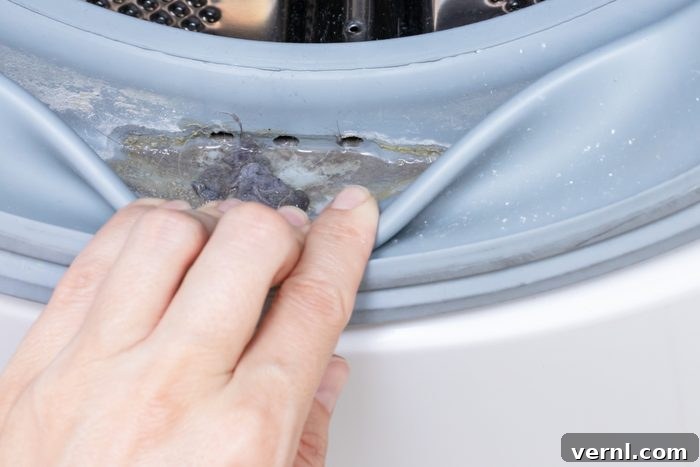
Front-loading machines are particularly susceptible to mold and mildew buildup, especially around the rubber door gaskets (also known as boots or bellows). Water often collects in the folds of these gaskets, creating persistent dampness. This leads to a distinct musty odor that not only permeates the machine but can also transfer to your clothes, leaving them smelling less than fresh.
Effective Solutions and Prevention
- Airing Out: The simplest and most effective preventative measure for front-loaders is to keep the door ajar between loads. As appliance technician Jason Carter of Simply Swider advises, “Keep your door open between loads to let the machine air out.” This allows moisture to evaporate, preventing mold and mildew from taking hold.
- Manual Cleaning: Regularly clean the rubber gasket and the drum manually. Use a cloth dampened with a solution of warm water and white vinegar (equal parts) or a mild bleach solution. Pay close attention to the crevices and folds of the gasket where grime and mold tend to accumulate. For the drum, a thorough wipe-down can remove visible residue.
- Deep Cleaning Cycles: Periodically run a hot water wash cycle with the machine empty. You can add one of the following cleaning agents:
- Bleach: Add about 1/2 to 1 cup of liquid chlorine bleach to the detergent dispenser.
- White Vinegar: Add 2 cups of distilled white vinegar to the detergent dispenser.
- Specialized Washer Cleaners: Products like Affresh or OxiClean Washing Machine Cleaner are specifically designed to tackle mold, mildew, and detergent residue. Follow the product’s instructions carefully.
- Timely Laundry Removal: Never leave damp clothes in the machine for extended periods after a wash cycle is complete. This traps moisture and creates a perfect environment for mold and mildew to flourish, quickly leading to odors.
Detergent Residue: A Sticky Situation Leading to Stench
Using an excessive amount of laundry detergent or using non-high efficiency (HE) detergent in an HE washing machine can lead to a significant buildup of residue. This sticky, slimy layer can accumulate on the drum, in the detergent dispenser, within the hoses, and even on the filter. This residue isn’t just unsightly; it traps dirt, grime, and body oils, creating a prime breeding ground for mold, mildew, and bacteria, which in turn produce foul, lingering odors.
Understanding Detergent Buildup
Modern HE washers are designed to use less water, meaning they require a special low-sudsing HE detergent. Using regular detergent or too much HE detergent creates an excess of suds that the machine cannot effectively rinse away. This soapy film hardens over time, becoming a magnet for dirt and microbial growth.
Preventative Measures and Cleaning Tips
- Measure Correctly: Mark Buskuhl, founder and CEO of Ninebird Properties, emphasizes, “To prevent this, you should use the correct amount of detergent for each load size and clean out any residue buildup from the soap dispenser or drawers on a regular basis.” Always consult your detergent’s instructions and your washing machine’s manual for recommended dosages based on load size and water hardness. Many people habitually use too much detergent, thinking it will clean better, but the opposite is often true for HE machines.
- Choose HE Detergent for HE Washers: If you own a front-loading or HE top-loading washer, it is crucial to use detergent specifically labeled “HE.” These detergents are formulated to produce fewer suds and rinse more effectively, preventing residue buildup.
- Opt for Liquid Over Powder: While powder detergents can be effective, they are generally more prone to leaving behind undissolved residue, especially in cold water washes. Liquid detergents tend to dissolve more completely and rinse away cleanly.
- Clean the Dispenser: Periodically remove and clean the detergent dispenser drawer. Hot water and an old toothbrush can effectively remove caked-on residue. Many dispenser components are removable for easier cleaning.
Clogged Drain, Pump, or Filter: Stagnant Water and Bacteria Havens
A washing machine relies on a clear drainage system to remove wastewater effectively. However, debris such as lint, hair, small forgotten items like coins or buttons, and other foreign objects can get stuck in the drain hose, pump, or filter. This obstruction can prevent the machine from fully draining, leading to stagnant water. This standing water quickly becomes a breeding ground for anaerobic bacteria, producing a putrid, sewage-like stench. Moreover, the scum and organic matter accumulating around the clog further contribute to the bacterial proliferation and unpleasant odors.
Identifying and Addressing Clogs
If your machine isn’t draining properly, takes too long to drain, or leaves clothes excessively wet, a clog is a likely suspect. Andrew Brown of This Fixed House recommends “regularly cleaning the filter and ensuring the drain isn’t obstructed, and also checking that drain pipes are not kinked or bent to allow for the accumulation of scum.”
Steps to Clean and Prevent Clogs:
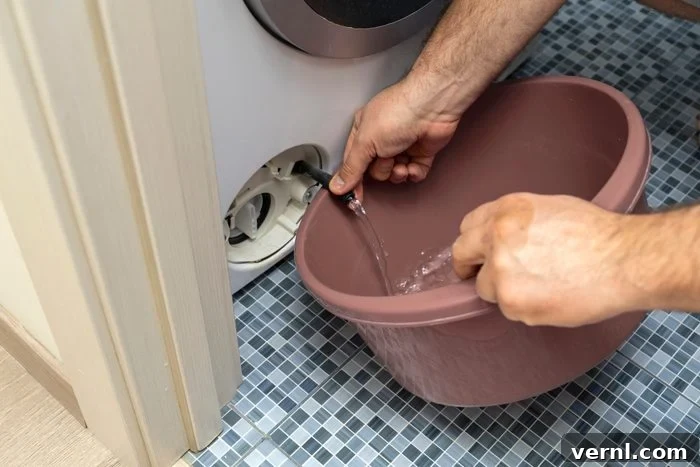
- Locate and Clean the Drain Filter: Most modern washing machines have a drain pump filter (also called a coin trap or lint filter) accessible from the front or bottom of the machine. Consult your owner’s manual for its exact location and instructions. Before opening, place a shallow pan and towels underneath to catch any residual water. Carefully unscrew or unlatch the filter, remove any trapped debris, and clean the filter thoroughly under running water.
- Check the Drain Hose: Ensure the drain hose at the back of the machine is not kinked, bent, or obstructed. You may need to disconnect it (after turning off the water supply and unplugging the machine) to inspect it for blockages.
- Inspect the Pump: If the filter and hose are clear, the pump itself might be obstructed. This is a more complex task and might require professional help, but sometimes small items can be carefully extracted.
- Pre-Treat Clothes: To prevent lint and hair from entering the drain system, consider using a lint trap or a mesh laundry bag for items that shed a lot.
- Empty Pockets: Always check pockets before washing to remove coins, keys, or other small items that can cause blockages.
Washing Mostly in Cold Water: Unseen Residue and Microbes
While washing laundry in cold water offers undeniable benefits in terms of energy savings and protecting certain fabrics, it can inadvertently contribute to a smelly washing machine. The problem arises because cold water is less effective at dissolving and rinsing away certain types of grime and detergent.
The Cold Water Conundrum
Mark Morris of Deluxe Plumbers explains, “Cold water may not be able to dissolve or rinse away all the dirt, oil, and detergent from your clothes or your washing machine. This can leave behind a residue that can harbor bacteria and odors.” Furthermore, he notes, “Cold water may also not be able to kill all the germs or bacteria that may be present on your clothes or your washing machine, which can cause a foul smell that can spread to your clothes.” Over time, this buildup of undissolved detergents, body oils, and microbial growth creates a pervasive, stale odor within the machine.
Balancing Efficiency and Hygiene
To mitigate this issue without sacrificing energy efficiency entirely, integrate hot water washes into your routine:
- Periodic Hot Cycles: Even if you primarily use cold water for your laundry, periodically run a hot water wash cycle with the machine empty. Add a cup of white vinegar or a specialized washing machine cleaner. This high-temperature wash helps to dissolve stubborn residues, kill bacteria, and sanitize the drum and internal components.
- Sanitize Heavily Soiled Items: For towels, bedding, or heavily soiled clothes, consider using a hot water cycle to ensure thorough cleaning and sanitation.
- Follow Manufacturer Recommendations: Some washing machines have specific “clean machine” or “sanitize” cycles that use very hot water and should be run regularly, usually once a month.
Hard Water: Mineral Buildup and Reduced Cleaning Power
The quality of your household water supply can also play a significant role in washing machine odors. Hard water, characterized by a high mineral content, particularly calcium and magnesium, reacts negatively with laundry detergents. These minerals reduce the effectiveness of detergents, preventing them from fully dissolving and cleaning efficiently.
Impact of Hard Water
This reaction leads to mineral deposits (limescale) building up on various internal components of the washing machine, including the heating element, the drum, pipes, and hoses. These deposits create a rough surface where dirt, soap scum, and bacteria can easily adhere and proliferate. Over time, this accumulation releases a distinct, often musty or metallic odor, and it can also impact the longevity and efficiency of your appliance.
Solutions for Hard Water Issues
Addressing hard water involves both preventative measures and routine cleaning:
- Water Softener System: As Mark Morris suggests, “Install a water softener system in your home to reduce the mineral content of your water.” This is the most comprehensive solution for homes with very hard water, benefiting not just your washing machine but all water-using appliances and even your skin and hair.
- Descaler Products: For existing buildup, Morris advises, “You should also use a descaler product once every three months to remove any deposits from your washing machine.” These specialized cleaners are designed to break down mineral scale. Follow product instructions carefully.
- Vinegar as a Descaler: White vinegar can also act as a natural descaler. Run an empty hot water cycle with 2-4 cups of white vinegar in the detergent dispenser to help dissolve mineral deposits.
- Adjust Detergent Use: In hard water areas, you might need to slightly increase the amount of HE detergent (but not excessively) or use a laundry booster designed for hard water to improve cleaning performance.
Dirty Water in Impeller: A Hidden Source of Stench in Front-Loaders
For those with front-loading washing machines, a specific component known as the impeller can become a hidden source of foul smells. The impeller is the low-profile cone, wheel, fin, or disc found at the bottom of the drum that spins to gently rub clothes against each other, loosening stains and facilitating the washing action.
The Impeller Problem
According to appliance technician Jason Carter, dirty water can seep into and around the back of the impeller. Over time, this trapped, stagnant water mixed with detergent residue, lint, and body oils can develop into a concentrated, strong stench. Because it’s often out of sight, this area can be easily overlooked during routine cleaning, allowing the problem to fester.
Cleaning the Impeller Area:
- Manual Inspection: Periodically inspect the impeller area. You might need a flashlight to see underneath or behind it.
- Thorough Cleaning: If you notice grime or smell an odor emanating from this spot, use a small brush or a cloth dampened with a strong cleaner (like a vinegar-water solution or specialized washer cleaner) to thoroughly scrub the area around and under the impeller. Some impellers might be removable for deeper cleaning, but consult your machine’s manual before attempting this.
Standing Water: The Quintessential Washing Machine Smell
Water is, quite simply, one of the most common and potent causes of washing machine smells. When wastewater fails to fully drain from the machine, it quickly becomes stagnant, putrid, and a fertile breeding ground for a host of odor-causing bacteria and mold.
Why Water Stands
As Andrew Brown succinctly puts it, “If there are issues with the drain filter, pump or drainpipe, the machine fails to fully drain all of the wastewater during the drain cycle. This will leave standing water within the drain system leading to stagnation and bad odors.” Beyond clogs, factors like an improperly installed drain hose can also contribute to this problem.
Detecting and Resolving Standing Water Issues:
- Check for Visual Clues: After a cycle, visually inspect the drum and any accessible parts of the drainage system. Is there water pooling anywhere it shouldn’t be? Are your clothes still excessively wet?
- Listen for Drainage: Pay attention during the drain cycle. Does the pump sound like it’s struggling, or does the water flow seem weak or intermittent?
- Inspect Drain Components: As discussed in the “Clogged Drain” section, regularly check and clean the drain filter. Ensure the drain hose is clear of kinks and obstructions.
- Run a Cleaning Cycle: If standing water is a recurring issue, a hot water cycle with vinegar or bleach can help flush the system and kill some of the odor-causing microbes, but the underlying drainage problem still needs to be addressed.
- Professional Help: If you’ve checked all the accessible components and the machine still isn’t draining correctly, it’s time to call an appliance technician. The issue might be with the pump itself or a more complex internal blockage.
Poor Ventilation: Trapped Moisture and Mustiness
The environment surrounding your washing machine plays a crucial role in preventing odors. Poor ventilation in the laundry area or around the machine itself can significantly contribute to moisture and humidity buildup, leading to an unpleasant smell inside the appliance.
The Impact of Trapped Moisture
As Mark Buskuhl explains, “If there is no air circulation, moisture and humidity build-up inside the machine, which can create an unpleasant smell.” This damp, humid air acts as a constant supply of moisture for mold and mildew to thrive, even if you regularly clean the machine’s interior. The confined space prevents proper drying and airing out, making it an uphill battle against mustiness.
Improving Ventilation:
- Keep Laundry Room Doors Open: If your washing machine is in a small laundry closet or room, keep the door open, especially after running a load, to allow air to circulate and moisture to dissipate.
- Use an Exhaust Fan: If your laundry room has an exhaust fan, turn it on during and after wash cycles to pull out humid air.
- Dehumidifier: In particularly damp basements or laundry areas, a dehumidifier can be invaluable in reducing ambient humidity levels.
- Ensure Space Around the Machine: Avoid pushing the washing machine too tightly against walls or cabinets. Allow for some space around it for air to flow.
- Dry the Exterior: Occasionally wipe down the exterior of the machine, especially if you notice condensation, to prevent external mold growth that could contribute to general room odors.
Faulty Drain Hose Installation: Backflow and Stagnation
Beyond clogs, the way your washing machine’s drain hose is installed can profoundly impact drainage and contribute to a pungent smell. An improperly positioned drain hose can create conditions ripe for standing water and unpleasant odors.
The Siphon Effect and Backflow
David Miloshev, an appliance technician at Fantastic Service, highlights this: “A poorly positioned drain hose may let water accumulate, producing a bad smell. The hose should have a U-shape to prevent backflow.” This U-shape, often referred to as a “drainage loop” or “air gap,” is critical. Without it, a siphon effect can occur, where wastewater from the household drain pipe is sucked back into the washing machine or the water in the machine continuously drains out, keeping the drum unnecessarily wet. Both scenarios lead to stagnant, dirty water within the machine or the hose itself, creating strong, unpleasant odors.
Correcting Drain Hose Installation:
- Ensure a High Loop: The drain hose should be looped up, with the highest point of the loop at least 34 inches (86 cm) above the floor, before it enters the standpipe or utility sink. This creates an air break that prevents backflow and siphoning.
- Secure the Hose: The hose should be securely fastened to the standpipe or utility sink to prevent it from slipping down and losing its high loop.
- Check for Kinks: Regularly inspect the entire length of the drain hose for any kinks or bends that could impede water flow.
- Proper Length: Ensure the drain hose is neither too long (which can cause sagging and pooling) nor too short (which can pull it out of the standpipe).
Wrong Detergent: Impaired Rinsing and Residue Buildup

It might seem trivial, but using the incorrect type of laundry detergent for your washing machine or water conditions can be a significant contributor to foul odors. This issue goes beyond simply using too much detergent; it’s about the formulation itself.
The Chemistry of Cleaning
Sabrina Tretyakova, a certified cleaning technician at Fortador, explains the problem: “Using the wrong type of detergent can prevent the washer from adequately rinsing clothes, leaving considerable soap scum and grime from your laundry, and leading to bacterial accumulation and foul odor.” For instance, non-HE detergents produce excessive suds that HE machines, designed for low water usage, cannot effectively rinse away. This results in a thick, sticky layer of soap scum that coats the interior of the machine, trapping dirt, skin cells, and body oils. This organic material quickly decomposes, fostering bacterial growth and releasing strong, unpleasant smells.
Making the Right Detergent Choice:
- Consult Your Owner’s Manual: This is the most crucial step. Your washing machine’s manual will specify the recommended type of detergent (e.g., “HE only”) and sometimes even suggest ideal brands or formulations based on the machine’s design and water type.
- Match Detergent to Machine Type:
- HE Washers (Front-loaders and some Top-loaders): ALWAYS use detergents labeled “HE.” These are low-sudsing and designed to work efficiently with less water.
- Standard Top-loaders: Can typically use regular detergents, but still adhere to proper measuring.
- Consider Water Hardness: In hard water areas, you might benefit from detergents specifically formulated to counteract mineral effects or by adding a water softener booster to your wash.
- Accurate Measurement is Key: No matter the detergent type, always measure the amount precisely. Resist the urge to add “a little extra” for heavily soiled loads. Excessive detergent, even the correct type, can lead to residue. Use the measuring cup provided or follow the lines on the cap carefully.
- Liquid vs. Powder: While both are effective, liquid detergents generally dissolve better in cold water and are less likely to leave residue compared to powder detergents, which can sometimes clump or not fully dissolve, especially in cooler washes.
Infrequent Use: Stagnation and Neglect
Sometimes, the cause of a smelly washing machine can be surprisingly simple: it’s not being used enough. Just like any appliance that handles water, a lack of regular operation can lead to issues.
The Problem with Infrequent Use
Professional cleaner Kyle Leman of Crossroads Foundation Repair notes that infrequent use can significantly contribute to stagnant water and resultant smells. When a washing machine sits idle for extended periods, any residual moisture within the drum, hoses, or pump has ample time to become stagnant. This creates a perfect environment for mold, mildew, and bacteria to flourish without the regular flushing action of a wash cycle to clean them away. The water loses its oxygen, and anaerobic bacteria can thrive, producing strong, unpleasant odors.
Preventing Odors from Infrequent Use:
- Run Periodic Maintenance Cycles: If you don’t do laundry frequently, make it a habit to run an empty hot water cycle at least once a month. Add a cup or two of white vinegar or a specialized washing machine cleaner to this cycle. This helps to flush out any stagnant water, dissolve residues, and kill odor-causing microbes.
- Leave the Door Ajar: After every use (or even after a maintenance cycle), leave the washing machine door ajar for several hours or even overnight. This allows air to circulate and moisture to evaporate, preventing dampness from lingering and encouraging microbial growth.
- Wipe Down Interior: After a wash, quickly wipe down the inside of the drum and around the door gasket to remove any visible moisture.
Conclusion: A Proactive Approach to a Fresh-Smelling Washer
A smelly washing machine is a clear indication that something is amiss, often due to a combination of moisture, organic residue, and microbial growth. While the problem can seem daunting, identifying the specific cause, or causes, is the first step towards a lasting solution. From the pervasive growth of mold and mildew in damp crevices to the insidious buildup of detergent residue, or the hidden issues of clogged drains and hard water, each problem has a straightforward remedy.
By adopting a proactive approach – regularly cleaning your machine, using the correct detergents in appropriate amounts, ensuring proper ventilation, and maintaining the drainage system – you can easily keep your washing machine smelling fresh. These simple maintenance steps not only eliminate foul odors but also contribute to the longevity and efficiency of your appliance, ensuring that it continues to deliver truly clean and fresh-smelling laundry for years to come.