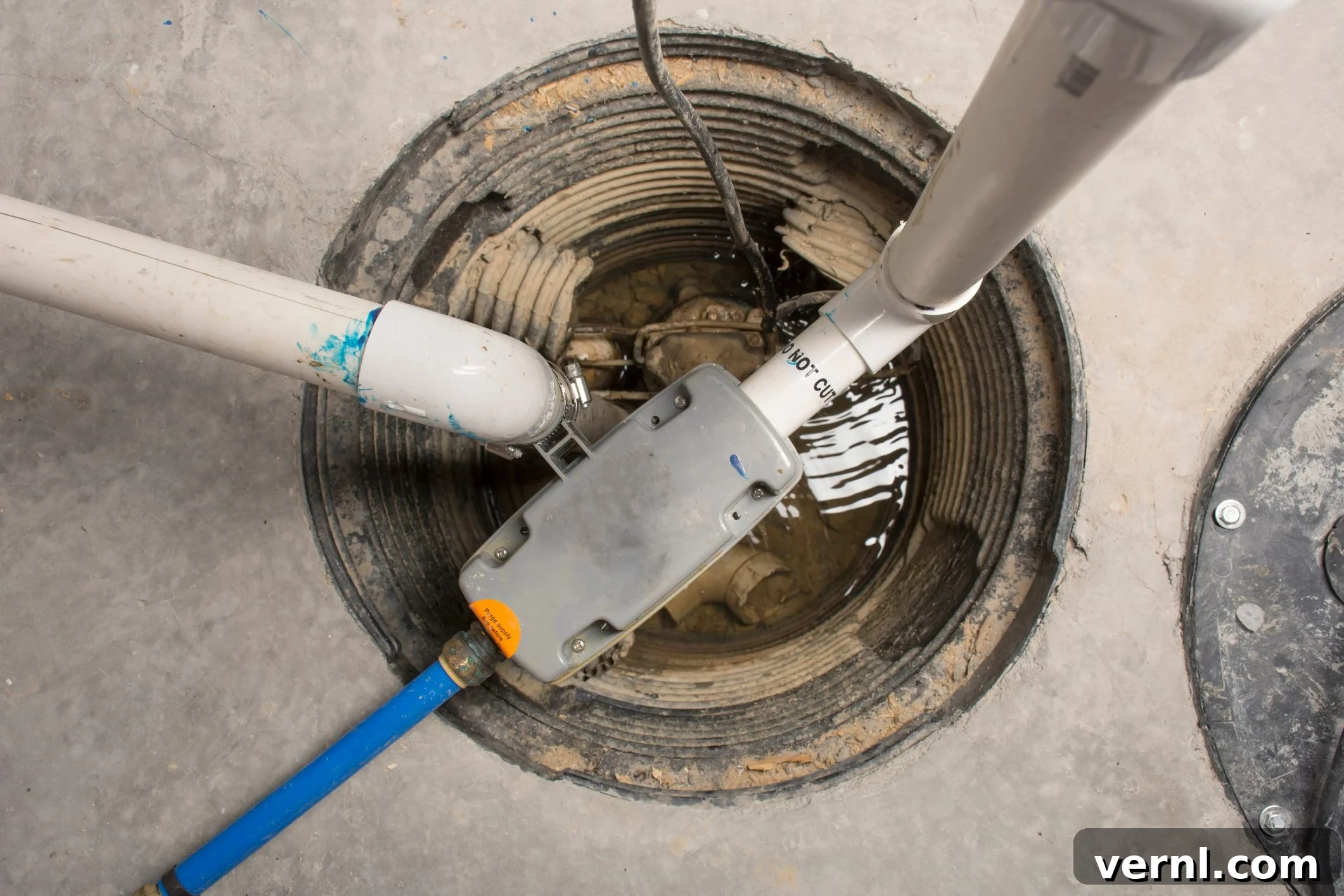
A sump pump is an indispensable component of any modern home’s defense against water damage, often sitting quietly in a basement or crawl space, diligently awaiting its call to action. Despite its critical role in disaster prevention, it’s frequently overlooked until a crisis strikes. When this simple yet vital system falters, the consequences can be devastating: extensive structural damage, the loss of cherished possessions, prolonged and costly repairs, and ultimately, soaring insurance premiums. Investing time and resources into understanding and safeguarding your sump pump system is not just prudent; it’s essential for maintaining the integrity and value of your home.
While some proactive homeowners keep a spare replacement pump on hand—a commendable practice, especially given that home improvement stores often sell out during severe weather events—this foresight has its limitations. A replacement pump offers little solace if you’re away on vacation during a sudden power outage, or if your primary pump unexpectedly fails in the dead of night while a storm rages outside. This is precisely where the true value of a robust sump pump backup system becomes evident. Regardless of the underlying cause of your primary pump’s failure, a reliable backup system stands ready to intervene, preventing potential flooding and preserving your peace of mind. This comprehensive guide will explore the various backup options available, helping you make an informed decision for your home.
Understanding Why Primary Sump Pumps Fail
To effectively plan for backup solutions, it’s crucial to first understand the common culprits behind primary sump pump failures. The most frequent and often underestimated cause isn’t mechanical failure of the pump itself, but rather a disruption in its power supply. Power outages, whether localized or widespread, can instantly render your primary pump useless. Beyond widespread blackouts, localized electrical issues can also cut off power; a lightning strike can trip GFCI outlets, or a simple oversight, like accidentally unplugging the pump and forgetting to reconnect it, can lead to disaster.
Even with an uninterrupted power supply, the pump itself can sometimes be the weak link. Many budget-friendly sump pumps are simply not designed to handle the sheer volume of water generated by a major downpour or a rapid snowmelt. An undersized pump will struggle to keep up, running continuously and inefficiently, which drastically shortens its lifespan. Furthermore, inexpensive pumps are often constructed from less durable materials, leading to quicker wear and tear. Over time, components degrade, the pump loses its efficiency, and eventually, the motor might run without effectively ejecting water, or it could burn out entirely from constant overuse.
Another frequent cause of primary pump failure lies with the float switch, the component responsible for activating the pump when water levels rise. “Wide-angle” tethered float switches, which freely move within the sump basin, are notorious for causing problems. Their unrestricted movement makes them susceptible to becoming snagged or trapped against the pump body, the discharge pipe, or even the power cord. When a float switch is immobilized, it cannot rise with the water level, thus failing to trigger the pump. Inexpensive float switches are also prone to wear, corrosion, or electrical failure, which can lead to the pump not activating, or even causing the motor to burn out due to erratic operation.
How Sump Pump Battery Backup Systems Operate
A sump pump battery backup system acts as an independent guardian for your basement, typically installed alongside your primary pump within the same sump basin. This system functions similarly to your main pump but is strategically designed to activate only when needed most. Its float switch is set slightly higher than that of the primary pump, ensuring it remains dormant under normal operating conditions. The backup system springs into action if the primary pump fails to keep pace with incoming water, or, critically, if there’s a power outage that disables the main unit.
The core of a battery backup system includes a DC-powered pump, a deep-cycle battery (or batteries), and a smart charging unit. When the power is on and your primary sump pump is functioning correctly, the charger continuously maintains the battery at full capacity. This ensures that the backup system is always prepared for an emergency, providing a reliable source of power and pumping capability during unexpected outages or primary pump malfunctions. These systems offer invaluable peace of mind, knowing that your home is protected even when you’re away or asleep.
Selecting the Right Sump Pump Size
Whether you are in the market for a new primary sump pump or a robust backup system, accurately determining the required pump capacity is a critical first step. An undersized pump will struggle, leading to constant operation and premature failure, while an oversized pump can cycle too frequently, also shortening its lifespan and consuming unnecessary energy. To gauge your home’s specific needs, start by evaluating your existing pump.
Carefully disconnect your current pump, remove it from the sump basket, and locate the gallons per hour (GPH) rating on its label. This rating indicates how much water the pump can move in an hour. If the label is unreadable or missing, consult the manufacturer’s website using the pump’s make and model number to find its specifications. When purchasing a new pump, aim for at least the same GPH capacity. If you’ve observed that your current pump occasionally struggles to keep up with heavy rainfall or rapid snowmelt, it’s advisable to upgrade to a model with a significantly higher GPH rating to ensure adequate protection.
Battery Backup Sump Pump System Components and Considerations
A complete sump pump battery backup system comprises several key components: a specialized DC-powered backup pump, a deep-cycle marine battery (or multiple batteries), a sophisticated charging unit, and additional PVC piping for its dedicated discharge line. Manufacturers typically offer these systems in tiers, often labeled “good,” “better,” and “best,” with the “best” units commanding a price tag three times that of the “good” options. The higher-tier systems usually feature larger batteries, providing extended run times, and more advanced chargers that optimize battery life and performance.
The crucial question for many homeowners is, “How long will a battery backup system keep my basement dry?” The answer hinges primarily on two factors: the volume of water entering your sump basket and, consequently, how often the pump is forced to activate. For instance, a system equipped with a 40-amp/hour battery might be projected to run for up to 53 hours, pumping once every five minutes at a rate of 2,300 GPH. However, if your water infiltration problems are severe enough to require the pump to run once every minute, that same battery’s capacity will dwindle rapidly, lasting only about 12 hours. This limited run time might not be sufficient to weather an extended power outage. In such scenarios, consider investing in a system with a larger battery capacity or one that includes a charger capable of keeping two batteries fully charged simultaneously. While a less expensive backup system might seem appealing for homes with minor seepage and infrequent power outages, remember that the savings could prove catastrophic if a rare, severe storm overwhelms your system, transforming a minor trickle into a devastating flood.
Pros of Battery Backup Systems
- Simple Installation: These systems can often be connected to your existing discharge pipe or routed via a separate, dedicated discharge line with relative ease.
- Independent Operation: Unlike water-powered systems, battery backups function independently of your municipal water supply, making them ideal for homes with wells or areas prone to water supply interruptions.
- Automatic Activation: They automatically engage during power outages or primary pump failures, providing immediate protection without manual intervention.
- Versatility: Suitable for a wide range of basement sizes and water volume challenges, with scalable battery options for extended run times.
Cons of Battery Backup Systems
- Limited Run-Time: Battery capacity is finite; it may deplete before power is restored, especially during prolonged outages or heavy rain events.
- Regular Maintenance: Battery water levels (for flooded lead-acid batteries) must be checked every few months, and battery terminals require cleaning twice a year to prevent corrosion and ensure optimal performance.
- Battery Replacement Costs: Batteries typically need replacement every three to five years, incurring additional costs over the system’s lifespan.
- Temperature Sensitivity: Battery performance can be affected by extreme temperatures, reducing efficiency and lifespan in very cold or hot environments.
Exploring Water-Powered Backup Pumps
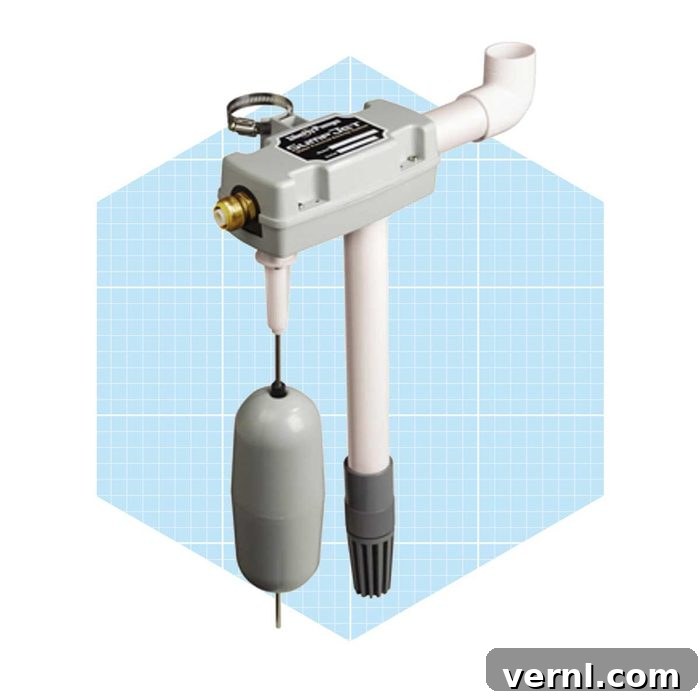
A water-powered backup pump represents an ingenious alternative, harnessing the pressure from your home’s municipal water supply to siphon water out of your sump pit. These systems operate on the Venturi effect: as municipal water flows through a constricted nozzle, it creates a vacuum that pulls sump water into a separate chamber and then ejects it through a dedicated discharge line. Most models typically use one gallon of city water to remove approximately two gallons of sump water. For example, a pump capable of removing 1,500 GPH of sump water will consume around 750 GPH of city water, a ratio that has sparked considerable debate and controversy.
Due to concerns about water conservation, particularly in regions facing severe water shortages, some municipalities have prohibited the installation of these pumps. It is imperative to check with your local authorities and plumbing codes before purchasing a water-powered system. In areas with high water costs, the daily operating expense during an extended power outage could easily reach $170 or more. However, it’s essential to put this cost into perspective: happily paying a $300 water bill to prevent thousands of dollars in flood damage over a few days without power can be a small price for significant protection. These pumps require a minimum of 40 pounds per square inch (psi) of water pressure and a 3/4-inch feed line to achieve their maximum pumping rates. Furthermore, they necessitate a separate drain line and a robust backflow prevention device to safeguard against cross-contamination of your potable water supply.
Water-powered pumps generally come in two primary configurations: in-sump and above-sump designs. An in-sump pump is continually immersed in drain water, which inherently increases the risk of contamination with your drinking water supply if not properly protected. To mitigate this critical health hazard, most local plumbing codes mandate the installation of an expensive reduced pressure zone (RPZ) backflow prevention valve. RPZ valves are complex devices that must be professionally installed and undergo annual testing by a licensed plumber, adding a recurring annual cost to the system’s upkeep. Always consult your local building inspection department before committing to an in-sump unit. In contrast, an above-sump unit mounts well above the sump basin, significantly reducing the risk of contamination. Consequently, many plumbing inspectors consider a less expensive atmospheric vacuum breaker (AVB) to be sufficient for these installations, lowering both initial and long-term costs.
Pros of Water-Powered Backup Pumps
- Unlimited Run-Time: These systems can operate indefinitely, as long as your home maintains sufficient water pressure, offering continuous protection during prolonged power outages.
- No Battery Replacement: Eliminates the recurring expense and hassle of replacing batteries every few years.
- Minimal Maintenance: Typically requires very little routine maintenance compared to battery-powered systems.
- Reliable: Functions even when electricity is out, provided you have municipal water pressure.
Cons of Water-Powered Backup Pumps
- Well System Incompatibility: Will not function during a power outage if your home relies on a well pump, as the well pump itself requires electricity.
- Complex Installation: Requires the installation of a new dedicated water line, a backflow preventer, and a new drain line, making the installation more involved and costly.
- Annual RPZ Valve Testing: If required by local codes, an annual fee for RPZ valve testing by a licensed plumber adds to the long-term cost.
- High Operating Costs: Can be expensive to run in areas with high municipal water costs, particularly during extended emergencies.
- Water Pressure Dependency: Effectiveness is entirely dependent on sustained municipal water pressure, which can sometimes drop during widespread emergencies.
Powering Your Sump Pump with a Generator
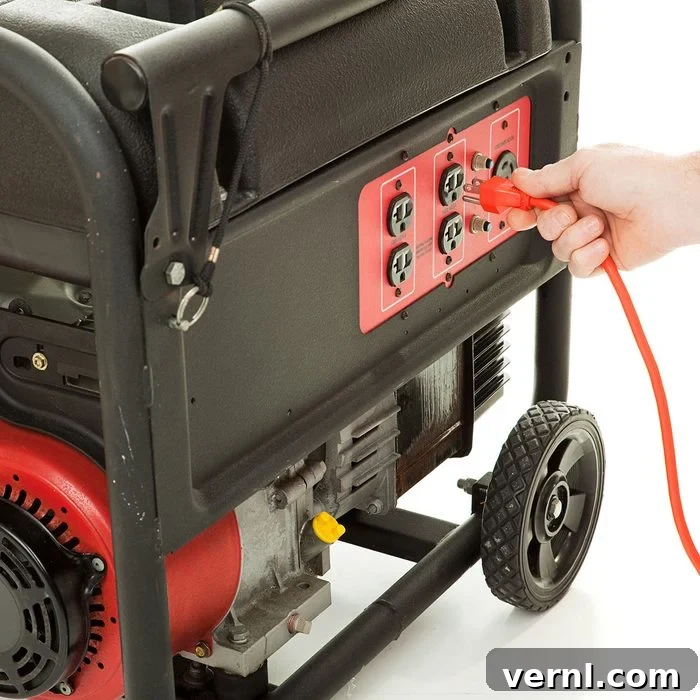
During a power outage, a backup generator can prove to be an invaluable investment, especially when it comes to powering essential appliances like a sump pump. A typical sump pump draws approximately nine amps, meaning it won’t impose a significant load on most generators, allowing you to power other critical household items simultaneously. Generators offer flexibility, as they can power multiple devices, making them a comprehensive solution for power interruptions.
However, it’s important to recognize that a generator, particularly a portable one, isn’t a perfect, hands-off substitute for an automatic backup system like a battery or water-powered pump. These dedicated backup systems activate automatically the moment a failure occurs, whether you are home, away, or fast asleep. A portable generator, conversely, requires manual intervention: someone must be present to set it up, start it, and connect the sump pump. Furthermore, neither a portable nor a standby generator can help if the primary sump pump itself has failed mechanically, as they only provide power, not repair a broken unit. For optimal safety, always operate generators in a well-ventilated outdoor area, far from windows and doors, to prevent carbon monoxide poisoning, and ensure you have sufficient fuel stored safely.
Pros of Using a Generator for Sump Pump Backup
- Multi-Purpose Power: A generator can power not just your sump pump but also other essential home appliances during an outage, such as refrigerators, lights, and charging devices.
- Extended Run-Time: As long as you have a supply of fuel, a generator can power your sump pump for prolonged outages, surpassing the typical run-time of battery backup systems.
- No Additional Pumps: You don’t need to add extra pumps to your existing sump pump system, simplifying the setup.
Cons of Using a Generator for Sump Pump Backup
- Manual Operation: Someone must be present to start the generator and connect the pump, making it unsuitable for protection when you’re away or incapacitated.
- Cost and Maintenance: Generators are a significant upfront investment and require their own routine maintenance, fuel storage, and can be costly to run due to fuel consumption.
- Primary Pump Dependency: Will not help if your primary sump pump experiences a mechanical failure; it only provides power to a functioning pump.
- Safety Concerns: Requires careful operation and proper ventilation to prevent carbon monoxide poisoning.
Knowing When Your Sump Pump Fails: The Importance of Alarms
Far too often, homeowners remain blissfully unaware of a sump pump failure until the tell-tale signs of water damage appear—a discovery that is always too late. Fortunately, modern technology offers several ways to avoid this costly predicament. Many new AC sump pumps, especially those managed by an integrated controller, come equipped with built-in alarms that sound an alert if the pump malfunctions or if the power goes out. The same monitoring capabilities are standard in most new battery-powered backup systems.
If your existing sump pump system lacks an integrated alarm, the aftermarket offers a variety of effective solutions to provide early detection and notification:
- Local Alarms: These devices typically use a water-sensing probe or a float switch positioned at the top of the sump basket. When water reaches the predetermined level, an audible alarm sounds. Local alarms are highly effective if someone is home to hear and respond to the alert promptly.
- Verbal Message via Landline: More advanced systems can detect high water levels, dial a preprogrammed phone number (e.g., your cell phone or a neighbor’s), and play a prerecorded message. They usually also feature an audible alarm. These systems require a functional landline connection.
- Text Messaging/Smart Notifications: Modern solutions leverage Wi-Fi connectivity to detect high water levels and send text messages or push notifications to multiple cell phones or smart devices. Some even integrate with smart home systems, allowing for remote monitoring and alerts through a dedicated app. Search for “high water text notification” or “smart sump pump alarm” to find companies and devices offering these services. These systems offer unparalleled peace of mind, allowing you to monitor your sump pump’s status from anywhere.
How to Choose the Best Replacement Sump Pump
Navigating the confusing array of sump pumps at a home center, with prices ranging from $50 into the hundreds, can be daunting. But don’t despair. After reviewing specifications, consulting engineers, and gathering expert insights, we’ve distilled the essential buying advice into five simple, actionable tips to help you select the ideal pump for your home:
- Prioritize Pumping Volume (GPH) Over Horsepower: Horsepower ratings can be misleading; it’s the pumping volume, measured in Gallons Per Hour (GPH), that truly matters. Check the capacity of your current pump. If it has consistently handled the flow during the heaviest rainstorms, purchase a new pump with at least that same GPH rating. If your current pump frequently struggles to keep up, upgrade to a model with a higher GPH capacity. You can usually find your pump’s make and model number on its label, then consult the manufacturer’s website for detailed GPH specifications.
- Understand “Head” in GPH Ratings: “Head” refers to the vertical height water must be lifted from the pump to the horizontal discharge pipe. Greater head requires more work from the pump and reduces its effective GPH. Most reputable manufacturers include the typical head (often 10 feet) in their GPH ratings. However, some less scrupulous brands rate pump capacity “at 0 head,” providing an unrealistic and misleadingly high estimate of the pump’s true performance. Always confirm that the GPH rating accounts for a realistic head.
- Invest in Quality Materials and Construction: While tempting, avoid the cheapest pumps. Look for a pump with a robust, enclosed, or vertical float switch (which are less prone to snagging than tethered switches). Ensure the motor has a UL (Underwriters Laboratories) and CSA (Canadian Standards Association) safety rating. Opt for pump bodies and impellers made from durable materials like stainless steel, cast aluminum, or cast iron. Avoid pumps constructed primarily from epoxy-coated parts, as these tend to degrade more quickly and are less resilient to debris.
- Choose an Energy-Efficient Pump: Once you’ve identified pumps with the correct GPH rating and material quality, compare their amp consumption. Selecting a model that consumes fewer amps isn’t just about saving electricity; high-amp pumps run hotter, which can lead to premature wear of the motor and float switch. An energy-efficient pump operates cooler, extending its lifespan and reducing the likelihood of early failure.
- Select a “Top Suction” Pump or Elevate a “Bottom Suction” Model: If your sump pit tends to accumulate gravel, sand, or other sediment, a “top suction” pump is highly recommended. These pumps draw water from above the motor, preventing debris from clogging the intake and causing a stall or burnout. If you opt for a “bottom suction” style pump, elevate it slightly on a few bricks or a sturdy platform within the sump pit. This simple step keeps the intake off the bottom, minimizing the risk of debris ingestion and ensuring continuous, reliable operation.
- Purchase Fresh Hardware for Installation: To ensure a smooth installation process and prevent last-minute trips to the store, gather all necessary fresh hardware while you’re at the home center. This includes a new male fitting for the pump outlet, appropriate pipe primer and PVC cement, a new check valve (to prevent discharged water from flowing back into the pit), and durable rubber couplers for easy connections. Having these components on hand will significantly streamline the sump pump installation process.