
Transform Your Home: The Ultimate Guide to Exterior House Painting
Embarking on an exterior house painting project is a significant undertaking that offers numerous rewards, from dramatically enhancing your home’s curb appeal to providing crucial protection against the elements. As you consider this exciting transformation, the very first question that often arises is: “What color should I paint my house?”
This decision goes beyond mere aesthetics; it reflects your personal style, complements your home’s architecture, and can even influence its market value. While you might initially dive into a search for popular house colors or trending palettes, it’s wise to consider the broader impact. For instance, if you’re preparing to sell your property, knowing the right paint color can potentially add thousands to your home’s value, making it a smart investment.
Choosing the right exterior paint color and ensuring a lasting finish involves careful consideration of various factors, including current trends, timeless classics, proper preparation techniques, and understanding paint longevity. This comprehensive guide will walk you through every step of the process, empowering you to make informed decisions for a stunning and durable home exterior.
When is the Right Time to Update Your Home’s Exterior Paint?
Your home’s exterior paint acts as its primary shield against weather, sun, and wear. Over time, this protective layer naturally deteriorates, and your house will typically display clear indicators when it’s time for a fresh coat. Recognizing these signs early can save you from more extensive and costly repairs down the line.
Lior Kahana, Operations Manager at 123 Remodeling, highlights several critical warning signs. He notes that “peeling, flaking, or chalky residue on the paint” are among the most common indicators. Peeling and flaking signify a loss of adhesion, leaving the underlying surfaces vulnerable. Chalking, a powdery substance on the surface, means the paint’s binder is breaking down, reducing its protective qualities and color vibrancy. Kahana also points out, “Cracking caulk around windows and doors is another significant sign.” This is crucial because compromised caulk can allow moisture infiltration, leading to wood rot, mold growth, and structural damage. He emphasizes the preventative aspect, stating, “Repainting at the right time can prevent damage to the structure underneath, which ends up saving money in the long run.”
Evelina Juzėnaitė, a principal interior designer at Planner 5D, concurs with these observations and expands on the list of tell-tale signs. She includes “color fading, peeling or cracking, mold or fungus, warping, outdated color scheme, and lots of dirt” as clear indicators that your exterior is due for an update. Color fading is often caused by prolonged UV exposure, dulling your home’s appearance. Mold or fungus growth not only looks unsightly but can also damage the paint film and underlying materials. Warping of siding or trim could indicate moisture issues, which a fresh paint job might help mitigate once repairs are made. Finally, an outdated color scheme, while not a structural issue, can significantly diminish your home’s aesthetic appeal and resale value, suggesting it’s time for a modern refresh.
Exploring Great Home Exterior Colors for Today
Choosing the perfect exterior paint color is a blend of personal preference, architectural suitability, and current trends. While some colors stand the test of time, others offer a fresh, contemporary feel. Understanding both categories can help you make a confident decision.
Lior Kahana provides insightful advice on selecting timeless and classic exterior paint colors: “White is always a safe bet, offering unparalleled versatility and a crisp, clean look that suits almost any architectural style. However, soft blacks and deep greens are truly making a statement lately, adding sophistication and a bold presence.” He appreciates the dynamic interplay of contrasting tones, adding, “I love seeing people mix classic siding with a darker trim for contrast, which creates depth and visual interest.” Kahana wisely cautions against overly bold choices: “Just remember that bold colors may date faster, so use them in smaller doses if you’re unsure, perhaps as an accent on a front door or shutters.”
Evelina Juzėnaitė echoes the sentiment regarding classic white, noting that it “is clean, versatile, never goes out of style, and suits all styles of homes.” She also highlights a shift in popular preferences, observing that “beige, brown, and terracotta are recently trendy, as many people are bored with white or bright colors and want something warm.” These earthier tones provide a comforting, natural aesthetic that resonates with a desire for warmth and organic connection. Juzėnaitė also offers her perspective on darker neutrals: “I wouldn’t say black and gray are a trend, but still seem like a timeless idea. They offer sophistication and a modern edge that remains perpetually stylish.” While acknowledging the occasional appearance of vibrant hues, she advises caution: “Sometimes bright colors appear, but I think it’s too fast of a trend that will pass and soon get boring.”
Current popular and timeless color choices that you might consider for your home’s exterior include:
- Blue-Gray: A sophisticated blend that offers both coolness and a hint of warmth, versatile for various architectural styles.
- Gray with Turquoise Accents: A contemporary pairing where a neutral base is enlivened by a vibrant, yet elegant, pop of color.
- Warm Green with Cooler Green Shutters: Creates a harmonious, nature-inspired palette with subtle depth.
- Sherwin-Williams’ Renwick Olive (SW 2815): A deep, earthy green that exudes warmth and sophistication.
- Classic White: The ultimate versatile and timeless choice, providing a crisp, clean backdrop.
- Ocean Blue and Green Combinations: Evokes a coastal, serene vibe, especially effective in natural settings.
- Peach and Apricot Tones: Warm, inviting colors that add a touch of playful charm and retro elegance.
- Bold Black: A dramatic and modern choice, offering a striking presence and excellent contrast.
- Sherwin Williams’ Colonial Revival Stone (SW 2827): A robust, natural stone-inspired shade that offers earthy richness.
- Sky Blue: A cheerful and calming color that brightens any exterior.
- Monochromatic Color Schemes: Using different shades and tints of a single color for a cohesive and sophisticated look.
- Valspar’s Twilight Mist: A soft, ethereal shade that offers a subtle yet distinctive presence.
Comprehensive Home Exterior Painting Preparation
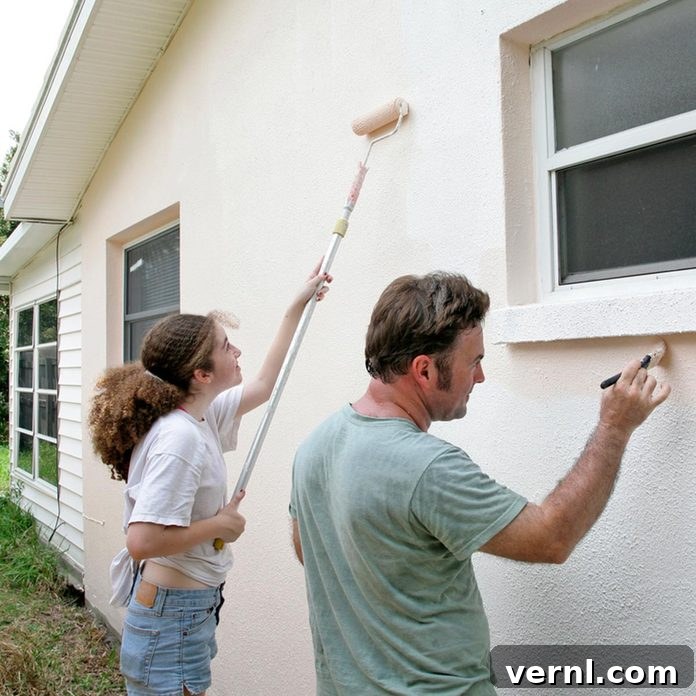
The secret to a long-lasting and beautiful exterior paint job lies not just in the paint itself, but in the meticulous preparation that precedes it. Skipping essential prep steps can lead to premature peeling, blistering, and an overall subpar finish. Before you even pick up a brush, you’ll want to get a clear idea of the minutest details, from how to paint exterior trim to visualizing the final look. A fantastic starting point for this is leveraging home exterior painting apps.
Leveraging Home Exterior Painting Apps for Visualization
Visualizing a new color scheme on your home before committing to it can save you time, money, and potential disappointment. Home exterior painting apps allow you to virtually “try on” different colors and combinations. Some popular options include:
- CertaPro Painters: This app allows you to upload a photo of your home and apply a new color scheme. While registration is often required, the ability to see the transformation instantly can be incredibly helpful for making confident color choices.
- Sherwin-Williams’ ColorSnap: Another robust option, ColorSnap enables you to upload a photo and use a specialized tool to paint sections of your home virtually. Sherwin-Williams also offers a broader color visualizer on their website that functions similarly after registration. While it might feel a bit clunky to navigate for some users, it remains a valuable resource for exploring their extensive color palette.
- McCormick Paints: Their website features a similar visualization tool, requiring user registration before access. This platform allows you to experiment with McCormick’s range of colors.
- Benjamin Moore’s Personal Color Viewer: Known for its high-quality paints and sophisticated color choices, Benjamin Moore also provides a visualization tool that requires registration, offering a preview of their distinctive hues on your home.
These apps are invaluable for exploring various options, preventing costly mistakes, and ensuring you achieve your desired aesthetic.
The Essential Steps for Exterior Paint Preparation
Once you’ve settled on your colors, the real work begins. Proper preparation is the cornerstone of a durable paint job:
- Thorough Cleaning: A fast and effective way to prepare your home for painting is to use a pressure washer to remove dirt, grime, mildew, and loose paint. This creates a clean, sound surface for the new paint to adhere to. For stubborn areas, a diluted bleach solution or a dedicated house cleaner can be used. Ensure the surface is completely dry before proceeding.
- Scraping and Sanding: Any old, peeling, or flaking paint must be scraped off. Use a paint scraper to remove loose layers. Follow this with sanding to smooth out rough edges and create an even surface. Sanding ridges left by old paint or caulk is crucial for a seamless finish.
- Repairing Damage: Inspect your exterior for any cracks, holes, or gouges in the siding or trim. Fill these imperfections with an exterior-grade wood filler or patching compound. Allow repairs to dry completely and sand them smooth.
- Caulking: Check all seams and cracks around windows, doors, and trim. Remove any old, brittle, or cracking caulk and apply fresh, flexible exterior caulk. This not only improves aesthetics but also seals your home against moisture intrusion.
- Priming: While some paints are “self-priming,” applying a dedicated exterior primer is almost always recommended, especially on new, bare, or heavily repaired surfaces. Primer creates a uniform surface, blocks stains, and significantly improves the adhesion and durability of the topcoat.
Should Your Garage Door Match Your House Paint?
The short answer is yes, generally, your garage door should match your house paint. This creates a cohesive and harmonious look, allowing the garage door to blend seamlessly with the rest of your home’s exterior rather than standing out as a distracting element. However, this doesn’t mean it has to be the exact same shade. You have plenty of options to achieve this match: it could be the main body color, a complementary trim color, or a slightly darker or lighter shade of the main color for subtle contrast. If you’re painting your home a completely new color, keep your garage door’s color in mind, as you might need to paint it as well to maintain the desired aesthetic unity.
How Long Will Exterior Paint Last?
The longevity of your exterior paint job is influenced by several factors, including the quality of the paint, the thoroughness of the preparation, the climate, and the application technique. You can expect your exterior paint to last between 5 to 10 years, though premium paints with meticulous application can sometimes extend this to 15 years or more. Factors like extreme UV exposure, harsh weather conditions, and improper surface preparation can significantly shorten this lifespan. An exterior paint calculator can help estimate paint quantities, but understanding longevity requires considering all these variables.
Best Exterior Paint & Which Exterior Paint Color Fades the Least?
Investing in high-quality paint is crucial for durability and appearance. Brands like Behr and Sherwin-Williams consistently receive high ratings. For instance, Behr Premium Plus Satin Enamel Exterior paint is often top-reviewed for its excellent coverage, durability, and mildew resistance. Kilz remains a leading choice for siding primers and general-purpose primers, providing exceptional adhesion and sealing properties.
Regarding color fading, it’s a common concern, especially for homes exposed to intense sunlight. Darker and vivid colors tend to fade faster than lighter colors because they absorb more UV radiation, which breaks down pigments. Generally, vibrant reds, blues, greens, and yellows will show signs of fading more quickly than earth tones like beiges, tans, and browns. If fading is a major concern due to intense sun exposure, opt for lighter, more muted shades or choose paints specifically formulated with advanced UV protection pigments.
How to Master Painting Your House Exterior
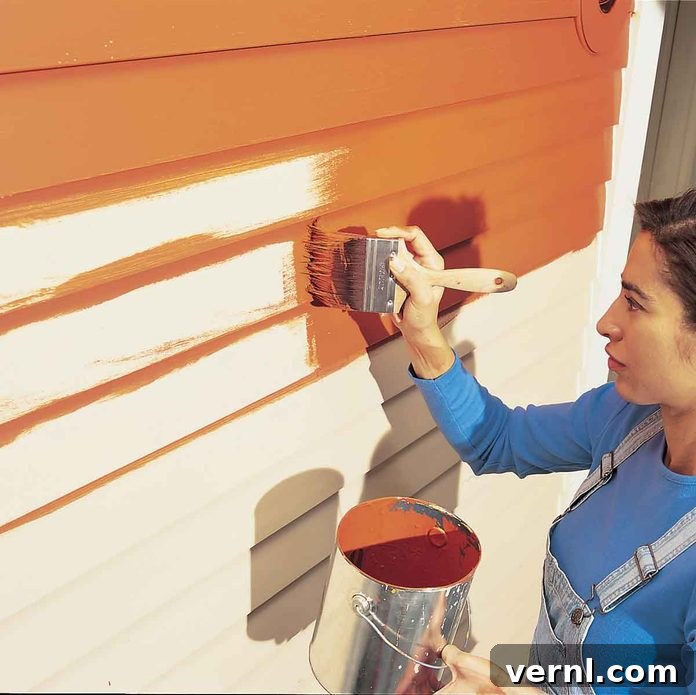
Once the preparation is complete, the actual painting process can begin. Remember, painting preparation often makes a big difference in how long exterior paint will last, so it’s vitally important to follow these exterior painting steps to ensure your home exterior paint lasts. The steps outlined in preparation – pressure washing, scraping out old caulk and paint, filling gouges before priming, sanding ridges, and caulking seams and cracks – are fundamental to achieving a professional and durable finish. Using high-quality brushes, rollers, or a sprayer will ensure even application and a smooth appearance.
Best Temperature to Paint House Exterior
Weather conditions are paramount when painting a house’s exterior. Always keep a close eye on the forecast for several days before, during, and after your painting project. Beyond avoiding rain, paying attention to temperature and humidity is critical. The optimal temperature for applying oil-based paint is generally between 40-90 degrees Fahrenheit (4-32°C). For latex-based paint, the ideal range is slightly warmer, between 50-85 degrees Fahrenheit (10-29°C). High humidity can significantly extend drying times and negatively impact paint adhesion and durability. You’ll want the paint to dry when the humidity is between 40-70 percent. Painting outside these ranges can lead to issues like poor adhesion, blistering, cracking, or an uneven finish. Learn more about the proper home exterior painting temperature with this guide.
How Much Paint Will You Need to Paint a Home’s Exterior?
Estimating paint quantity accurately prevents both running out mid-project and having excessive leftover paint. Paint coverage estimates can vary, but most manufacturers, like BEHR, estimate that one gallon of paint is typically enough to cover between 250 to 400 square feet of surface area with one coat. To calculate your needs, you’ll need to determine the total square footage of your home’s exterior walls. Begin by measuring the perimeter of your house, then measure the average height from the foundation to the roofline. Multiply the perimeter by the height to get the approximate total wall area. For greater precision, you can subtract the square footage of doors and windows (windows average about 15 square feet, and standard doors average 20 square feet). Divide this total by the paint’s coverage rate per gallon (e.g., 350 sq ft/gallon) and multiply by the number of coats you plan to apply (typically two coats are recommended for durability and color vibrancy).
How Long Does It Take for Exterior Paint to Dry?
Drying times are crucial for successful multiple-coat applications and for ensuring the paint cures properly. Latex acrylic paint typically needs about two hours to become dry to the touch under ideal conditions (moderate temperature, low humidity). However, if there’s high humidity, cooler temperatures, or poor air circulation, it could take closer to six hours or even longer. You’ll need to plan your painting schedule accordingly, ensuring sufficient drying time between coats to prevent issues like streaking, peeling, or an uneven finish. Always refer to the specific drying and recoat times recommended by the paint manufacturer on the product label.
Essential Paint Tools for Your Exterior Project
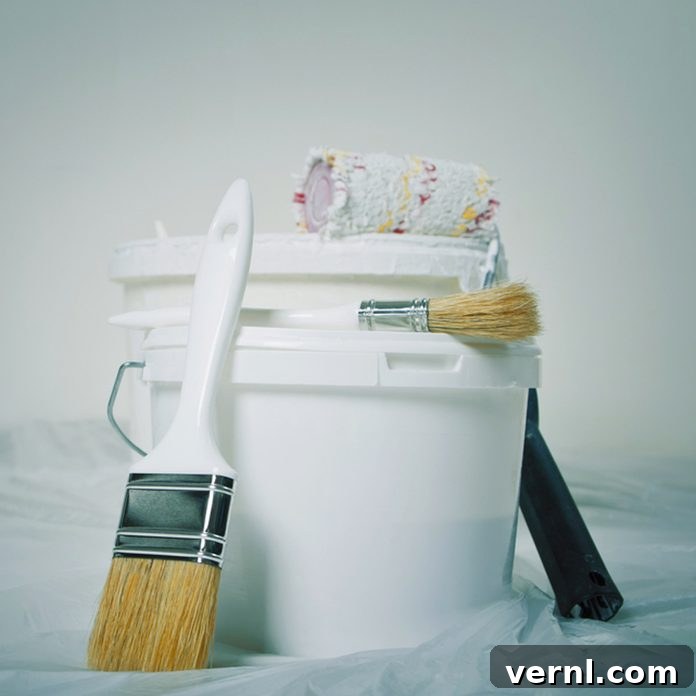
Having the right tools is just as important as having the right paint and proper preparation. For an exterior house painting project, you’ll need a comprehensive set of tools to ensure efficiency and a high-quality finish:
- Pressure Washer: For thorough initial cleaning.
- Scrapers & Wire Brushes: To remove loose and peeling paint.
- Sander & Sandpaper: For smoothing rough surfaces and feathered edges.
- Exterior Primer: To ensure optimal adhesion and durability.
- Variety of Paint Brushes: Angled brushes for trim, sash brushes for windows, and larger brushes for detailed work.
- Exterior Caulk & Caulk Gun: For sealing cracks and gaps.
- Paint Rollers & Extension Poles: For efficient application on large, flat surfaces.
- Paint Trays & Liners: For holding and distributing paint.
- Extension Ladder or Scaffolding: For safe access to higher areas.
- High-Quality Exterior Paint: The chosen topcoat.
- Painter’s Tape: For crisp lines and protecting adjacent surfaces.
- Rags & Drop Cloths (Canvas or Old Sheets): For spills and protecting surrounding areas.
- Roller Sleeves: Multiple sleeves for different colors or for discarding after use.
- Ladder Stabilizer: For enhanced safety on uneven ground or against irregular surfaces.
- Safety Gear: Gloves, safety glasses, and a respirator mask (especially when sanding or working with certain paints).
Our real estate pros frequently encourage people to paint their houses before selling them, as a fresh exterior dramatically boosts curb appeal. Here’s the most popular paint color to sell your house in a snap.
Expert Tips to Make Your Exterior Paint Last Longer
Painting the exterior of your home is a significant investment of time, effort, and money. Naturally, you want the job to last as long as possible. Several proactive measures and best practices can help maximize the lifespan and beauty of your new paint finish.
Evelina Juzėnaitė shares invaluable advice for paint longevity: “Clean the surface well before painting with new paint and don’t forget about priming. Also choose a paint that is suitable for the weather conditions your home experiences.” This highlights the importance of matching the paint’s properties (e.g., mildew resistance for humid climates, UV resistance for sunny areas) to the local environment. She further advises homeowners, “Don’t hesitate to ask professionals in stores what paint is better when it’s often very hot, or constant rain, or moisture.” Leveraging the expertise of paint store professionals can provide tailored recommendations for your specific climate challenges.
Lior Kahana echoes this crucial advice. He begins by stating, “Clean and prep the surface properly,” reinforcing that thorough preparation is non-negotiable. He then adds, “Use a high-quality exterior paint, as cheap paint will simply not perform or last as long.” High-quality paints contain better binders, pigments, and additives that resist fading, cracking, and blistering more effectively. Finally, he advises, “don’t paint in direct sunlight or extreme heat.” Painting in direct sun or high temperatures can cause the paint to dry too quickly, leading to poor adhesion, brush marks, and an uneven finish. It’s often best to paint on overcast days or follow the sun around your house, working on shaded sections.
Additional tips for extended paint life include:
- Regular Cleaning: Periodically wash your home’s exterior with a mild detergent and soft brush to remove dirt, pollen, and mildew that can degrade the paint over time.
- Maintain Gutters: Ensure gutters are clean and properly diverting water away from your home’s foundation and walls to prevent moisture damage.
- Address Repairs Promptly: Fix any leaks, cracks, or other structural issues as soon as they appear to prevent water penetration and subsequent paint damage.
- Apply Two Coats: Always apply at least two coats of paint for better durability, color richness, and protection, even if the first coat looks sufficient.
What to Do With Painting Supplies After the Job is Done
Once your beautiful new exterior paint job is complete, managing your leftover supplies properly is key to minimizing waste and being prepared for future touch-ups.
How to Store Paint and Preserve Paint Brushes
If you’re embarking on a multiple-day home exterior painting project or simply want to save leftover paint for future touch-ups, proper storage is essential. You’ll need to know these tips on how to store paint to keep it fresh. Ensure paint cans are sealed tightly, preferably with a rubber mallet, and stored in a cool, dry place away from extreme temperatures. Storing cans upside down can create a better seal by allowing the paint itself to act as a gasket. For your valuable tools, learn these secrets to preserving paint brushes and rollers. Thoroughly clean brushes and rollers immediately after use with the appropriate cleaner (water for latex, mineral spirits for oil-based). Store brushes flat or hanging to maintain their shape, and wrap rollers tightly in plastic for short breaks between coats or store them in airtight containers for longer periods.
Frequently Asked Questions About Exterior Painting
Do I need to prime my house before painting?
To achieve the best results when painting your house, priming first is almost always recommended. Primer serves several critical functions: it creates a uniform surface for the topcoat, improves adhesion, seals porous surfaces, and helps block stains. Be sure to remove any damaged or loose paint and thoroughly clean the area prior to applying primer and paint. While some paints are labeled “self-priming,” a dedicated primer often offers superior long-term performance, especially on new materials, bare wood, or when making a significant color change.
How do I choose a paint color that complements my landscaping?
When considering how your exterior paint color will complement your landscaping, think about whether you want your home and landscape colors to harmonize or contrast. For a harmonious, cohesive look, choose similar colors or colors that are close on the color wheel to the dominant hues in your landscaping (e.g., a sage green home with abundant greenery). For a striking contrast, consider complementary colors (e.g., a blue house with orange-toned flowers). Either way, you should pick a paint color that has similar undertones (warm or cool) as the most dominant colors in your landscaping to ensure a unified aesthetic. Observing your home at different times of day and under various lighting conditions can also reveal how colors interact with their natural surroundings.
Is it worth hiring a professional to paint the exterior of my house?
Painting the exterior of your house is a huge undertaking, demanding significant time, physical effort, and specific skills. If it’s within your budget, it can definitely be worth it to hire a professional. Professional painters have access to specialized tools and high-quality products that can yield superior results that look better and last significantly longer. They possess the experience to handle complex surfaces, ensure proper preparation, and apply paint efficiently and flawlessly. In addition, if your home is more than one story, or has intricate architectural details, hiring professional painters is a much safer option than attempting to navigate ladders and heights yourself, reducing the risk of accidents and injuries. They also often provide warranties for their work, offering peace of mind.
About Our Experts
Lior Kahana has extensive expertise in interior design and home improvement, serving as the Operations Manager at 123 Remodeling. He oversees project execution, ensuring efficiency, quality, and client satisfaction. With a strong background in project management and a passion for transforming spaces, Kahana is a trusted authority on remodeling processes, innovative solutions, and achieving stunning results within budget and on schedule.
Evelina Juzėnaitė is the Principal Interior Designer at Planner 5D, the innovative 2D/3D home design platform. Planner 5D utilizes AI to enhance the design experience and empower users to create their dream homes with intuitive tools. Juzėnaitė provides clients with an efficient and creative design journey, guiding them from initial concept development to the successful completion of their personalized living spaces.