
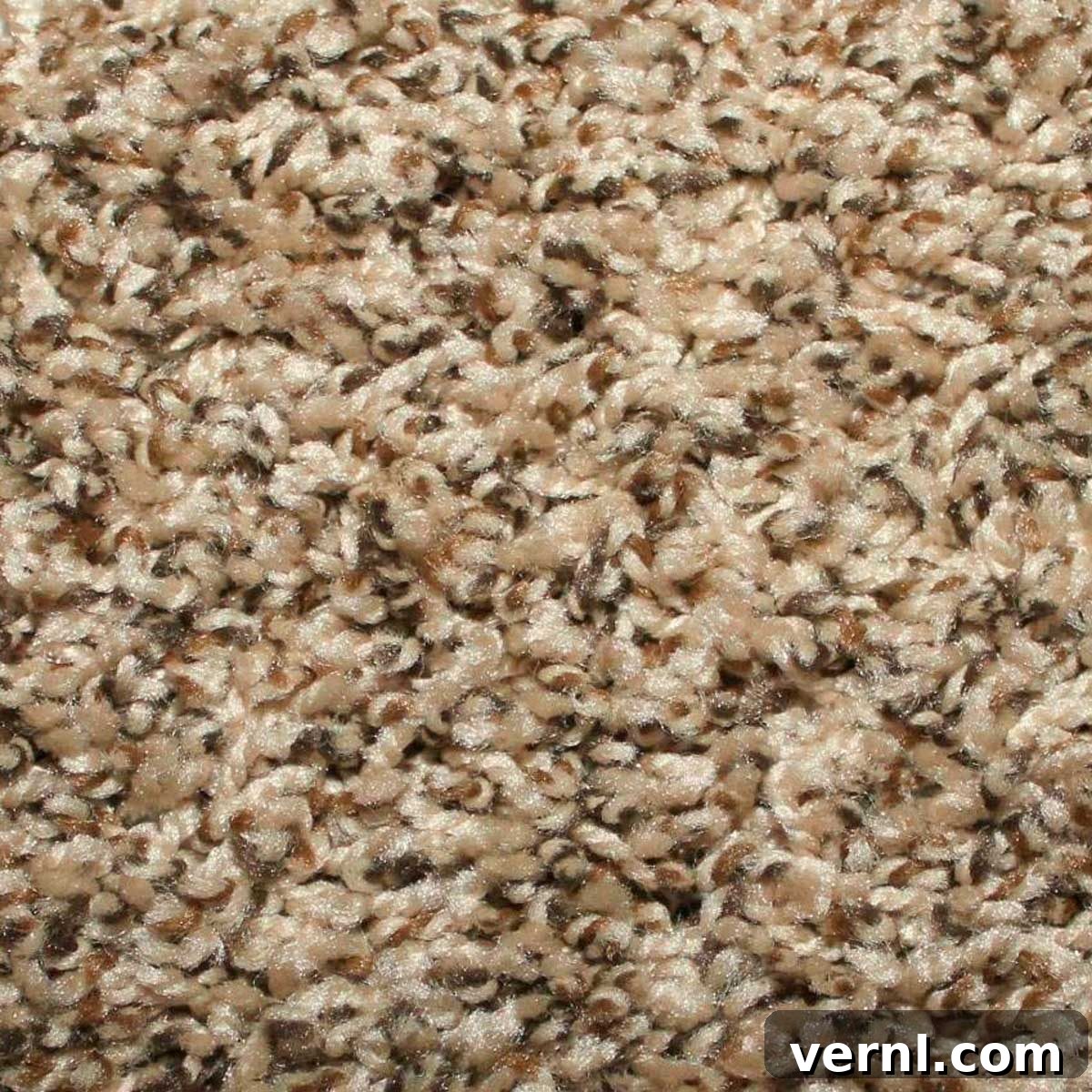
For homeowners seeking a perfect blend of style, durability, and comfort, frieze carpet consistently emerges as a leading choice. Its distinctive texture and robust construction make it a popular flooring option for various living spaces. If you’re considering frieze carpet for your home, understanding its unique characteristics, benefits, potential drawbacks, and maintenance requirements is crucial for making an informed decision. This comprehensive guide will delve into everything you need to know about frieze carpet, helping you determine if it’s the ideal flooring solution for your needs.
Understanding Frieze Carpet: Its Unique Characteristics
So, what exactly sets frieze carpet apart from other carpet styles? The defining feature of frieze carpet lies in its exceptionally tightly twisted fibers. These fibers are spun multiple times, often under steam, to create a characteristic curled, kinked, or even “nubby” appearance. Unlike straight, upright cut-pile carpets, frieze fibers tend to lie on their sides, giving the carpet a somewhat shaggy yet refined texture. This high-twist construction is not merely aesthetic; it’s fundamental to many of frieze carpet’s celebrated attributes.
Frieze carpet is a type of cut-pile carpet, meaning the fiber loops are cut at the top, allowing the individual strands to stand freely. However, unlike traditional Saxony or velvet carpets where the pile is typically straight and dense, frieze takes this concept and adds an intense twist, resulting in a less formal, more relaxed, and resilient surface. This casual style makes it an excellent fit for family rooms, bedrooms, playrooms, and high-traffic areas like hallways and staircases, where both comfort and practicality are paramount. While it might not be the go-to choice for highly formal dining rooms or living areas, its versatility in modern and contemporary settings is undeniable.
The Investment: Cost of Frieze Carpet
When evaluating flooring options, cost is always a significant factor. Frieze carpet, while offering superior durability and comfort, tends to be slightly more expensive than some entry-level carpet styles. However, it remains a highly economical choice when compared to many other premium flooring materials like hardwood, high-end tile, or natural stone. On average, you can expect frieze carpet to range from approximately $1 to $8 per square foot for the material alone. This price point can seem quite reasonable when you consider that installed hardwood flooring often averages between $8 to $22 per square foot, and even luxury vinyl planks can range from $3 to $7 per square foot.
Several key factors influence the final price of frieze carpet:
- Fiber Material: The type of fiber used is perhaps the most significant determinant of cost and performance.
- Polyester (PET): Often the most budget-friendly option, polyester offers excellent stain resistance against water-soluble stains, vibrant colors, and a luxurious feel. However, it may not be as resilient to crushing in high-traffic areas as nylon.
- Nylon: Considered the most durable and resilient synthetic fiber, nylon carpet is highly resistant to crushing, matting, and staining (especially when treated). It’s an excellent choice for high-traffic zones and homes with pets or children, typically falling in the mid to high-end of the price spectrum for frieze.
- Wool: The pinnacle of natural carpet fibers, wool is renowned for its exceptional softness, natural resilience, durability, and eco-friendliness. It’s naturally flame-retardant and offers good insulation. Wool frieze carpet is generally the most expensive option, offering unparalleled luxury and longevity.
- Face Weight: This refers to the density of the carpet, specifically the number of fibers per square yard. A higher face weight indicates more material used in the carpet’s construction, translating to a denser, more luxurious, and typically more durable product. Carpets with higher face weights will naturally cost more.
- Twist Level: As the defining characteristic of frieze, the twist level refers to the number of twists per inch in each fiber strand. A higher twist level generally means a more durable and resilient carpet that maintains its appearance longer, as the fibers are less likely to untwist or fray. Carpets with higher twist levels will command a higher price.
Beyond the material cost, remember to factor in additional expenses such as padding (essential for comfort, insulation, and carpet longevity), installation labor, and potentially the removal and disposal of old flooring. While opting for professional installation is highly recommended for optimal results, some homeowners may choose to save on labor costs by removing their old carpet themselves.
The Advantages: Frieze Carpet Pros
Frieze carpet boasts a compelling list of benefits that contribute to its enduring popularity:
-
Exceptional Durability and Resilience: The tightly twisted fibers are less prone to fraying, matting, and crushing over time compared to straighter pile carpets. This high-twist construction helps the fibers bounce back after being compressed, making frieze an excellent choice for areas with heavy foot traffic, resisting the dreaded “traffic patterns.”
-
Superior Ability to Hide Seams: Due to its long, textured, and somewhat chaotic fiber arrangement, frieze carpet excels at concealing seams where separate pieces of carpet meet. The curled fibers naturally blend together, making transitions almost imperceptible, which is a significant advantage in larger rooms or irregular spaces.
-
Excellent at Hiding Dirt and Imperfections: The multi-directional and textured nature of frieze fibers, especially when combined with popular speckled or multi-toned options, is highly effective at camouflaging everyday dirt, dust, and minor stains. This makes it a practical choice for busy households where constant cleaning might be challenging.
-
Unrivaled Comfort and Softness: Frieze carpet is renowned for its thick, plush feel underfoot. Its dense construction and long, soft fibers provide a luxurious, cushiony surface that’s perfect for playrooms, bedrooms, and family rooms where comfort is a top priority. It also adds a sense of warmth and coziness to any space.
-
Resistance to Crushing and Indentations: Because frieze carpet fibers are designed to lie on their side rather than stand rigidly upright, they are remarkably resilient to impressions caused by heavy furniture. This unique characteristic means your carpet is less likely to show permanent dents or “tracking” from footsteps, maintaining its appealing appearance longer. This makes the ice trick for furniture dents less frequently needed.
-
Effective Sound Absorption: Like most carpets, frieze carpet significantly contributes to acoustic comfort within a home. Its dense, textured pile helps absorb ambient noise, reducing echoes and creating a quieter, more peaceful living environment, especially beneficial in multi-story homes or open-plan layouts.
-
Enhanced Thermal Insulation: Frieze carpet acts as a natural insulator, helping to retain heat in cooler months and potentially reduce energy bills. The dense fibers and underlying padding create a barrier against temperature fluctuations, contributing to a more energy-efficient home.
The Considerations: Frieze Carpet Cons
While frieze carpet offers many advantages, it also comes with a few potential drawbacks that homeowners should consider:
-
Higher Initial Price Point: As mentioned, frieze carpet can be more expensive than some other carpet styles, particularly those made with lower-grade fibers or simpler constructions. If budget is a primary concern, opting for frieze made from polyester or polyethylene terephthalate (PET) fibers can help keep costs down, though it might compromise slightly on ultimate resilience compared to nylon or wool.
-
Potential for Deep Stain Penetration: While frieze is excellent at *hiding* dirt, its longer, looser fibers can allow spills to penetrate deeper into the carpet pile if not addressed immediately. This means that once a stain sets, it can be more challenging to remove completely compared to a shorter, denser pile carpet. Prompt cleaning is essential, along with regular maintenance and thorough vacuuming.
-
Limited Pattern and Design Options: The highly textured and uniform nature of frieze carpet means it does not lend itself well to intricate patterns or elaborate designs. While you’ll find a wide array of solid colors and multi-tonal flecked options, those seeking bold geometric patterns or highly defined motifs might need to explore other carpet styles.
-
Can Be More Challenging to Vacuum: The long, shaggy fibers that provide comfort and hide dirt can also make vacuuming slightly more cumbersome. Standard vacuum cleaners may struggle to pick up debris effectively from deep within the pile, or the fibers might get tangled in the brush roll. Using a vacuum cleaner with adjustable height settings and strong suction is recommended to ensure thorough cleaning.
-
Susceptibility to Snagging: The longer, twisted fibers can occasionally be prone to snagging, especially in homes with pets that have sharp claws or in areas where objects might catch on the carpet. While individual snags are often repairable, it’s something to be mindful of.
-
Not Ideal for Formal Decor: Given its inherently casual and relaxed aesthetic, frieze carpet may not align with very formal or traditional interior design schemes. For spaces requiring a more refined, polished, or sophisticated look, other carpet styles like Saxony or velvet might be a more suitable choice.
Frieze Carpet vs. Other Popular Carpet Styles
To fully appreciate frieze carpet, it’s helpful to compare it to other common carpet types:
- Frieze vs. Saxony: Saxony carpets feature a dense, upright, and smooth cut pile, creating a formal and elegant look. While Saxony is soft, it’s more prone to showing footprints and vacuum marks, and its fibers can crush more easily than frieze. Frieze offers a more casual look and superior resistance to traffic patterns.
- Frieze vs. Berber (Loop Pile): Berber carpets are known for their distinctive loops, which can be uniform or multi-level. They are exceptionally durable and great for high-traffic areas, often less expensive than frieze. However, Berber doesn’t offer the same plush comfort and can snag more easily than cut-pile options like frieze.
- Frieze vs. Cut-and-Loop: This style combines cut and looped fibers to create patterns and textures. It offers more design versatility than frieze but might not have the same uniform plushness or hiding capabilities for dirt.
Maintaining Your Frieze Carpet: Tips for Longevity
To ensure your frieze carpet remains beautiful and durable for years to come, proper maintenance is key:
- Regular Vacuuming: Vacuum frequently, ideally 1-2 times a week in high-traffic areas, using a vacuum with strong suction and an adjustable height setting to properly agitate and clean the long fibers without damaging them.
- Immediate Spill Cleanup: Address spills as soon as they occur. Blot (do not rub) with a clean white cloth, working from the outside of the stain inward. Use mild carpet cleaning solutions designed for your specific carpet fiber, testing in an inconspicuous area first.
- Professional Cleaning: Schedule professional deep cleaning every 12-18 months. Professionals use specialized equipment and techniques that can effectively remove embedded dirt and refresh the carpet’s appearance without over-wetting.
- Use Entry Mats: Place mats at all entryways to trap dirt and moisture before it tracks onto your carpet.
- Rotate Furniture: Periodically shift furniture to prevent permanent indentations and distribute wear evenly across the carpet surface.
Is Frieze Carpet Right for Your Home?
Ultimately, the decision to choose frieze carpet depends on your specific needs, lifestyle, and aesthetic preferences. If you prioritize exceptional durability, superior comfort underfoot, and a carpet that effortlessly hides dirt and traffic patterns, especially in casual, high-traffic areas, then frieze carpet is an outstanding choice. Its ability to combine robust performance with a luxurious, soft feel makes it a versatile and practical flooring solution for many modern households. By understanding its unique attributes and committing to proper care, you can enjoy the lasting beauty and comfort of frieze carpet for many years to come.