Maximize Your Rain Barrel Efficiency: A Comprehensive Guide to Smart Water Harvesting
Embracing sustainable practices in our daily lives often starts with simple, yet impactful, steps that can significantly benefit both our homes and the environment. One such step that homeowners across the globe are increasingly adopting is rainwater harvesting. The concept is elegantly straightforward: collect rainwater from your roof and store it for various non-potable uses. Three years ago, I embarked on this eco-friendly journey, constructing my own rain barrel system from a repurposed 55-gallon plastic pickle container. I carefully positioned it on sturdy concrete blocks, elevating it approximately two feet off the ground, directly beneath a strategically sawed-off downspout on my garage. This setup was designed to allow rainwater to flow effortlessly into the barrel during a downpour, ready for garden irrigation or other outdoor needs.
While the initial setup worked, providing a modest amount of harvested water, I quickly encountered a few limitations that left me feeling somewhat underwhelmed with its overall performance. These common challenges highlight crucial aspects to consider for anyone looking to optimize their rainwater collection system.
Common Rain Barrel Challenges and Their Smart Solutions
Even the most enthusiastic DIYer can face hurdles with their rain barrel system. Here are the primary issues I encountered and how they can be effectively addressed:
1. Insufficient Water Pressure
Despite my efforts to elevate the rain barrel on concrete blocks, the gravitational pressure was often insufficient to deliver water through the spigot at anything more than a slow trickle. This made tasks like quickly filling a watering can, connecting a garden hose for targeted watering, or washing tools frustratingly slow. Many homeowners experience this challenge, finding that a standard gravity-fed system might not provide the robust flow needed for certain gardening activities or pressure washing.
The principle behind better pressure in a gravity-fed system is simple physics: the higher your barrel, the greater the head pressure. While my two-foot elevation was a start, often more significant height is needed for a respectable flow, especially if you plan to use a hose. For those requiring even more substantial pressure for tasks like operating a drip irrigation system or light spraying, integrating a small, low-power submersible pump into the rain barrel system can be a game-changer. These pumps can significantly increase water flow and versatility, turning a slow trickle into a steady stream.
2. Inadequate Overflow Management
The second, and perhaps more critical, issue I faced was an inadequate overflow port on the barrel. During heavy rainstorms, my 55-gallon barrel would fill remarkably fast. The narrow overflow opening simply couldn’t handle the volume, leading to water spilling not only from this port but also directly over the top of the barrel. This excess water would then cascade down the sides of the barrel and onto the ground.
While this wasn’t a major concern in my specific situation—the barrel is situated against our old, detached garage that is slated for replacement—it highlighted a significant potential risk for homes. If such uncontrolled spillage were to occur near a home’s foundation, it could lead to severe problems over time, including soil erosion, basement flooding, or even structural damage. Furthermore, standing water can become a breeding ground for mosquitoes and other pests. This underscores the vital importance of a robust and efficient overflow management system for any rain barrel setup, especially for those located close to residential structures.
Understanding the Potential and Protecting Your Home
To truly appreciate the value of an efficient rainwater harvesting system, it helps to understand the sheer volume of water involved and its implications for your property. Consider this: a typical 1,000-square-foot roof can shed an astonishing 620 gallons of water during a mere one-inch rainfall. If your home has four downspouts, that translates to roughly 155 gallons of water per downspout that needs to be managed. Without proper collection and management, once your rain barrel fills up, that significant volume of water could be unceremoniously dumped right next to your basement, potentially creating the very problems we aim to avoid.
This immense potential is why optimizing your rain barrel system isn’t just about saving water; it’s also about effective stormwater management. By intelligently capturing and redirecting this water, you not only conserve a precious resource but also protect your property from potential water damage, reduce urban runoff into storm drains, and minimize the strain on local stormwater infrastructure. It’s a win-win for both your wallet and the environment, contributing to a more sustainable household and community.
The Ultimate Solution: The Rain Barrel Downspout Diverter
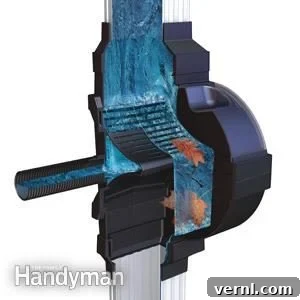
Fortunately, there’s an elegant and highly effective solution to these common rain barrel woes, particularly for overflow management: the rain barrel downspout diverter. This ingenious device is designed to attach seamlessly to your existing downspout, transforming your basic rain barrel into a sophisticated, self-regulating rainwater collection system that requires minimal oversight.
How a Downspout Diverter Works to Revolutionize Your System
The principle behind a downspout diverter is brilliantly simple and highly effective. Once installed, it intercepts rainwater flowing down your downspout, channeling it directly into your connected rain barrel. The true ingenuity, however, becomes apparent when the barrel reaches its full capacity. At this critical point, the diverter automatically senses the full barrel and seamlessly redirects any additional incoming rainwater back through the original downspout. This ensures that excess water is safely carried away from your foundation and into the designed drainage system, rather than overflowing onto your property. This automatic process means no more overflowing barrels, no more wasted water spilling onto your property, and significantly reduced worries about potential foundation damage.
Key Features and Benefits of Modern Diverters
Modern downspout diverters are engineered for efficiency, durability, and convenience, making them an essential upgrade for any rain barrel setup. Take, for instance, the Fiskars’ new DiverterPro water diverter kit, which is often available for around $40. This particular model is widely praised for its versatility and smart design:
- Universal Compatibility: It attaches to almost any standard rain barrel system, making it a flexible and easy upgrade for existing setups.
- Dual Downspout Size Support: It’s cleverly designed to work with the two most common downspout sizes (3 x 4-in. and 2 x 3-in.), eliminating guesswork and ensuring a snug, secure fit for the vast majority of homes.
- Integrated Filter: A crucial feature for longevity and water quality is its removable filter. This component effectively keeps leaves, twigs, shingle grit, and other debris out of your rain barrel. This not only maintains the purity of your collected water but also prevents clogging of spigots and hoses, significantly reducing the frequency of cleaning and maintenance required for your system.
- Automatic Overflow Protection: The core benefit and primary reason for its adoption is its ability to automatically manage overflow, diverting excess water safely away once the barrel is full, thereby protecting your home’s foundation from erosion and water damage.
- Easy Installation: Most diverters are designed for straightforward DIY installation, requiring basic tools and minimal expertise.
Investing in a quality diverter like the Fiskars DiverterPro water diverter (available on Amazon.com and other retailers) transforms your rain barrel from a simple receptacle into an intelligent, low-maintenance, and highly effective rainwater harvesting system.
Beyond the Barrel: Comprehensive Stormwater Management for Your Home
While a rain barrel equipped with an efficient diverter is an excellent step towards sustainable living, it’s part of a larger, more comprehensive strategy for optimal home protection and energy saving. I have one last piece of crucial advice that applies whether you currently utilize a rain barrel or not: ensure your gutter downspouts discharge water at least 10 feet away from your home’s foundation. This seemingly simple rule is paramount in preventing severe issues such as basement flooding, foundation cracks, and other costly water damage.
Why the 10-Foot Rule is Critical for Foundation Protection
Water pooling too close to your foundation can seep into the surrounding soil, making it heavy and saturated. This wet soil then exerts hydrostatic pressure on basement walls, which can lead to cracks, leaks, and even significant structural instability over time. Furthermore, excessive moisture around the foundation can attract pests like termites, promote mold and mildew growth in basements and crawl spaces, and compromise the overall integrity of your home’s structure and indoor air quality. If your existing downspouts don’t meet this 10-foot guideline, strongly consider adding extensions. These extensions, when combined with a rain barrel downspout diverter, create a multi-layered defense against water damage, channeling water far away from your most vulnerable areas.
Other Eco-Friendly Stormwater Solutions to Consider
For an even more robust and holistic approach to stormwater management, homeowners can explore additional eco-friendly solutions that complement a rain barrel system:
- Rain Gardens: These are aesthetically pleasing depressions in the landscape filled with native plants that are designed to absorb and filter stormwater runoff, allowing it to slowly soak into the ground rather than overwhelming storm drains.
- Permeable Paving: For driveways, patios, and walkways, permeable paving materials are designed to allow water to seep through their surfaces, significantly reducing impervious surface runoff.
- Proper Grading: Ensuring that the ground around your home slopes gently away from the foundation is a fundamental principle of effective drainage, naturally directing water to safer areas.
- Multiple Rain Barrels: Connecting several rain barrels in a series can significantly increase your water storage capacity, ideal for larger roofs, properties with extensive landscaping needs, or regions with frequent, heavy rainfall.
Reap the Rewards: The Multifaceted Benefits of Efficient Rainwater Harvesting
By implementing a well-designed rainwater harvesting system, particularly one that includes an effective downspout diverter, homeowners unlock a multitude of environmental, economic, and practical benefits:
- Environmental Stewardship: Reduces demand on municipal treated water supplies, conserves the energy used for water treatment and pumping, and mitigates urban runoff pollution that can harm local waterways.
- Significant Cost Savings: Lower your monthly water bills by using free rainwater for all non-potable uses around your home and garden, from irrigating plants to washing cars or topping off ornamental ponds.
- Healthier Gardens and Plants: Rainwater is naturally soft and free of chlorine, fluoride, and other chemicals often found in tap water. This makes it ideal for plants, promoting healthier growth and a more vibrant soil microbiome.
- Enhanced Self-Sufficiency: Provides a valuable backup water source during periods of drought, water restrictions, or unexpected utility interruptions.
- Foundation Protection: Effectively manages stormwater runoff, preventing erosion, basement flooding, and costly damage to your home’s foundation.
Ready to Upgrade Your Rain Barrel System and Embrace Water Conservation?
Transforming your rainwater collection from a modest effort into a highly efficient, worry-free, and impactful system is entirely achievable. With the right accessories, particularly a high-quality downspout diverter, you can effectively harness the power of nature’s bounty while safeguarding your home and contributing to a more sustainable planet.
If you’re inspired to build your own system from the ground up, here are detailed step-by-step instructions to build a rain barrel. And for more innovative solutions, practical advice, and insights into sustainable living and home improvement, be sure to explore more energy saving tips and projects from The Family Handyman.
— Elisa Bernick, Associate Editor