Kirkland Signature vs. Kirkland’s: Unraveling Two Distinct Retail Brands
In the vast and dynamic world of retail, names often carry significant weight, shaping consumer perceptions and influencing purchasing decisions. However, sometimes similar names can lead to understandable confusion, even when the entities behind them are fundamentally different. Such is the case with “Kirkland Signature” and “Kirkland’s”—two prominent names that frequently cause consumers to pause and wonder if they are connected. While both have established strong presences in their respective markets, they operate as entirely separate businesses, each with its own unique history, mission, and product offerings. This article aims to clarify the distinction between these two successful brands, diving deep into what makes Kirkland Signature a cornerstone of Costco’s strategy and how Kirkland’s has carved out its niche in the competitive home decor sector.
Kirkland Signature: Costco’s Iconic Private Label Powerhouse
For millions of shoppers worldwide, the name “Kirkland Signature” is synonymous with value, quality, and variety—hallmarks of the Costco Wholesale Corporation. Launched in 1992, Kirkland Signature was introduced as Costco’s official private label brand, a strategic move designed to offer members high-quality products at competitive prices, reinforcing the warehouse club’s commitment to delivering exceptional value. The brand’s name itself pays homage to Costco’s corporate headquarters, located in Kirkland, Washington, firmly rooting its identity within the company’s origins.
The Strategic Genius of Private Labeling
The creation of Kirkland Signature was a stroke of retail genius, representing a core pillar of Costco’s business model. Private labels, also known as store brands, allow retailers to offer products under their own name, directly competing with national brands while often providing superior value. For Costco, Kirkland Signature serves several critical functions, making it a cornerstone of their success:
- Cost Savings for Consumers: By controlling the manufacturing, distribution, and marketing, Costco can significantly reduce costs, passing these savings directly to its members. This often results in prices that are 15-20% lower than comparable national brands, making everyday essentials and specialty items more accessible.
- Enhanced Profit Margins: Private labels typically yield higher profit margins for retailers compared to selling third-party brands. This increased profitability for Costco allows them to maintain competitive membership fees and invest further in quality and service, contributing significantly to the company’s overall financial health.
- Quality Assurance: Costco meticulously vets suppliers and sets stringent quality standards for all Kirkland Signature products. This rigorous process ensures that items bearing the Kirkland Signature logo meet or exceed the quality of leading national brands, fostering deep trust among consumers. This commitment to quality builds a strong reputation that differentiates the brand.
- Customer Loyalty and Differentiation: The consistent quality and value offered by Kirkland Signature products create a unique selling proposition for Costco. Many members join and renew their memberships specifically for access to these exclusive items, driving unparalleled loyalty and differentiating Costco from other retailers and wholesale clubs.
- Product Diversification: The brand allows Costco to fill gaps in its product assortment and offer unique items that might not be available from other suppliers. This expansive reach ensures that members can find a wide range of goods, from gourmet foods to household necessities, all under a trusted label.
A Diverse Portfolio of Premium Products
What truly sets Kirkland Signature apart is its incredibly vast and diverse product range, spanning virtually every category available within Costco warehouses. From everyday essentials to specialty items, the brand covers a remarkable spectrum, consistently delivering on its promise of quality and value. Shoppers can find Kirkland Signature products across:
- Food & Beverage: This is perhaps the most recognized category, including everything from organic grass-fed beef and wild-caught salmon to pantry staples like olive oil, coffee, nuts, and spices. Their premium wines and spirits have also garnered critical acclaim, often produced by renowned vineyards and distilleries under the Kirkland Signature label, offering exceptional taste at competitive prices.
- Household & Paper Goods: High-quality paper towels, toilet paper, trash bags, and cleaning supplies often outrank national brands in consumer satisfaction surveys for their durability and effectiveness. These bulk purchases offer substantial savings for families and businesses.
- Health & Wellness: A wide array of vitamins, supplements, over-the-counter medications, and beauty products are available, formulated to stringent standards. These products provide reliable alternatives for health-conscious consumers seeking value.
- Apparel & Accessories: From socks and underwear to outerwear and activewear, Kirkland Signature clothing is known for its durability, comfort, and classic styling, providing practical and long-lasting options for the entire family.
- Sporting Goods & Automotive: Golf balls that rival professional brands, high-performance car batteries, tires, and other automotive accessories demonstrate the brand’s expansive reach and commitment to diverse product categories.
- Electronics & Home Goods: While less frequent, some electronics accessories and small home appliances also carry the Kirkland Signature name, often offering exceptional performance and reliability for the price, cementing the brand’s versatility.
The brand’s commitment to sourcing high-quality ingredients, often organic or sustainably produced, further solidifies its appeal to health-conscious and environmentally aware consumers. This meticulous attention to detail and unwavering pursuit of excellence has cemented Kirkland Signature’s reputation as a trustworthy and indispensable part of the Costco shopping experience, making it one of the most successful private labels in retail history.
Kirkland’s: A Haven for Home Decor and Affordable Style
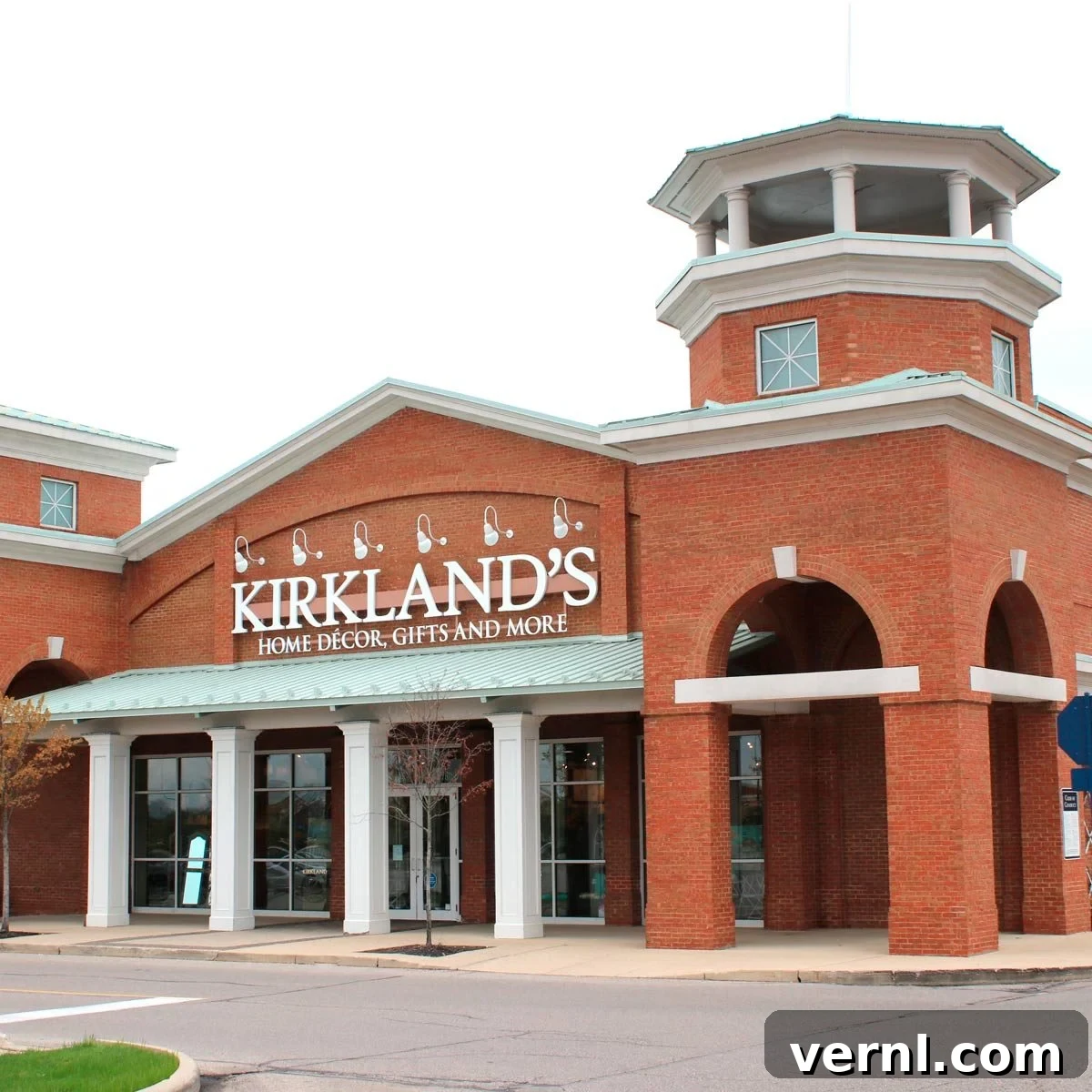
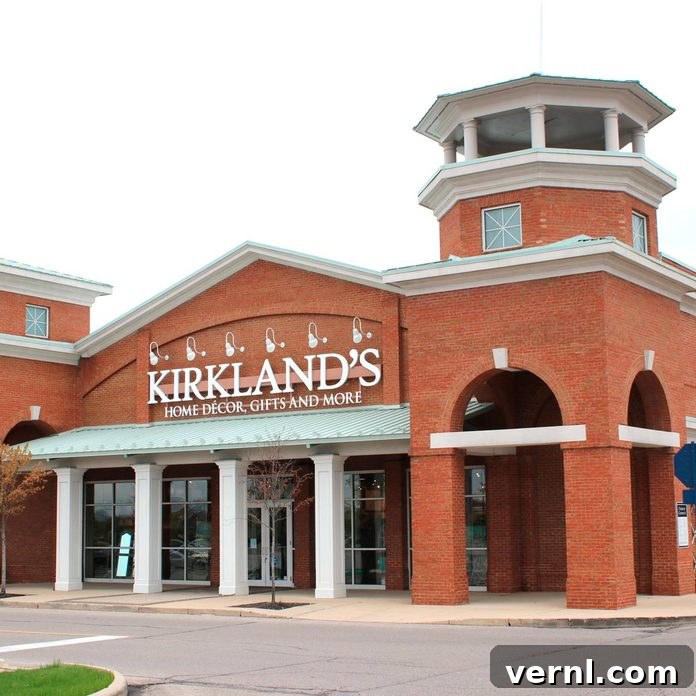
Shifting gears entirely, we arrive at Kirkland’s, Inc., a distinctly different entity that has captivated homeowners and decor enthusiasts for decades. Far from being a private label, Kirkland’s is a standalone U.S. retail chain specializing in home decor, furniture, textiles, accessories, and gifts. Founded in 1966 by Carl Kirkland in Jackson, Tennessee, this beloved brand has grown from humble beginnings into a leading destination for stylish yet budget-friendly home furnishings, boasting 434 stores across 37 states, complemented by a robust e-commerce website.
From a Gift Shop to a Decor Destination
The journey of Kirkland’s began with Carl Kirkland’s entrepreneurial spirit and keen eye for value. In 1966, Carl opened a franchised gift shop in Old Hickory Mall in Jackson, TN, where he quickly honed his unique ability to discover and merchandise fashionable items at exceptionally attractive prices. Around the same time, his cousin, Robert Kirkland, embarked on a similar venture in Nashville, TN, sharing a passion for bringing curated goods to local communities. The collaboration between the two cousins proved instrumental in the company’s early growth and expansion.
By the late 1970s, Carl and Robert Kirkland expanded their horizons, embarking on international travels to unearth one-of-a-kind pieces that would bring unique character to American homes. This global sourcing strategy allowed Kirkland’s to offer a distinctive selection that resonated with a growing customer base seeking unique touches for their living spaces. Over the years, Kirkland’s gracefully evolved from its original gift shop format into a comprehensive, budget-friendly home accessories store. This transformation was guided by a singular, unwavering belief: “great style can come at a great price—always.” This philosophy remains at the heart of the Kirkland’s brand, making stylish living accessible to a broad demographic who appreciate both aesthetics and affordability.
Curated Collections for Every Home
Kirkland’s expansive product catalog is carefully curated to reflect current home decor trends while offering timeless pieces that suit a variety of tastes and aesthetics. Their offerings empower customers to personalize their living spaces without breaking the bank, ensuring that style is never out of reach. Key product categories include:
- Wall Decor: A vast selection of framed art, mirrors, wall sconces, and shelving units designed to add personality, depth, and a focal point to any room, from modern to rustic aesthetics.
- Furniture: Accent chairs, versatile side tables, elegant consoles, practical storage benches, and stylish dining chairs that blend functionality with eye-catching design, perfect for updating any space or adding a new layer of comfort.
- Textiles: Decorative pillows, cozy throws, inviting area rugs, and chic curtains that introduce color, texture, and comfort into living areas and bedrooms, transforming the feel of a room instantly.
- Lighting: A diverse range of table lamps, floor lamps, chandeliers, and outdoor lighting options that not only illuminate but also enhance ambiance and contribute significantly to a room’s overall aesthetic.
- Tabletop & Kitchen: Stylish dinnerware, elegant serveware, beautiful glassware, practical placemats, and charming kitchen accessories that elevate everyday dining and entertaining, making every meal a special occasion.
- Seasonal & Holiday Decor: A celebrated aspect of Kirkland’s, offering extensive collections for every season and major holiday. These festive items allow customers to effortlessly transform their homes throughout the year, celebrating traditions and creating memorable atmospheres.
- Gifts: A wide range of thoughtful and unique gift items for various occasions, catering to diverse preferences and ensuring there’s something special for everyone on your list.
The company excels at merchandising, creating inspiring in-store displays and online galleries that help customers visualize how products will look in their own homes. Their consistent focus on affordability combined with an ever-changing inventory keeps shoppers returning, eager to discover the latest trends and timeless treasures for their living spaces.
Market Impact and Retail Strategy
Kirkland’s has cemented its position as a leading home retailer, a testament to its enduring appeal and effective business strategy. With reported sales of $608 million in fiscal 2017, the company demonstrates significant market strength and a loyal customer base. Its operational footprint includes a substantial network of 434 physical stores across 37 states, providing a tangible shopping experience that many home decor enthusiasts cherish—the ability to see, touch, and feel items before purchase. Beyond its brick-and-mortar presence, Kirkland’s boasts a robust e-commerce website (Kirklands.com), offering thousands of products—ranging from 9,000 to 12,000 active items—available for convenient online browsing and purchase. This multichannel approach ensures broad accessibility and caters to diverse shopping preferences, whether customers prefer in-store inspiration or online convenience. The company also supports a significant workforce of 8,000 employees, reflecting its considerable economic impact and commitment to customer service.
The Clear Distinction: Two Paths, One Shared Name
The primary point of confusion between “Kirkland Signature” and “Kirkland’s” stems purely from the similarity in their names. It is crucial to reiterate that despite the shared moniker, these entities are entirely unrelated in ownership, operation, or strategic alignment. Kirkland Signature is exclusively a private label brand developed and owned by Costco Wholesale Corporation, existing solely within the ecosystem of Costco’s warehouses and online store. It represents Costco’s commitment to offering high-quality, private-label alternatives across a broad spectrum of consumer goods, from groceries to household essentials.
In contrast, Kirkland’s, Inc. is a completely independent, publicly traded retail chain with its own distinct corporate structure, brand identity, and market focus. It specializes in the home decor and furnishings sector, operating its own network of stores and an independent e-commerce platform. Their shared “Kirkland” name is merely a coincidence, with Kirkland Signature deriving its name from the city of Kirkland, Washington (Costco’s headquarters), and Kirkland’s from its founder’s surname, Carl Kirkland. Understanding this fundamental difference is key to navigating the retail landscape with clarity and appreciating the unique contributions of each brand.
Navigating the Modern Retail Landscape: Trends and Consumer Choices
Both Kirkland Signature and Kirkland’s operate within highly competitive retail environments, each adapting to evolving consumer trends and demands. The success of private labels like Kirkland Signature highlights a broader shift in consumer trust, where store brands are increasingly seen as credible, high-quality alternatives to national brands. This trend continues to reshape the wholesale and grocery sectors, pushing major retailers to invest heavily in their own exclusive lines to capture customer loyalty and increase profitability.
On the other hand, the home decor market, where Kirkland’s thrives, is profoundly influenced by shifting aesthetic preferences, social media trends, and a growing desire for personalized living spaces. As consumers seek out ways to refresh their homes economically, brands like Kirkland’s that offer “great style at a great price” become indispensable. It’s a market that rewards agility, constant refreshing of inventory, and a keen understanding of interior design movements. This is also why keeping up with trends is crucial for consumers, for instance, knowing which home decor trends are on their way out can help shoppers make informed choices at stores like Kirkland’s or even explore alternatives like Target home decor.
For Costco members, optimizing their shopping experience often involves understanding the best deals and products. This includes identifying what Costco employees won’t tell you and generally recognizing the best items to buy at the warehouse club, many of which proudly bear the Kirkland Signature label, offering unparalleled value.
Conclusion
In conclusion, while the names “Kirkland Signature” and “Kirkland’s” may cause momentary confusion, they represent two distinctly successful and influential players in the American retail scene. Kirkland Signature stands as a testament to the power of a well-executed private label strategy, enhancing Costco’s value proposition and cementing customer loyalty with its vast array of quality products. Kirkland’s, conversely, exemplifies the enduring appeal of a dedicated home decor retailer, providing accessible style and inspiration for countless homes across the nation.
Both brands, despite their separate identities, share a common thread of delivering value and quality to their respective customer bases. Understanding their unique origins, operational models, and market focuses not only resolves any naming ambiguity but also allows for a deeper appreciation of their individual contributions to the diverse and ever-evolving world of retail, showcasing how distinct business models can achieve remarkable success under a similar linguistic umbrella.