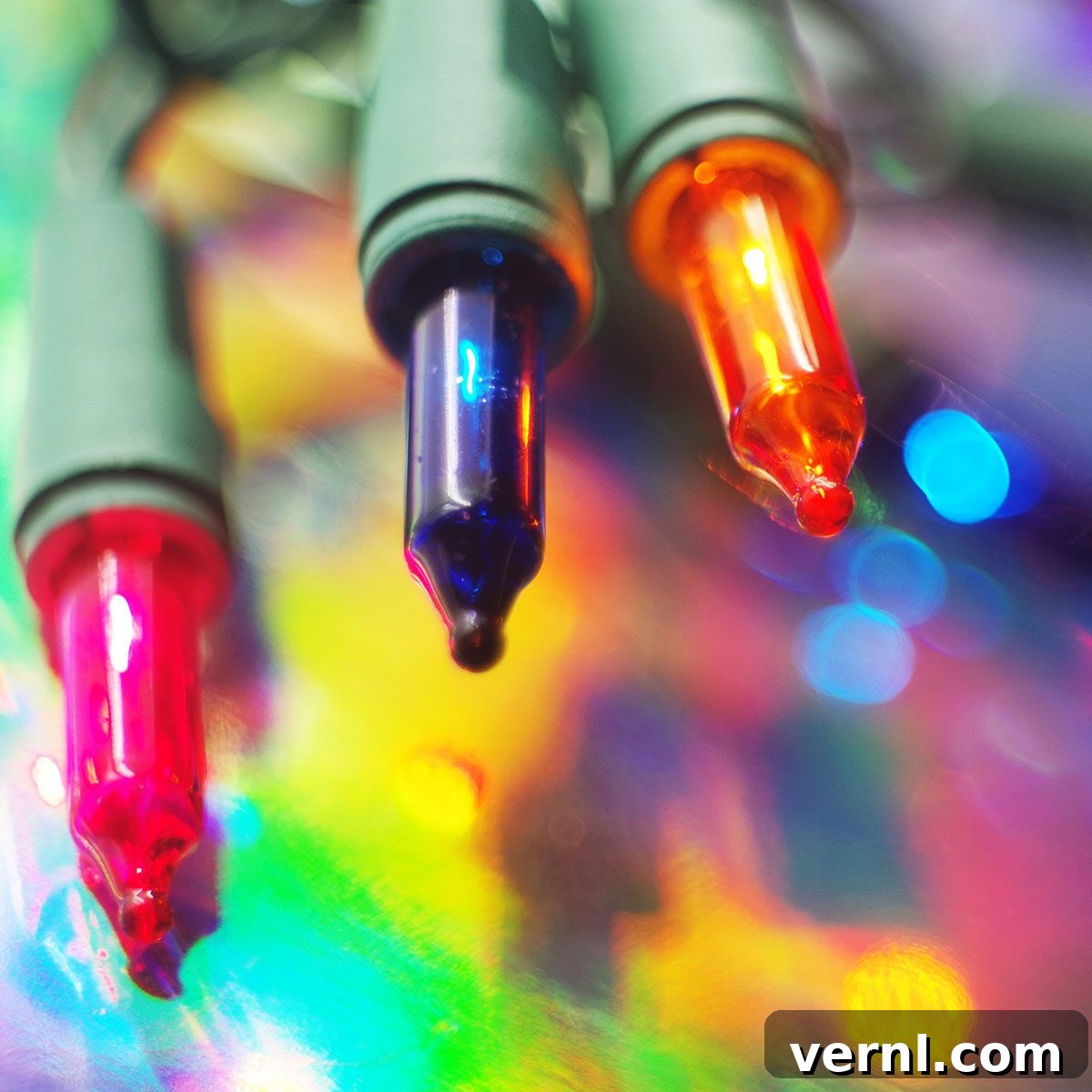
Illuminate Your Holidays: The Ultimate Guide to Choosing Christmas Lights
The festive season is upon us, bringing with it the joyous tradition of transforming our homes into shimmering spectacles of light. As you prepare to deck the halls, a crucial decision looms: should you stick with traditional incandescent Christmas lights, or is it finally time to make the switch to modern, energy-efficient LED Christmas lights? This choice isn’t merely about aesthetics; it’s about safety, longevity, energy consumption, and ultimately, finding the perfect glow for your cherished holiday memories.
For decades, incandescent lights were the undisputed champions of holiday illumination. Their warm, familiar glow defined generations of Christmas celebrations. However, technological advancements have ushered in a new era with light-emitting diodes (LEDs), revolutionizing how we light up our homes and trees. But are LEDs truly the best option for you and your family? This comprehensive guide will delve into the world of Christmas lights, exploring the distinct characteristics of both types, their respective advantages and disadvantages, and offer insights to help you make an informed decision that brightens your holidays without dimming your wallet or your festive spirit.
LED vs. Incandescent: Understanding the Core Differences
Before we dive into the pros and cons, it’s essential to understand the fundamental technology behind each type of Christmas light.
**Traditional Incandescent Lights:** These lights operate much like miniature versions of old-fashioned light bulbs. Electricity flows through a thin wire filament, usually tungsten, causing it to heat up and glow brightly. This process generates a lot of heat along with the light, which is why incandescent bulbs are hot to the touch. Their charm lies in their classic, warm, yellowish glow, often associated with nostalgic holiday memories. However, the delicate filament is prone to breaking, and the heat generation makes them less efficient and potentially hazardous.
**LED Christmas Lights:** In stark contrast, LED (Light-Emitting Diode) lights produce light through a semiconductor process, where electrons move through a diode and release energy in the form of photons (light). This process generates very little heat, making them incredibly efficient and cool to the touch. LEDs don’t have a filament to burn out, which significantly contributes to their exceptional lifespan. Over the past few years, LED technology has advanced dramatically, now offering a wide spectrum of colors, including various shades of “warm white” that closely mimic the traditional incandescent glow, addressing a common past criticism.
The Bright Side: Pros of LED Christmas Lights
The shift towards LED Christmas lights has been driven by a compelling list of benefits that cater to modern homeowner needs and environmental concerns.
-
Unmatched Energy Efficiency and Cost Savings
One of the most significant advantages of LED Christmas lights is their remarkable energy efficiency. They consume up to 80-90% less electricity than their incandescent counterparts. This drastic reduction in power usage directly translates into substantial savings on your energy bills during the holiday season. The typical Christmas lights electric bill can certainly add up, especially if you embrace the spirit of Clark Griswold and adorn every inch of your home with dazzling displays. With LEDs, you can light up your entire property without dreading the arrival of your utility statement. This makes them a smart investment for anyone looking for super simple ways to save on energy costs, year after year. The reduced energy consumption also translates to a smaller carbon footprint, making LEDs a more environmentally friendly choice.
-
Enhanced Safety Features
Safety is paramount, especially during the festive chaos of the holidays. LED Christmas lights are significantly safer than traditional lights. Because they emit light through a different process, they remain cool to the touch, even after hours of operation. This eliminates the risk of accidental burns, making them ideal for homes with curious young children or pets who might tug on decorations. Furthermore, the minimal heat output drastically reduces the risk of overheating and fire hazards, a concern often associated with older incandescent strands, particularly when intertwined with dry wreaths, artificial trees, or other flammable holiday decor.
-
Superior Durability and Longevity
Tired of constantly replacing burnt-out bulbs or entire strands of lights? LED Christmas lights offer exceptional durability and a much longer lifespan. Unlike incandescents, they don’t have fragile filaments that can easily break or burn out. Most LED bulbs are encased in robust plastic, making them shatter-resistant and far more resilient to drops, impacts, and general wear and tear during storage and setup. An average LED Christmas light strand can last for tens of thousands of hours, often for 5-10 holiday seasons or more, compared to the mere hundreds of hours for incandescent lights. This longevity means less frequent replacement, reducing both hassle and waste.
-
Incredible Versatility and Design Options
The world of LED Christmas lights offers an unparalleled array of choices to suit any aesthetic and decorating vision. They come in virtually every shape, style, size, and color imaginable. From classic C7 and C9 bulbs to mini lights, net lights, icicle lights, and even projector lights, the options are limitless. Beyond traditional white and multi-color strands, you can find dynamic color-changing LEDs, smart lights controlled via smartphone apps, and even lights that synchronize with music. Whether you’re aiming for a warm, vintage glow, a vibrant modern display, or a whimsical wonderland, LED technology provides the flexibility to bring your creative holiday lighting dreams to life.
-
Ease of Installation and Reduced Circuit Overload
Because LEDs draw so little power, you can typically connect significantly more strands end-to-end on a single outlet compared to incandescent lights. This simplifies installation, reduces the need for multiple extension cords, and minimizes the risk of overloading circuits and tripping breakers. This efficiency makes decorating large areas, both indoors and outdoors, much more manageable and less prone to frustrating electrical issues.
Considering the Downsides: Cons of LED Christmas Lights
While LEDs offer numerous advantages, it’s important to acknowledge some potential drawbacks, especially when compared to their traditional counterparts.
-
Higher Upfront Cost
One of the most frequently cited drawbacks of LED Christmas lights is their initial purchase price. They are generally more expensive than traditional incandescent lights. This upfront investment can be a deterrent for some homeowners, especially if they need to purchase a large quantity of lights for an extensive display. However, it’s crucial to consider this as a long-term investment. The significant savings on energy bills and the extended lifespan of LED lights mean that the higher initial cost will likely be offset over time. Many users find that within a few holiday seasons, their LED investment pays for itself through reduced energy consumption and the fact that they won’t have to replace them as often.
-
Perceived Light Quality or “Harshness”
For some individuals, the light emitted by certain LED strands can be perceived as harsher or less “warm” than the familiar glow of incandescent lights. Early generations of LEDs often produced a cooler, bluer-toned white light, which some found less appealing for holiday decor. In fact, for a small percentage of people, the blue light spectrum from LEDs can potentially cause discomfort, leading to eye strain or headaches, though this is less common with modern “warm white” LEDs specifically designed to mimic the incandescent glow. While LED technology has made significant strides in replicating warm tones, personal preference still plays a role. It’s advisable to test different LED “white” options (e.g., warm white, soft white, pure white) to find the hue that best suits your aesthetic preference.
-
Potential Dimming Compatibility Issues
While many modern LED Christmas lights are designed to be dimmable, some older or cheaper models may not be compatible with standard dimmer switches. Attempting to dim non-dimmable LEDs can lead to flickering, buzzing, or even damage to the lights or the dimmer switch. If you plan to incorporate dimming into your holiday display, ensure that the LED lights you purchase are explicitly labeled as dimmable and consider using LED-compatible dimmer switches for optimal performance.
-
Directional Light Output
Traditional incandescent bulbs emit light in all directions, creating a softer, more diffused glow. Many LED bulbs, especially older designs, are more directional, meaning they project light primarily forward. While this can be an advantage for highlighting specific features, it can sometimes result in a less uniform light distribution for certain applications, such as wrapping around a tree trunk. However, manufacturers have largely addressed this by designing LED bulbs with diffusers and varied shapes to achieve a more omnidirectional light output.
Making Your Choice: Which Christmas Lights Are Right for You?
The decision between LED and incandescent lights ultimately boils down to your priorities. If you value energy efficiency, long-term savings, safety, and durability, LED Christmas lights are an undeniable winner. They represent a smart, modern choice that can enhance your holiday decor while being kinder to your wallet and the environment. However, if you are deeply attached to the classic, unfiltered warm glow of incandescent bulbs and don’t mind the higher energy costs and shorter lifespan, traditional lights might still hold a nostalgic appeal.
Whichever lights you ultimately choose for your festive display, careful planning and proper installation are key to a magical holiday season. You’ll need to figure out the best lighting arrangement for your space, considering both indoor and outdoor areas. For your Christmas tree, you can even use this clever Christmas tree light hack to make your lights shine even brighter this year, ensuring every branch sparkles.
To help guide your entire festive setup, here is a comprehensive homeowner’s guide to holiday lighting, offering practical tips and creative ideas for every corner of your home. Embrace the spirit of the season, illuminate your home with joy, and create lasting memories under the beautiful glow of your chosen Christmas lights.