Windshield wipers are far more than just accessories; they are critical safety components for any vehicle. Providing clear visibility, especially during adverse weather conditions like heavy rain, snow, or even dusty environments, their optimal function is non-negotiable for safe driving. Yet, despite their vital role, windshield wipers are frequently among the most overlooked parts of routine vehicle maintenance. Many drivers, myself included, often neglect their care, only noticing their decline when visibility is already compromised.
The good news is that maintaining your windshield wipers doesn’t have to be a chore. With a few simple, proactive steps, you can significantly extend their lifespan, ensure they perform flawlessly when you need them most, and ultimately enhance your road safety. This comprehensive guide will walk you through easy yet effective tips for taking care of your wiper blades, highlight common pitfalls to avoid, and empower you to keep your windshield wipers in pristine condition for years to come.
The Unsung Heroes: Why Windshield Wiper Maintenance Matters So Much
Before diving into the “how,” let’s briefly reinforce the “why.” Properly functioning windshield wipers are directly linked to your ability to perceive potential hazards on the road. Reduced visibility due to streaking, smearing, or inefficient clearing can drastically increase reaction time and the risk of accidents. Beyond safety, consistent maintenance can also save you money by delaying the need for frequent replacements. Investing a little time and effort now can prevent bigger problems and costs down the line.
Regularly Clean Your Wiper Blades for Peak Performance
When you’re behind the wheel, nothing takes precedence over unimpeded visibility. Yet, like many drivers, I often find myself postponing the cleaning of my windshield wipers or delaying their replacement until it’s absolutely necessary. This procrastination can be costly, as wiper blades are notoriously susceptible to drying out, hardening, and cracking relatively quickly, especially when exposed to environmental elements.
To significantly prolong their useful life and improve their performance, regular cleaning is paramount. Accumulated road grime, dust, tree sap, and insect residue can create a gritty film on the rubber blade, causing it to drag and skip across the glass, rather than glide smoothly. This not only reduces effectiveness but also accelerates wear and tear on the rubber.
Effective Cleaning Method for Wiper Blades
The process of cleaning windshield wiper blades is straightforward and requires minimal supplies:
- Gather Your Supplies: You’ll need a clean, white, lint-free rag or microfiber cloth, and your preferred glass cleaner (or rubbing alcohol, white vinegar diluted with water, or even just plain water for a quick wipe).
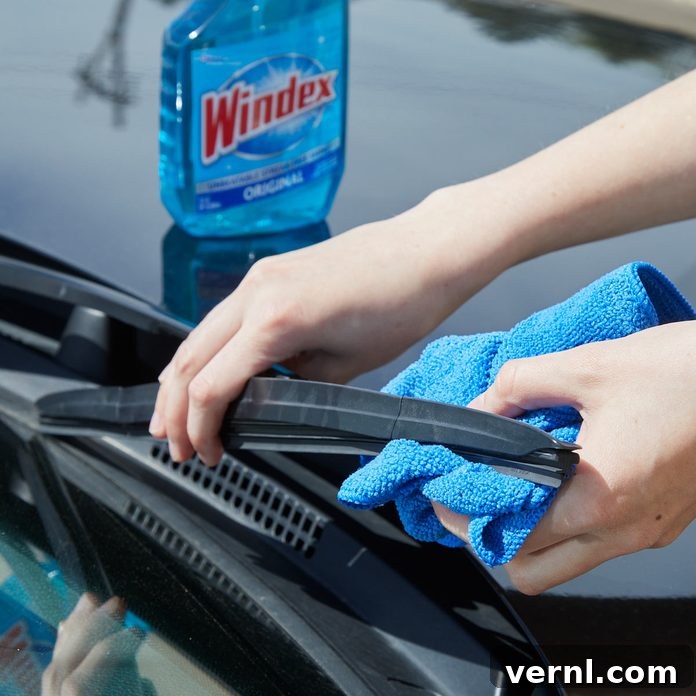
- Lift the Wiper Arms: Carefully lift each wiper arm away from the windshield until it locks into its upright position. This provides easy access to the blade.
- Apply Cleaner to Rag: Soak a section of your clean white rag with your chosen glass cleaner. Avoid spraying directly onto the blade, as this can get cleaner onto your car’s paintwork.
- Wipe the Blades: Grasp the rubber part of the wiper blade gently between the damp rag and your fingers. Wipe the rag up and down the entire length of the wiper blade, applying moderate pressure. You’ll likely be surprised by the amount of black residue and dirt that comes off onto the rag. Continue wiping with a fresh section of the rag until no more dirt appears.
- Clean the Edges: Pay special attention to the wiping edge of the blade, ensuring it’s free of grit and debris. A clean edge is crucial for streak-free performance.
- Repeat for All Blades: Perform the same steps for all wiper blades on your vehicle.
- Lower Wiper Arms: Once clean, carefully lower the wiper arms back onto the windshield. Do not let them snap down, as this can damage the blade or the windshield.
You’ll immediately notice the results on the rag, and more importantly, you’ll experience much clearer visibility through your windshield, especially during rainy conditions. Aim to clean your wiper blades at least once a month, or more frequently if you drive in particularly dusty or dirty environments.
Maintain a Pristine Windshield
The condition of your windshield plays an equally significant role in your wipers’ longevity and effectiveness. A clean windshield means less work for your wiper blades. Regularly cleaning your windshield helps keep abrasive dust, dirt, road grime, and other debris away from the blades. When a wiper blade glides across a dirty, gritty surface, it experiences increased friction. This excessive friction not only causes the rubber to wear down faster but also dries out the blade, leading to premature cracking, hardening, and the need for earlier, more costly replacements.
Comprehensive Windshield Cleaning Steps
For optimal results and to protect your wiper blades, follow these steps for a thorough windshield cleaning:
- Initial Wipe Down: Begin by spraying a high-quality automotive glass cleaner directly onto the windshield. Using a soft, clean microfiber rag, wipe down the entire surface to remove the initial layer of dust and loose dirt.
- Second Application & Squeegee: For a truly streak-free finish, apply a second round of glass cleaner. Immediately follow up with a professional-grade squeegee, working from top to bottom in overlapping strokes. Wipe the squeegee blade clean after each pass to prevent streaks.
- Detailing Edges: Use a clean, dry microfiber cloth to wipe any excess cleaner from the edges of the glass and around the wiper cowl.
Between Formal Cleanings: The Role of Washer Fluid
In between these more formal cleanings, your vehicle’s windshield washer fluid reservoir is your ally. Utilize your vehicle’s windshield washer fluid system to efficiently remove the common dust, pollen, and light dirt that accumulates while driving. Always ensure your reservoir is topped up with a high-quality washer fluid, especially one designed for all seasons that includes antifreeze properties in colder climates, and bug-removing agents for summer driving.
Crucial Avoidance: Never Run Wipers on a Dry Windshield. This is a common habit that severely shortens your wipers’ lifespan. Running wipers across a completely dry glass surface generates immense friction, causing rapid wear, tearing, and permanent damage to the rubber blades. Always activate your windshield washer fluid before engaging your wipers to lubricate the glass and allow for smooth, damage-free operation. Regularly check the washer fluid reservoir and replenish it promptly to avoid this detrimental practice.
Apply a Rubber Protectant for Enhanced Durability
Just like your skin, rubber wiper blades are vulnerable to the damaging effects of sunlight. Prolonged exposure to harmful UV rays causes the rubber to dry out, harden, crack, and lose its flexibility, which is essential for effective wiping. Adding a specialized rubber protectant can go a long way in shielding your blades from these elements and significantly extending their operational life.
Benefits of Rubber Protectants
- UV Protection: Most quality rubber protectants contain UV inhibitors that block harmful sunlight, preventing premature aging and cracking.
- Lubrication: These products lubricate the rubber, keeping it supple and flexible. This allows the blade to conform better to the curvature of the windshield, providing a more consistent and streak-free wipe.
- Prevents Hardening: By nourishing the rubber, protectants prevent it from becoming brittle, which is a common cause of chattering and inefficient wiping.
- Repels Water and Dirt: Some formulations also create a hydrophobic layer, helping to repel water and dirt, which further aids in maintaining clear visibility.
Recommended Products and Application
Products like 303 Products Leather/Rubber/Vinyl Protectant are highly regarded for their ability to lubricate wiper blades while simultaneously providing superior UV protection. When choosing a protectant, opt for non-petroleum-based formulas, as petroleum distillates can actually degrade rubber over time.
To apply the protectant effectively:
- Clean Blades First: Ensure your wiper blades are thoroughly clean and dry before application. Any dirt or grime trapped under the protectant will hinder its effectiveness.
- Lift Blades: Carefully lift the wiper blades away from the glass until they are locked in their upright position.
- Apply to Cloth: Dispense a small amount of rubber protectant onto a clean, soft microfiber cloth. Avoid applying directly to the blade to prevent overspray.
- Wipe Entire Blade: Gently wipe the microfiber cloth along the entire length of the rubber blade, ensuring even coverage. Pay attention to both sides of the wiping edge.
- Allow to Dry: Let the protectant dry completely, as per the product’s instructions. This usually takes a few minutes.
- Lower Blades Carefully: Once dry, carefully lower your wipers back onto the windshield.
Applying a rubber protectant every 1-3 months, or after every few car washes, can make a significant difference in the longevity and performance of your wiper blades, saving you money and enhancing safety.
Beyond Cleaning: Smart Wiper Usage and Care Tips
While cleaning and protecting your wiper blades are crucial, incorporating smart usage habits can further extend their life:
- Clear Heavy Snow and Ice Manually: Never use your wipers to clear heavy snow or thick ice from your windshield. This puts immense strain on the wiper motor and arms, and the sharp ice can tear the rubber blades. Always clear snow and ice with an ice scraper and brush first.
- Lift Wipers in Freezing Conditions: In anticipation of heavy snow or freezing rain, lift your wiper arms off the windshield. This prevents the blades from freezing to the glass, which can damage the rubber when you attempt to use them, or even damage the wiper motor if it tries to operate frozen blades.
- Use Appropriate Wiper Speeds: Only use the wiper speed necessary for the amount of precipitation. Running wipers on a high speed when only a light drizzle is present increases unnecessary wear.
- Address Windshield Damage: Small chips or cracks in your windshield can create uneven surfaces that can damage wiper blades over time. Get these repaired promptly.
- Consider Rain Repellent Coatings: Applying a rain repellent like Rain-X to your windshield can cause water to bead up and roll off more easily, reducing the need for wipers in light rain and decreasing the workload on your blades when they are in use.
Recognizing When It’s Time for Windshield Wiper Replacement
Even with diligent maintenance, wiper blades don’t last forever. Rubber naturally degrades over time, and regular use takes its toll. Understanding the tell-tale signs that your windshield wipers need replacing is crucial for maintaining optimal visibility and safety.
Key Indicators for Wiper Replacement:
- Poor Windshield Clearance: This is the most obvious sign. If your wipers are no longer effectively clearing your windshield during rain or snow storms, leaving large areas unwiped, it’s a clear signal.
- Streaking or Smearing: If your wipers leave unsightly streaks or smears across the glass, rather than a clean sweep, it indicates that the rubber blade is worn, hardened, or uneven. This can significantly obscure vision.
- Chattering or Skipping: When the blades fail to glide smoothly across the windshield and instead bounce, skip, or make loud chattering noises, it usually means the rubber has hardened, become brittle, or the blade angle is incorrect. This not only annoys but also leads to ineffective wiping.
- Visible Damage to the Blade: Conduct a visual inspection of your wiper blades regularly. Look for any physical signs of damage, such as:
- Torn or ripped rubber sections.
- Cracked or split rubber.
- Loose or detached rubber from the frame.
- Hardened or discolored rubber (it often turns greyish from black).
- Missing pieces of the blade.
- Reduced Flexibility: Gently bend the rubber blade with your fingers. If it feels stiff, brittle, or doesn’t spring back readily, its effectiveness will be compromised.
- Age: As a general rule of thumb, most manufacturers recommend replacing wiper blades every 6 to 12 months, regardless of visible damage. Rubber degrades over time simply due to exposure to the elements, even if not used frequently. Proactive replacement ensures you’re always prepared.
Don’t wait until you’re caught in a downpour with compromised visibility to realize your wipers need attention. Regular inspection and timely replacement are inexpensive investments in your safety and peace of mind on the road.
FAQs: Your Windshield Wiper Questions Answered
How can I clean my windshield wipers effectively?
Always use a soft, clean, lint-free cloth, such as a microfiber towel, when cleaning windshield wipers to avoid leaving any dirt, lint, or debris that could scratch your windshield or hinder the wiper’s performance. You have several effective options for cleaning solutions:
- Glass Cleaner: Your standard automotive glass cleaner works well.
- Rubbing Alcohol: Isopropyl alcohol (rubbing alcohol) is excellent for cutting through stubborn grime and oils.
- White Vinegar: Diluted white vinegar (50/50 with water) is a natural and effective cleaner.
- Plain Water: For very light dust or quick touch-ups, plain water can suffice.
To clean, carefully lift the wiper blades away from the windshield. Dampen your cloth with your cleaner of choice, then firmly but gently rub the rubber part of the wiper blade from end to end, turning the cloth to a clean section as it gets dirty. Continue until no more grime comes off. Carefully lower the wiper blades back to the glass when finished, ensuring they don’t snap down.
How can I tell if my windshield wipers need to be replaced?
There are several reliable indicators that your wiper blades are due for replacement:
- Poor Visibility During Precipitation: The most critical sign is if your wipers struggle to clear the glass effectively during rain or snow, leaving large sections unwiped.
- Streaks or Smears: If your wipers leave visible streaks, haziness, or smears across the windshield, it means the rubber is likely hardened, cracked, or worn unevenly.
- Chattering or Skipping: If the blades don’t glide smoothly but instead bounce, skip, or make loud chattering noises as they move across the windshield, it usually indicates that the rubber has lost its flexibility or become brittle.
- Squeaking or Screeching: Unusual noises can signal that the rubber is no longer making proper contact with the glass or is heavily worn.
- Visible Damage: Conduct a visual inspection. Any signs of physical damage such as torn, cracked, split, or loose rubber on the blade, or if pieces are missing, are clear signals it’s time for new windshield wipers. Hardened or discolored rubber is also a visual cue.
As a general guideline, consider replacing your wiper blades every 6 to 12 months, even if they appear to be functioning adequately, as rubber deteriorates over time due to environmental exposure.
Can I use household cleaners on my windshield wipers?
While some household cleaners like white vinegar (diluted) and glass cleaner can be used on wiper blades, it’s generally best to stick to automotive-specific products or rubbing alcohol. Avoid harsh chemical cleaners, abrasive compounds, or dish soap. Dish soap can leave a residue that causes streaking and can potentially dry out the rubber over time. Always test any new cleaner on a small, inconspicuous area first.
Conclusion: Drive Safer, See Clearer
Taking care of your windshield wipers is a small effort with significant returns. By regularly cleaning the blades, keeping your windshield spotless, and applying a protective rubber treatment, you can dramatically extend their lifespan and ensure they provide crystal-clear visibility when you need it most. Remember, optimal wiper performance isn’t just about convenience; it’s a fundamental aspect of road safety. Don’t underestimate the power of clear vision on the road. Embrace these simple maintenance practices, stay vigilant for signs of wear, and enjoy safer, more confident driving for years to come.