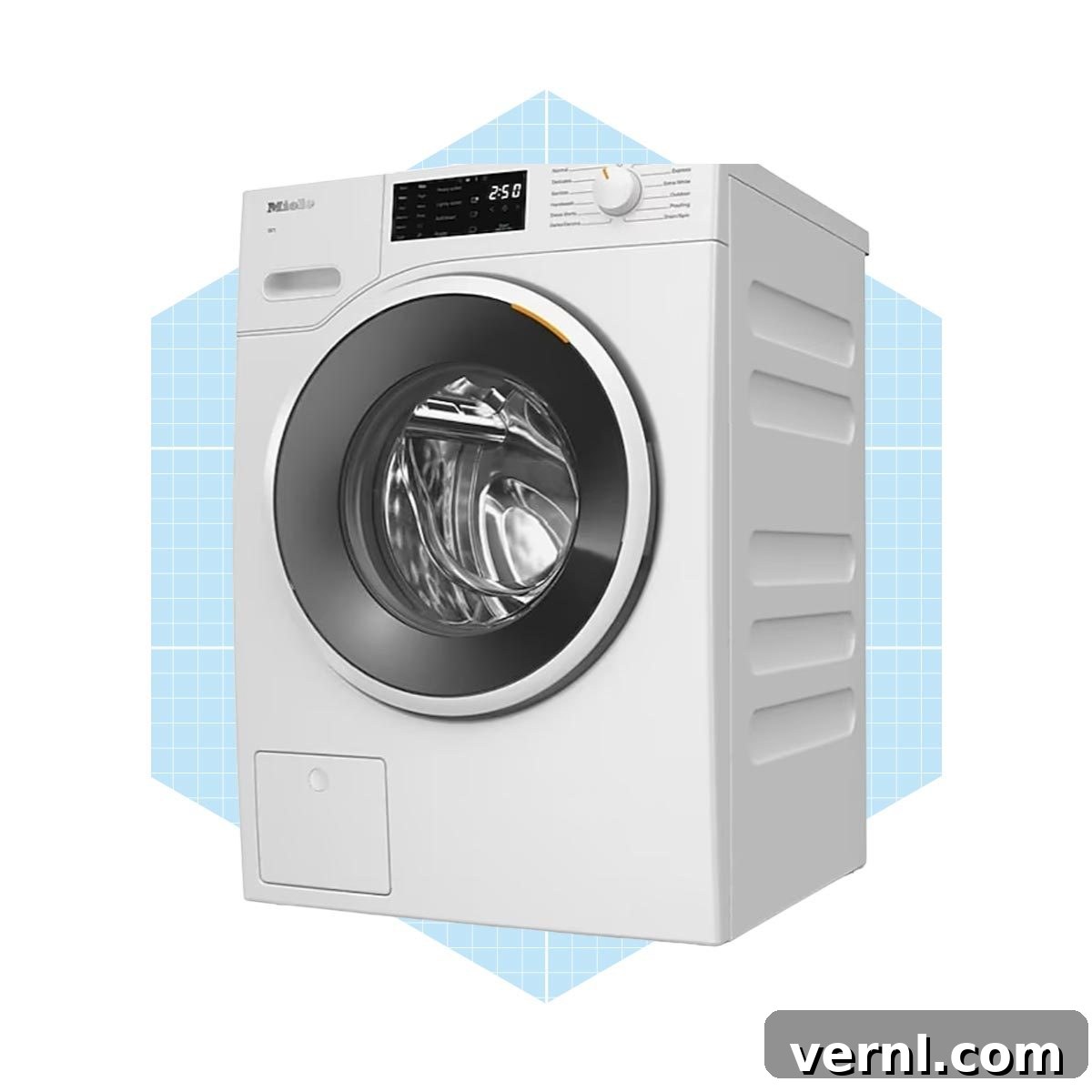
Ultimate Guide: Fixing Your Washing Machine When It Won’t Spin or Drain
A malfunctioning washing machine can quickly turn laundry day into a frustrating ordeal. There are few things more annoying than opening your washer door only to find clothes still soaking wet or, worse, a tub full of stagnant water. When your washing machine refuses to spin the water out or simply won’t drain at all, it signals a common yet often manageable problem. Before you panic and call a costly professional, many of these issues can be resolved with a bit of DIY troubleshooting and a few simple tools.
This comprehensive guide will walk you through the most common reasons why your washing machine might not be spinning or draining, providing actionable steps to diagnose and fix these problems. We’ll cover everything from simple user errors to more complex mechanical issues, empowering you to get your laundry routine back on track. Safety first, always remember to unplug your appliance before attempting any repairs!
Why Your Washing Machine Isn’t Spinning: Common Causes and Solutions
The spin cycle is crucial for removing excess water from your clothes, significantly reducing drying time. If your washer completes its cycle but leaves your garments dripping wet, it’s likely experiencing a spin-related issue. Here’s what could be going wrong and how to fix it:
1. Unbalanced Load
This is by far the most frequent culprit. Modern washing machines are designed with sensors that detect an unbalanced load. If clothes are clumped to one side, the machine will often pause or cancel the spin cycle to prevent excessive vibration and potential damage. It might even add more water to try and rebalance the load.
- The Fix: Open the lid or door, redistribute the clothes evenly around the agitator or drum. If it’s a very small load, add a few more items like towels to help balance it out. Close the lid/door and select the spin cycle again.
2. Lid Switch or Door Latch Issues
For safety reasons, washing machines will not spin if the lid or door is open. A faulty lid switch (top-loaders) or door latch assembly (front-loaders) can trick the machine into thinking the door is open, even when it’s securely closed. This prevents both spinning and sometimes draining.
- Diagnosis:
- Top-loader: Listen for a click when you close the lid. If you don’t hear one, the switch might be broken. You can often test it by manually pressing the switch down (when unplugged!) to see if it moves freely or feels stuck.
- Front-loader: Examine the latch for any visible damage. The door should lock securely, and you might hear an audible click.
- The Fix: If the switch or latch is visually damaged or doesn’t seem to be engaging correctly, it likely needs replacement. This is typically a straightforward repair that involves unscrewing the old part and connecting a new one.
3. Drive Belt Problems
In many washing machines, a drive belt connects the motor to the transmission or drum, allowing it to spin. If this belt is worn, loose, or broken, the drum won’t be able to spin effectively or at all.
- Diagnosis: This usually requires gaining access to the machine’s internal components, typically by removing the back panel or lifting the top. Visually inspect the drive belt for fraying, cracks, or if it has come off the pulleys.
- The Fix: A damaged or dislodged belt needs to be replaced or re-seated. Ensure the new belt is properly tensioned according to your washer’s model specifications.
4. Faulty Motor Coupling (Direct Drive Washers)
Some washers, especially older Whirlpool direct-drive models, use a motor coupling instead of a belt to transfer power from the motor to the transmission. This plastic or rubber coupling can wear out or break, preventing the spin cycle.
- Diagnosis: If you hear the motor humming but the tub isn’t moving, a broken motor coupling is a strong possibility. Accessing it involves removing the washer cabinet.
- The Fix: Replace the motor coupling. This usually involves removing the motor from the transmission and swapping out the old coupling parts for new ones.
5. Drain Pump Issues Leading to Non-Spin
Many washing machines won’t initiate the spin cycle if they detect that water hasn’t drained properly. This is a protective measure to prevent motor strain and potential flooding.
- Diagnosis & Fix: If your machine is also having draining issues, address those first. We’ll cover drain pump and hose issues in detail in the next section. A clogged or faulty drain pump will invariably lead to problems with the spin cycle.
6. Issues with the Motor, Transmission, or Control Board
These are less common but more serious issues. A failing motor, a problem with the transmission, or a faulty electronic control board (PCB) can all prevent the spin cycle from engaging.
- Diagnosis: These issues often present with error codes on digital displays or unusual noises. Diagnosing them usually requires a multimeter and a good understanding of appliance electronics, often best left to a professional.
- The Fix: Replacement of the specific faulty component. Given the cost and complexity, professional assistance is highly recommended for these repairs.
For a visual guide on tackling spin cycle issues, especially those related to common mechanical failures, watch this helpful video:
This video provides practical demonstrations that can help you understand the mechanics behind your washer’s spin function and how to approach common repairs.
Why Your Washing Machine Isn’t Draining: Common Causes and Solutions
When your washing machine fails to drain, you’re left with a tub full of dirty water and soggy clothes. This is a common and usually fixable problem. Proper drainage is essential for both the cleanliness of your clothes and the longevity of your machine. Here’s how to tackle drainage issues:
1. Clogged Drain Pump Filter or Coin Trap
Many front-loading and some top-loading washers have a small filter, often called a coin trap or lint filter, located near the drain pump. Its purpose is to catch small items (coins, buttons, lint, socks) before they reach and damage the pump. Over time, this filter can become clogged, blocking water flow.
- Diagnosis: Locate the access panel for the drain pump filter, usually at the bottom front of the machine (behind a small door). Place towels on the floor, as some water will likely spill out.
- The Fix: Open the access panel, slowly unscrew the filter cover, and remove any debris trapped inside. Clean the filter thoroughly, then replace it securely. Ensure the cap is tightened to prevent leaks.
2. Kinked or Clogged Drain Hose
The drain hose carries water from the washer to your standpipe or utility sink. If this hose is bent, crushed, or clogged with lint, soap scum, or foreign objects, water won’t be able to exit the machine.
- Diagnosis:
- Kink/Crush: Check behind the washer, ensuring the hose isn’t pressed against the wall or other objects.
- Clog: Carefully disconnect the drain hose from the back of the washer and from the standpipe/sink. Inspect both ends for blockages. You might need to use a flashlight to look inside or even snake a plumber’s auger through it if the clog is deep.
- The Fix: Straighten any kinks. Remove any visible blockages. If the hose is severely clogged or damaged, consider replacing it.
3. Faulty Drain Pump
The drain pump is responsible for forcing water out of the machine. If it’s faulty, either mechanically or electrically, it won’t be able to perform its job.
- Diagnosis:
- Noises: Listen for unusual noises (grinding, buzzing) or a complete lack of sound from the pump when the machine should be draining.
- Testing: With the machine unplugged and access to the pump, you can check for continuity with a multimeter if you’re comfortable with electrical testing. A broken impeller (the fan-like component inside the pump) is another common issue.
- The Fix: A faulty drain pump usually requires replacement. This involves accessing the pump, disconnecting hoses and electrical connectors, and installing a new unit.
4. Standpipe or House Drain Clog
Sometimes, the problem isn’t with the washing machine itself, but with your home’s plumbing. If the standpipe (the pipe the drain hose empties into) or your main house drain is clogged, water will back up into the washer.
- Diagnosis: Test other drains in your home (sinks, showers). If they are also draining slowly or backing up, you likely have a household plumbing issue. You might also notice water backing up in the standpipe during the drain cycle.
- The Fix: Use a chemical drain cleaner suitable for your pipes (follow instructions carefully) or a plumbing snake to clear the blockage in the standpipe or main drain. If the problem persists, you’ll need to call a plumber.
5. Water Level Sensor or Pressure Switch Issue
The water level sensor or pressure switch tells the control board how much water is in the tub. If this sensor malfunctions, it might incorrectly indicate that the tub is empty, preventing the drain pump from activating, or vice-versa.
- Diagnosis: This is often accompanied by the machine not filling correctly or overfilling. Diagnosing this often requires a multimeter and knowledge of the specific part’s resistance values.
- The Fix: If faulty, the pressure switch or water level sensor will need to be replaced.
For a deeper dive into common washing machine drainage issues and how to resolve them, including detailed steps for clearing clogs and inspecting components, you can refer to additional resources:
Learn more at: How to Fix a Washing Machine That Won’t Drain
Essential Safety Tips Before You Start
Working with appliances involves electricity and water, making safety paramount. Always follow these precautions:
- Unplug the Washer: Before touching any internal components, always unplug the washing machine from its power source.
- Turn Off Water Supply: Close the hot and cold water supply valves to the washer to prevent accidental leaks or floods.
- Wear Protective Gear: Gloves can protect your hands from sharp edges, dirt, and chemicals.
- Drain Standing Water: If your machine is full of water, you’ll need to manually drain it before performing repairs, especially those requiring you to tilt or move the machine. Use a wet/dry vacuum or buckets.
- Consult Your Manual: Your washing machine’s owner’s manual is an invaluable resource for specific part locations, troubleshooting codes, and safety warnings pertinent to your model.
- When in Doubt, Call a Pro: If you’re uncomfortable with any step, lack the necessary tools, or suspect a complex electrical or mechanical failure, it’s always best to contact a certified appliance repair technician.
Preventative Maintenance for a Healthy Washing Machine
Preventing problems is always better than fixing them. Regular maintenance can significantly extend the life of your washing machine and prevent many common spin and drain issues:
- Don’t Overload: Overloading strains the motor, transmission, and drive belt, and also contributes to unbalanced loads. Follow your machine’s capacity guidelines.
- Distribute Loads Evenly: Especially with top-loaders, ensure clothes are spread out and not bunched up on one side.
- Clean the Drain Pump Filter Regularly: Make it a habit to check and clean the coin trap/filter every few months, particularly if you wash items with pet hair or small debris.
- Use the Right Amount of Detergent: Too much detergent can lead to excessive suds that don’t rinse away, contributing to clogs and residue buildup. Always use HE (High-Efficiency) detergent for HE machines.
- Inspect Hoses: Periodically check the fill and drain hoses for kinks, cracks, or leaks. Replace them if they show signs of wear.
- Run a Cleaning Cycle: Many modern washers have a self-clean cycle. If yours doesn’t, run an empty hot water cycle with a cup of white vinegar or a specialty washer cleaner to remove detergent residue and mineral buildup.
- Leave the Door Ajar: For front-loaders, leaving the door slightly ajar after a wash helps to air out the drum and prevent mold and mildew growth, which can sometimes contribute to sensor issues.
Conclusion
Dealing with a washing machine that won’t spin or drain can be frustrating, but with the right knowledge and a methodical approach, many of these issues are well within the grasp of a confident DIYer. By systematically checking for unbalanced loads, inspecting lid switches, clearing clogs from hoses and filters, and understanding the basics of your machine’s components, you can often save yourself time, money, and the hassle of a service call.
Remember to always prioritize safety, consult your appliance’s manual, and don’t hesitate to seek professional help if a repair feels beyond your comfort level. With regular maintenance and timely troubleshooting, your washing machine will be back to efficiently cleaning your clothes, ensuring smooth laundry days for years to come.