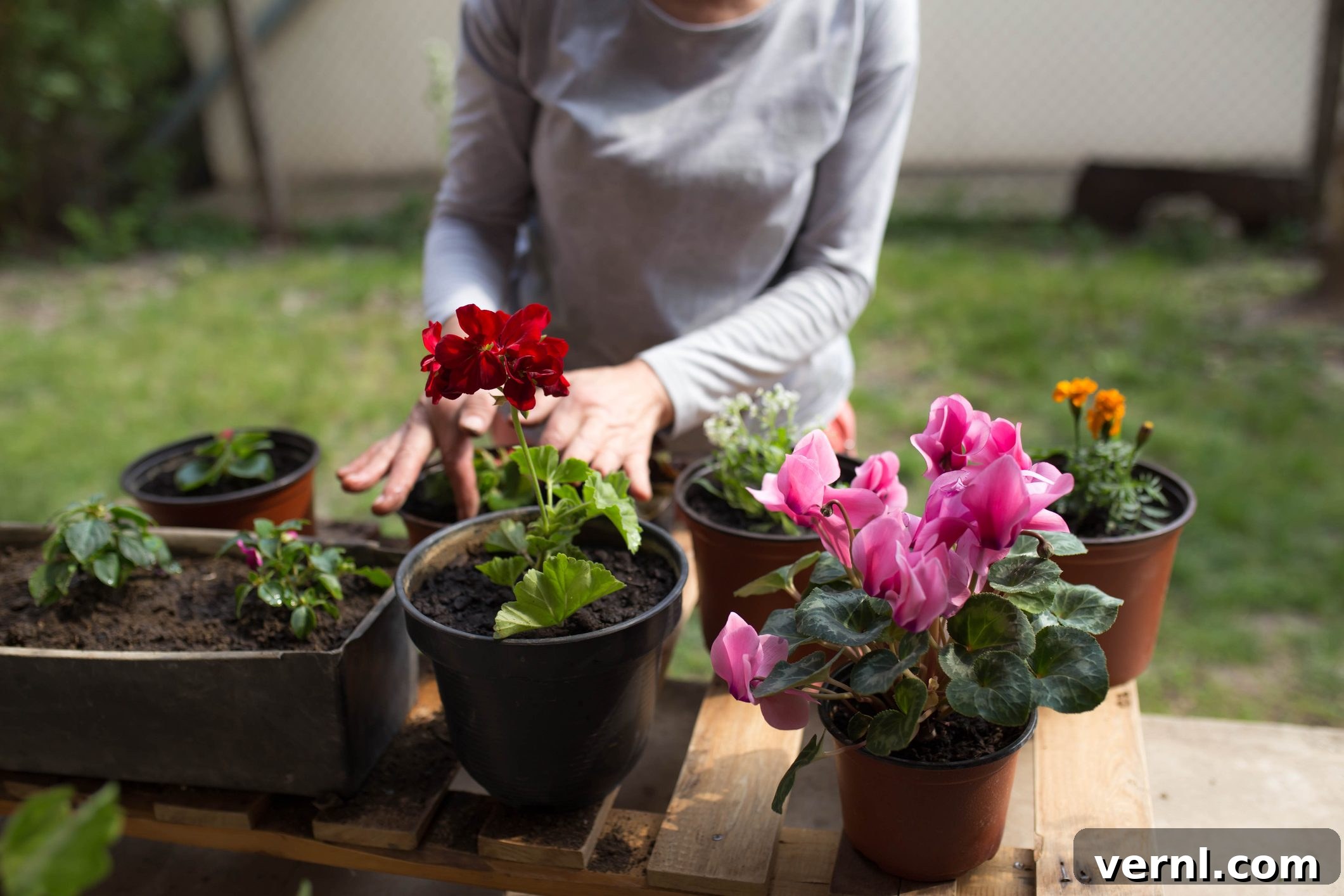
Stepping into a garden center and encountering the vast array of begonias is an experience akin to discovering a vibrant, botanical wonderland. With their stunning diversity in foliage and flower, begonias captivate gardeners of all levels, offering a kaleidoscope of options for every aesthetic and growing condition. From the delicate charm of cascading blooms in a hanging basket to the bold statements made by uniquely patterned leaves, the choice can be delightfully overwhelming.
Whether you’re looking to fill a planter with an explosion of annual color, adorn your patio with dramatic foliage, or cultivate an exotic houseplant, begonias provide endless possibilities. This comprehensive guide will equip you with everything you need to know, from selecting the right type to mastering their care, ensuring your journey into the world of begonias is both successful and incredibly rewarding.
Types of Begonias: A World of Diversity
The vast majority of begonias trace their origins back to tropical and subtropical regions across the globe. This tropical heritage means they are inherently sensitive to frost, making them popular choices for outdoor cultivation in warmer climates or as annuals in temperate zones. Their adaptability also allows many varieties to flourish as captivating houseplants, bringing a touch of the tropics indoors.
While the begonia family boasts over 2,000 species and countless hybrids, they are generally categorized into three broad groups, each celebrated for its distinct characteristics:
- Tuberous Begonias: The Floral Extravaganza
These begonias are primarily revered for their spectacular, often oversized flowers. Their blooms come in an astonishing range of colors, from pristine whites, soft pinks, and vibrant oranges to fiery reds and sunny yellows, often with intricate bi-color patterns or ruffled edges. Tuberous begonias are grown from a distinctive disk-shaped root structure called a tuber, which has a hollow dip on one side. They are perfect for adding dramatic flair to shaded garden beds, containers, and especially hanging baskets, where their magnificent flowers can cascade gracefully. Many varieties also offer delightful fragrances. After their blooming season, these begonias enter a dormant phase, and their tubers can be stored and replanted the following spring. - Rex Begonias: Masters of Foliage
Also known as rhizomatous begonias, the Rex group is celebrated for its breathtaking foliage rather than its flowers, though many varieties do produce delicate blooms. Their leaves are a true work of art, displaying an incredible array of colors, patterns, and textures. Expect to see swirling silver, deep reds, emerald greens, striking purples, and even iridescent blues, often combined in intricate patterns, stripes, and spots. Leaf shapes vary from heart-shaped to spiral, with textures ranging from smooth and glossy to velvety and crinkled. Rex begonias thrive in high humidity and indirect light, making them exceptional houseplants that add an exotic touch to any indoor space. They can also be grown outdoors in shaded, humid environments during warmer months. - Wax Begonias (Begonia semperflorens): The Unsung Heroes
Often referred to as *Begonia semperflorens* or “fibrous-rooted” begonias, wax begonias are generally smaller, compact plants admired for their continuous bloom and sturdy nature. They feature glossy green or striking bronze or chocolate-colored leaves, which provide a beautiful contrast to their flowers. These versatile begonias are typically sold as annuals and are a top choice for mass plantings, borders, and containers due to their low-maintenance requirements and ease of growth, as noted by Kelly Funk, President & CEO of Jackson & Perkins. Their continuous blooms, wide range of colors, and adaptability to both indoor and outdoor settings make them enduring favorites among gardeners seeking reliable beauty throughout the growing season.
Beyond these three primary categories, other popular types include Cane Begonias (like the beloved Angel Wing begonia, known for its distinctive leaves and pendulous flowers) and Rieger Begonias (often grown as gift plants, celebrated for their vibrant, long-lasting blooms).
When to Plant Begonias: Timing is Everything
Understanding your local hardiness zone is paramount when planning to plant begonias, as it dictates whether these frost-sensitive beauties can survive year-round in your garden or if they’ll be treated as seasonal annuals. As Kelly Funk explains, “When planting begonias, hardiness zones matter because they determine whether they can survive year-round in your climate or need to be treated as annuals.”
Gardeners residing in USDA Plant Hardiness Zones 10 and 11 are fortunate enough to cultivate most begonia varieties outdoors as true perennials, enjoying their beauty for multiple seasons. For everyone else, particularly those in colder climates, begonias are typically grown as annuals, providing a season of spectacular display before succumbing to the first frost.
The optimal time for planting begonias outdoors is in the spring, after all danger of frost has definitively passed. A good rule of thumb is to wait until nighttime temperatures consistently remain above 50°F (10°C) to ensure the young plants are not subjected to cold shock. If you’re starting with tubers, you can begin them indoors 6-8 weeks before the last frost date to get a head start, transplanting them outdoors once conditions are favorable.
For those who wish to enjoy begonias year-round, growing them as houseplants is an excellent option. When purchasing new plants, especially during cooler months, always protect them from cold temperatures during transport home. “Begonias are frost-sensitive, and most varieties cannot survive freezing temperatures,” Funk emphasizes, highlighting the importance of this protection.
How to Plant Begonias: Laying the Foundation for Success
Planting begonias correctly sets the stage for healthy growth and abundant blooms. Given their generally shallow root systems, begonias do not require excessively deep containers. Instead, focus on width for fibrous-rooted types and adequate drainage for all. Ensure any container you choose has sufficient drainage holes to prevent waterlogging, which can quickly lead to root rot. A high-quality, general-purpose potting mix that is light and well-draining is ideal. Look for mixes containing components like peat moss, perlite, or vermiculite, which improve aeration and drainage while retaining adequate moisture.
Choosing the Right Location
Begonias are shade lovers, and selecting a site with limited direct sun exposure is crucial for their success. Most varieties will thrive in partial to full shade, especially protected from the harsh afternoon sun, which can scorch their delicate leaves. A spot that receives morning sun and dappled shade for the rest of the day is often perfect. Rex begonias, with their ornate foliage, typically prefer deeper shade to protect their intricate leaf patterns.
For indoor begonias, indirect sunlight is best. An east-facing window that provides gentle morning sun or a north-facing window offering consistent bright, indirect light is usually ideal. High humidity is also a key factor for indoor begonias, mimicking their tropical native habitats. You can increase humidity by placing plants on a pebble tray filled with water (ensuring the pot doesn’t sit directly in the water) or by using a room humidifier.
Planting Tubers and Seeds
If you’re planting tuberous begonias from tubers, place the tuber hollow-side up, just below the soil surface, about 1 inch deep. Keep the soil lightly moist until shoots appear. For growing begonias from seed, be prepared for a challenge and a test of patience, as begonia seeds are notoriously tiny, almost dust-like. Sow them indoors several weeks before your last frost date, pressing them lightly onto the surface of a sterile seed-starting mix (do not cover with soil, as they need light to germinate). Maintain consistent moisture and warmth, and be patient; germination can take several weeks. While a rewarding experience for seasoned gardeners, it’s generally not recommended for beginners.
When Do Begonias Bloom: A Season of Color
One of the most appealing aspects of begonias is their generous blooming period. Many varieties purchased in spring will already be adorned with flowers, ready to provide instant color. To encourage continuous blooming throughout the summer and into fall, particularly for flowering types like tuberous and wax begonias, regular deadheading is essential. This practice involves pinching off spent or fading blooms, which prevents the plant from expending energy on seed production and redirects it towards producing more flowers. Foliage-focused begonias, such as Rex varieties, may produce smaller, less conspicuous blooms that appear later in the summer, though their primary appeal lies in their stunning leaves.
How to Care for Begonias: Nurturing Tropical Beauty
Caring for begonias involves understanding their tropical origins and replicating those conditions as closely as possible. With a little attention, these plants will reward you with lush foliage and vibrant flowers.
- Watering Wisely: Begonias thrive in evenly moist soil, but they absolutely detest being waterlogged. Water thoroughly when the top inch of soil feels dry to the touch, allowing excess water to drain away completely. Avoid letting the soil dry out completely, but also ensure pots are never left standing in water, as this can quickly lead to root rot. Adjust watering frequency based on temperature, humidity, and the size of the plant and container.
- Fertilization for Flourish: During their active growing seasons (spring and summer), begonias benefit from regular feeding. Choose a balanced liquid fertilizer with a lower nitrogen content and higher phosphorus and potassium, specifically formulated to promote more blooms. Apply according to package directions, typically every 2-4 weeks. Reduce or cease fertilization during fall and winter when growth naturally slows.
- Frost Protection and Overwintering: As frost-sensitive plants, outdoor begonias must be protected from cold snaps in late spring and removed from the garden before the first hard frost in autumn. If you live in a colder zone and wish to save your tuberous begonias, dig up the tubers after the foliage dies back, clean them, and store them in a cool, dry, dark, and frost-free location (like a basement or garage) in peat moss or sawdust until spring. For houseplant begonias or those you wish to overwinter indoors, bring plants inside when night temperatures consistently drop below 60°F (15°C).
- Air Circulation and Pest/Disease Management: Good air circulation is vital to prevent fungal diseases like powdery mildew, which can discolor leaves and cause them to drop. Space plants appropriately to allow for airflow. Regularly inspect your begonias for signs of common pests such as spider mites, mealybugs, and aphids. Address infestations promptly with insecticidal soap or neem oil to keep your plants healthy.
Is There a Hardy Begonia? The Exception to the Rule
Indeed, there is! While most begonias are delicate and frost-tender, one notable exception is Begonia grandis, commonly known as the hardy begonia. This remarkable plant defies the typical begonia profile, growing as a perennial in USDA Zones 6 through 9, meaning it can withstand colder winter temperatures and return year after year.
Plant hardy begonias in a location where the soil remains consistently moist but well-draining, ideally receiving some morning sun and shade for the remainder of the day. They are particularly striking for their pink, pendulous flowers that begin to bloom in mid-to-late summer, often extending their display into fall. The undersides of their leaves frequently display a lovely reddish hue. In late fall, once the foliage dies back, apply a thick layer of mulch over the planting area to provide extra insulation for the tubers through winter. Don’t be alarmed if new growth is slow to emerge in spring; hardy begonias typically appear later than many other perennial plants, usually in late spring or early summer.
For those eager to delve deeper into the captivating world of begonias, the American Begonia Society offers a wealth of information and a community of passionate growers. Successfully cultivating a popular variety like the stunning polka dot begonia, with its distinctive spotted leaves, might just inspire you to explore more varieties and even join the ranks of dedicated begonia enthusiasts!
FAQ: Your Begonia Questions Answered
How do I encourage begonias to bloom more vibrantly and profusely?
To maximize bloom production, ensure your begonias receive adequate sunlight (bright, indirect light is best for most), consistent moisture without being waterlogged, and regular fertilization during their active growing season. Use a fertilizer high in phosphorus and potassium to promote flowering. Also, consistently deadhead spent blooms to redirect the plant’s energy into producing new flowers rather than seeds. Aim for at least four to six hours of bright, indirect sunlight daily for optimal flowering.
What are common signs of overwatering or underwatering begonias?
Overwatering often leads to yellowing leaves, soft or mushy stems, and eventually root rot. Leaves may also drop prematurely. Underwatering, conversely, causes leaves to wilt, become crispy at the edges, and turn brown. The plant may look overall droopy. The key is to feel the soil; water when the top inch is dry, but never let it completely dry out.
How do I propagate begonias to create new plants?
Begonias are remarkably easy to propagate! Most varieties can be rooted from stem or leaf cuttings. For stem cuttings, simply snip a healthy stem (about 3-4 inches long) just below a node, remove the lower leaves, and place it in a glass of water or directly into a moist, well-draining potting mix. For leaf cuttings (especially effective with Rex begonias), cut a healthy leaf into sections, ensuring each section has a prominent vein, and lay them on moist potting mix, covering lightly. Keep the environment humid, and new plantlets will eventually emerge.
What are the most common pests and diseases affecting begonias, and how can I treat them?
Begonias can be susceptible to powdery mildew (a white, powdery growth on leaves), which is often caused by poor air circulation and high humidity. Treat with a fungicide and improve airflow. Common pests include spider mites (tiny red or brown dots, fine webbing), mealybugs (fuzzy white cotton-like masses), and aphids (small green or black insects). Treat infestations with insecticidal soap, neem oil, or by physically removing pests with a damp cloth or strong stream of water.
About the Experts
Kelly Funk is the esteemed President & CEO of Jackson & Perkins, a leading horticultural company known for its quality plants and expertise.