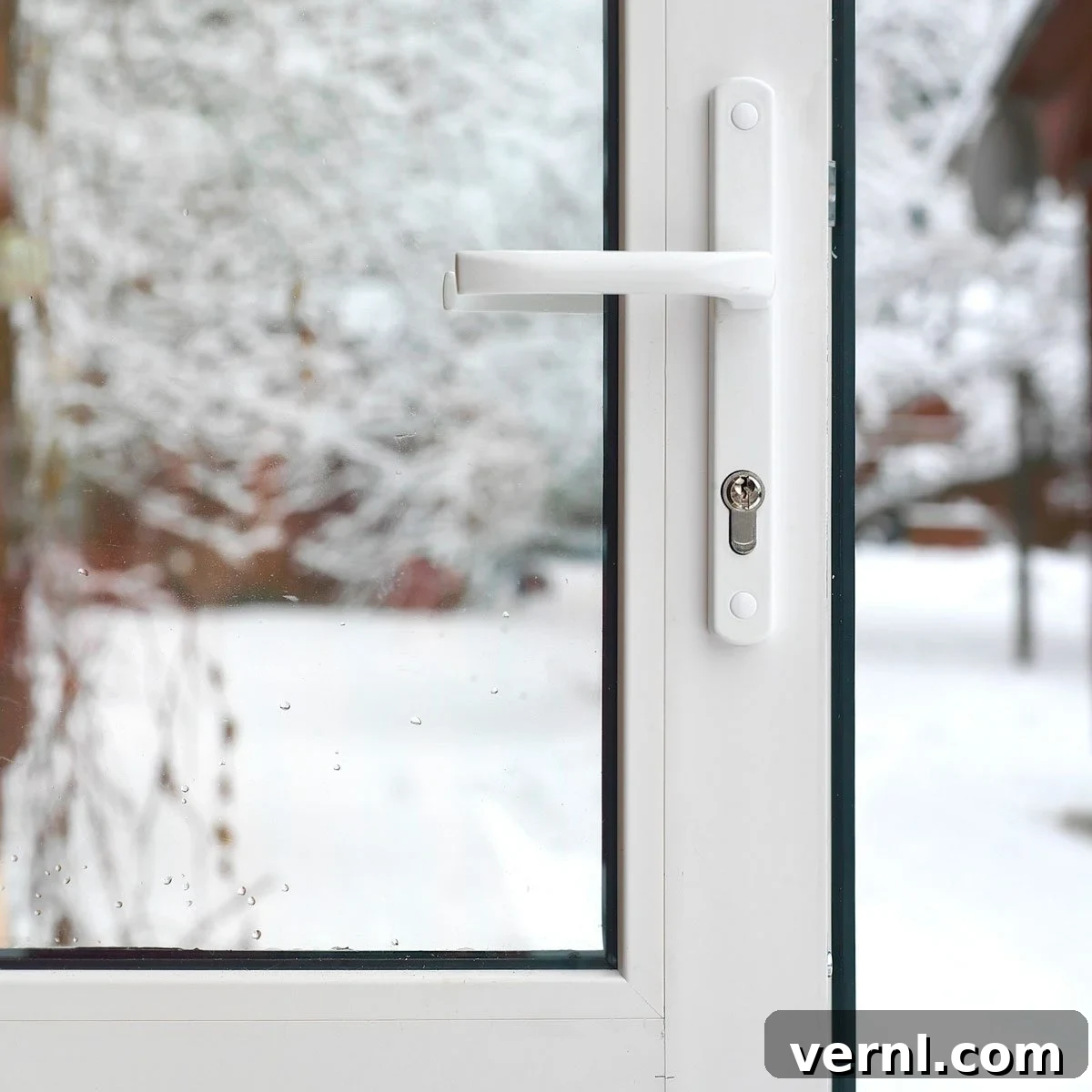
A storm door, first introduced in 1878, is an essential additional barrier installed on the exterior of your primary exterior door. Its primary purpose is to offer enhanced protection against severe weather conditions and improve your home’s overall comfort and efficiency. Modern storm doors are highly versatile, typically featuring interchangeable glass and screen inserts, allowing homeowners to adapt them to changing seasonal needs.
Whether you’re exploring the benefits of adding a storm door to your home, or contemplating an upgrade to an existing one, understanding the various aspects before making a purchase is key. These doors are more than just an extra layer; they are a smart investment in your home’s longevity, energy savings, and aesthetic appeal. For top recommendations, explore what we consider the best storm door options available on the market.
What Is a Storm Door and Why Does Your Home Need One?
A storm door serves as a supplementary door, meticulously installed on the outer frame of your existing exterior door. It acts as a crucial barrier, providing an additional layer of defense for your primary entry point. This extra protection is particularly invaluable during harsh winter months, shielding your main door from the elements. Conversely, in warmer seasons, a storm door equipped with screen panels facilitates excellent air circulation, enhancing indoor comfort.
The multifunctional design of a storm door offers a range of significant advantages for any homeowner:
- Superior Weather Protection: In winter, a robust storm door effectively guards your wooden or painted front door from the damaging effects of snow, rain, ice, and strong winds. This protection helps prevent premature wear and tear, chipping, fading, and warping, significantly extending the lifespan and preserving the appearance of your main entry door.
- Enhanced Natural Light & Views: With its glass panel, a storm door allows you to open your primary exterior door, inviting abundant natural light into your entryway and interior spaces. This feature is particularly appealing on cool but sunny days, as it brightens your home without exposing it to cold air or drafts. You can enjoy the outdoor view while remaining comfortably indoors.
- Improved Energy Efficiency & Insulation: A storm door creates an insulating air pocket between itself and your main exterior door. This air gap acts as a thermal barrier, significantly reducing heat transfer. It provides an added layer of insulation that effectively blocks cold drafts from infiltrating your home during winter and prevents heated air from escaping. In summer, it helps keep conditioned air inside, contributing to lower energy bills year-round.
- Optimal Ventilation & Pest Control: During warm weather, swapping the glass panels for screen inserts allows fresh air to enter and circulate freely throughout your home. This natural ventilation helps cool your house and reduces reliance on air conditioning. Crucially, these screens act as an effective barrier, keeping insects, pollen, and outdoor debris out, ensuring a comfortable and clean indoor environment.
- Added Security: While not their primary function, storm doors do offer an additional layer of security. The extra lock and sturdy construction can deter potential intruders, making your home less appealing as a target.
- Boosted Curb Appeal: Modern storm doors come in a variety of styles, finishes, and colors, allowing them to complement your home’s architectural style and enhance its curb appeal. They can add a touch of elegance and finish to your entryway.
Distinguishing Between a Storm Door and a Screen Door
The concept of a door with a screen to let in air often leads to confusion with traditional screen doors. However, a storm door is fundamentally different and far more robust than the flimsy screen doors many might remember from childhood.
The key distinction lies in their construction and versatility. A storm door is engineered with removable or adjustable glass and screen inserts. This design allows the homeowner to effortlessly switch between glass panels for protection against inclement weather and screen panels for ventilation, adapting to seasonal changes. Crucially, storm doors are built significantly sturdier than typical screen doors. They are constructed with durability in mind, specifically designed to withstand harsh weather conditions, including strong winds, heavy rain, and snow, without compromising their integrity or functionality. Traditional screen doors, while excellent for ventilation, lack the robust construction and weather-sealing capabilities necessary for year-round protection and energy efficiency that a storm door provides.
When is the Right Time to Use a Storm Door?
A storm door is not a seasonal accessory but rather a valuable, year-round addition that significantly enhances your home’s functionality and comfort. Its versatile design ensures it benefits your household regardless of the climate outside.
- Cold & Inclement Weather (Winter): The robust glass panels are indispensable during cold, rainy, windy, or snowy weather. They provide crucial protection for your primary exterior door, shielding it from the elements and preventing costly damage. When temperatures drop, you can open your main front door to let in light, while the storm door’s glass panel keeps the cold air out, allowing you to enjoy sunshine without sacrificing warmth. This also means you can check for deliveries or visitors without exposing your interior to freezing temperatures.
- Moderate & Sunny Days (Spring & Fall): On those pleasant days when the air is crisp but the sun is shining, a storm door truly shines. You can keep your primary door wide open, letting an abundance of natural light stream into your home through the storm door’s glass. This brightens your entryway and living spaces, creating an inviting atmosphere, all while maintaining a comfortable indoor temperature and preventing drafts.
- Warm Weather & Ventilation (Summer): If your storm door is equipped with a screen panel – a feature common in most modern designs – you can easily remove the glass panels as temperatures rise. Replacing them with the screen allows a refreshing flow of fresh air to circulate through your home, aiding in natural cooling and reducing the need for air conditioning. The screen effectively keeps out bothersome insects and outdoor debris, ensuring you enjoy the breeze without unwanted guests. This is ideal for cross-ventilation, helping to purge stale air and bring in invigorating outdoor air.
Furthermore, integrating a storm door into your home is a straightforward process. Here is a comprehensive guide on how to install a storm door with ease, ensuring you can quickly begin to enjoy its many benefits.
Comprehensive Guide to Storm Door Types and Features
Storm doors are available in a variety of materials and designs, each offering distinct advantages in terms of durability, insulation, and aesthetics. While wood storm doors are becoming less common due to maintenance requirements, modern options predominantly include fiberglass, PVC, and aluminum.
- Materials:
- Aluminum: Widely popular for its strength, resistance to rust, and low maintenance. Aluminum storm doors often feature a hard foam inner core for superior insulation.
- Fiberglass: Known for its exceptional durability, resistance to dents and scratches, and excellent insulation properties. Fiberglass doors can mimic the look of wood without the associated upkeep.
- PVC (Vinyl): Offers good insulation and is highly resistant to moisture and rot. PVC doors are typically low maintenance and come in various colors.
- Wood: While less common today, wood storm doors offer a classic, natural aesthetic. They require more maintenance, such as painting or staining, but can provide good insulation when properly sealed.
- Glass Panels: The quality and type of glass significantly impact a storm door’s performance and safety.
- Tempered Glass: This is the standard for storm doors due to its safety features. If broken, tempered glass shatters into small, blunt granules rather than sharp shards, significantly reducing the risk of injury.
- Low-E (Low-Emissivity) Glass: An excellent upgrade for energy efficiency. Low-E glass features a microscopically thin coating that reflects infrared light, keeping heat inside during winter and outside during summer. It also provides extra UV protection, safeguarding your interior furnishings from fading.
- Laminated Glass: For enhanced security and sound dampening, laminated glass panels consist of two panes of tempered glass with a strong laminate film sandwiched between them. This construction makes them much harder to break through and provides superior noise reduction.
- Obscure or Decorative Glass: For those seeking privacy or a unique aesthetic, storm doors can feature obscure, textured, or decorative glass options that allow light in while obscuring the view.
Main Types of Storm Doors:
-
Full-View Storm Doors:
These doors are designed for maximum light exposure and aesthetic appeal. A full glass panel typically spans the entire length of the door, allowing an unobstructed view and ample light to flood into your home when the main door is open. They are perfect for showcasing an attractive entry door or for maximizing natural light. Many full-view doors also come with interchangeable screen panels. In warmer weather, the glass panel is removed and replaced with the screen panel to facilitate ventilation. Some models even feature integrated pet door features, adding convenience for pet owners.
-
Partial-View Storm Doors:
Partial-view storm doors offer a balance between light exposure and enhanced durability. They feature a larger proportion of the door being solid material, with a smaller window section, often located in the upper or middle part of the door. This design provides added protection at the bottom, which is beneficial in high-traffic areas or homes with children and pets. Despite less glass, they still allow significant light and air to enter. Many partial-view doors include the same versatile features as full-view options, such as removable glass panes, dedicated pet doors, and innovative retractable screens for convenient seasonal transitions.
-
Retractable or Self-Storing Screen Storm Doors:
Emphasizing convenience and modern design, this type of storm door often features a full-view window or a half window pane, but its defining characteristic is the ingenious self-storing screen. The screen retracts seamlessly into the body of the door frame when not in use, making seasonal swaps effortless. When you want to enjoy fresh air, simply slide or “pop out” the glass panel(s) and deploy the hidden screen. This eliminates the need for manual panel storage, offering a clean aesthetic and hassle-free operation.
-
Ventilating Storm Doors:
Ventilating storm doors are specifically designed to optimize airflow while maintaining security. These can be full- or partial-view doors, typically featuring one or more glass panels. The screens in these doors are often fixed in position and are not removable, though some advanced designs allow you to slide a screen panel up or down to cover a specific window opening, giving you precise control over ventilation. This continuous ventilation capability helps regulate indoor temperatures and improve air quality without fully opening the door.
Most major home improvement stores maintain a diverse inventory of storm door types and standard dimensions. While classic white and almond are the most commonly stocked colors, a wider palette of colors may be available through special order to perfectly match your home’s exterior.
Hardware and Accessories:
Storm door handles and locks are crucial components that often come included with the door, but can also be purchased separately to customize your entryway’s look and security. You have the flexibility to choose a handle-only option for basic functionality or to integrate an advanced locking mechanism for an enhanced layer of security. Many modern storm doors offer multi-point locking systems and integrated deadbolts for superior peace of mind. Additionally, features like adjustable door closers with hold-open functions allow the door to stay open at a desired angle, which is particularly useful for moving groceries or allowing pets easy access.
How to Strategically Buy a Storm Door
Purchasing the right storm door requires careful planning and attention to detail to ensure a perfect fit and optimal performance for your home.
- Precise Measurements are Paramount: Before even browsing, meticulously measure the inside dimensions of your existing door casing. Measure the width at three points (top, middle, bottom) and the height at three points (left, center, right), then use the smallest measurement for each. Also, measure the depth of the door jamb. Accuracy here is critical, as a door that’s too large or too small will be difficult or impossible to install correctly.
- Determine Door Handing: Crucially, note whether you need a left- or right-opening door. This is determined by standing outside your home, facing the door. If the hinges are on the left, it’s a left-hand door; if they’re on the right, it’s a right-hand door. While some storm doors are designed to be interchangeable, many are not, so confirming this beforehand prevents installation headaches.
- Assess Your Existing Door Frame: The storm door attaches directly to your existing door frame. It’s imperative to inspect your frame thoroughly for any signs of damage such as splits, cracks, dry rot, or warping. A solid, square, and structurally sound frame is essential for proper installation and long-term durability of your new storm door. Any damage should be repaired before installation.
- Consider Style and Aesthetics: Think about how the storm door will complement your existing primary entry door and the overall architectural style of your home. Choose a material, color, and design that enhances your home’s curb appeal rather than detracting from it.
- Energy Efficiency Ratings: Look for U-factor and Solar Heat Gain Coefficient (SHGC) ratings. A lower U-factor indicates better insulation, while a lower SHGC means less solar heat enters your home, which is beneficial in warmer climates.
- Budget and Warranty: Storm doors vary widely in price based on material, features, and brand. Set a realistic budget and inquire about the manufacturer’s warranty for both the door and its components.
- Transportation Logistics: Storm doors are bulky. If you plan to pick it up yourself, ensure your vehicle is capable of safely transporting it. A car with a hatchback and flat-folding back seats might suffice for some models, but often, arranging for delivery/shipping from the store or renting a truck will be necessary to prevent damage during transit.
Storm Door Installation: DIY or Professional?
Installing a storm door can be a rewarding DIY project for homeowners with a moderate level of skill and the right tools. Most modern storm doors are conveniently prehung on a frame and come complete with a comprehensive installation kit that includes all necessary hardware.
- DIY Installation: If you possess decent DIY skills, have experience with basic carpentry, and can enlist a second pair of hands for assistance, installing a storm door yourself is certainly achievable. The typical tools required for this project include a power drill with various bits, a Phillips head screwdriver, measuring tape, a level, an angle tool or speed square, scissors, a utility knife, caulk gun, shims, and critically, safety goggles. Be prepared for the process to take several hours, requiring patience and precision for proper alignment and sealing. This option allows you to replace a storm door effectively while saving on labor costs.
- Professional Installation: If you’re not confident in your DIY abilities, your existing door frame is challenging, or you simply prefer a hassle-free experience, opting for professional installation is a wise choice. Professional installers possess the expertise to ensure a perfect fit, proper sealing, and optimal functionality, often completing the job efficiently. The cost for professional installation typically ranges between $70 and $200, an investment that guarantees peace of mind and the correct operation of your new storm door.
Essential Storm Door Maintenance Tips
One of the many advantages of a modern storm door is its minimal maintenance requirement, ensuring it continues to perform effectively and look great for years.
- Routine Cleaning: Regularly clean off accumulated dirt, dust, spider webs, and any debris using a soft cloth or a gentle brush. For a more thorough clean, wash the door with a rag soaked in a mild solution of soap and water. Pay special attention to the glass panels to maintain clarity and to the screen inserts to ensure optimal airflow. Rinse thoroughly and dry with a soft cloth to prevent water spots.
- Hardware Checks: Periodically inspect and lubricate the hinges, ensuring they operate smoothly. Tighten any loose screws on the handles, locks, and door closer. Check the weatherstripping around the frame and panels for any signs of wear, cracks, or gaps, which could compromise insulation and allow drafts. Replace worn weatherstripping as needed.
- Panel Storage: When storing glass or screen panels that are not in use (e.g., glass panels during summer or screen panels during winter), it’s crucial to place them in a safe, protected location in your garage, basement, or storage shed. Ensure they are stored flat or securely upright, away from high-traffic areas, to prevent them from getting torn, scratched, broken, or bent. Labeling the panels can also simplify future seasonal swaps.
- Drainage Holes: Some storm doors have small drainage holes at the bottom of the frame to prevent water buildup. Ensure these holes remain clear of debris to allow proper water runoff.
By following these simple maintenance guidelines, your storm door will continue to provide excellent protection, energy efficiency, and curb appeal for your home throughout every season.