
AI Regulation: The DOT’s Bold Move and Potential Pitfalls
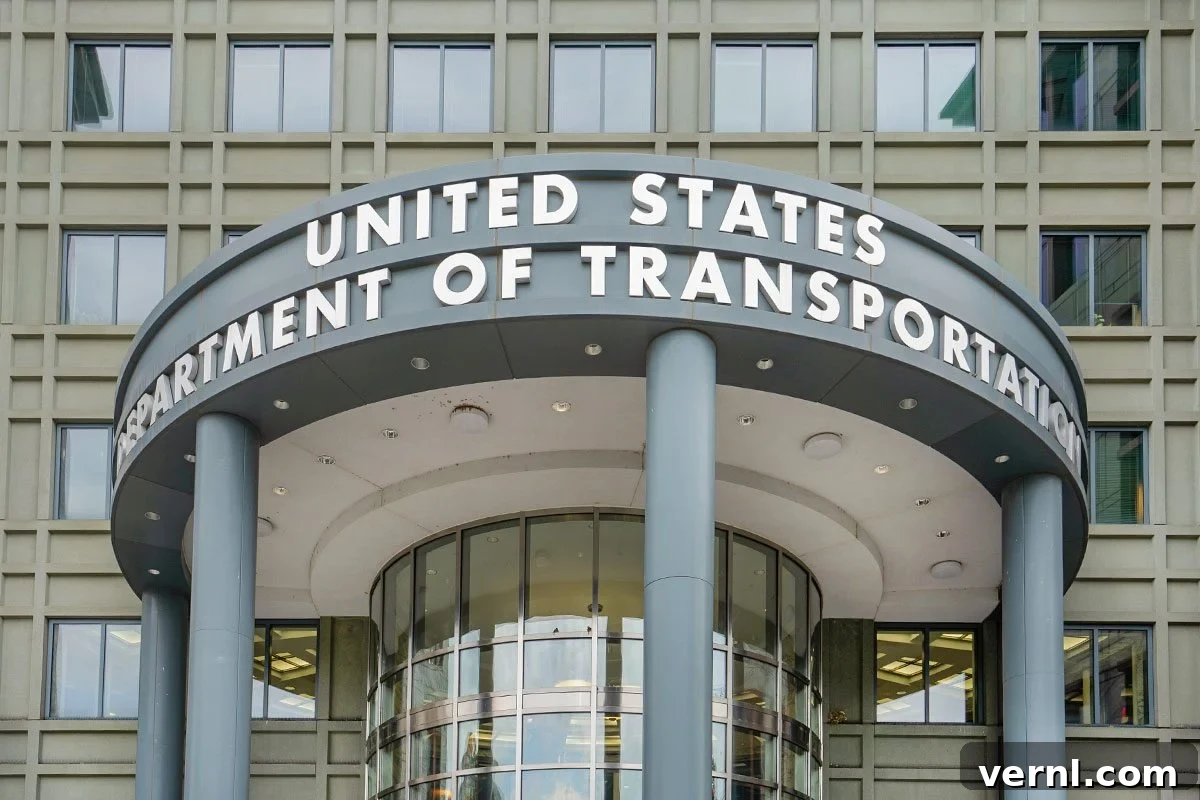
In an era dominated by technological advancements, artificial intelligence (AI) continues to permeate various facets of our lives. While many grapple with the relentless surge of AI-driven products and the often-questionable quality of generative AI output, the U.S. Department of Transportation (DOT) has announced a groundbreaking initiative: leveraging AI to draft regulations. This move, while potentially revolutionary, has sparked considerable debate and raised critical questions about the future of governance and public safety.
The DOT’s Embrace of Artificial Intelligence
The DOT’s foray into AI is not entirely new. Their Artificial Intelligence Activities page outlines existing efforts to integrate AI into their operations. The overarching goal, according to the DOT, is to “enable the safe integration of AI into the transportation system.” They envision AI as a cornerstone technology for automated driving systems, unmanned aircraft systems, and even conventional aircraft and traffic management operations.
The DOT’s vision extends beyond mere integration; they aim to harness AI for internal operations, research, and citizen-facing services. To this end, the department has invested heavily in applying AI to enhance the efficiency and effectiveness of internal processes and research. Key areas of focus include:
- Generative AI: Utilizing AI to create new content, such as text, images, and data, to streamline regulatory drafting.
- Natural Language Processing (NLP): Enabling computers to understand, interpret, and generate human language for improved communication and analysis of regulatory documents.
- Computer Vision: Employing AI to analyze images and videos, potentially for infrastructure inspection and safety monitoring.
- Machine Learning-Based Predictive Analytics: Using algorithms to identify patterns and predict future outcomes, aiding in risk assessment and regulatory prioritization.
The Advent of AI-Written Regulations: A Brave New World?
The prospect of AI-generated regulations has ignited both excitement and apprehension. In a ProPublica article, Jesse Coburn highlighted concerns regarding the DOT’s approach. He quoted Gregory Zerzan, the DOT’s general counsel at the time, who seemed more focused on the sheer volume of regulations AI could produce rather than their inherent quality. Zerzan reportedly stated, “We don’t need the perfect rule on XYZ. We don’t even need a very good rule on XYZ,” emphasizing a desire for regulations that are simply “good enough.”
This emphasis on quantity over quality has raised alarm bells, even within the DOT itself. Critics argue that entrusting the creation of critical safety regulations to a technology known for its potential for errors is a risky proposition. The DOT’s regulations are far-reaching, impacting virtually every aspect of transportation safety. They are responsible for ensuring the safety of air travel, preventing gas pipeline explosions, and safeguarding the transport of hazardous materials by rail.
Traditionally, drafting, revising, and publishing regulations is a lengthy and meticulous process, often spanning months or even years. The allure of AI lies in its potential to significantly expedite this process. According to Coburn, the DOT’s version of Google Gemini could generate a proposed rule in a matter of minutes or even seconds. This rapid turnaround could potentially revolutionize the regulatory landscape, but at what cost?
Weighing the Potential Benefits and Risks
The use of AI in regulatory drafting presents a complex equation with both potential benefits and inherent risks. On one hand, AI could streamline the regulatory process, allowing the DOT to respond more quickly to emerging challenges and technological advancements. It could also free up human resources, enabling experts to focus on more complex and nuanced aspects of regulation.
Furthermore, AI could potentially identify gaps in existing regulations and uncover new areas of concern that might otherwise go unnoticed. By analyzing vast amounts of data, AI could provide valuable insights and inform the development of more effective and targeted regulations.
However, the risks associated with AI-written regulations are equally significant. One of the primary concerns is the potential for bias. AI algorithms are trained on data, and if that data reflects existing biases, the AI will likely perpetuate and even amplify those biases in its output. This could lead to regulations that disproportionately impact certain groups or communities.
Another concern is the lack of transparency and accountability. AI algorithms can be complex and opaque, making it difficult to understand how they arrive at their conclusions. This lack of transparency can erode public trust and make it challenging to hold the DOT accountable for the regulations it produces.
The “good enough” mentality, as expressed by former DOT General Counsel Zerzan, is also deeply troubling. Regulations should strive for excellence, not mediocrity, especially when public safety is at stake. Cutting corners in the name of efficiency could have disastrous consequences.
Moreover, AI’s susceptibility to errors and manipulation is a significant concern. AI algorithms can be tricked into producing incorrect or misleading information, potentially leading to flawed regulations that undermine public safety. Ensuring the robustness and security of these AI systems is paramount.
The Need for Careful Consideration and Oversight
The DOT’s experiment with AI-written regulations highlights the need for careful consideration and robust oversight. Before fully embracing this technology, it is crucial to address the potential risks and ensure that AI is used responsibly and ethically.
Key considerations include:
- Data Quality and Bias Mitigation: Ensuring that the data used to train AI algorithms is accurate, representative, and free from bias. Implementing mechanisms to detect and mitigate bias in AI output.
- Transparency and Explainability: Developing AI algorithms that are transparent and explainable, allowing users to understand how they arrive at their conclusions.
- Human Oversight and Review: Maintaining human oversight and review of AI-generated regulations to ensure accuracy, fairness, and compliance with legal requirements.
- Accountability Mechanisms: Establishing clear lines of accountability for AI-generated regulations, ensuring that the DOT can be held responsible for their impact.
- Public Engagement and Consultation: Engaging with the public and stakeholders throughout the regulatory development process to gather feedback and ensure that regulations reflect the needs and concerns of the communities they affect.
- Continuous Monitoring and Evaluation: Continuously monitoring and evaluating the performance of AI-generated regulations to identify areas for improvement and address any unintended consequences.
The DOT’s initiative represents a bold step into the future of governance. However, it is essential to proceed with caution, recognizing both the potential benefits and the inherent risks. By carefully addressing the challenges and implementing robust safeguards, the DOT can harness the power of AI to create more efficient, effective, and equitable regulations that enhance public safety and serve the best interests of the American people. Failing to do so could have dire consequences, undermining public trust and jeopardizing the safety and well-being of our communities.
Sources
- U.S. DOT Artificial Intelligence Activities, U.S. Department of Transportation, 2025.
- Government by AI? Trump Administration Plans to Write Regulations Using Artificial Intelligence, ProPublica, 2026.