
Chimney Pots: Unveiling the Unsung Heroes of Fireplace Performance and Architectural Charm
There’s an undeniable allure to a crackling fire in the fireplace. The dancing flames, the gentle warmth, and the comforting ambiance create a focal point that draws families together. While our eyes are often captivated by the hearth and the elegant mantelpiece, a crucial component often goes unnoticed – the chimney top. It is this often-overlooked part of your home’s structure that ensures a successful, efficient, and safe fire. Among the various elements that adorn a chimney, few are as historically rich and functionally significant as the chimney pot.
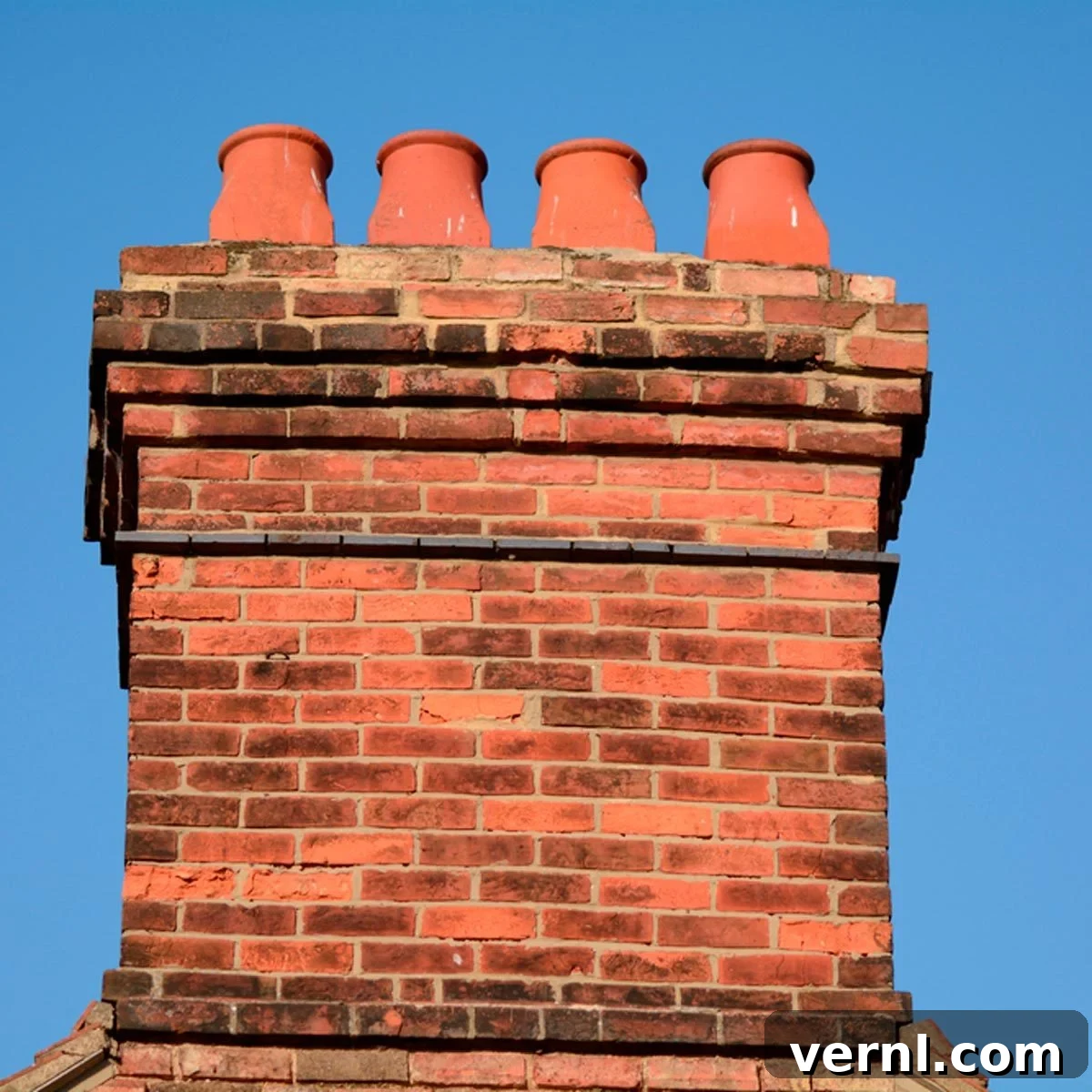
Though the top of the chimney might not be the first thing that comes to mind as you relax by a warm fire, you might have observed distinct round or octagonal clay structures perched atop many tall chimneys, particularly in older neighborhoods or historical buildings. Perhaps your memory even conjures images of Mary Poppins gracefully soaring above London’s rooftops, weaving through a cityscape punctuated by these unique adornments. These distinctive toppers are known as chimney pots, and their story is a fascinating blend of practical engineering, architectural innovation, and cultural expression.
A Glimpse into History: The Rise of Chimney Pots
The widespread adoption of chimney pots began to flourish in the 18th and 19th centuries, a transformative era marked by the Industrial Revolution and evolving domestic practices. As people increasingly turned to burning coal for heating their homes, new challenges arose. Coal, while an efficient fuel source, produced more smoke and particulate matter than traditional wood fires. This necessitated more effective ventilation solutions to prevent hazardous fumes and unsightly soot from entering living spaces.
The Industrial Revolution and Heating Homes
Prior to the Industrial Revolution, many homes relied on open hearths or simpler fireplaces, often with less sophisticated chimney systems. The transition to coal-fired heating systems, which offered greater heat output and longer burn times, created a demand for improved chimney design. The existing chimney stacks were often not tall enough to create the necessary “draw” to efficiently vent the denser coal smoke. Building the entire brick chimney stack higher was a costly and labor-intensive endeavor. This practical dilemma paved the way for an ingenious, cost-effective solution: the chimney pot.
The Science of “Draw”: How Chimney Pots Enhanced Performance
The terra-cotta pot was ingeniously added to the top of the existing chimney as an inexpensive and efficient method to extend the chimney stack height. This extension significantly increased the “draw” of air within the flue. The principle behind this is simple yet effective: a taller chimney creates a greater difference in air pressure between the inside of the home and the outside atmosphere. This pressure differential, combined with the natural buoyancy of hot gases, pulls the smoke and combustion byproducts upwards and out of the chimney more effectively. This enhanced “draw” was a game-changer, improving fireplace efficiency and, crucially, reducing the amount of soot and hazardous fumes that would otherwise spill back into the home.
Combating Soot and Fumes: Improving Indoor Air Quality
Beyond simply improving the draft, chimney pots played a vital role in enhancing indoor air quality. By ensuring a stronger, more consistent upward flow of smoke and combustion gases, they minimized the risk of smoke spillage, which could lead to respiratory issues and the accumulation of soot on interior surfaces. This not only made homes cleaner and healthier but also contributed to the overall comfort and safety of residents, particularly in an era before modern ventilation systems were commonplace. The simple addition of a chimney pot was a significant step forward in domestic safety and comfort, transforming the way homes were heated and lived in.
Beyond Utility: Chimney Pots as Architectural Statements
While their functional benefits were undeniable, chimney pots quickly evolved beyond mere utility to become a potent means of architectural expression. They offered a unique opportunity to add character, flair, and even grandeur to a home’s exterior, often reflecting the tastes, wealth, and social standing of the inhabitants. Their presence on the skyline became an integral part of the urban and rural landscape, contributing to the distinct aesthetic of various historical periods and regions.
Aesthetic Versatility and Design Diversity
Chimney pots began appearing in an astonishing variety of designs, each contributing to the unique architectural language of a building. From simple, elegant forms to highly ornate and complex structures, they became miniature sculptures adorning the rooftops. Their diversity allowed architects and homeowners to personalize their properties, making a statement visible from afar. The choice of material, color, and finish further expanded these design possibilities, allowing for seamless integration or striking contrast with the surrounding roofline and building materials.
Reflecting Wealth and Status
In many instances, the intricacy and embellishment of chimney pots served as a clear indicator of the owner’s wealth or social status. Grand estates and affluent residences often featured elaborately decorated pots, sometimes incorporating crests, intricate patterns, or classical motifs. These bespoke designs were not just decorative; they were a subtle yet powerful declaration of prestige, a testament to the owner’s refined taste and financial prosperity, visible to anyone gazing upon their property. A simple, unadorned pot might signify a more modest dwelling, while a complex, multi-tiered design hinted at significant affluence.
Regional Styles and Historical Narratives
Chimney pots also provided a fascinating historical context and reflected distinct regional architectural styles. Tudor chimneys, for example, are renowned for their impressive height and often incorporate very long, slender chimney pots that complement the period’s characteristic verticality and decorative brickwork. In regions like southern Portugal, the Moorish influences on local architecture are vividly expressed through intricate, often geometric, designs on their chimney pots, reflecting centuries of cultural exchange. These regional variations offer a visual timeline of architectural trends, construction methods, and cultural influences that shaped local aesthetics over time.
Artistic Masterpieces: Antoni Gaudí and Beyond
Beyond their role in traditional architecture, some chimney pots have transcended their functional origins to become iconic works of art. The Spanish architect Antoni Gaudí, a pioneer of Catalan Modernism, famously incorporated highly imaginative and sculptural chimney pots into his groundbreaking designs. His creations, such as those on Casa Milà or Casa Batlló in Barcelona, are vivid examples of how these functional elements can be transformed into whimsical, organic, and breathtaking artistic expressions. Gaudí’s chimney pots are not merely vents but integral components of his fantastical roofscapes, reflecting his unique vision and challenging conventional notions of building design. His work illustrates how a practical necessity can be elevated to the realm of high art, making the roofline as expressive as any other façade of a building.
Modern Relevance: Choosing and Installing Chimney Pots Today
Even in the age of advanced heating technologies and modern construction, chimney pots continue to hold significant appeal for homeowners and builders alike. Their blend of aesthetic charm and functional benefits ensures their continued relevance, making them a popular choice for both restoration projects and new builds seeking to add character and efficiency. Today, the market offers a wide array of options to suit diverse architectural styles and performance needs.
Modern Applications and Benefits
Chimney pots can still be readily bought and installed to not only add a distinctive style to a home but also to significantly increase flue performance. For homes with traditional fireplaces, improving the chimney’s draw remains a key benefit, leading to more efficient fires and reduced smoke spillage. Beyond their functional advantages, chimney pots offer an instant upgrade to a home’s curb appeal, adding a touch of historical elegance or modern flair that can differentiate a property.
Enhancing Flue Performance
The primary functional advantage of a chimney pot remains its ability to extend the effective height of the chimney, thereby improving the natural draft. This enhanced draw helps to pull smoke and combustion gases out of the flue more efficiently, reducing the risk of downdrafts and ensuring a cleaner, more robust fire. For older homes struggling with poor chimney performance or for new constructions aiming for optimal efficiency, a well-chosen chimney pot can make a considerable difference in fireplace operation and overall home comfort.
Adding Curb Appeal and Character
From an aesthetic perspective, chimney pots are invaluable. They provide a finishing touch to a home’s exterior, elevating its architectural presence. Whether you are aiming for a rustic, classic, contemporary, or whimsical look, there is a chimney pot design that can complement and enhance your home’s unique character. They can transform a simple chimney stack into an interesting focal point, adding value and visual appeal that resonates with both historical authenticity and modern design sensibilities.
Materials, Shapes, and Mounting Options
Modern chimney pots are available in a variety of durable materials, shapes, and mounting configurations to suit different needs and preferences:
- Materials:
- Clay (Terra Cotta): The traditional choice, clay pots offer excellent durability, natural insulation properties, and a classic aesthetic. They are often favored for historical reproductions and homes seeking an authentic look.
- Copper: Known for its exceptional durability and the beautiful patina it develops over time, copper chimney pots are a premium choice that adds a touch of luxury and sophisticated aging to a home’s exterior.
- Steel: Including stainless steel and sometimes galvanized steel, these pots offer a more contemporary look, often with a sleek, minimalist design. Steel is robust, corrosion-resistant, and can be powder-coated in various colors to match specific architectural schemes.
- Shapes:
- Square: Often chosen for their clean lines and ability to complement modern or geometric architectural styles.
- Round: A classic and versatile shape that suits a wide range of designs, from traditional to transitional.
- Octagonal: Offering a more decorative and intricate appearance, octagonal pots add a subtle touch of elegance and visual interest.
- Mounting Options: The method of installation depends on the specific chimney structure and desired aesthetic.
- Mortar Mount: The most common method, where the pot is set directly into mortar on the top course of the chimney brickwork.
- Chimney Mount: Similar to mortar mount but sometimes involving a larger base or collar that sits over the chimney crown.
- Crown Mount: The pot is secured onto the chimney crown, often integrated with a new or existing concrete or stone crown.
- Inside Flue Mount: The pot is designed to fit directly into the flue liner, providing a secure and often more streamlined appearance.
Maintenance and Care for Your Chimney Pots
Like any other exterior component of your home, chimney pots benefit from occasional inspection and maintenance to ensure their longevity and continued performance. Regular chimney inspections by a qualified sweep will include an assessment of your chimney pot’s condition. While generally very durable, extreme weather conditions, particularly freeze-thaw cycles, can sometimes cause cracking in older clay pots. Keeping the top of the chimney clear of debris, such as leaves or bird nests, is also crucial for maintaining optimal draw and preventing blockages that could impact fireplace safety and efficiency. Addressing any minor damage promptly can prevent more extensive and costly repairs down the line, ensuring your chimney pot continues to serve its dual purpose of function and beauty for decades to come.
Conclusion: A Legacy of Warmth, Style, and Efficiency
From their humble origins as practical extensions to their evolution into sophisticated architectural statements, chimney pots represent a fascinating intersection of engineering and art. They stand as silent sentinels atop our homes, ensuring the safe and efficient operation of our fireplaces while simultaneously contributing to the unique character and charm of our built environment. Whether you appreciate their historical significance, their practical benefits in enhancing chimney draw, or their undeniable aesthetic appeal, chimney pots are a testament to how even the most utilitarian elements of a home can possess a rich narrative and enduring beauty. They are indeed the unsung heroes, continuing to provide warmth, style, and efficiency to homes across the globe.
Do you have a child with a dollhouse? You can buy miniature chimney pots for the roof!
Buy miniature chimney pots now on Amazon.
Every product is independently selected by our editors. If you buy something through our links, we may earn an affiliate commission.