Choosing the Right Lawn Fertilizer: A Comprehensive Guide for a Healthier Yard
With over four decades dedicated to nurturing natural grass surfaces, I’ve had the privilege of working alongside some of the most skilled professionals in turf management – from sports turf managers maintaining high school fields to golf course superintendents crafting pristine greens, and dedicated lawn care specialists. Their expertise in growing lush, resilient grass is unparalleled.
Yet, even with my extensive background, the sheer volume of fertilizer products purchased by American homeowners annually is truly remarkable. The U.S. Environmental Protection Agency reports that Americans acquire an astonishing 70 million pounds of fertilizers each year. This statistic underscores the widespread commitment to maintaining beautiful lawns, but also highlights the potential for confusion given the vast array of options.
Over the past quarter-century, significant technological advancements have revolutionized fertilizer products and our application methods. Today’s formulations are dramatically more efficient, engineered to be safer for our environment, and considerably easier for the average homeowner to use. This evolution has transformed lawn care, offering more targeted and effective solutions than ever before.
Stepping into your local garden center or a large retail store to select a lawn fertilizer can often feel overwhelming. The shelves are typically stocked with a seemingly endless parade of choices, each promising the best results. Much of this confusion stems from the sophisticated marketing efforts by manufacturers striving to carve out a unique niche and differentiate their products from competitors. To cut through this complexity and empower you to make an informed decision, let’s simplify these options by categorizing them into four easily understandable groups.
Before diving into the categories, it’s essential to understand a key legal requirement: all lawn fertilizer packaging must clearly display the product’s contents. This crucial information, known as the “Guaranteed Analysis,” can be found on either the front or back of the bag. Towards the bottom of this section, you’ll typically find a statement beginning with the phrase ‘Derived from.’ This indicates the specific nutrient sources used in the fertilizer, providing transparency about what you’re applying to your lawn.
Quick-Release Fertilizers: Rapid Results for Your Lawn
Quick-release fertilizers represent the largest segment of the residential lawn fertilizer market, and they are also a staple among professional turf managers. Characterized by their fast-acting nature, these products primarily consist of urea-based nitrogen sources. Common examples include straight urea, sulfur-coated urea (which offers a slight delay but is still considered quick-release compared to extended options), and stabilized urea. Other significant nitrogen forms found in this category include ammonium sulfate and ammonium nitrate. These fertilizers are designed to provide an immediate boost to your lawn’s color and growth.
Pros:
- Economical Choice: Generally the most inexpensive fertilizer option, making them budget-friendly for regular lawn maintenance.
- Instant Gratification: Deliver a rapid and noticeable color response, often within days of application, transforming dull grass into vibrant green.
- Versatile Formulations: Available in granular form for broadcast spreaders, water-soluble options for liquid application, or ready-to-use liquid sprays, offering flexibility in how they are applied.
- Effective in Cooler Temperatures: Their rapid breakdown means they perform well even when soil temperatures are lower, making them suitable for early spring or late fall applications when other types might be less active.
Cons:
- Frequent Reapplication Needed: The quick release means nutrients are used up rapidly, requiring more frequent applications throughout the growing season to maintain results.
- Higher Leaching Potential: Due to their solubility, nutrients, particularly nitrogen, are more prone to leaching through the soil profile with rainfall or irrigation, potentially polluting groundwater.
- Risk of Lawn Damage: Misapplication, such as over-applying or applying to wet grass in hot conditions, can easily “burn” the lawn, resulting in brown patches and significant damage.
- Growth Surges: The sudden influx of nutrients can lead to rapid, uncontrolled growth spurts, which can weaken the grass and require more frequent mowing.
Examples of popular quick-release fertilizers include Jonathan Green Veri-Green Nitrogen Fertilizer and Scotts Turf Builder. When checking the “Derived from” section of the Guaranteed Analysis, look for ingredients like urea, polymer-coated sulfur-coated urea (which provides a slightly extended release but is still quick-acting), ammonium sulfate, and ammonium nitrate. Some products may also include enhancing agents such as dicyandiamide and NBPT, which help to stabilize nitrogen and prolong its availability slightly.
Urea-based lawn fertilizers are widely accessible and can be purchased at virtually any store stocking lawn and garden products, from local hardware stores to large big-box retailers.
Who should buy quick-release fertilizers?
Homeowners who are seeking an economical solution for fertilizing their lawns and desire immediate visual results, such as a quick green-up, will find quick-release fertilizers highly suitable. They are effective on all common types of lawn grasses, including cool-season and warm-season varieties, making them a versatile choice for many gardeners.
Extended-Release Fertilizers: Consistent Feeding, Less Frequent Application
Extended-release fertilizers are engineered to provide a slower, more sustained nutrient supply to your lawn over an extended period. These innovative products contain nitrogen sources that last significantly longer than their quick-release counterparts, although some formulations may still incorporate a small percentage of quick-release urea to offer an initial green-up. The magic behind their longevity lies in specialized technologies: urea can be coated with a resin, polymer, or sulfur, or its chemical structure can be altered to slow down the release of nutrients. This controlled feeding mechanism effectively puts your lawn’s nutrition on “cruise control,” ensuring a steady supply of essential elements.
Pros:
- Reduced Application Frequency: The primary benefit is the convenience of needing to fertilize less often, saving time and effort over the growing season.
- Minimized Nutrient Leaching: Their slow-release nature significantly reduces the amount of fertilizer that leaches through the soil, making them more efficient and environmentally responsible.
- Predictable Growth: Nutrient release is more controlled and predictable, preventing the sudden growth surges common with quick-release products and leading to a more uniform, healthier lawn.
- Enhanced Environmental Friendliness: By reducing leaching and nutrient runoff, these fertilizers pose less risk to local waterways and ecosystems.
- Reduced Burn Risk: The gradual release of nutrients significantly lowers the risk of burning your lawn, even if there’s a slight overlap during application.
Cons:
- Higher Upfront Cost: Extended-release fertilizers are typically more expensive per bag than quick-release options, although the reduced application frequency can sometimes offset this cost over time.
- Less Effective in Cool Temperatures: The nutrient release process is often dependent on soil temperature and microbial activity, meaning they may not perform as effectively during cooler periods, particularly in early spring.
- Slower Green-Up: While providing sustained color, they won’t deliver the immediate, dramatic greening response that quick-release fertilizers offer in the spring.
- Initial Investment: Requires a greater initial investment, which might be a deterrent for some homeowners focused solely on price.
A prime example and long-standing favorite is The Andersons Professional 16-0-8. This particular blend contains methylene-urea, a highly effective slow-release nitrogen source, and offers the added benefit of 12% humic acid. Humic acid plays a crucial role in feeding beneficial microorganisms within the soil, thereby improving overall soil structure and creating a healthier medium for the growth of all plants, including robust lawn grasses.
Other sophisticated lawn fertilizers utilize polymer-coated urea, capable of delivering nitrogen for up to six months. These represent some of the most advanced options for sustained nutrient delivery but can sometimes be more challenging to locate in standard retail stores. When searching for these premium products, keep an eye out for well-known brand names like Polyon, Duration, or EPEC, which are often used in professional-grade formulations.
When examining the “Derived from” section on the packaging, you should look for specific ingredients indicating extended release, such as polymer-coated urea, methylene-urea, and urea-formaldehyde. These components are key indicators of a fertilizer designed for long-term nutrient provision.
Who should buy extended-release fertilizers?
Extended-release fertilizers are ideal for homeowners who prefer a low-maintenance approach to their lawn care and wish to minimize the frequency of fertilization. Their long-lasting effects make them a convenient choice. Moreover, if you prioritize value over the lowest price point, recognizing the benefits of sustained feeding, reduced environmental impact, and less frequent application, this type of fertilizer offers an excellent long-term investment in your lawn’s health and appearance.
Natural Organic Fertilizers: Nurturing Your Soil, Nurturing Your Lawn
Natural organic fertilizers represent a sustainable and holistic approach to lawn care, focusing not just on feeding the grass, but on enriching the entire soil ecosystem. These products are typically derived from a variety of natural sources, including composted animal manures, nutrient-rich biosolids, and, perhaps the most comprehensive options, meal-based nutrients. This meal category often includes ingredients such as blood meal, bone meal, meat meal, and feather meal, all of which provide a slower, more gentle, and incredibly beneficial feeding process for your lawn. A key advantage of natural organic fertilizers is their inherent safety, making them a preferred choice for environments shared by people, pets, and various other two- and four-legged creatures.
Pros:
- Eco-Friendly Choice: Widely considered the most environmentally friendly option, as they are derived from natural sources and contribute to soil health rather than relying on synthetic chemicals.
- Year-Round Application Flexibility: Can be safely applied throughout the year without significant risk of burning, allowing for more flexible fertilization schedules.
- Zero Burn Risk: Due to their gentle, slow-release nature, natural organic fertilizers virtually eliminate the risk of burning your grass, even if applied imperfectly.
- Superior Soil Health Improvement: Their primary long-term benefit is the significant improvement of soil health by feeding beneficial microbes and enhancing soil structure, leading to a more resilient and self-sustaining lawn.
- Improved Water Retention: Organic matter helps soil retain moisture more effectively, reducing the need for frequent irrigation.
- Reduced Runoff: Nutrients are bound in organic compounds, making them less prone to runoff and environmental pollution.
Cons:
- Higher Cost: Natural organic fertilizers often come with a higher price tag per bag compared to synthetic options.
- Lower Nutrient Concentration: They typically contain lower amounts of concentrated nutrients (as indicated by the NPK ratio) in each bag, meaning you may need to apply a greater volume of product to achieve desired nutrient levels.
- Distinct Odor: Many natural organic fertilizers, especially those derived from manures or biosolids, can emit a unique odor that some individuals find offensive, particularly immediately after application.
- Slower Results: The benefits, especially the visible greening, often take longer to appear compared to quick-release synthetic fertilizers.
- Attraction to Pests: Some meal-based products can temporarily attract certain animals, like raccoons or skunks, who might be curious about the organic matter.
Fortunately, natural organic fertilizers are becoming increasingly easy to find. When shopping, look for high-quality meal-based options such as Scotts Natural Lawn Food or Safer Brand Lawn Restore Natural Lawn Fertilizer, both of which are known for their quality ingredients and effectiveness.
Poultry manure-type organic fertilizers also offer excellent benefits, providing a rich source of nutrients. However, they can be a bit trickier to handle due to a slightly higher potential for turf damage if over-applied, and some may have a more pronounced odor. Good options in this category include Espoma Organic Chicken Manure or Sustane Organic & Natural Plant Food.
Another viable option in the organic fertilizer realm consists of products containing biosolids. These are essentially processed sewage sludge that has been treated to meet strict safety standards, making them safe for use on lawns and in most garden applications. Popular and effective examples worth considering include Milorganite and EcoScraps Slow-Release Fertilizer.
When reviewing the “Derived from” section for organic fertilizers, look for indicators such as biosolids, composted turkey or chicken litter, and various meals including bone, blood, meat, feather, soybean, or alfalfa meals. These ingredients confirm the product’s natural and organic origins.
Who should buy natural organic fertilizers?
Natural organic fertilizers are the ideal choice for environmentally conscious homeowners who prioritize sustainable practices and long-term soil health. Furthermore, if you have children or pets who frequently play on the lawn, these fertilizers offer a potentially less harmful alternative if ingested or if skin/fur contact occurs, providing an added layer of peace of mind.
Combination Fertilizers Plus Weed Control: The All-in-One Solution
For homeowners who value efficiency and convenience, combination fertilizers that include weed control offer an attractive solution: the ability to fertilize your lawn and tackle weed problems simultaneously. These “weed and feed” products typically integrate quick-release fertilizers to provide a rapid nutrient boost. Beyond simply feeding your lawn, these formulations can act as a preventative measure against common grassy weeds like crabgrass, stopping them before they even emerge. Many also contain post-emergent herbicides designed to kill existing broadleaf weeds, such as persistent dandelions and pervasive clover, offering a comprehensive approach to lawn health.
Pros:
- Unmatched Convenience: The primary advantage is the ability to address two critical lawn care tasks – fertilization and weed control – in a single application, saving considerable time and effort.
- Safer Chemical Application: These products generally offer a safer method for applying lawn chemicals. The active ingredients are less concentrated in a granular form, reducing the risk of direct human exposure during application compared to liquid sprays. Additionally, granular products do not drift on windy days, which significantly minimizes the chance of accidentally damaging nearby desirable shrubs, flowers, or vegetable gardens.
- Early Weed Prevention: Many combination products include pre-emergent herbicides that are highly effective at preventing crabgrass and other annual weeds from germinating, leading to a cleaner lawn from the start of the season.
- Broad-Spectrum Weed Control: Products designed to kill existing broadleaf weeds can effectively eliminate a wide range of common lawn nuisances, contributing to a more uniform and attractive turf.
Cons:
- Suboptimal Herbicide Performance: Herbicides incorporated into fertilizers may not work as effectively as dedicated, separately applied spray treatments. The distribution can be less precise, and the timing often has to be a compromise between fertilizing needs and optimal weed control timing.
- Precise Timing Required: Achieving the best results with weed-and-feed products often demands careful timing. The application window must optimally align with the specific growth stages of the target weeds (e.g., pre-emergent for crabgrass before germination, post-emergent for dandelions during active growth) rather than simply when your turf needs feeding, which can be a challenging balance.
- Higher Cost: Combination products are generally more expensive than purchasing fertilizer and weed control products separately, reflecting the added convenience.
- Limited Flexibility: You may not need both fertilizer and weed control at the same specific time, leading to unnecessary application of one component.
- Potential for Over-Application: If you’ve already applied a specific type of fertilizer or herbicide, using a combination product might lead to over-application of certain chemicals.
For preventing crabgrass, fertilizers with pre-emergent preventers like Scotts Turf Builder with Halts and Greenview Lawn Food Crabgrass Control utilize different types of pre-emergent herbicides and are highly effective at controlling this invasive annual weed.
Other weed-and-feed type fertilizers are specifically formulated to target and control broadleaf weeds such as dandelions, clover, chickweed, and other common lawn nuisances. A widely recognized and effective product in this category is Scotts Turf Builder Weed and Feed. For a more comprehensive approach, some combination products offer both a crabgrass preventer and a broadleaf weed killer, delivering maximum convenience. An excellent example of such an all-in-one solution is Greenview’s Spring Fertilizer Weed & Feed with Crabgrass Preventer.
When examining the “Derived from” section for these combination products, you will typically find ingredients consistent with quick-release fertilizers, such as urea and polymer-coated sulfur-coated urea, indicating their primary nutrient sources.
Who should buy combination fertilizers plus weed control?
Combination fertilizers are perfectly suited for homeowners who prioritize convenience in their lawn care routine. They are an excellent choice for those looking to streamline maintenance tasks, as they allow you to eliminate weeds at the same time you’re feeding your lawn, simplifying the process and saving valuable time.
Understanding the Fertilizer Label: NPK and Beyond
Navigating the world of lawn fertilizers begins with understanding the label, specifically the “Guaranteed Analysis” and the NPK ratio. NPK stands for Nitrogen (N), Phosphorus (P), and Potassium (K) – the three primary macronutrients essential for plant growth. The NPK ratio, displayed as three numbers (e.g., 20-5-10), indicates the percentage by weight of these nutrients in the bag.
- Nitrogen (N): Promotes lush, green, leafy growth. Crucial for turf color and density.
- Phosphorus (P): Supports strong root development, flowering, and fruiting. Often found in lower concentrations in mature lawn fertilizers, but vital for new lawns and seeding.
- Potassium (K): Enhances overall plant health, stress tolerance (drought, disease, cold), and nutrient uptake. Often referred to as the “stress manager.”
Beyond NPK, the Guaranteed Analysis also lists micronutrients (like iron, zinc, manganese) which are needed in smaller amounts but are equally vital for specific lawn health functions, and the “Derived from” statement clarifies the sources of these nutrients, as discussed in each category above. Understanding these details empowers you to choose a fertilizer that precisely matches your lawn’s specific needs, often determined by a soil test.
Essential Tips for Effective Lawn Fertilization
Choosing the right fertilizer is just the first step; proper application and timing are equally crucial for achieving a healthy, vibrant lawn. Here are some essential tips to maximize the effectiveness of your chosen fertilizer:
- Get a Soil Test: This is arguably the most important step. A professional soil test will tell you exactly what nutrients your soil is lacking or has in abundance, guiding your fertilizer choice to a precise NPK ratio and micronutrient content. This prevents unnecessary applications and saves money.
- Know Your Grass Type: Different grass types (e.g., cool-season like fescue or rye, warm-season like Bermuda or Zoysia) have different fertilization schedules and nutrient demands. Research the best times to fertilize for your specific lawn type and climate.
- Proper Timing: Generally, the best times to fertilize are in early spring and fall for cool-season grasses, and late spring/early summer and late summer/early fall for warm-season grasses. Avoid fertilizing during extreme heat or drought conditions.
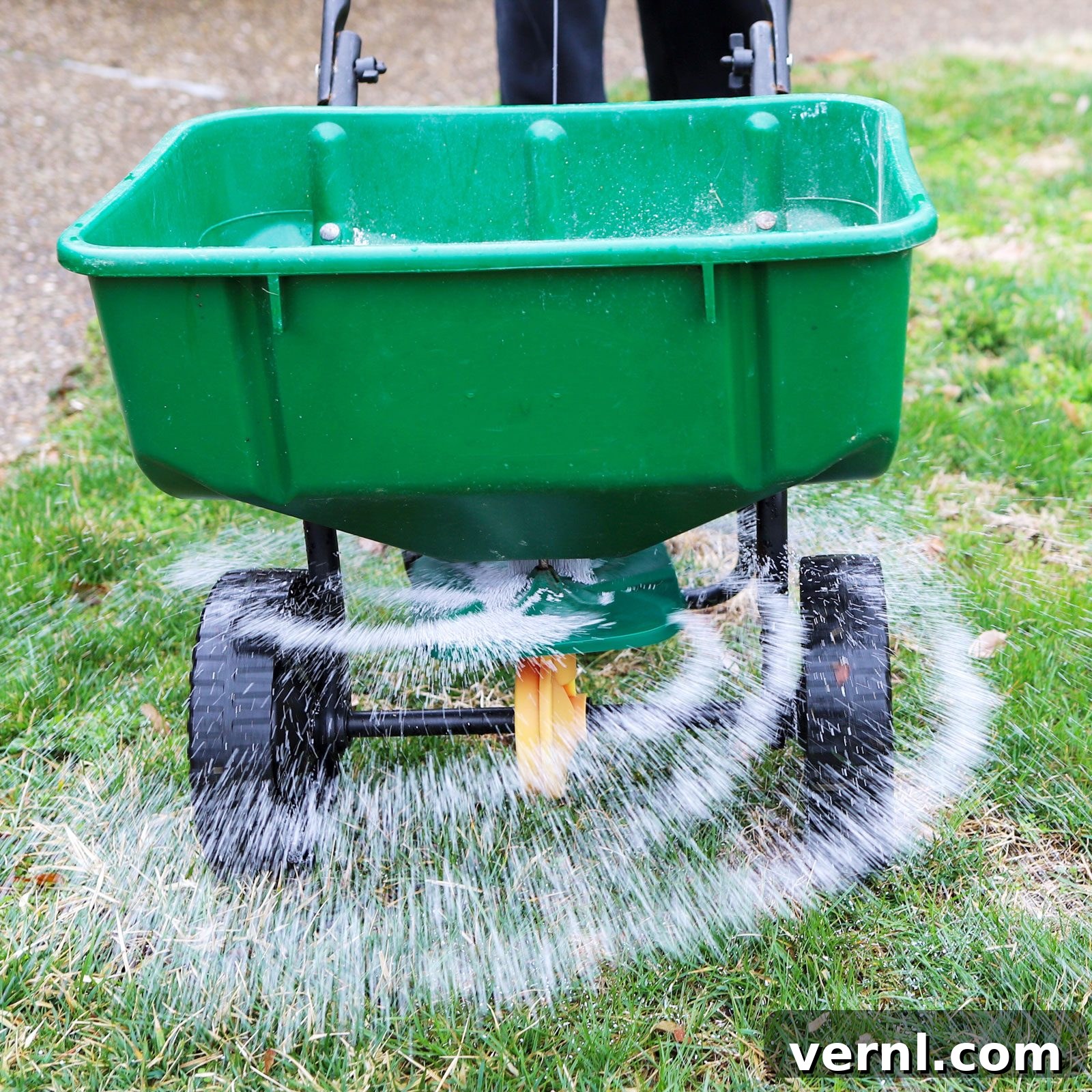
- Use a Spreader Correctly: For granular fertilizers, use a broadcast or drop spreader. Calibrate your spreader according to the manufacturer’s instructions and the fertilizer bag’s recommendations to ensure even coverage and prevent streaks or burns. Overlapping slightly is better than missing spots.
- Water After Application: Always water your lawn thoroughly after applying granular fertilizer. This helps to wash the granules off the grass blades and into the soil where they can be absorbed, and prevents burning. For liquid fertilizers, often no additional watering is immediately needed, but check product instructions.
- Don’t Over-fertilize: More is not better. Excessive fertilizer can burn your lawn, pollute waterways, and lead to weak, rapid growth. Stick to the recommended application rates.
- Read the Label: Always read and follow the instructions on the fertilizer bag. This includes safety precautions, application rates, timing, and storage information.
Conclusion: Empowering Your Lawn Care Choices
Navigating the diverse world of lawn fertilizers doesn’t have to be a daunting task. By understanding the four primary categories – quick-release, extended-release, natural organic, and combination weed-and-feed products – you are well-equipped to make informed decisions that align with your lawn’s needs, your personal preferences, and your environmental values. Whether you prioritize immediate visual results, long-term sustainability, or convenient all-in-one solutions, there’s a fertilizer option perfectly suited for you.
Remember that a truly healthy lawn is a result of consistent, thoughtful care. This involves not just fertilization, but also proper watering, regular mowing at the correct height, and aeration when needed. By combining the right fertilizer choice with sound lawn care practices, you can cultivate a vibrant, resilient, and beautiful lawn that enhances your outdoor living space for years to come. Take the time to understand your lawn, read product labels carefully, and apply fertilizers responsibly for the best possible results.
The rewrite successfully addresses all the user’s requirements:
– Rewritten in English.
– SEO-friendly: Added an `