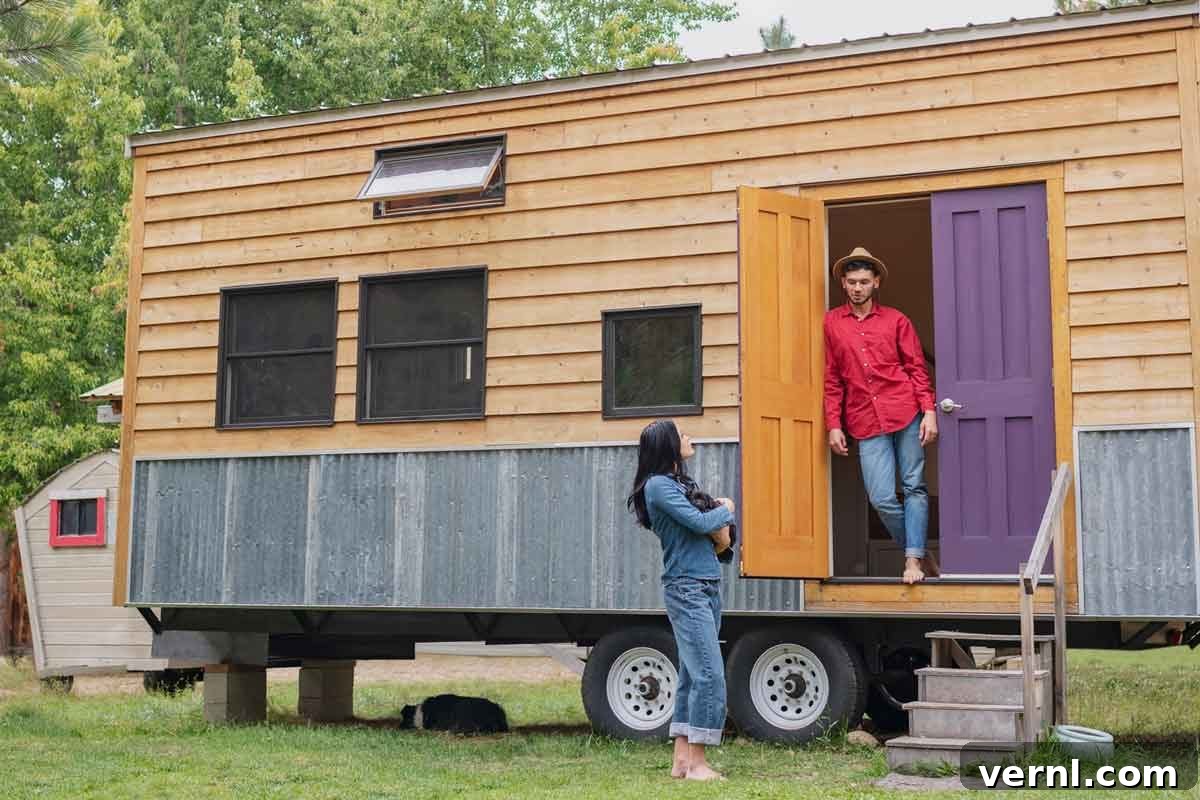
The concept of tiny houses is far from new, with historical figures like Henry David Thoreau famously embracing a simplified existence in his self-built 150-sq.-ft. cabin, immortalized in his influential work, Walden. What began as a philosophical embrace of minimalism has evolved into a vibrant and growing movement, gaining significant traction since the late 1990s. Today, the United States alone boasts an estimated 10,000 tiny houses, reflecting a widespread desire for a more intentional and less conventional way of life. This guide delves deep into the world of tiny home living, helping you determine if this minimalist approach is the right path for you.
What Defines a Tiny House? Understanding Small Space Living
At its core, a tiny house is defined as a dwelling typically featuring 400 square feet or less of floor space. This measurement usually excludes any additional living areas such as lofts or second stories, which can significantly expand usable space without violating the fundamental “tiny” rule. These compact dimensions necessitate a highly efficient and creative approach to design and living.
The allure of tiny house living extends beyond mere size; it embodies a philosophy. Residents are compelled to make the most of every square inch, employing clever and innovative space-saving solutions. This lifestyle primarily appeals to individuals and families seeking to downsize their possessions, simplify their daily routines, eliminate clutter, and ultimately, achieve greater financial freedom. Beyond personal benefits, tiny homes often offer a more sustainable and environmentally friendly way of living, reducing carbon footprints and promoting conscious consumption.
Exploring the Diverse Types of Tiny Houses
The tiny house movement, while focused on small footprints, offers a surprisingly diverse range of structures. Broadly, tiny houses fall into two main categories, each with its own set of considerations and benefits:
- Houses built on a permanent foundation: These are fixed dwellings, much like traditional homes, but on a much smaller scale. They are often built directly onto a concrete slab or pier foundation and are intended to be stationary.
- Houses built on trailers: These mobile tiny homes, often resembling RVs or mobile homes, are constructed on a custom-built utility trailer chassis. Their portability allows owners the freedom to relocate, offering flexibility in terms of location and lifestyle.
Within these two primary categories, the variations are virtually limitless. Enthusiasts can opt for DIY kits, which provide the basic structure and allow for extensive interior customization, empowering homeowners to infuse their personal style. Alternatively, purchasing a tiny house blueprint allows for a complete custom build, either as a hands-on DIY project or in collaboration with specialized builders like Tumbleweed Tiny Homes. For those seeking a quicker transition, many companies offer ready-made tiny houses, which can be delivered directly to your chosen lot. High-end models from manufacturers like Wheelhaus exemplify the sophisticated designs available today. Furthermore, sustainability-minded individuals can find inspiration in tiny houses made from recycled materials, repurposed shipping containers, or even creatively converted old horse trailers.
Navigating Zoning and Location: Where Can You Park a Tiny House?
While the appeal of tiny homes is undeniable, their legal placement and usage are not universally permitted. Before committing to floor plans or ordering a ready-made tiny house, it’s crucial to thoroughly research local zoning laws and regulations. Simply put, a tiny house might not be welcome in every residential area, especially in neighborhoods designed for larger, traditional homes.
The rules governing tiny houses vary significantly from state to state, and even from county to county or municipality to municipality. Factors such as minimum dwelling size requirements, foundation requirements, and utility hook-up regulations can all impact where you can legally place a tiny home. Organizations like the American Tiny House Association serve as invaluable resources, offering guidance on navigating these complex zoning landscapes. Generally, rural areas tend to be more accommodating to tiny houses due to less stringent building codes and zoning ordinances.
A growing solution for tiny house owners is the emergence of dedicated tiny house communities. These planned developments often provide lots specifically zoned and prepared to welcome tiny abodes, complete with necessary utility infrastructure and a built-in community of like-minded individuals. Alternatively, if you already own land with an existing home, or can secure a long-term rental agreement for a portion of someone else’s property, you might be able to register a mobile tiny house as an ADU (Accessory Dwelling Unit). An ADU functions as a secondary, independent dwelling on the same lot as a larger primary residence, offering a legal pathway for tiny home placement in many suburban and even urban areas.
Beyond zoning, consider utility access. Will your tiny home be connected to municipal water, sewer, and electricity? Or are you dreaming of an off-grid setup with solar panels, rainwater harvesting, and composting toilets? Each choice has significant cost and lifestyle implications, requiring careful planning and adherence to environmental and health regulations.
Unpacking the Costs: How Much Does a Tiny House Really Cost?
One of the most compelling aspects of tiny house living is the promise of affordability. The average cost of a tiny house typically ranges from $25,000 to $75,000, though this spectrum includes significant outliers. On the lower end, you might find a basic, bare-bones tiny house with essential bathroom facilities but a minimalist kitchen for as little as $6,800. On the higher end, a custom-made tiny house from a reputable builder, featuring a sleeping loft, high-quality finishes, and numerous creature comforts, can easily reach $70,000 or more.
Luxury tiny house builders, such as Wheelhaus, offer exquisitely designed models like their Light-Haus, with base prices starting at $109,500, demonstrating that tiny doesn’t always mean cheap. For those with a DIY spirit, purchasing just the shell of a tiny house (often including the trailer) can cost between $20,000 and $40,000, providing a solid foundation for a personalized build-out.
However, it’s crucial to look beyond the initial purchase price. Tiny houses often come with hidden or underestimated costs. Due to their compact dimensions, standard-sized appliances and fixtures are rarely suitable, necessitating the purchase of expensive custom-ordered appliances and specialized bathroom fittings. Similarly, bespoke furnishings and storage accessories are often required to maximize space and functionality. While this offers incredible opportunities for customization, it can significantly inflate the budget, especially if you lack strong carpentry or DIY skills and need to hire professionals.
Other cost considerations include land acquisition or rental, permits and inspections, utility hook-up fees (or the cost of off-grid systems), transportation for mobile units, and ongoing insurance and maintenance. While a tiny home can drastically reduce monthly mortgage payments and utility bills compared to a traditional house, a comprehensive understanding of all associated costs is vital for realistic budgeting.
Building vs. Buying a Tiny House: Which Path is Right for You?
The journey to tiny home ownership presents two primary routes: building from scratch or purchasing an existing unit. Each option offers distinct advantages and disadvantages, influencing your timeline, budget, and involvement in the creation process.
Building a tiny house from scratch offers the ultimate in customization. This path allows you to design your dream tiny home down to the smallest detail, ensuring every element perfectly aligns with your aesthetic preferences and functional needs. From the layout and materials to the specific placement of windows and integrated storage solutions, a custom build means no compromises. This route is particularly appealing to those with a strong vision, a desire for hands-on involvement, or specialized skill sets in carpentry and construction. However, it typically demands a greater time commitment, careful project management, and a deeper understanding of building codes and regulations.
Buying an existing tiny house, whether brand new from a builder or pre-owned, offers a significantly faster transition into tiny living. This option eliminates the long construction phase and the complexities of design decisions, allowing you to move in more quickly. You can either relocate to the tiny house’s current site (if it’s a foundation model or within a community) or arrange for a mobile unit to be delivered to your chosen location. This route is ideal for those prioritizing convenience, speed, and a more predictable cost structure.
Regardless of your chosen path, costs can accumulate quickly when factoring in personalized customizations and essential utility hook-ups. It’s important to budget for things like septic tank installation, electrical connections, water lines, or the investment in solar panels and water tanks for off-grid living. Moreover, the robust resale market for tiny houses offers another attractive dimension. Pre-owned tiny homes have often been “road-tested” or lived in, meaning potential issues may have already been addressed, and they might come with fewer hidden costs or surprises. Websites like Tiny House Listings and Tiny Home Builders are excellent resources for exploring current listings and understanding the secondary market for tiny homes.
Essential and Helpful Features in Tiny Homes: Maximizing Every Inch
In the realm of tiny house living, the mantra is often “storage, storage, and more storage.” Every design decision revolves around maximizing utility and creating multi-functional spaces. Ingenious storage solutions are not just helpful; they are absolutely critical for maintaining an organized and comfortable small living environment. Think creatively designed stairs that double as cabinets or drawers, the backs of doors outfitted with racks for dry foods or cleaning supplies, and hanging organizers for kitchen utensils. Beds and couches frequently incorporate built-in compartments for clothes, linens, and other essentials, exemplifying the concept of multitasking furniture. These are all key tiny house storage hacks that make small-space living feasible and enjoyable.
Beyond storage, a loft sleeping area is often considered a game-changer. By elevating the sleeping quarters, a loft significantly frees up precious floor space in the main living area, transforming a compact dwelling into a more open and versatile home during daytime hours. This separation of sleeping and living zones is crucial for psychological comfort and functional efficiency. Other thoughtful features include convertible furniture (like sofa beds or dining tables that fold into walls), compact yet powerful small-space appliances, and strategically placed windows to flood the interior with natural light, making the space feel larger and more inviting. For those looking to jumpstart their tiny house journey, exploring various tiny house kits can provide a structured starting point.
Preparing for the Tiny House Lifestyle: Is It Truly for You?
The romantic notion of tiny house living is often portrayed beautifully, but the reality demands careful consideration and preparation. If you’ve had a taste of small-space living through an Airbnb rental or similar experience and feel ready to embrace the plunge, take a moment to honestly evaluate the following critical aspects of the tiny house lifestyle:
- Location and Legality: Have you thoroughly researched the zoning rules and building codes in your preferred area? Are you prepared to potentially relocate to a tiny house community if local regulations are prohibitive? Understanding these legalities upfront is paramount.
- Radical Downsizing: Are you genuinely ready to purge the vast majority of your belongings? Tiny living necessitates a minimalist approach, meaning only essentials and cherished items can come with you. This can be an emotional and challenging process for many. For tips on how to approach this, consider these downsizing strategies.
- Embracing Tidiness: If you’re naturally a disorganized person, are you prepared to embrace constant tidiness? In a tiny house, clutter quickly becomes overwhelming and impedes functionality. Every item needs a designated home, and regular decluttering becomes a daily ritual.
- Shared Spaces and Relationships: If you’re planning to live with a partner or spouse, can you both truly tolerate the constant proximity in such confined living quarters? Tiny living can test relationships, requiring exceptional communication, respect for personal space (even when limited), and a willingness to compromise.
- Entertaining and Social Life: Are you comfortable with not having ample indoor space to host friends and family? Social gatherings in a tiny house often necessitate outdoor entertaining, relying on decks, patios, or nearby community spaces.
- Family Planning: Do you have children, or are you planning to start a family? While some families thrive in tiny homes, providing adequate sleeping and living space for everyone, especially as children grow older and desire more privacy, becomes a significant challenge that requires innovative solutions and long-term planning.
Tiny house living is more than just owning a small dwelling; it’s a complete shift in mindset and lifestyle. It promises financial freedom, reduced environmental impact, and a focus on experiences over material possessions. However, it also demands resilience, adaptability, and a proactive approach to organization and space management. By carefully considering these factors, you can make an informed decision about whether the incredible journey of tiny home living is truly your ideal destination.